Portuguese
  Spanish


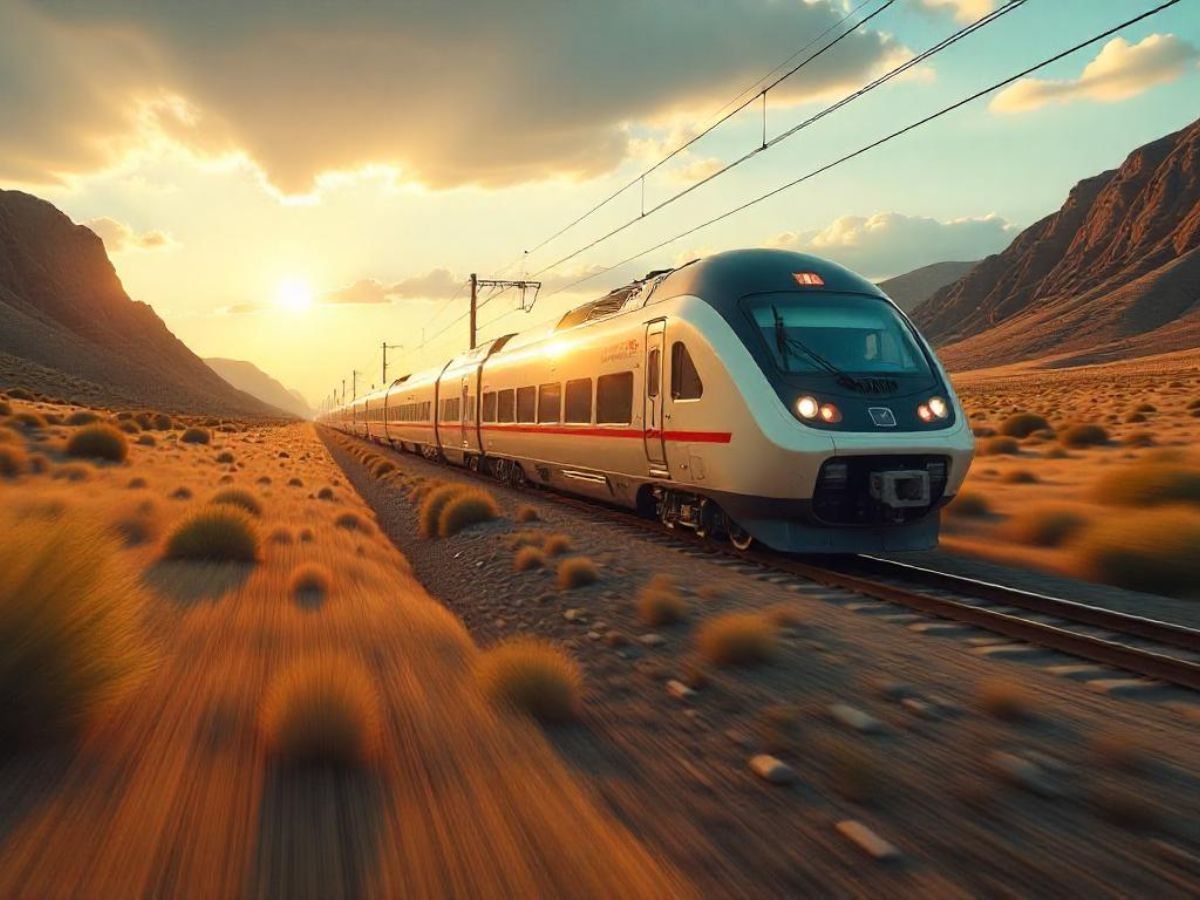

The Mumbai-Ahmedabad Corridor, India’s First High-Speed Rail Project, Advances with Shinkansen Technology and Japanese Financing, Promising to Revolutionize Transportation and Boost the Economy. The construction of the high-speed train with 508 km and an investment of US$ 13 billion will have sections ready by 2026 to revolutionize transportation in the country
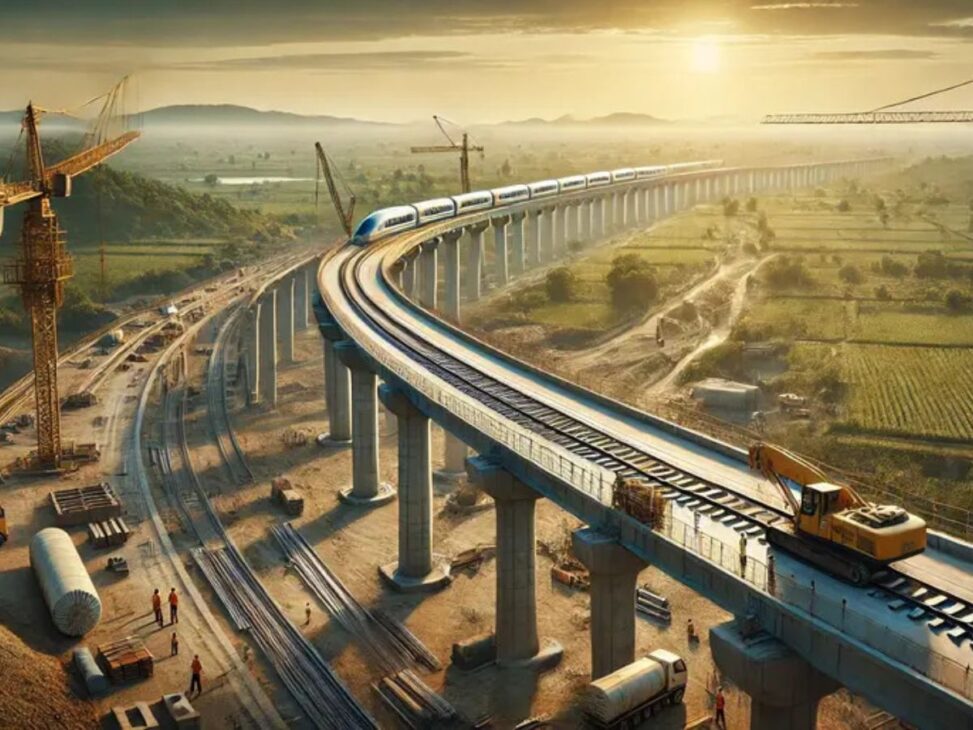
India is progressing with a historic infrastructure project, the Mumbai-Ahmedabad High-Speed Rail Corridor (MAHSR). Commonly known as the country’s first bullet train, the endeavor is a testament to the strong strategic partnership between India and Japan. Although still under construction, the project has already achieved significant milestones and promises to transform intercity travel.
Understand the details of the MAHSR project, from the Indo-Japanese collaboration and the technology employed to the economic impacts and the future vision for modernizing the Indian railway network.
India’s First Bullet Train, the Vision and Impact of the Mumbai-Ahmedabad Corridor
The MAHSR project is India’s first foray into high-speed rail technology. With 508 km in length, it will connect Mumbai, the country’s financial hub, to Ahmedabad, a major industrial center. The expectation is that the bullet train will reduce travel time between the two cities from the current 6-7 hours to approximately 2 hours.
-
Thailand Converts 8 Tons of PET Bottles into 3,500 School Backpacks, Showcasing Circular Economy with Over 40 Factories Involved

-
Mysterious Bats Spotted in Paris’s Père Lachaise Cemetery, Drawing Tourists to the “Vampire Cemetery”

-
From Selling Street Food to Leading a $300 Million Construction Firm: The Journey of a Brazilian Entrepreneur

-
Abandoned Penthouse in Houston Reveals Million-Dollar Suite with 24-Karat Gold, Tiffany Crystals, and Opulence Even Elvis Might Have Snubbed



The project is in advanced stages of construction. The inauguration of the first segment, between Surat and Bilimora, is expected in 2026, with the full line to Mumbai fully operational by 2028. The corridor will feature 12 stations, and trains will reach a maximum speed of 320 km/h.
The India-Japan Alliance, Shinkansen Technology and Financial Support as Project Pillars
Japan is an indispensable partner in the project, providing financial and technical assistance. About 81% of the total cost is funded by a low-interest loan from the Japan International Cooperation Agency (JICA), with highly favorable terms: interest rate of 0.1% per year and a repayment period of 50 years, with a 15-year grace period.
India is utilizing Japan’s renowned Shinkansen technology, including rolling stock and track and signaling systems. The project also has a strong component of the “Make in India” initiative, involving technology transfer for local manufacturing of components and training approximately 1,000 Indian engineers in specific Shinkansen techniques.
Milestones in the Construction of the Bullet Train Mumbai-Ahmedabad
The construction of the bullet train Mumbai-Ahmedabad has achieved impressive milestones. By the end of 2024, 100% of the necessary land acquisition has been completed, overcoming one of the project’s biggest initial challenges. Over 70% of civil works were already at advanced stages by 2025.
The infrastructure includes 465 km of viaducts, 28 steel bridges, and 24 river bridges. One of the greatest engineering feats is the construction of India’s first underwater railway tunnel, measuring 7 km in length. The construction employs cutting-edge digital technologies such as Artificial Intelligence (AI), LiDAR, and robotics to enhance efficiency and safety.
Economy, Jobs, and Sustainability
The MAHSR project is positioned to deliver substantial economic and social benefits. The bullet train is projected to boost the economy by 2.7%, strengthening the connection between the hubs of Mumbai and Ahmedabad.
The project has already created thousands of direct and indirect jobs and will create more positions during the operational phase. It is also expected to boost tourism and real estate development along the corridor. In terms of sustainability, the bullet train emits significantly less CO₂ per passenger-kilometer than cars or airplanes, and its stations are designed to be environmentally friendly.
The MAHSR as a Pilot Project for a National High-Speed Network


The Mumbai-Ahmedabad corridor is just the beginning of a larger vision. It serves as a pilot project for India’s future high-speed rail network, known as the “Diamond Quadrilateral”, which aims to connect the country’s four megacities: Delhi, Mumbai, Kolkata, and Chennai.
The project aligns with the National Railway Plan 2030, which aims to create a rail system that is “future-ready.” India is also already working on the development of its own high-speed trains, aiming to become self-sufficient and a global leader in high-speed rail.