






 Portuguese
  Spanish
  4 min of reading
  0 comments


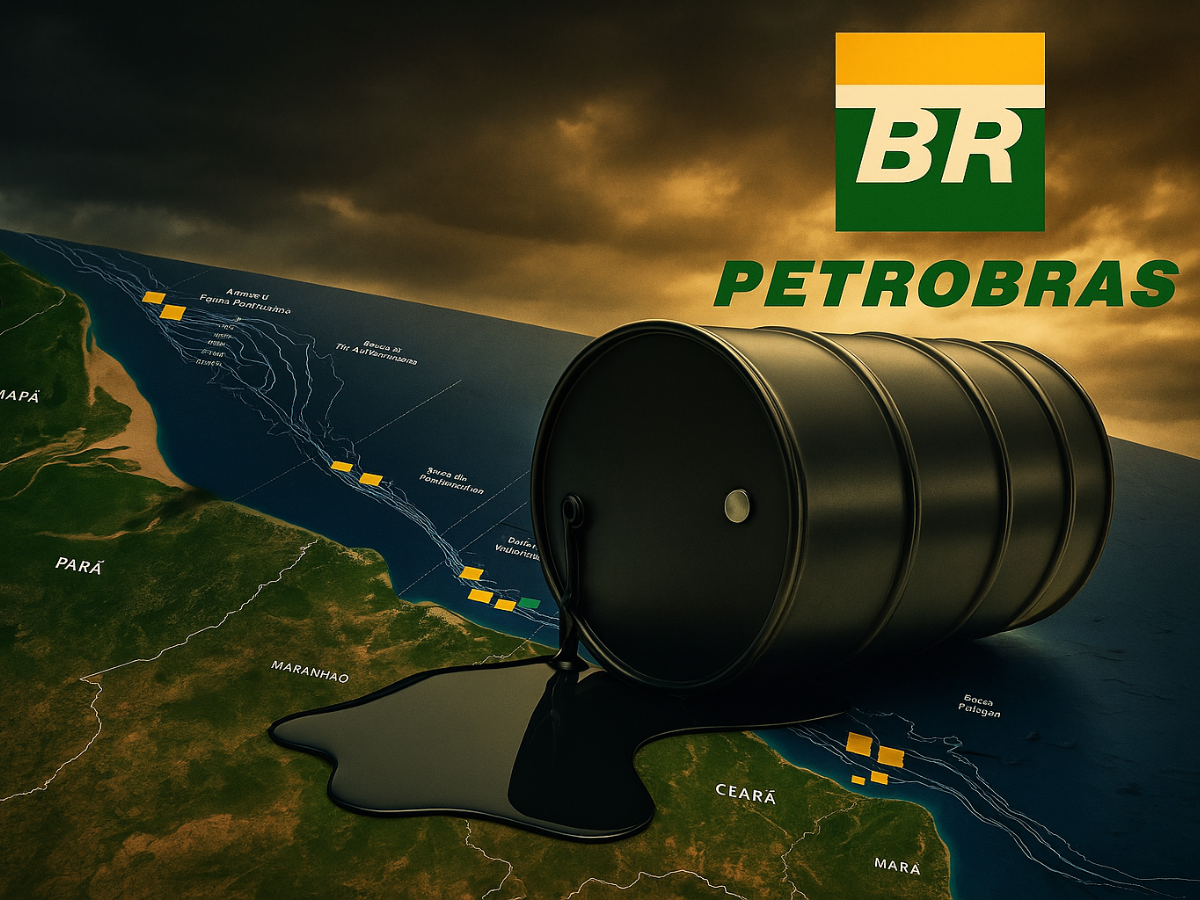
Giants Like BP, Shell and Petronas Compete with Petrobras for Exploration of the Equatorial Margin, the New Oil Frontier of Brazil, Amidst Intense Environmental and Strategic Debate
The Brazilian equatorial margin has become the stage for one of the most important resource disputes of the 21st century. This vast exploratory frontier, which extends along the northern coast of the country, promises to be Brazil’s next major oil province. However, its exploration takes place amidst a complex backdrop of environmental, regulatory, and geopolitical challenges.
This article analyzes the race among giants like BP, Shell, and Petronas, alongside Petrobras, to unlock the potential of the so-called “Blue Amazon.” We explore what is at stake, the licensing challenges, and the profound socio-environmental impacts of this new frontier.
What is the Equatorial Margin and the Blue Amazon?
The Brazilian equatorial margin is an area of over 2,200 kilometers along the coast, from Amapá to Rio Grande do Norte, encompassing five sedimentary basins: Foz do Amazonas, Pará-Maranhão, Barreirinhas, Ceará, and Potiguar. Geologically, it is seen as analogous to the basins of the West African Margin, where significant discoveries have been made in countries like Guyana and Suriname.
-
Oil production grows in Rio, but reserve replacement raises a warning sign

-
Petrobras is expected to complete the drilling of the Morpho well in the Foz do Amazonas in August 2026, the first well in the Equatorial Margin, an oil frontier that the ANP estimates at more than 30 billion barrels and could redraw the map of Brazil.

-
Oil returns to the center of concerns with tension between the US and Iran

-
IEA reduces forecast for global oil demand in 2026 after impacts of the Middle East crisis
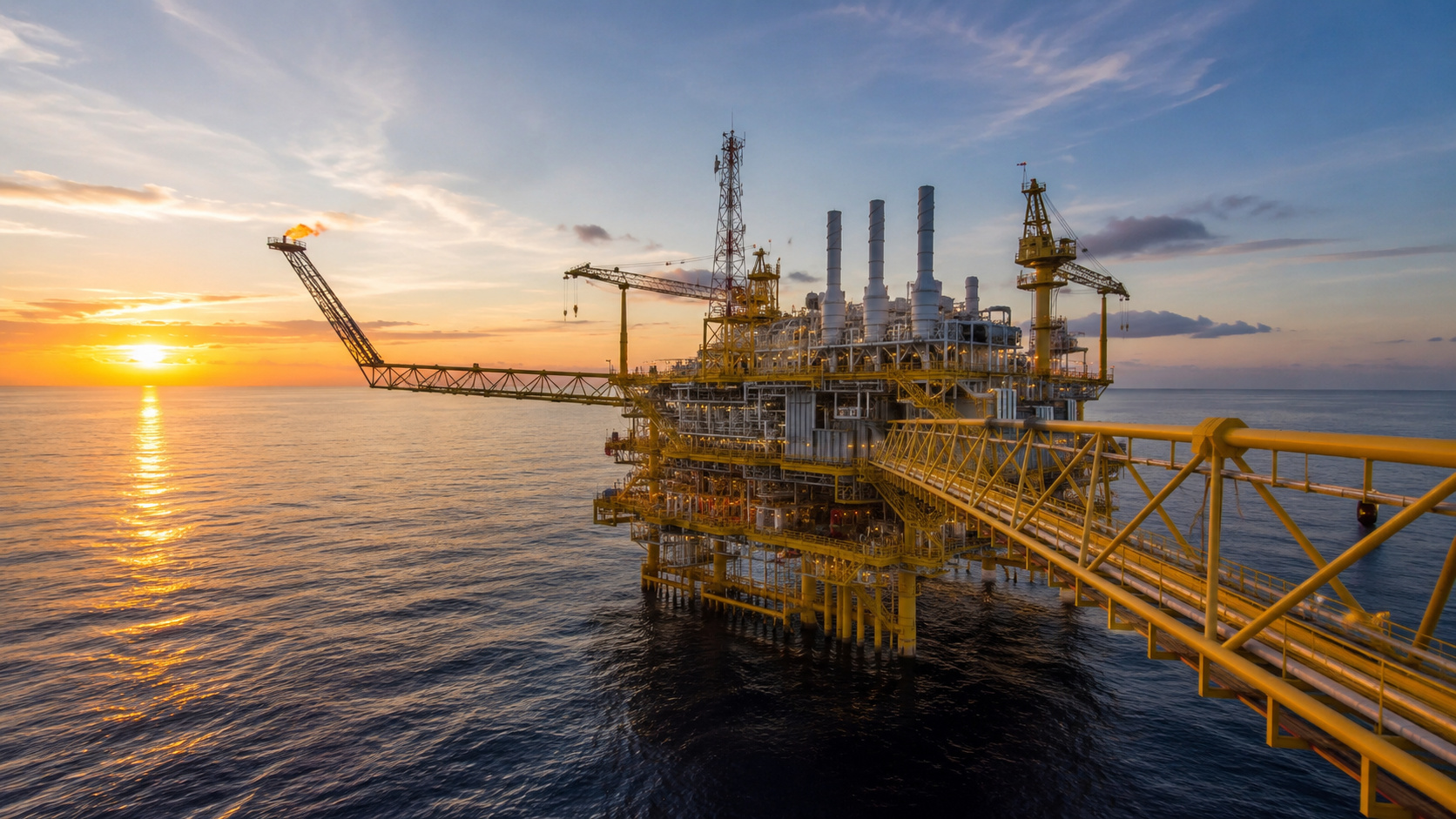


The potential of the region is immense, with estimates suggesting over 30 billion barrels of oil “in place.” The exploration of this area, inserted in the so-called “Blue Amazon” (Brazil’s exclusive economic zone), is viewed as strategic to ensure the country’s long-term energy security by diversifying production beyond the pre-salt layer.
Petrobras, BP, Shell, and Petronas in the Equatorial Margin

International interest in the equatorial margin intensified with the 11th ANP Bidding Round in 2013, attracting giants such as Total, BP, Chevron, and ExxonMobil. Currently, Petrobras is leading drilling efforts, focusing on block FZA-M-59, in the Foz do Amazonas Basin. Obtaining the license for this block is seen as a game changer for the region’s future.
Other international giants, however, appear to be taking a more cautious approach. BP, which won a block in the Foz do Amazonas in a consortium, has reported little recent exploratory activity.
Shell seems to have redirected its focus to the Pelotas Basin in southern Brazil, a less environmentally controversial alternative. The presence and specific plans of Petronas in the region also remain unclear.
IBAMA and the Regulatory Challenges
While the ANP grants the blocks, it is IBAMA (Brazilian Institute of Environment and Renewable Natural Resources) that is responsible for environmental licensing. Due to the high ecological sensitivity of the equatorial margin, especially in the Foz do Amazonas, IBAMA has adopted an extremely rigorous technical stance.
The process requires complex Environmental Impact Studies (EIA/RIMA) and robust contingency plans. The lack of a prior Strategic Environmental Assessment (AAE) for the entire region before the bidding of the blocks is a recurring criticism of the Brazilian model, as it leads to fragmented debates, project by project, increasing uncertainties and conflicts.
The Socio-Environmental Risks of Exploration
Oil exploration in the equatorial margin poses significant risks. In the Foz do Amazonas Basin, a potential spill could be quickly dispersed by strong currents, threatening the largest continuous belt of mangroves on the planet, the newly discovered Amazônia Corals, and the waters of neighboring countries such as French Guiana.
Socially, the main concern is the impact on artisanal fishing, the primary source of income and food security for thousands of coastal families. Exploration may also affect Extractive Reserves, Indigenous Lands, and Quilombola Territories. The public debate between the promised economic benefits and socio-environmental risks is intense and polarized.
The Future of the Equatorial Margin, Between the Promise of Wealth and the Imperative of Sustainability


The exploration of the equatorial margin is often justified as essential for Brazil’s energy security. However, it occurs in a scenario of global energy transition, raising the risk that vast investments in fossil fuels may become “stranded assets” in the future.
The path forward for the equatorial margin is uncertain. It may range from accelerated exploration, should Petrobras’s license be approved, to a more restrictive scenario, with the blocking of projects in critical areas. The challenge for Brazil is to reconcile economic development with environmental protection and social justice, defining the future of what is one of the last major oil frontiers in the world.







-

2 people reacted to this.