





 Portuguese
  English
  Spanish
  4 min of reading
  0 comments



Promising Fertilizers and Energy Autonomy, the Project for Brazil’s Future Largest Uranium Mine Faces Strong Resistance from Communities and Scientists Who Warn of Contamination Risks and Water Shortages.
In the hinterland of Ceará, a large-scale mining project puts two opposing visions of the future on a collision course. On one side, the promise of development, self-sufficiency in fertilizers and energy. On the other, the fear of an environmental and social disaster. This is the Santa Quitéria Project (PSQ), planned to be the largest uranium mine in Brazil, and is currently the center of an intense technical, legal, and human debate.
Located in the Itataia deposit, between the municipalities of Santa Quitéria and Itatira, the venture proposes the exploration of a mineral that combines phosphate and uranium. While its advocates see it as a pillar for national sovereignty, a broad opposition front, formed by local communities, researchers, and public institutions, warns of risks they consider unacceptable.
What Is the Santa Quitéria Project and Who Is Behind It?
The project is an initiative of the Santa Quitéria Consortium, a partnership between the state-owned Indústrias Nucleares do Brasil (INB), which holds the exploration rights, and the private company Galvani Fertilizantes. The total planned investment is R$ 2.3 billion for the construction of a mining-industrial complex.
-
China confirms the existence of a never-before-seen mineral, found in a deposit with a concentration 80 times above the global standard, which promises to reshape the battery industry and the global competition for strategic minerals.

-
The northern region of Santa Catarina could become a new hub for strategic minerals after the Geological Survey of Brazil found high concentrations of rare earths in Joinville and Garuva, with a focus on neodymium, used in magnets that drive electric motors and turbines, although mining still depends on further studies.

-
Rare earth mining in Minas becomes a legal case after suspicion of radioactivity above the limit and may change the course of licensing.

-
Illegal gold from the Amazon gains an appearance of legality with empty authorizations and moves a fortune that challenges federal oversight.
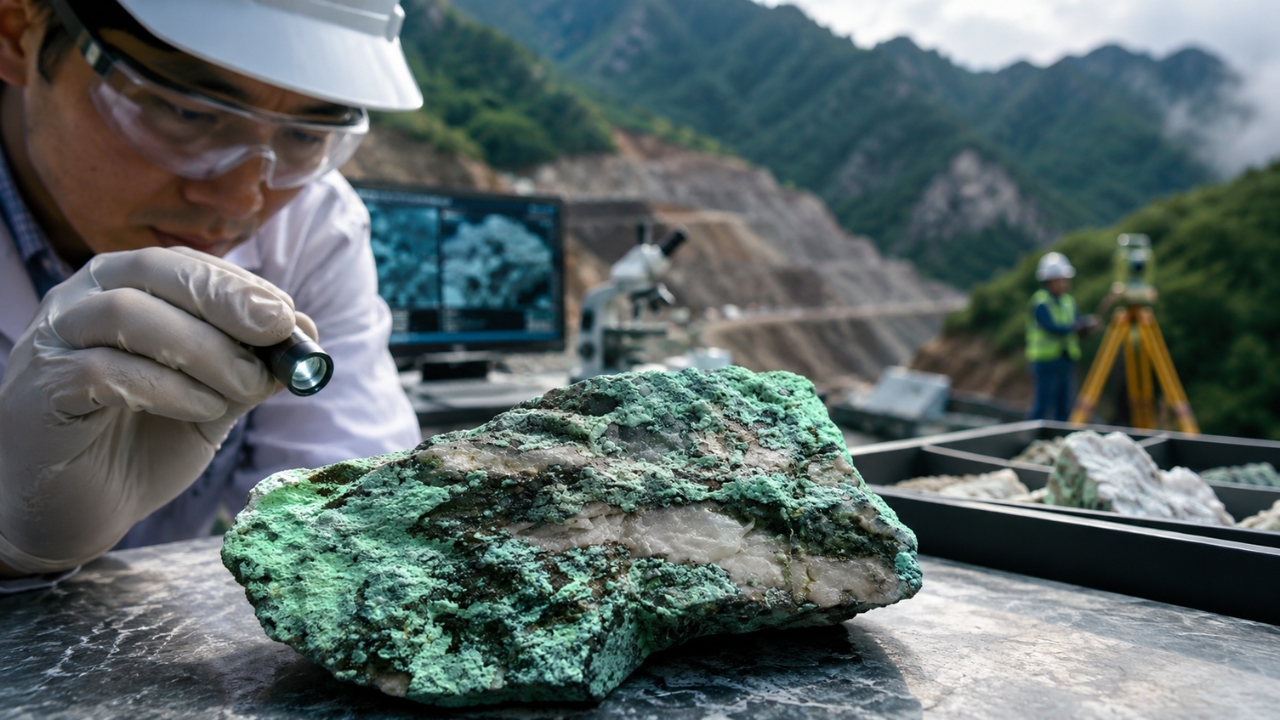
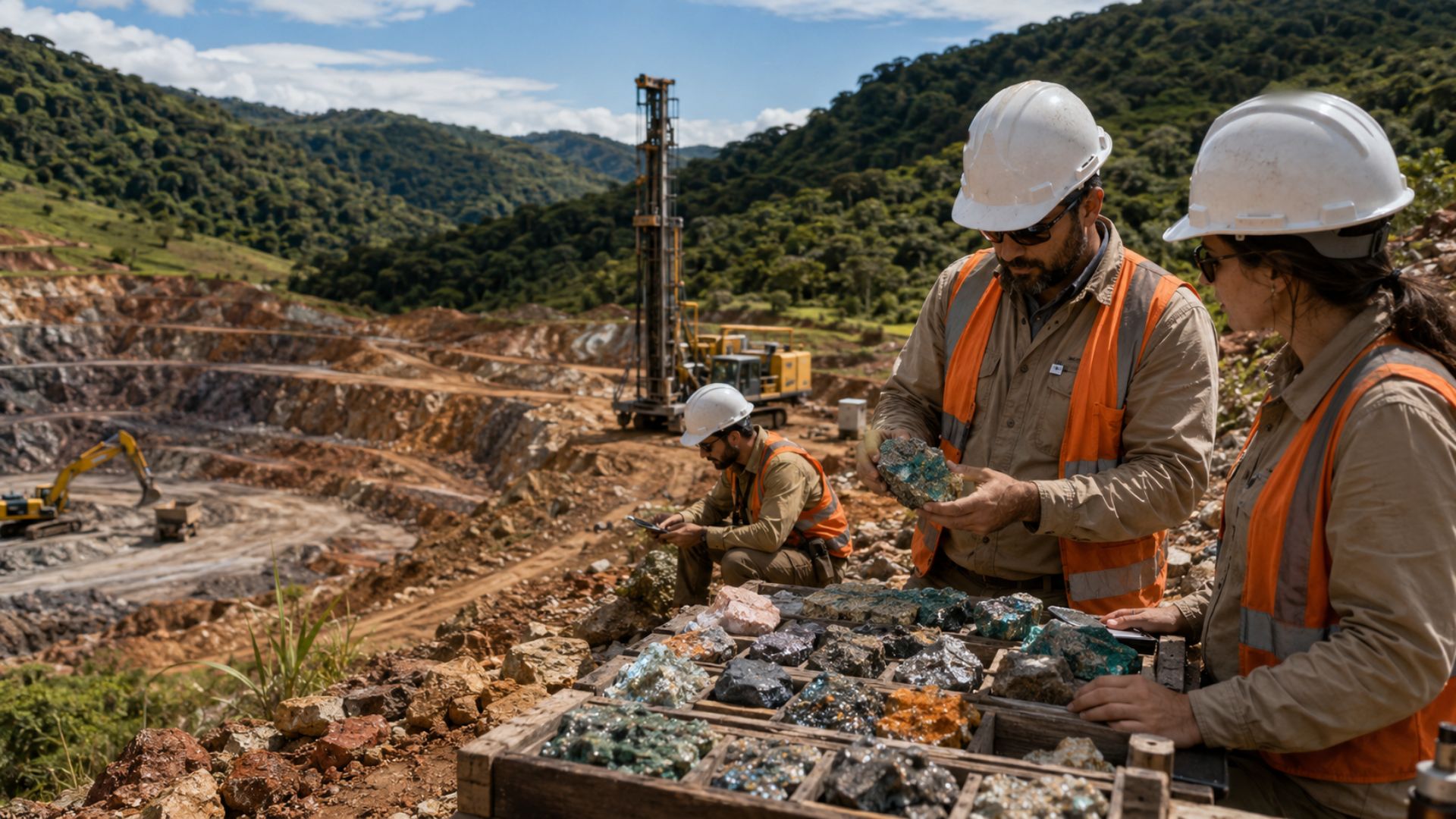


The projected annual production is 1.05 million tons of phosphate fertilizers, 220 thousand tons of phosphate for animal feed, and 2,300 tons of uranium concentrate. The uranium, known as “yellowcake”, would be used to supply the nuclear plants in Angra dos Reis (RJ).
The Water Dispute, the Central Point of the Conflict in the Semiarid Region
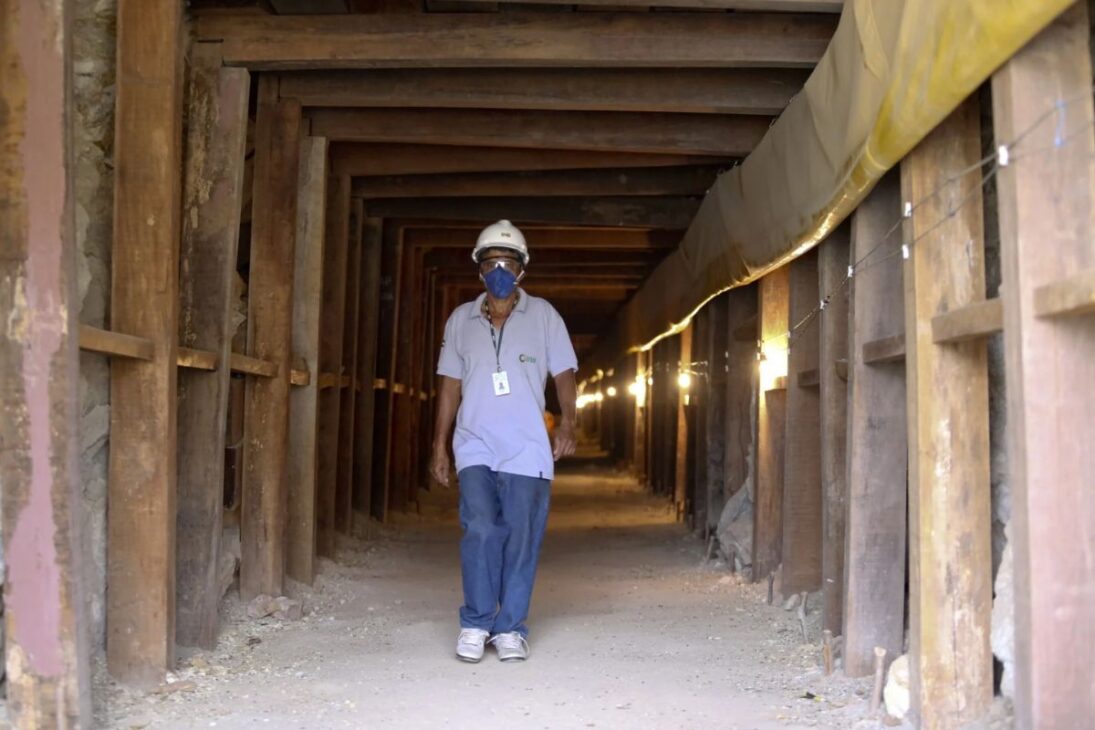
Perhaps the most critical point of the project is the use of water. In a semiarid region where water security is a constant concern, the project anticipates a consumption of up to 1,036 cubic meters of water per hour. This volume would be drawn from the Açude Edson Queiroz, the main reservoir supplying the region.
For local communities and opponents, this demand is unsustainable. The volume amounts to 54 water trucks per hour, a quantity that, according to them, would privatize a common good vital for human consumption and subsistence agriculture, generating an imminent conflict over the resource.
The Health and Environmental Risks Highlighted by Science
The most forceful criticism of the project comes from academia. A technical-scientific report produced by more than twenty researchers from the Federal University of Ceará (UFC), at the request of the Public Prosecutor’s Office, concluded that the Environmental Impact Study (EIA/RIMA) by the consortium contains “critical omissions and inadequacies”.
The UFC study warns of risks of air, soil, and water contamination by toxic dust and heavy metals, as well as radioactivity. The researchers point out serious flaws in the analysis, such as the lack of a study on existing radiation levels in the fauna and flora, making it impossible to monitor the future impact of the venture.
The History of the Other Uranium Mine in Brazil
Distrust regarding the consortium’s safety promises is fueled by the history of the only other uranium mine in Brazil in operation, located in Caetité, Bahia, and also managed by INB. The Bahian experience, operating since 2000, is marked by reports of contamination and accidents.
Reports from organizations like Greenpeace, dating back to 2008, already pointed to the contamination of water wells by uranium in Caetité. This precedent is used by the opposition to challenge INB’s credibility and transform the debate from projections to an analysis of already occurred facts.
The Deadlock in Licensing, a Battle of Reports and Hearings
The licensing of the Santa Quitéria Project is complex and has dragged on for years. In February 2019, IBAMA even archived the process, deeming the project environmentally unfeasible, primarily due to water issues. However, in 2020, the consortium presented a new study, restarting the process.
Currently, the project is under IBAMA’s analysis for the granting of the Preliminary License. In May 2024, the National Commission on Nuclear Energy (CNEN) granted a “Location Approval”, an initial step in nuclear licensing, but which does not guarantee the environmental license. The public hearings, held in March 2025, were marked by strong protests, and IBAMA’s final decision is still awaited.






-

1 person reacted to this.