






 Portuguese
  Spanish


The giant parrot kakapo, considered the heaviest parrot in the world, almost disappeared from New Zealand after the arrival of predators such as feral cats, rats, and weasels. In 1995, only 51 individuals remained, and scientists initiated an extreme program with genetics, isolated islands, and controlled management to prevent the extinction of the species.
The giant parrot kakapo, considered the heaviest parrot in the world, almost disappeared from New Zealand after the arrival of predators such as feral cats, rats, and weasels. The case was shown in a video published on 06/13/2026 and recalls that in 1995, only 51 individuals remained, leading scientists to initiate an extreme program with genetics, isolated islands, and controlled management to prevent the extinction of the species.
In a video released by the Mega Constru channel, the strategy involved removing the birds from the wild, taking them to isolated islands, eliminating predators, protecting nests, controlling feeding, monitoring genetics, and even using 3D-printed fake eggs. The effort spanned decades and transformed the kakapo into one of the most complex conservation cases on the planet.
A parrot that seems to have come from another world
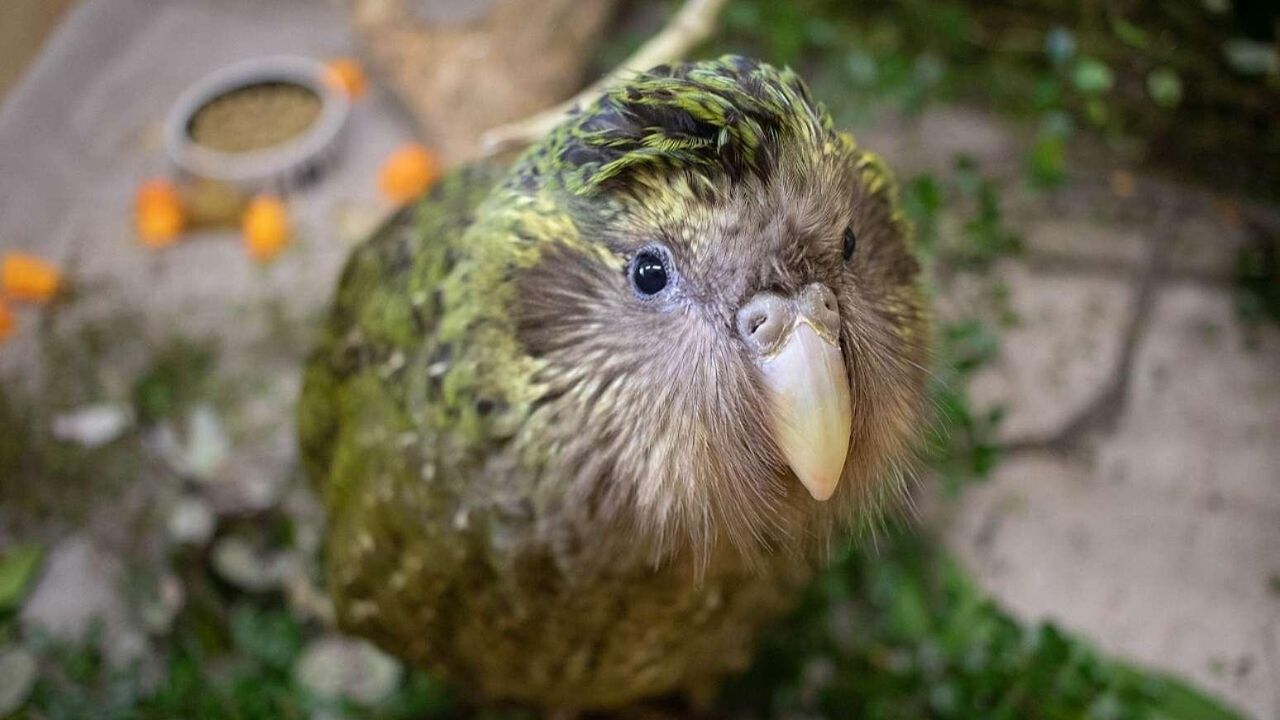
The kakapo is a rare bird even by nature’s standards. It can weigh up to 4 kg, does not fly, lives on the ground, has nocturnal habits, and exudes a smell described as similar to honey mixed with tree resin.
-
German Engineer Developed Diesel Engine Running on Vegetable Oil Decades Before Electric Cars Became Popular; Can This Forgotten Idea Work in 2026?

-
James Webb Telescope Uncovers Unexpected Clues on Mysterious Moon, Potentially Redefining Planetary Origins

-
$1.5 Billion Sleipnir Vessel Transforms Ocean into Floating Construction Site with 12 Hybrid Engines and Capacity to Lift 20,000 Tons

-
23 Years After Tragedy, Brazil’s Alcântara Space Center to Launch New Suborbital Rocket in 2026 with South Korean SEBIT Project Targeting Near-Space Tests


This combination of characteristics made the animal fascinating but also extremely vulnerable. In an environment without terrestrial mammalian predators for millions of years, staying still and camouflaging among mosses was a good defense against birds of prey. With the arrival of predators guided by smell, it became almost a sentence.
Giant parrot was defenseless against new predators
For about 60 million years, the New Zealand archipelago had no land mammal predators. Therefore, the giant parrot developed a simple behavior in the face of danger: stop, hide, and rely on its green plumage.
The problem began when humans introduced invasive species. Cats, rats, and weasels completely changed the ecosystem’s logic. For animals that hunt by smell, a heavy, aromatic, and immobile bird was too easy a prey.
Species seemed lost in the 1970s
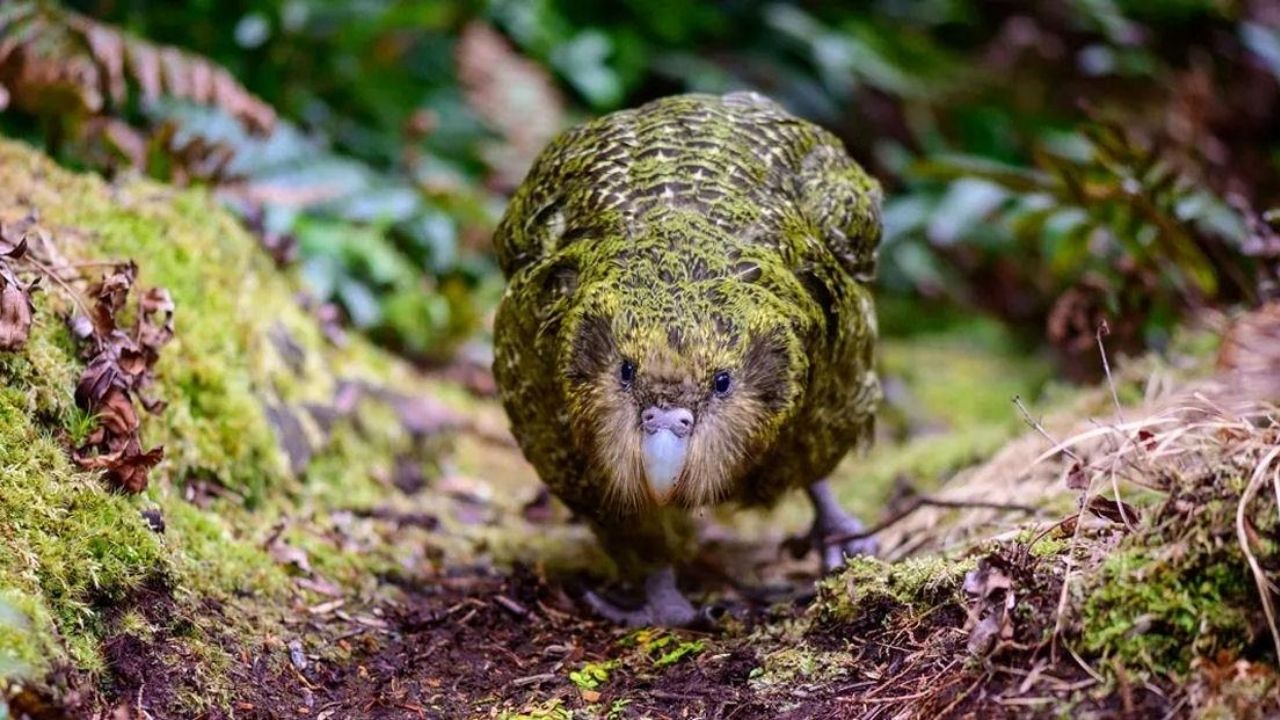
In the 1970s, scientists came to believe that the kakapo might be extinct. In 1974, 18 survivors were found in very isolated areas, but there was a serious problem: they were all males.
Years later, a small population with females was located on Stewart Island. The discovery brought hope but also urgency, as feral cats were hunting these birds at an alarming rate. The decision was to remove all possible individuals from the wild.
Last 51 were taken to remote islands
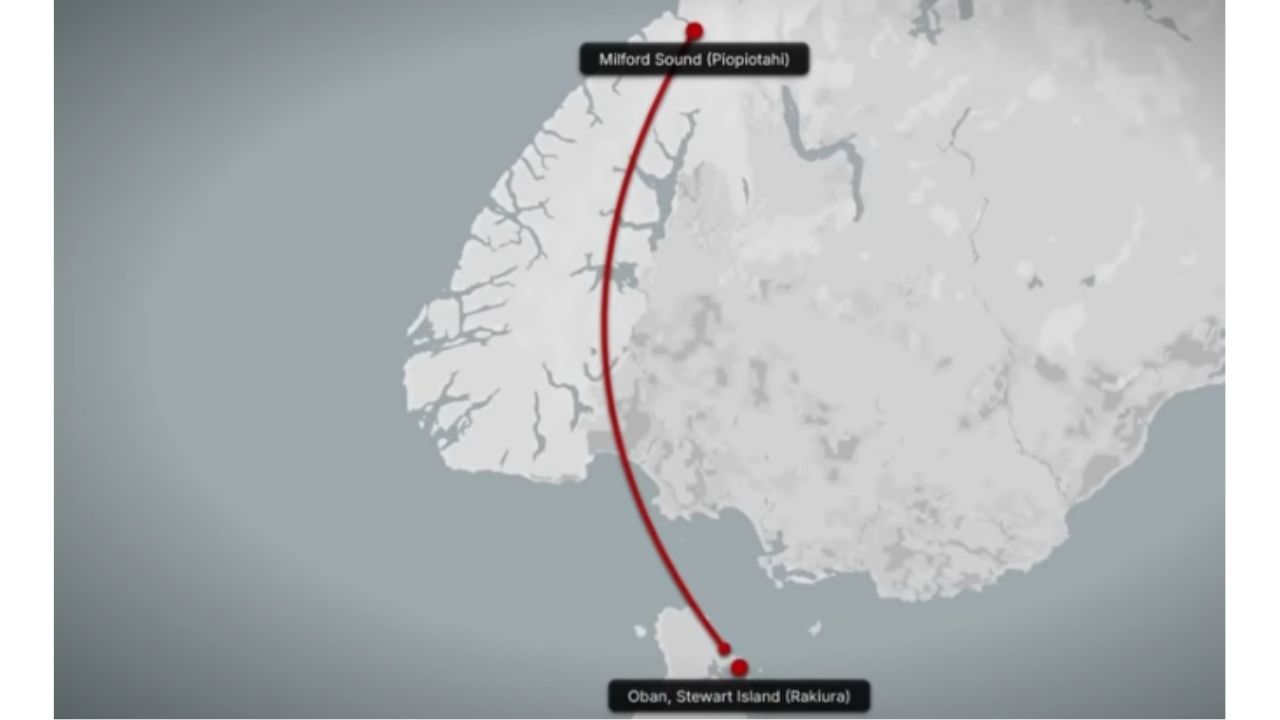
In 1995, the last 51 known kakapos were transferred to distant, predator-free islands. The idea was to create a total refuge where the giant parrot could reproduce away from the threats that almost wiped it out.
The control was strict. Equipment brought to the islands had to be disinfected, and human access was limited. In theory, all it needed was safety, food, and time for the population to grow. In practice, nature did not respond as scientists expected.
Safety was not enough to produce offspring
Even in protected locations, reproduction remained difficult. Between 1980 and 1995, only three chicks survived among all the nesting efforts cited in the source.
Part of the problem came from rats, which did not attack the adults but destroyed the eggs. After that, the conservation islands underwent actions to eliminate these predators. The nests gained extra protection, but a new mystery appeared: the birds simply stopped nesting.
The secret was in the rimu fruit
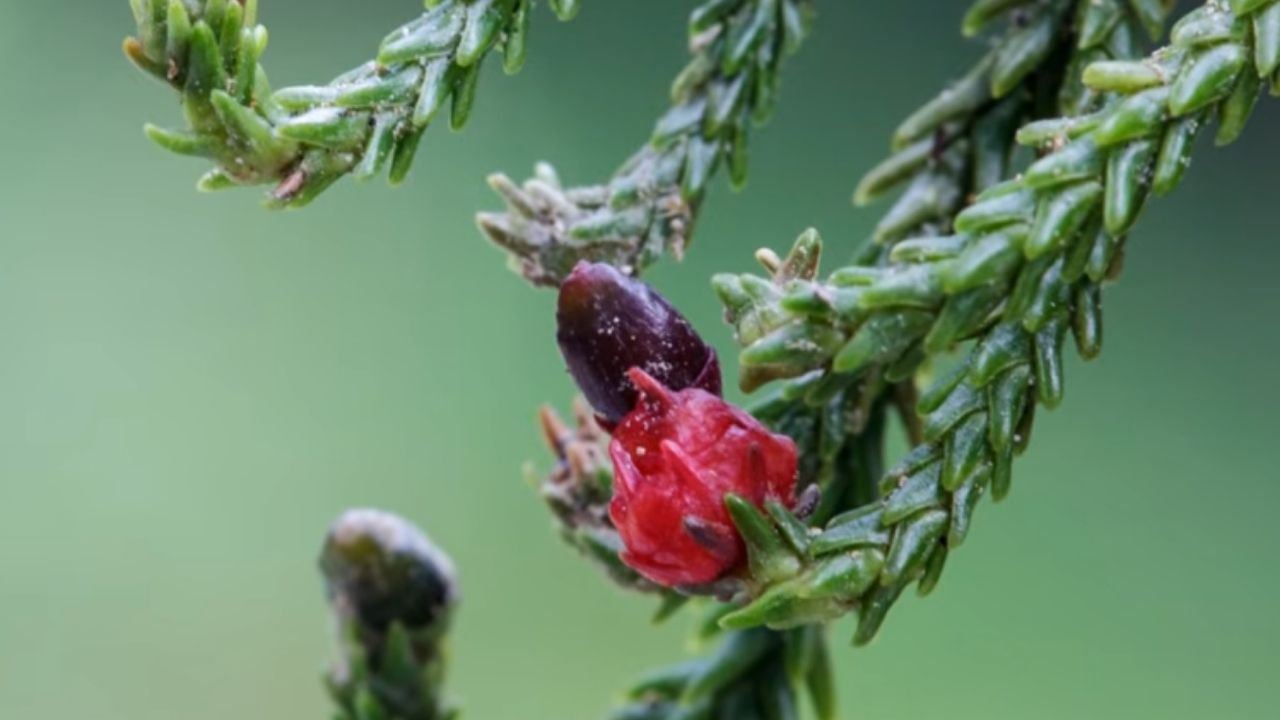
Scientists took years to understand that the kakapo depended on a very specific environmental signal: the rimu, a native New Zealand tree that can live for centuries and bears fruit in large quantities only every two to six years.
The rimu fruit proved decisive because it contains important nutrients, such as calcium and vitamin D3. For females, this abundance acts as a biological trigger to form eggs and start reproduction. Without enough rimu, the species does not respond just to artificial food.
Controlled diet changed the outcome
In 2002, when the rimu produced many fruits on one of the islands, reproduction finally advanced. Scientists reinforced the artificial feeding of the females, imagining that stronger birds would lay more eggs and have more chicks.
The strategy worked, but it brought an unexpected effect: about 70% of the chicks were male. Since males are larger and require more energy to grow, the excess food influenced the sex ratio. The solution was to reduce the rations to better simulate natural nutrition.
Giant parrot required dietary precision
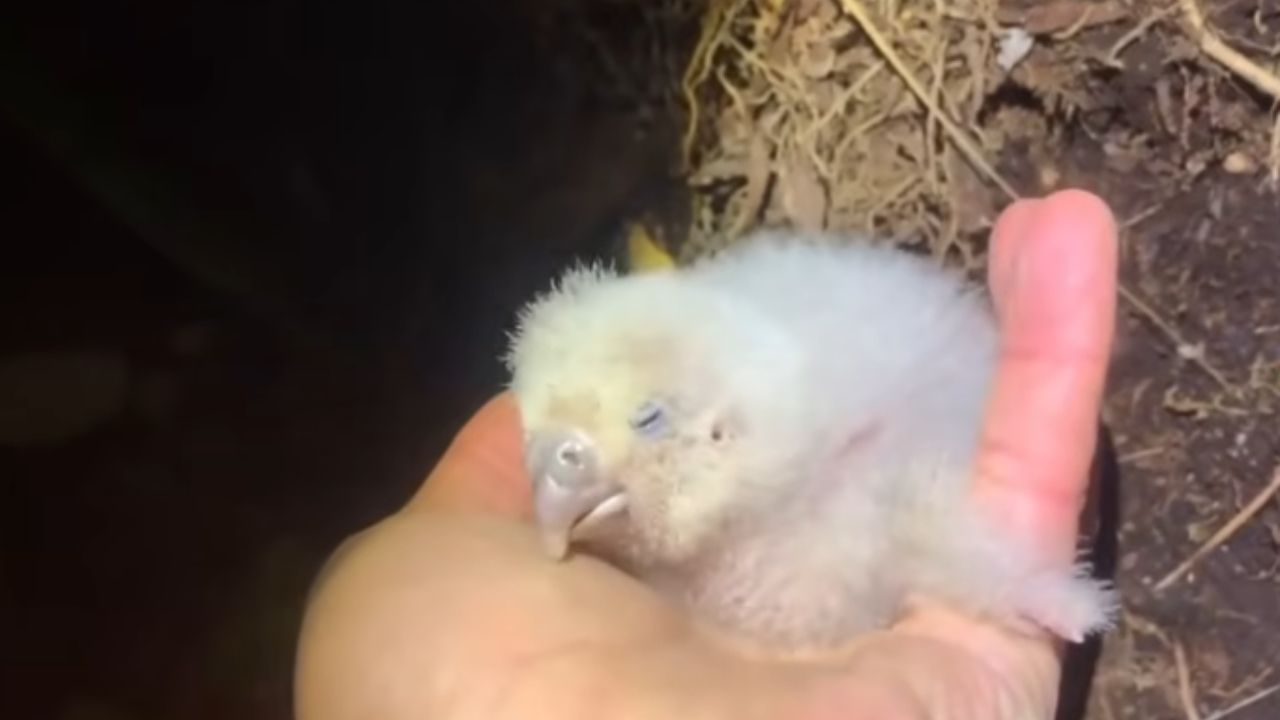
The case showed that saving the giant parrot was not simply about feeding more. It was about feeding just right, without letting the females accumulate excess fat.
After the nutritional adjustment, the proportion between males and females returned to a more balanced level, close to 50% for each sex. In the 2002 breeding season, the population grew by 39%, showing that small changes in management could alter the future of the species.
Genetics became a central part of the rescue
As the population had drastically declined, scientists also began to face a genetic bottleneck. The source cites that the entire population retained only 36 genetic lines, which required extreme care to plan crossings.
Each individual became extremely valuable to the program. It was not just about counting birds, but understanding which combinations could maintain enough diversity to avoid future problems. The kakapo became a species monitored almost individually, with name, history, and weight closely tracked.
Fake eggs helped save real chicks
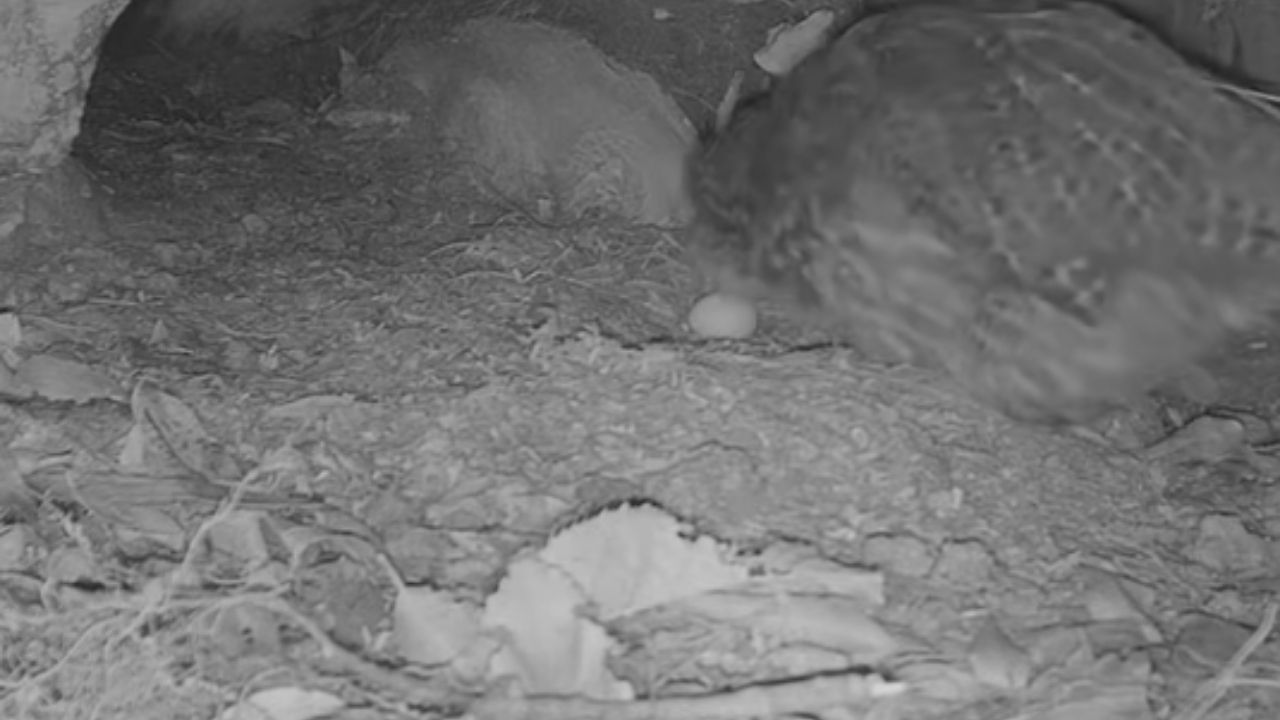
One of the most curious solutions was the use of fake eggs. When a female laid an egg, guards replaced it with a 3D-printed replica, created with specific weight and even a small internal speaker.
Near the expected hatching date, the fake egg emitted chick sounds, preparing the mother to receive the real offspring. The technique allowed for artificial incubation and, in some cases, helped the female conserve energy for a new laying.
The year 2019 became a reproductive milestone
In 2019, the program recorded significant progress. Up to 30 females nested twice, and 73 fully feathered chicks left the nest in the same year, according to the source.
The result was celebrated as a record, but it also revealed how each victory depends on a complex chain: abundant rimu, adjusted feeding, monitored genetics, protected eggs, and constant vigilance. Nothing in the kakapo rescue happened by chance.
A viral male showed the personality of the species
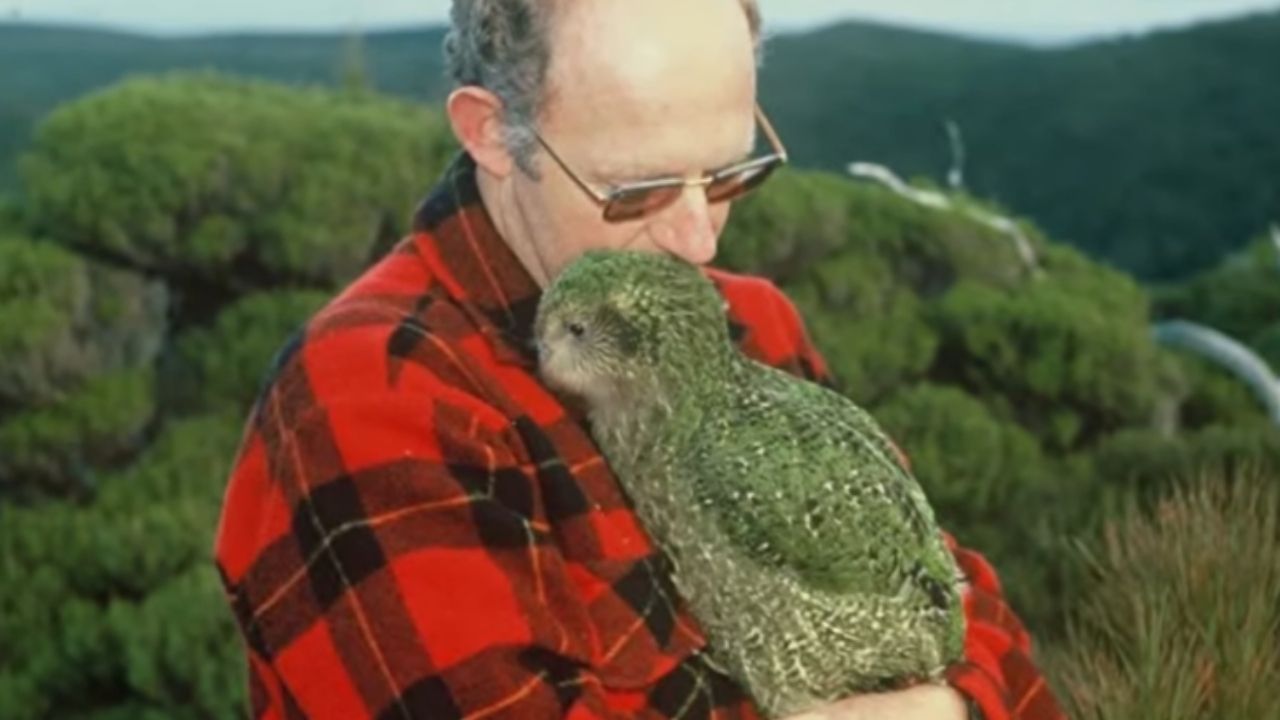
The kakapo also became known for its personality. The most famous case is Sirocco, a hand-raised male who became a worldwide phenomenon after appearing on a television show and starring in an unexpected scene with an ornithologist.
Instead of hiding the episode, the New Zealand government turned Sirocco into the official ambassador of the species. He came to represent the kakapo to the public, showing that these birds are not just numbers in reports but individuals with their own behavior.
Disease showed that the risk still existed
Even after the 2019 record, the program faced a new shock. An outbreak of aspergillosis, a disease caused by fungus, hit Codfish Island, cited in the source as Cotfish, and exposed the fragility of a small and genetically limited population.
In total, 21 birds were infected and nine did not survive. For treatment, 51 individuals had to be urgently taken to the mainland. The number symbolically repeated the critical mark of 1995 and showed that decades of work could still be threatened by a single pathogen.
Return to the mainland brought another challenge
In 2023, part of the program advanced to a new stage: taking 20 males to the Maungatautari mainland reserve, protected by a metal fence against predators up to 50 km long.
But the kakapo surprised again. Six of the ten birds from the first group climbed a nearly 2-meter fence using their beak and claws. Authorities had to recapture them and adjust the barrier design. Even protected, the animal continued to impose limits on human plans.
Population began to grow again after decades
The source points out that, in the most recent breeding season cited, the rimu produced fruit in exceptional quantity. Eighty nests were formed, with 256 eggs and 95 chicks that hatched in a few months.
The most important advance is in the number of breeding females. In 1995, the program had only 20 females. After decades of management, this number reached 83, while the total population hovers around 247 individuals.
Conservation turned into technology and patience


The story of the kakapo shows that modern conservation does not rely solely on good intentions. It requires data, logistics, technology, genetics, nutrition, and daily monitoring.
It also requires humility to accept that the species does not always respond as humans imagine. The kakapo refused to breed without rimu, changed sex ratio with excess food, escaped fences, and forced scientists to revise strategies several times.
The future is to return autonomy to the species
According to the source, the ultimate goal of the program is not to keep the kakapo under human control forever. The long-term mission is to allow the giant parrot to walk and reproduce in primary forests, with less direct intervention.
This is the most delicate point. After decades of increasing control to prevent extinction, the challenge will be to do the opposite: reduce human dependence without exposing the species again to the risks that almost wiped it out.
The case raises a difficult question: how far should human intervention go to repair damage caused to the natural world? Do you think technology, extreme management, and patience can save other species on the brink of extinction? Leave your opinion in the comments.


