Portuguese
  Spanish


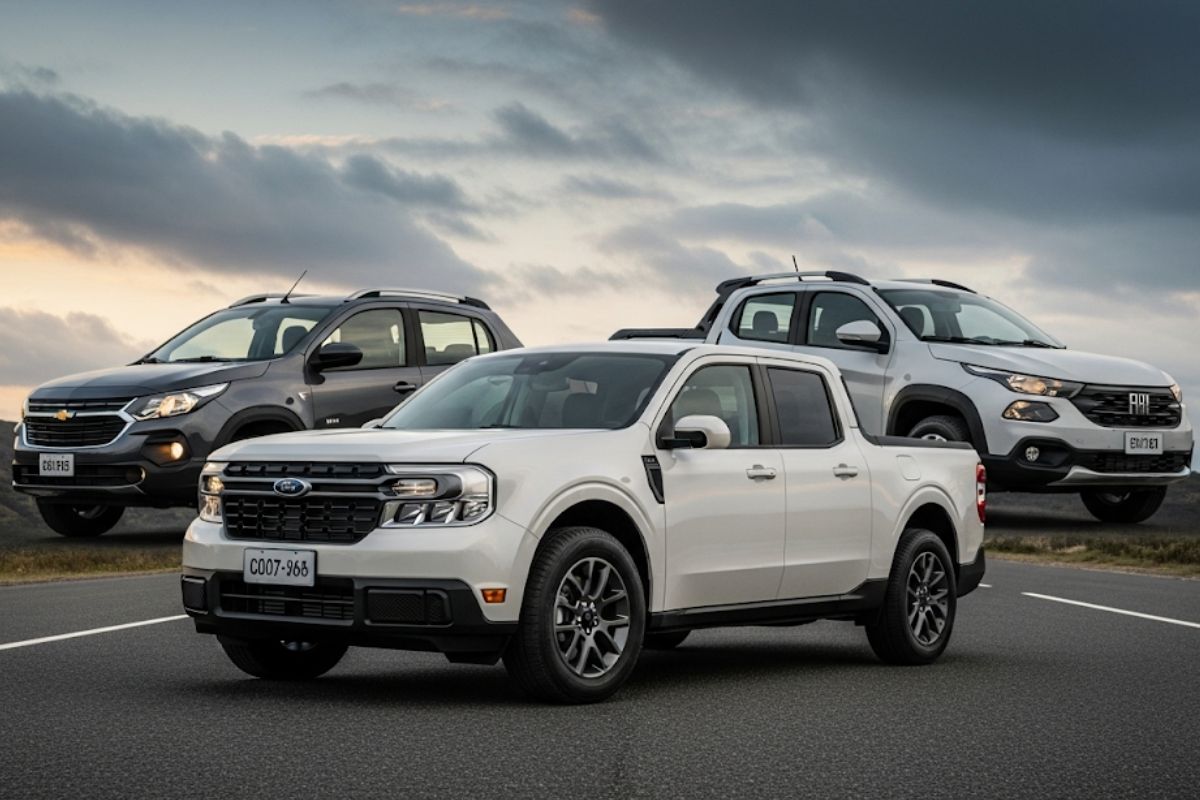


Ford Studies Launching a New Compact Ford Pickup Based on a European SUV to Compete in Brazil. Discover the Platform, Strategy, and Challenges of the Project.
The Brazilian compact pickup market is one of the hottest and most competitive. With the exit of the Ford Courier, the brand has left a gap in its portfolio. Now, speculation points to the development of a new Ford pickup, positioned below the Maverick.
This article analyzes the viability and strategic potential of this new Ford pickup. We will explore the platform that could be used, the current competitive landscape and the challenges the brand would face to launch a new sales success in Brazil.
The Legacy of the Courier and the Origin of Speculation About a New Ford Pickup
Ford has a significant history in the segment with the Ford Courier. Based on the Fiesta, the Courier won customers with its robustness and load capacity. Its discontinuation left a space that the brand has not yet filled with a direct replacement.
-
1.5 Engine Dominates Chinese Cars for Decades with Billion-Dollar Strategy Focused on Tax, Advanced Technology, Over 40% Efficiency, and Aggressive Global Expansion

-
Chevrolet Unveils Onix Log 2027: A Hatchback Without Rear Seats, Featuring 1.0 Engine and 1,045 Liters of Cargo Space, Perfect for Businesses and Delivery Workers

-
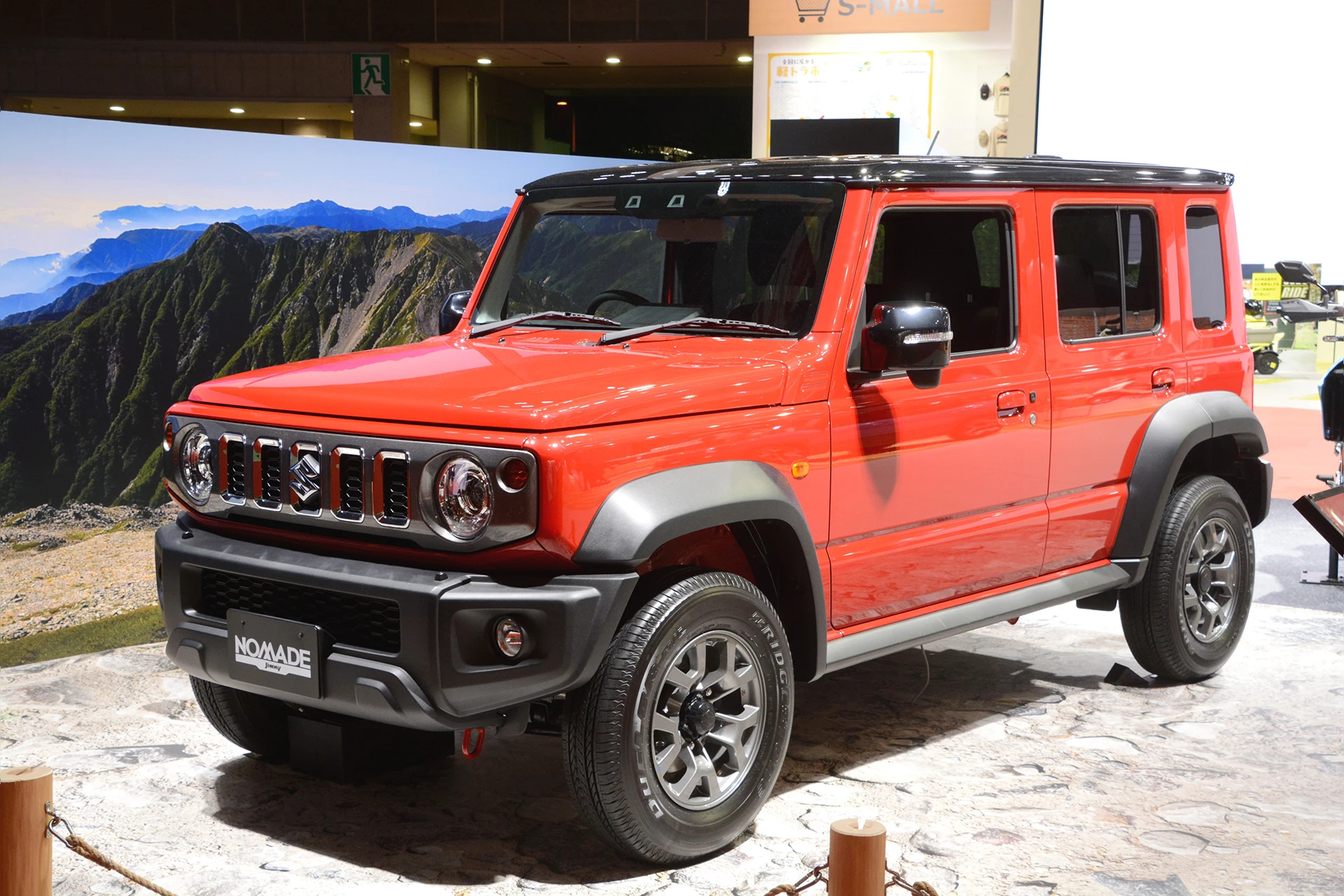
Suzuki Jimny Nomade 5-Door: A Rugged Family SUV with 1.5L Engine and 4WD, Priced Around $18,000 in Brazil

-
Suzuki XL6: Affordable Premium Minivan in India Offers Seating for Six, Hybrid Engine, and Impressive Fuel Efficiency



The current speculation about a new Ford pickup is fueled by the company’s global platform B. This modern architecture serves as the basis for the compact Ford Puma and the new Transit Courier van, both sold in Europe. The flexibility of this platform to support different body styles is the most concrete clue that a pickup derived from it is technically feasible.
What to Expect from Driving Dynamics and Technology
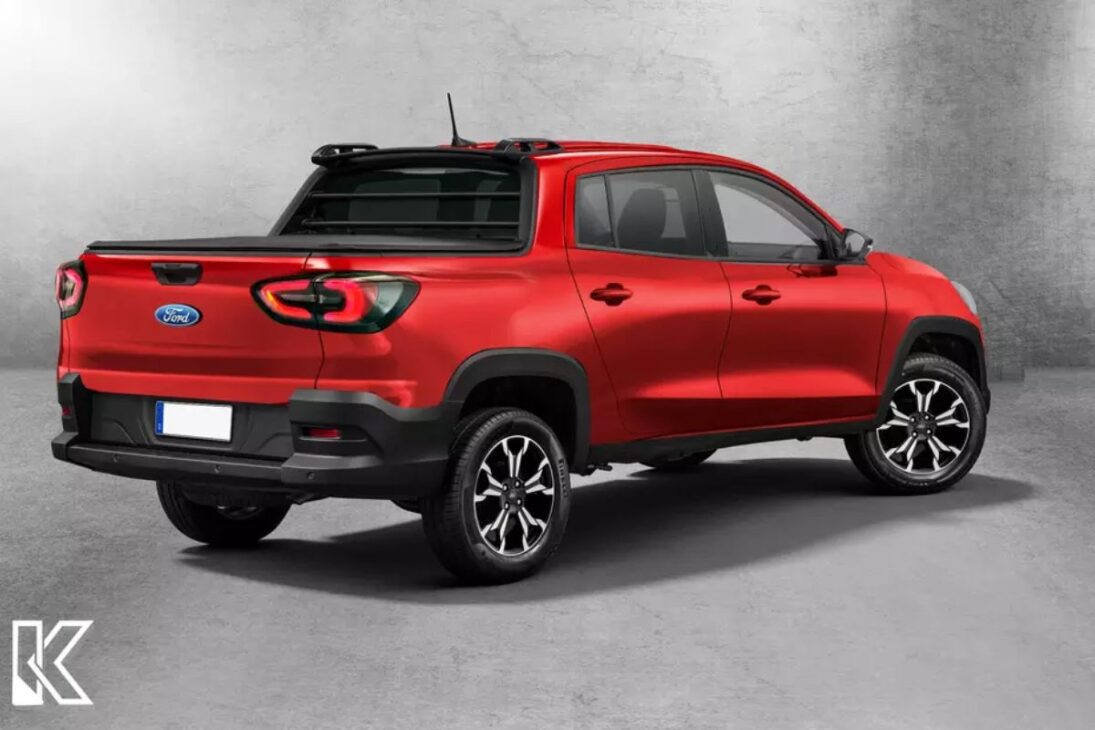
The use of the Puma/Transit Courier platform would bring clear advantages. The Ford B3 architecture is optimized for SUVs and light commercial vehicles, with a MacPherson front suspension and a rear twist beam. It supports EcoBoost engines and front or all-wheel drive.
This would allow Ford to offer a pickup with superior handling and comfort, approaching the experience of an SUV. The modern design and the connectivity and safety technologies present in the Puma and the new Courier could be easily transferred. Additionally, the platform is already prepared for electrification, with the E-Transit Courier being an example, which would give Ford a future competitive advantage.
How the New Ford Pickup Would Fit into the Brazilian Market?
The compact pickup segment in Brazil is dominated by the Fiat Strada. The Strada is the consistent sales leader, offering versions for work and leisure, including options with turbo engines. Its main rival is the Chevrolet Montana, which stands out for its 1.2 turbo engine in all versions and a strong connectivity package.
The market trend is the “SUV-ization” of pickups. Consumers seek modern design, comfort, technology, and safety, in addition to the versatility of the cargo bed. A new Ford pickup, derived from an SUV platform, would be perfectly aligned with these new consumer demands.
The Strategic Challenges and Positioning of the New Ford Pickup
Market experts and analysts point out that, although the product is technically feasible, Ford faces strategic challenges. The company has restructured its operations in South America, focusing on importing higher-value vehicles, such as the Ranger and the Maverick. Launching a high-volume pickup, with lower margins, would be a shift in this strategy.
The main dilemma is production. Importing the pickup from Europe would make it expensive due to taxes, making it difficult to compete with Strada and Montana. Regional production would require a high investment. Therefore, experts believe that Ford would need to target a niche of “accessible sophistication”, justifying a higher price with a superior package of design, technology, and safety, rather than directly competing with the entry-level versions of rivals.
What is Needed for the New Ford Pickup to Succeed in Brazil?
The success of a new Ford pickup depends on a well-defined strategy. The brand has a modern and flexible platform, capable of generating a competitive product. The legacy of the “Strong Breed” is also a powerful asset.
However, the competition is strong and production is a challenge. The key to success would be focusing on differentiation, offering a superior driving experience, leadership in technology with the SYNC system, and a more robust safety package. Ford would need to clearly communicate the added value to justify a possible premium price. Although the launch is a possibility, Ford needs a very convincing financial and strategic equation to move forward in this segment.