






 Portuguese
  Spanish
  6 min of reading
  2 comments


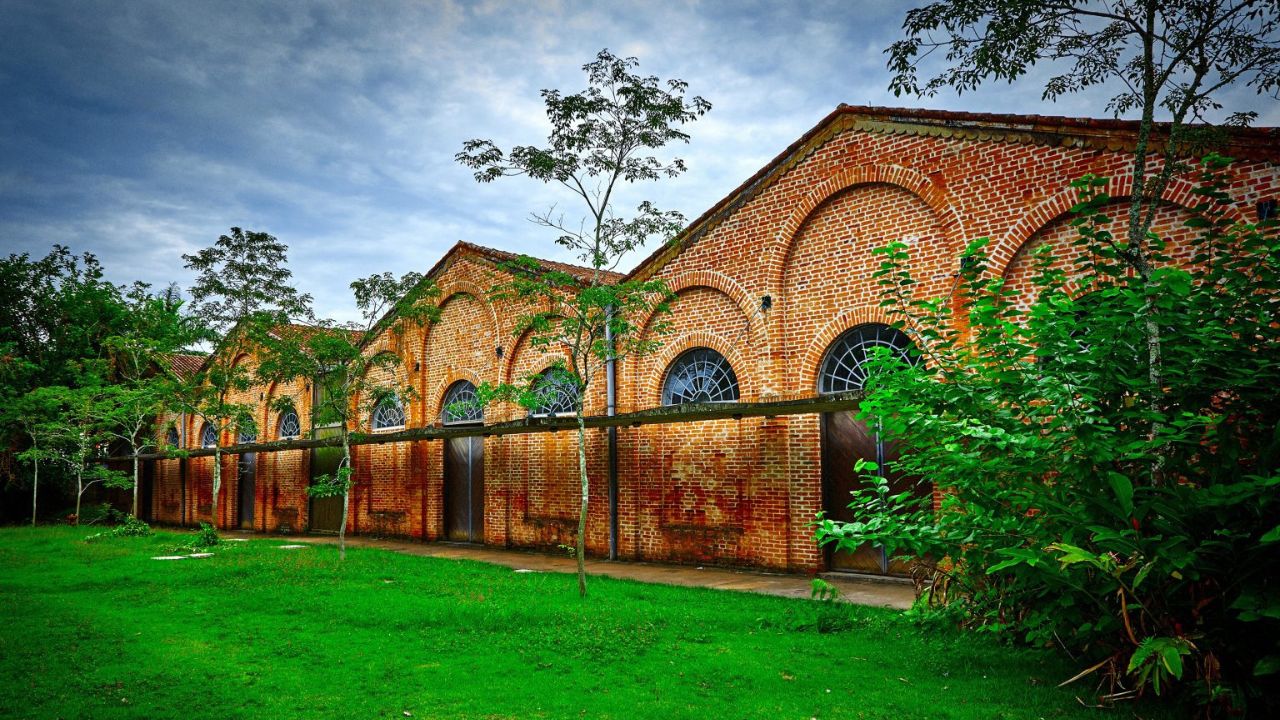


Located in São Paulo, the city preserves millenary traditions, from tea culture to festivals that light up the river, and stands out as the largest Japanese colony in Brazil.
When imagining a Torii gate guarding the entrance to a city, festivals honoring ancestors, and the Japanese language being spoken among tea plantations, there is only one destination: Registro, in the heart of the Ribeira Valley in São Paulo. Although the São Paulo capital has the largest population of Japanese descent outside Japan, it is in Registro that one finds the largest Japanese colony in Brazil in terms of planned historical and cultural legacy. Officially recognized as the “Landmark of Japanese Colonization in the State of São Paulo”, the city is the birthplace of a diaspora that transformed the Atlantic Forest into a center of prosperity and identity.
The history of Registro is not just about immigration, but about how a group of pioneers forged a unique and resilient Japanese-Brazilian identity. As detailed by the Tourism Portal of the City Hall of Registro, the city was structured around powerful symbols, such as the Memorial of Immigration and the KKKK architectural complex. This heritage, which ranges from Buddhist ceremonies to the flavors of local cuisine, is a living testament to how tradition, work, and adaptation came together to create one of the richest chapters in our country’s history.
The Arrival of the Pioneers and the Foundation of the Colony
The foundation of Registro began to take shape in the early 20th century, when the model of Japanese immigration in Brazil evolved from contracted work on coffee farms to the creation of autonomous agricultural colonies. In 1912, an agreement between the Government of São Paulo and the Tokyo Union allocated vacant lands in the Ribeira Valley for this purpose. Academic works, such as “The Historical-Cultural Heritage of Japanese Immigration in Registro-SP”, highlight that the choice of the then-isolated region represented a monumental challenge, but also the opportunity to build a community from scratch.
-
An entire village lay asleep at the bottom of a lake for 3,000 years: divers suction sediments in Italy and reveal more than 600 wooden stakes, bronze tools, and traces of a Bronze Age settlement hidden underwater.

-
They call it the “Shopee house” and even cardboard, but the R$ 20,000 house is a certified Wood Frame from Alea, financed by Minha Casa Minha Vida: understand if it’s worth more than masonry.

-
Egypt wants to divert 10 million m³ of Nile water per day, equivalent to 4,000 Olympic swimming pools, to build a glass city in the desert and irrigate 2.28 million acres, in a project that attempts to push life out of the country’s most contested valley.
-
Brazilian military personnel spend weeks in extreme training in the Amazon and receive a badge reserved for Jungle Warriors during the celebration of the 60th anniversary of one of the most demanding and respected courses in the world.

The structure for this dream was provided by the Kaigai Kôgyô Kabushiki Kaisha (KKKK), the Overseas Development Company. Founded in 1918 and headquartered in Registro, the KKKK acted as an arm of the Japanese government, managing land distribution and building vital infrastructure. According to the Tourism Portal of the City Hall, the KKKK Architectural Ensemble, with its warehouses and rice mill, became the economic and administrative heart of the colony. This centralized structure ensured initial survival, but the pioneers still faced a hard struggle against the wilderness, cultural isolation, and linguistic barriers, forging a community based on resilience and cooperation.
From Rice to Tea: The Agricultural Revolution That Defined the City
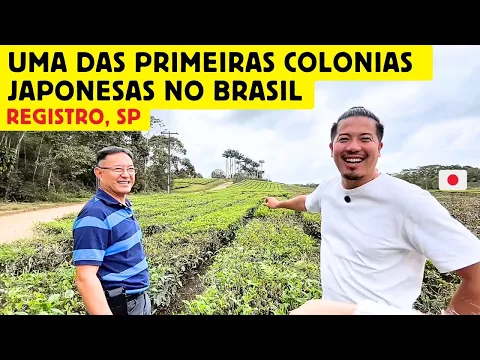

In the early years, immigrants applied their ancestral knowledge to rice cultivation, utilizing the region’s floodplains to ensure subsistence and generate the colony’s first wealth. The KKKK mill was essential for processing the production, which reached the largest in the State of São Paulo. However, the true economic and cultural transformation came with the introduction of tea. The immigrant Torazo Okamoto, a specialized technician, planted the first seeds in 1919 and, in 1935, brought seeds of the assamica variety from India, ideal for black tea, which adapted perfectly to the local climate.
This act initiated the “boom” that solidified Registro as the “Capital of Tea”, transforming the plant into the driving force of the local economy, with hundreds of producers and dozens of factories. After a decline in the 1990s due to international competition, the tradition surged back in a craftsmanship and high-value-added manner. As pointed out by the Sebrae News Agency, families descended from the pioneers, such as the Shimada and Yamamaru families, now lead the production of special teas, transforming agricultural heritage into a living repository of memory and identity. Tea cultivation has become a way to keep the “language of the grandparents” alive, not only in words but in the work that connects generations.
Tooro Nagashi: The River of Light and Memory
The soul of Japanese culture in Registro spectacularly manifests itself in its festivals, with Tooro Nagashi being the most iconic and emotional. Originating from the Buddhist O-bon ceremony, the event consists of launching small paper boats with candles (the tooros) into the Ribeira de Iguape River to guide the spirits of the ancestors. The tradition in Registro, according to historical accounts, began as an act of compassion in 1949 and was officialized in 1955 to honor drowning victims in the river, giving the ritual a deeply local significance.
What started as a small ceremony is now a large event that attracts over 20,000 people annually on All Souls’ Day, according to data from the Tourism Portal of the City Hall. Thousands of lanterns illuminate the river in a spectacle of light and reflection, accompanied by ecumenical ceremonies, cultural performances, and food fairs. The festival, which is part of the official state calendar, is a powerful celebration of life, memory, and resilience of the largest Japanese colony in Brazil.
Living Symbols: From Preserved Language to Unique Cuisine
The Japanese heritage in Registro goes beyond events and is etched into the landscape and daily life. The imposing Torii gate, on the banks of the river, serves as a distinctive identity marker, symbolizing the entrance to a sacred and culturally Japanese space. Similarly, the language of the ancestors is kept alive thanks to institutions such as the Nipo-Brazilian Cultural Association (Bunkyo). According to academic sources, Bunkyo and its Japanese Language School are essential to “transmit the culture and customs of Japan through language teaching to future generations”.
In gastronomy, this cultural fusion gains unique flavors. The Sebrae News Agency highlights the Parada Oriental restaurant and its iconic dish, the “Esquisito”. With over 50 years of history, the dish combines yakisoba and yakimeshi with misoshiru, salad, and a breaded cutlet, perfectly reflecting the hybrid identity of the community. It is not just a meal, but the edible manifestation of the Japanese-Brazilian history: it acknowledges the Eastern roots while comfortably embracing the Brazilian context, creating an experience that exists only in Registro.
The Future of Tradition: Cultural Tourism as a Legacy Driver
To ensure that this rich legacy remains relevant for new generations, the community has invested in transforming its heritage into an accessible experience through tourism. The most important initiative is the “Tourist Route of Japanese Immigration”, a project developed in partnership with Sebrae-SP. According to the Sebrae News Agency, the route was created collaboratively with entrepreneurs, institutions, and government to structure the city’s tourism offerings.
The route offers a three-day immersion in Japanese-Brazilian culture, including visits to historical landmarks such as the Memorial of Immigration, experiences in artisanal tea farms, and a deep gastronomic immersion. By transforming its history into a tourist product, the community not only generates economic development but also strengthens self-esteem and creates a tangible incentive for young people to value and continue their traditions. Tourism thus becomes the bridge connecting the past to the future, ensuring that the history of the largest Japanese colony in Brazil continues to be a living and inspiring narrative.
What aspect of Japanese culture in Registro caught your attention the most? Have you visited the city or know of another that strongly preserves its roots? Share your experience in the comments; we want to hear other stories like this.




Gostaria muito de ir no evento, também de conhecer Registro! Sou descendente de japonês e residi no Japão. Hoje aos 54 anos tenho procurando uma cidade para me estabelecer e pretendo ir à Registro para sentir se é lá meu lugar.
Your blog is a beacon of light in the often murky waters of online content. Your thoughtful analysis and insightful commentary never fail to leave a lasting impression. Keep up the amazing work!