






 Portuguese
  Spanish


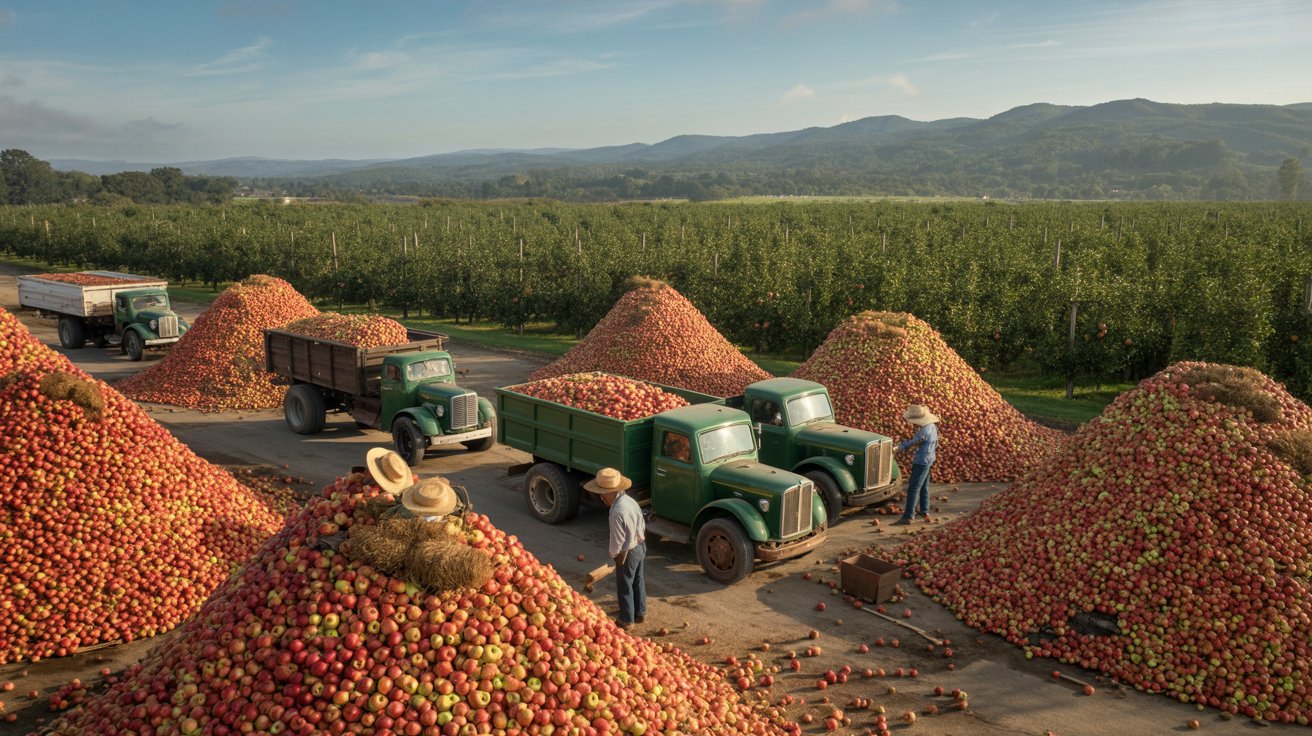


With 20 Farms, 2,200 Hectares of Apples Planted, and State-of-the-Art Technology, the Santa Catarina Company Fisher Has Become a Global Reference in Fresh Fruit and Juice Production, Generating Thousands of Jobs and Conquering the Global Market
The apple is one of the most beloved fruits on the planet, and in Brazil, it ranks second only to the banana in consumption. Behind this success lies a true agricultural empire that was born in Fraiburgo (SC) and has become a national leader in apple production. Founded in 1985 by a visionary immigrant, C. Fisher, Fisher Agroindustry started with a bold idea and transformed into a powerhouse of national and international fruit cultivation.
The company’s journey is marked by accelerated growth, strategic investments in technology, and an unwavering focus on quality and food safety. Today, Fisher manages 20 farms and is responsible for 10% of the entire national apple production, as well as 20% of the Santa Catarina harvest. And the best part: this standard of excellence also extends to other products, such as kiwis, apple juice, eucalyptus, soybeans, and corn.
13,500 Hectares of Production and Innovation
The 20 farms of the Fisher group occupy a total of 13,500 hectares, of which 2,200 are exclusively dedicated to apple tree cultivation. This is equivalent to nearly 19,000 soccer fields. Production reaches an impressive 100,000 tons of apples per year, supplying both the national and international markets.
-
India’s Sugar Export Cuts and Ethanol Shift Amid El Niño Threat Could Impact Global Prices and Stocks

-
Quarantine Pest Threatening Palm Trees Puts Brazilian Authorities on Alert, Prompts Monitoring at University of Taubaté and Potential Control Measures Across São Paulo
-
Global Alert: Report Finds 159 Pesticides in Coffee Beans Sold in Europe, Posing Serious Risks to Millions of Farm Workers
-
Low-Demand Brazilian Beef Offal Gains Popularity Abroad: Indonesia Purchases $19.5 Million, Boosting Revenue and Reducing Waste



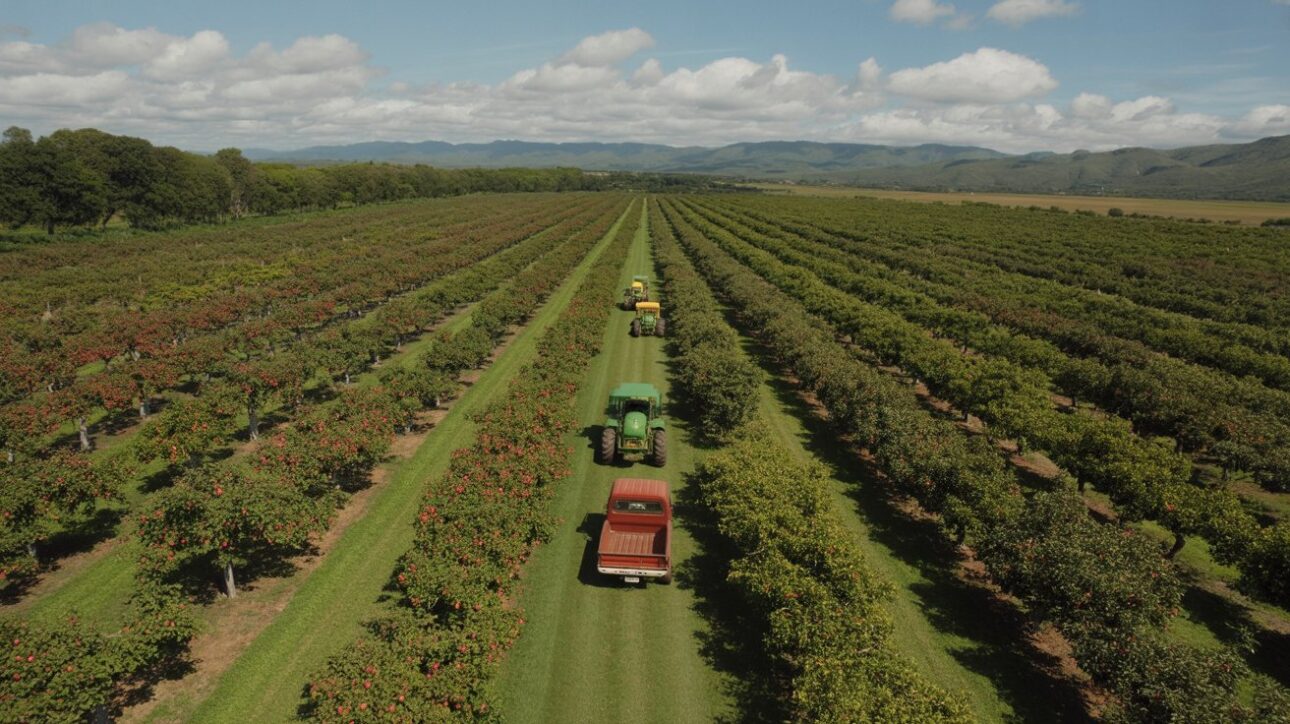
In addition, the company cultivates 1,000 tons of kiwi, grows corn and soybeans on 100 hectares, and maintains 3,400 hectares of eucalyptus and pine forest for industrial purposes. Over 6,400 hectares are dedicated to environmental preservation, with reforestation and protected native areas.
Fisher also invests heavily in agricultural research, developing its own seedlings in nurseries with disease-free genetic material. The constant pursuit of productivity, sustainability, and technological innovation is part of the company’s DNA.
Impressive Technology: From the Field to the Cold Storage
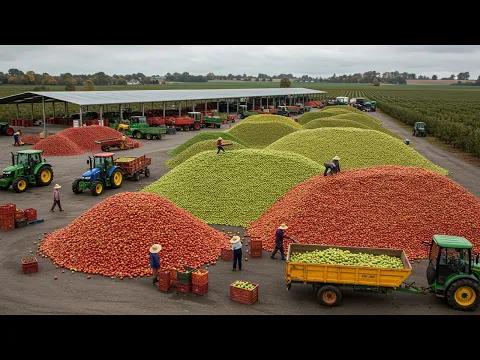
After harvesting, the fruits do not go directly to the market. Instead, they pass through five modern processing units located in cities such as Fraiburgo, Monte Carlo, Pomeli, São Joaquim, and Videira. These centers — known as “paoses” — total 70,000 m² of structure and can process up to 3,500 tons of apples per day.
Fisher has 102 cold storage chambers, with 82 featuring a controlled atmosphere system, where oxygen, carbon dioxide, and temperature are computer-adjusted to keep the fruit fresh for much longer. The highlight is the most modern sorting machine in Brazil, which scans each apple with over 60 images and separates them by color, size, and defects with surgical precision.
Apple Juice, Aroma, and Exports to 25 Countries
The group also stands out in juice production through Fisher Sucos, located in Videira (SC). With the capacity to process up to 130,000 tons of fruit per year, the unit produces:
- 20,000 tons of clarified concentrated juice
- 5,000 tons of whole concentrated juice
- 400,000 liters of natural apple aroma
This portfolio supplies the Brazilian market year-round and is also exported to 25 countries in Europe, Asia, the Middle East, and South America. Fisher was one of the pioneers in Brazil to export apples and their derivatives on a large scale.
Citrosuco: The Other Billion-Dollar Arm of the Group
In addition to apples, the Fisher group owns Citrosuco, simply the largest orange juice producer in the world. With 25 million orange trees spread across 25 farms, Citrosuco operates four factories — including the largest orange juice processing plant on the planet.
The annual production reaches 2.5 billion liters of juice, equivalent to a thousand Olympic-sized swimming pools. The company accounts for 20% of the global market and 40% of all Brazilian orange juice production. In numbers, for every 10 cups of orange juice consumed in the world, two come from Citrosuco.
Thousands of Jobs and Direct Impact on Public Health
The social impact is also huge. Fisher employs around 100 permanent employees in the apple area, and this number reaches 3,000 seasonal workers at the peak of the harvest. Citrosuco maintains 5,500 permanent employees and hires up to 12,000 temporary workers during the orange harvest. Thousands of families benefit directly or indirectly.
And it’s not just the economy. It’s health too. The apple is rich in fiber, regulates cholesterol, strengthens the immune system, and helps prevent digestive and cardiovascular diseases. The orange, on the other hand, is a powerful source of vitamin C, antioxidants, and fiber, contributing to immunity, heart health, and balanced digestion.
Much More Than a Fruit, a Model of National Excellence
The story of Fisher and Citrosuco goes far beyond apples and oranges. It is an example of how technology, strategic management, and commitment to quality transform an idea into an empire that supplies Brazil and the world with high-standard fruits. And you, did you already know about this giant of Brazilian fruit cultivation?







Legal a reportagem!
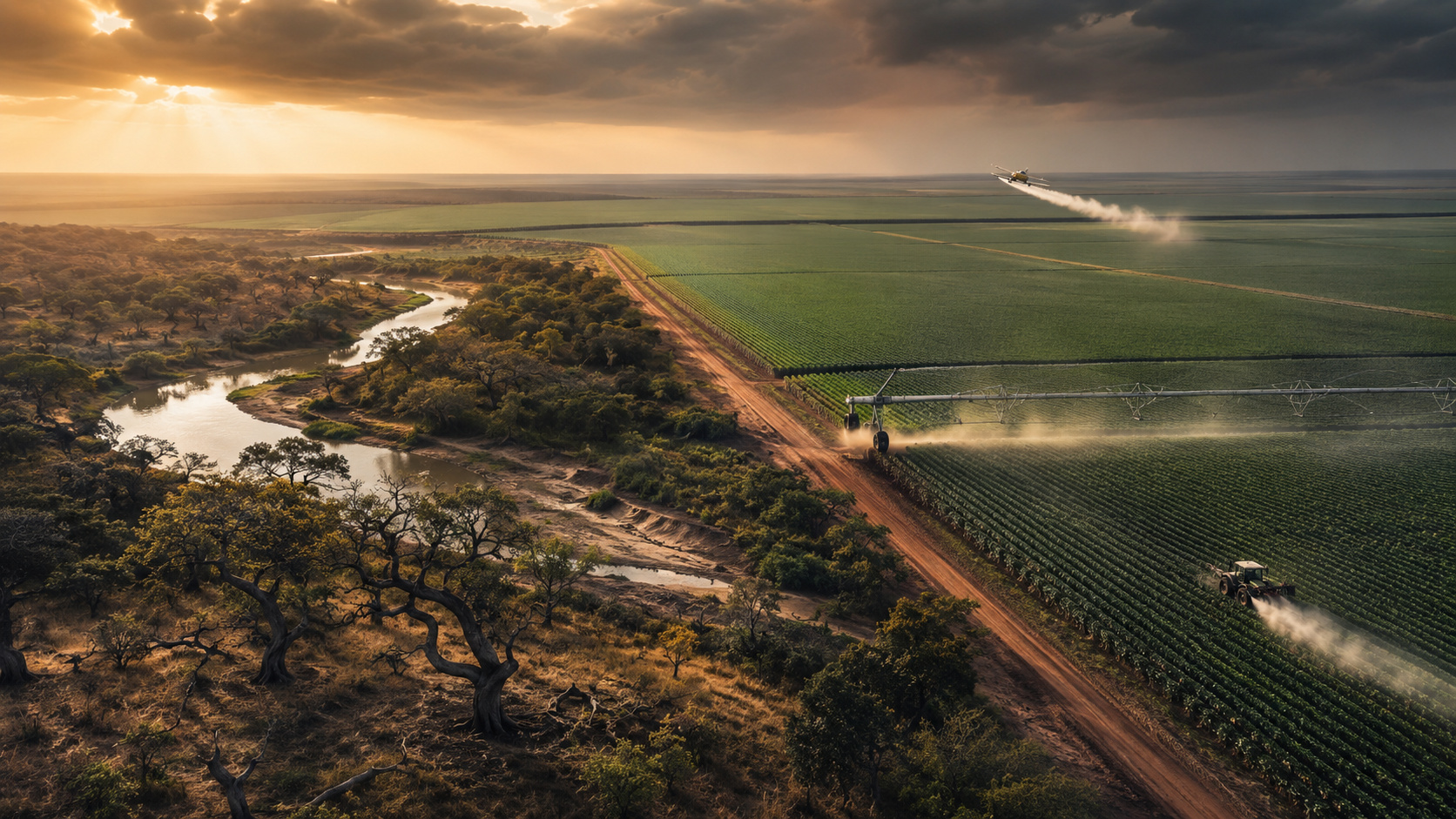
Mas que imagens são essas? Todas feitas por Inteligência Artificial!
Colheita de maçã não é daquela forma e os pomares não são dispostos daquele jeito.
A empresa não disponibilizou imagens reais?
Muito legal!! 👏👏🤩🤩🍎🍎
Gostaria de saber se eles têm um programa de visitação. Adoraria conhecer as macieiras carregadas de frutos!
Amei a reportagem