Portuguese
  Spanish


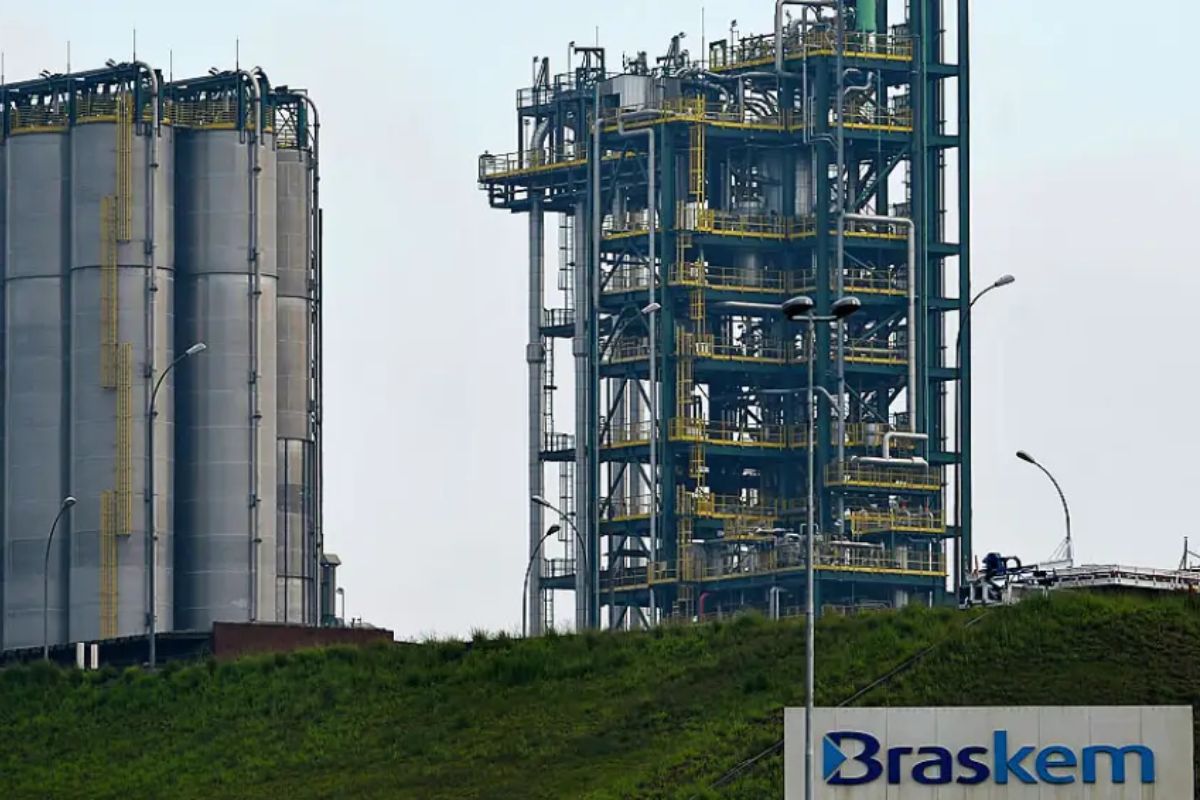

With A Billion-Dollar Revenue And Global Production, Braskem Establishes Itself As The Largest Chemical Industry In Brazil And One Of The Main Ones In The World.
According to the Annual Report of the Brazilian Chemical Industry Association (Abiquim), Braskem is, understandably, the largest chemical industry in Brazil. The company, which also holds the title of the largest producer of thermoplastic resins in the Americas, leads the national ranking based on net revenue, a position confirmed year after year by the main entity in the sector.
Its dominance is not restricted to Brazilian borders. The company has dozens of industrial units spread across Brazil, the United States, Mexico, and Germany, and its operations directly influence thousands of other sectors that depend on its products, from construction to the packaging industry, serving as a pillar for the national economy.
The Revenue And Production That Place It At The Top
The financial and operational data of Braskem demonstrate its leadership. In 2023, the company recorded a net sales revenue of R$ 74.8 billion. Although this figure represents a decline from R$ 96.5 billion in 2022, as highlighted in the Annual Report of Abiquim, it keeps the company in the clear lead of the national chemical sector.
-
France Revamps 530 Social Housing Units with Large Balconies and Glass Facades Without Demolishing Existing Buildings

-
10-Year-Old Max Makes History with Paris Fashion Show, Launches Own Brand, Hires Staff, and Sets World Record as Youngest Runway Designer

-
Bolivian Female Construction Workers Form Association to Combat Discrimination and 38% Pay Gap in the Industry
-
Near Amsterdam, residents buy land and discover they must also build streets, manage drainage, handle waste, and grow food on half their plot.




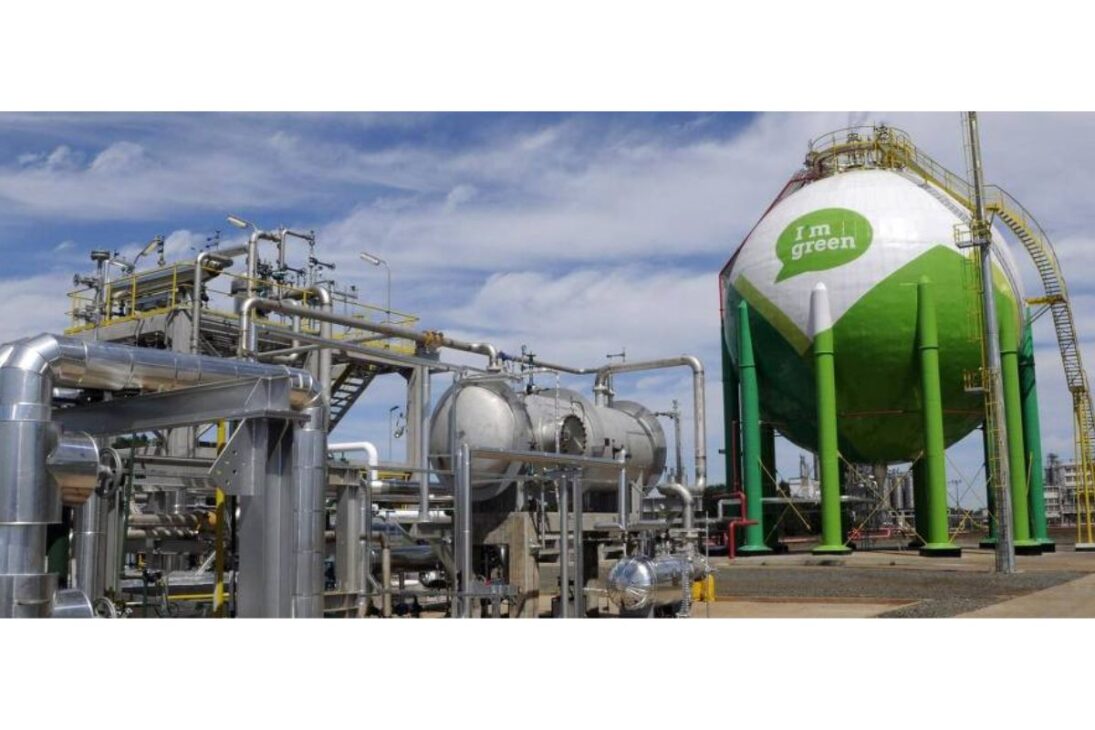
In terms of production capacity, Braskem operates on a monumental scale. The company is capable of producing over 10 million tons of thermoplastic resins and other chemicals annually. It is the global leader in the production of biopolymers, with its “Green Plastic I’m green™”, made from sugarcane, a landmark of innovation and sustainability.
From Plastics To Sustainable Solutions
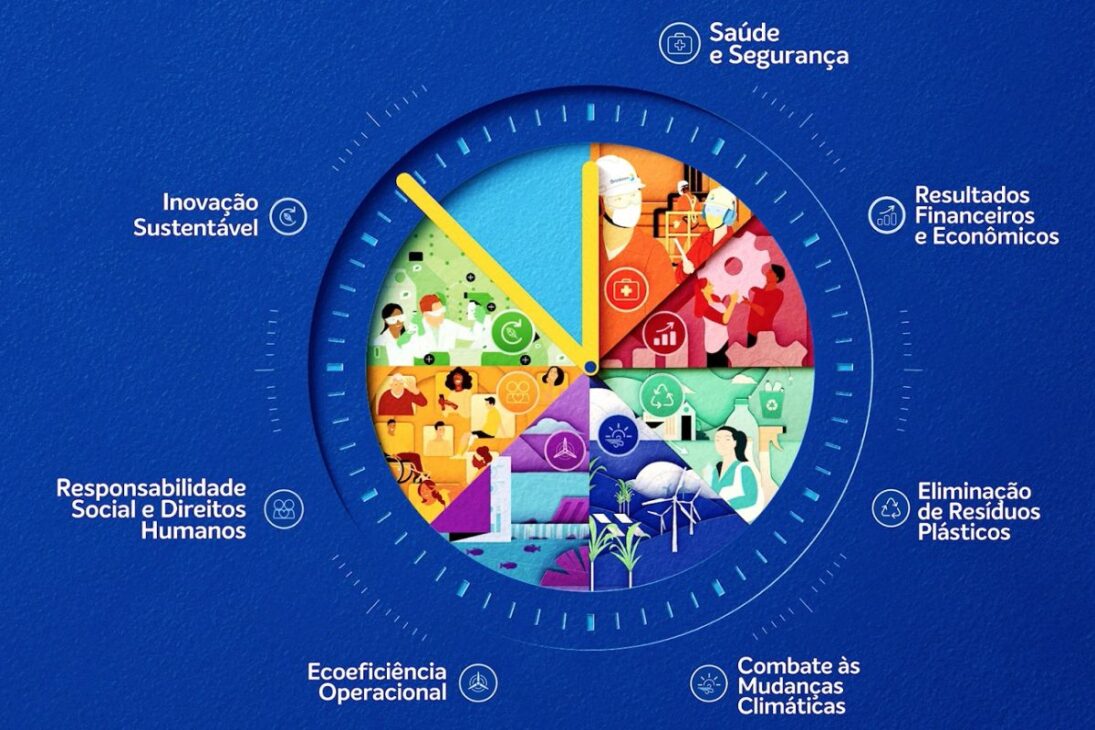
Braskem’s portfolio is the foundation for a vast production chain. Its main products include:
Polyethylene (PE): used in flexible packaging, bags, bottles, and in agriculture.
Polypropylene (PP): raw material for auto parts, appliances, lids, and rigid packaging.
PVC (Polyvinyl Chloride): essential for construction, in pipes, fittings, and frames.
Basic Chemicals: ethylene, propylene, chlorine, and soda, which are the building blocks for its own products and for other industries.
In addition, the company has heavily invested in circular economy solutions. The Green Plastic, produced at the Triunfo (RS) unit since 2010, is a concrete example of this strategy, capturing carbon dioxide from the atmosphere in its production process.
A Story of Consolidation To Form The Leader Of Latin America
Braskem was officially created in 2002, but its history is the result of the consolidation of several Brazilian petrochemical companies that existed since the 1970s. Born from the integration of six companies from the Odebrecht Group and the Mariani Group, with the support of Petrobras, the company emerged as a market leader.
Over the years, its expansion has been marked by asset acquisitions and internationalization. A key step was the construction of the Petrochemical Complex in Mexico, the Ethylene XXI, inaugurated in 2016, one of the largest investments in the sector in the region. This trajectory transformed Braskem into the largest chemical industry in Brazil and Latin America.
The Strategic Role In The Economy And The Future Challenges For The Industry
The chemical industry has a multiplier effect on the economy, and Braskem is at the center of this ecosystem. It is estimated that the chemical sector as a whole accounts for a significant share of Brazil’s industrial GDP. The company is a major exporter, generating revenue for the country, and an employer of thousands of people.
However, the future presents challenges. The instability of raw material prices in the international market, strong global competition, and the growing demand for sustainable practices are pressuring the sector. The transition to a low-carbon economy and the advancement of chemical recycling are central themes for the sustainability strategy of the largest chemical industry in Brazil.