






 Portuguese
  Spanish


Technology That Revolutionizes Construction Prints Hundreds of Houses per Week with 3D Concrete, Reducing Costs and Time, and Paving the Way for a Sustainable and Affordable Housing Future for Various Regions of the Planet.
A world where it is possible to build hundreds of houses in a few days, with significantly reduced costs, less waste, and greater resistance to natural disasters?
This reality is becoming increasingly concrete thanks to 3D printing technology with concrete, which is transforming the way we live and how the real estate market operates.
How 3D House Printing Works
According to construction experts, 3D house printing uses giant robots equipped with mechanical arms capable of depositing successive layers of a special concrete mix.
-
Billionaire says the most valuable skill will help overcome job elimination caused by AI, following Bill Gates’ fears

-
A Dutchman created a ‘box’ that makes trees grow in the desert almost without water and without irrigation: the invention has already brought seedlings to dozens of countries and achieves up to 90% survival where common planting did not exceed 10%.

-
Abandoned warehouse hid a giant collection of rare computers, with over 2,000 artifacts from the 1930s to the 1980s.
-
Scientists warn that melting ice is triggering an alarming chemical transformation in preserved areas, and the first signs are already concerning researchers worldwide.




According to the company ICON, a world leader in the application of this technology, this process eliminates traditional wooden forms and drastically reduces the number of workers needed on the construction site.
This allows houses to be erected much more quickly and at lower costs, which could revolutionize the housing sector, especially in regions with a housing deficit.
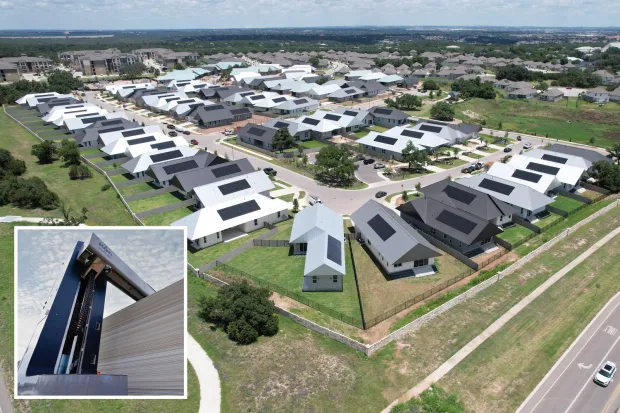
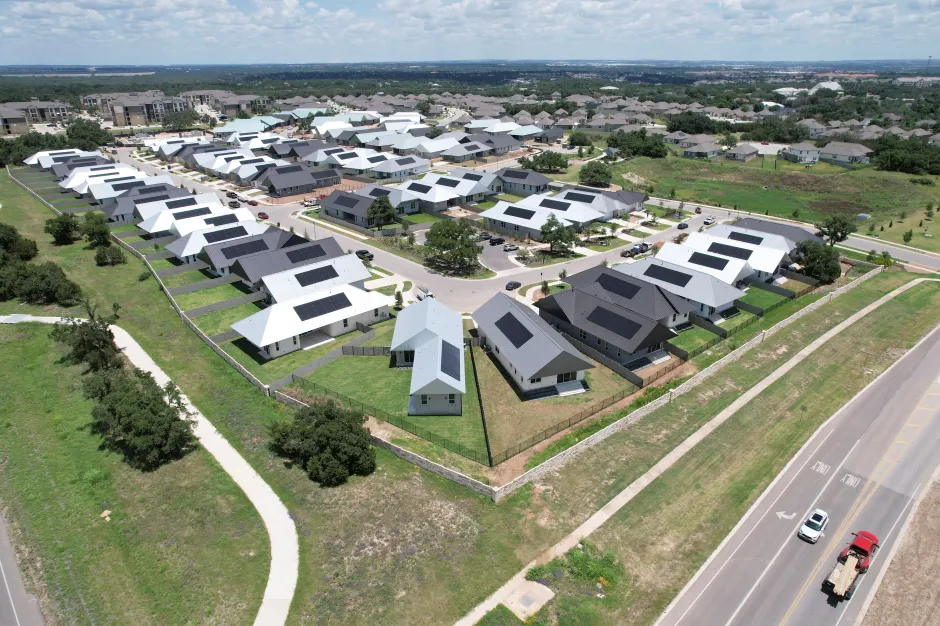
ICON, in partnership with construction company Lennar, developed the Wolf Ranch project, located in Georgetown, Texas, considered the largest neighborhood of 3D printed houses in the world.
According to a report from the British newspaper The Sun, there are 100 residences built with Vulcan technology, which uses a special concrete called Lavacrete, known for its resistance to weather, pests, and common wear in conventional constructions.
Speed and Efficiency in Construction
The promise of printing up to 200 houses per week may sound like science fiction, but, according to engineers directly working with the technology, this goal is close to being achieved.
According to the specialized site RICS Modus, the speed of printing depends on factors like house size, project complexity, and weather, but practical studies on modern construction sites show that a house can be built in weeks, rather than the usual months in traditional construction.
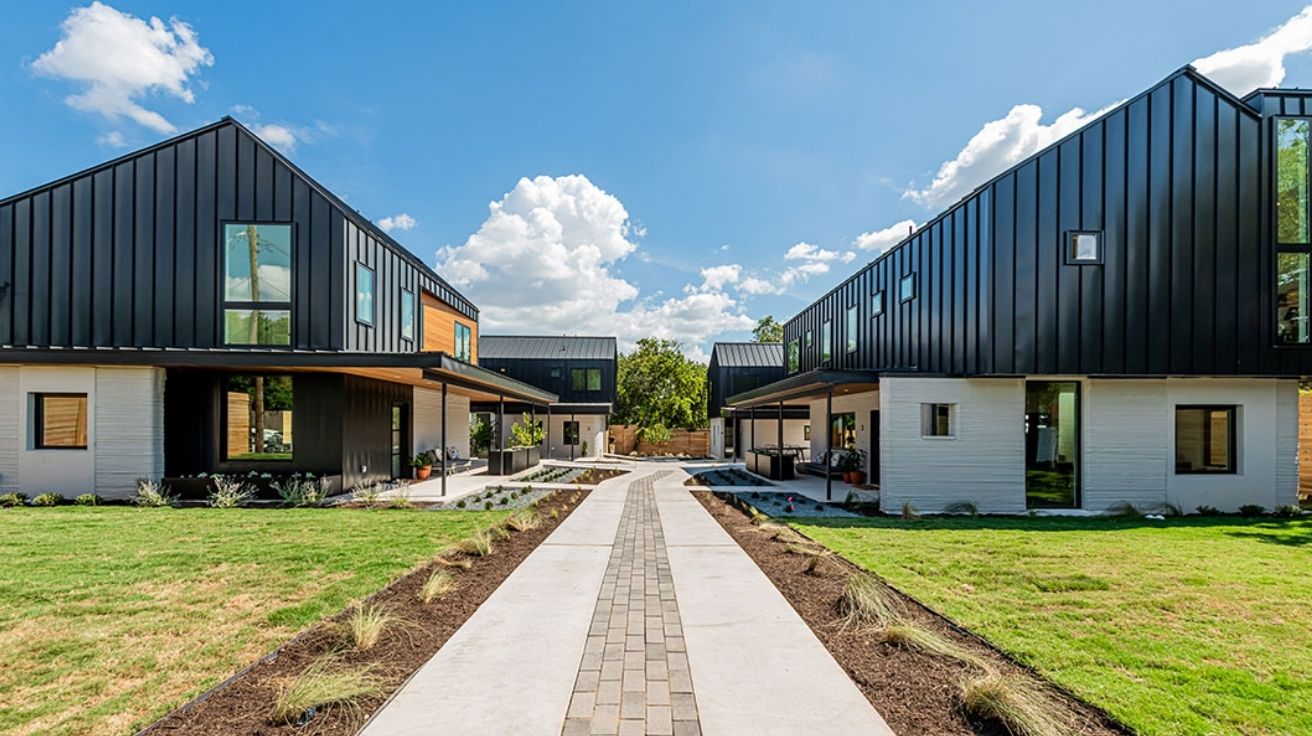
In addition to speed, 3D printing allows for unprecedented customization.
According to interviewed architects, digital designs enable the creation of complex architectural designs, curves, and details that would be expensive or impossible with traditional methods, without impacting the final cost.
This flexibility expands the possibilities for innovative housing, from family homes to community and social interest structures.
Sustainability and Cost Reduction
According to experts in sustainable construction, 3D printing offers an environmentally responsible solution.
By using the exact amount of material needed for each layer, the technology drastically reduces concrete waste, which is one of the most used and polluting materials in civil construction.
Additionally, companies like CEMEX and COBOD have been investing in concrete mixes that incorporate local and recycled materials, reducing the carbon footprint.
According to CEMEX Ventures, the D.fab system, for example, uses local materials in 99% of its composition, which helps to lower construction costs and reduce environmental impact.
Experts also claim that 3D printing can contribute to reducing greenhouse gas emissions associated with civil construction, one of the most polluting sectors in the world.

Global Applications and the Future of Technology
The technology of 3D house printing is not restricted to the United States.
According to the Reuters agency, in Chile, the first 3D printed house was built in record time: just 29 hours.
In Kenya, the company 14Trees demonstrated that it is possible to erect homes in 12 hours, at a cost of less than US$ 10,000, a revolution for housing in developing countries.
In addition to these applications, NASA has been investing in research for 3D printing for constructing space habitats.
According to a report published by The Sun, the American space agency is developing robots capable of building bases on the Moon and Mars, using materials available in the soil of these celestial bodies, which could enable long-duration missions.
Technical and Regulatory Challenges
Despite technological advances, 3D house printing still faces significant challenges, industry experts say.
According to civil engineers, standardization of materials, adaptation to different climatic conditions, and approval by regulatory bodies are barriers that need to be overcome for the technology to be widely adopted.
Moreover, training specialized labor to operate the machines and perform maintenance on the equipment is a crucial point.
According to researchers, developing specific technical standards for 3D housing printing is essential to ensure safety, durability, and quality.
Social and Economic Impact
Urban development experts say that the ability to quickly build houses at reduced costs can transform cities and communities.
In regions with high housing deficits, 3D printing offers the real possibility of improving the quality of life for thousands of families, ensuring decent and affordable housing.
Additionally, reducing the cost and time of construction can lower the final price of properties, making them more accessible to low-income populations.
According to real estate economists, the increase in housing supply generated by this technology can also help stabilize prices in the market, preventing speculative bubbles.

What to Expect in the Future?
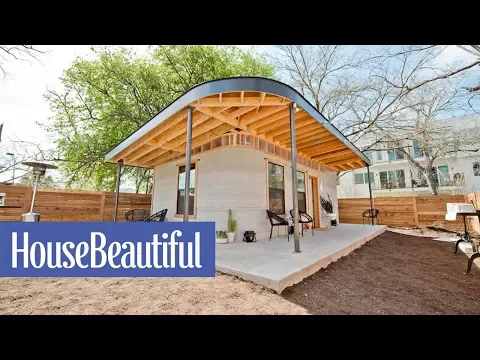
The future of civil construction seems to be heading towards the widespread adoption of 3D printing with concrete.
According to experts, the next decades could witness a transformation as significant as the introduction of reinforced concrete in the 20th century.
This technology not only promises to revolutionize the construction method but can also be a key piece in combating the global housing crisis, combining innovation, sustainability, and economy.
And you, do you believe that 3D house printing will be the primary form of construction in the future? Share your opinion in the comments!





