Portuguese
  Spanish





Kia Exceeds Sales in the U.S. and Challenges Toyota, Honda, and Hyundai with Futuristic Design, Electric SUVs, and Historic Record of 780,000 Units in 2024. The South Korean Brand Breaks Paradigms and Conquers the American Market with Innovations like the EV6, Local Manufacturing, Unmatched Warranty, and Growth Driven by Premium Perception
Few brands in the automotive sector have managed to change their image as radically as Kia. From a choice seen as accessible and basic in the ’90s, the South Korean manufacturer now dominates headlines with its bold and technological models. The success is no longer regional or sporadic: in 2024, Kia set a sales record in the United States, selling over 780,000 vehicles, a leap that left traditional competitors behind.
This impressive turnaround is based on a powerful combination of bold design, focus on electric cars, high build quality, and a value perception that even attracts customers from premium brands. Kia’s revolution is underway, quiet yet increasingly evident, transforming the automaker into the fastest-growing Asian brand in the United States, as reported by Tork Buzz.
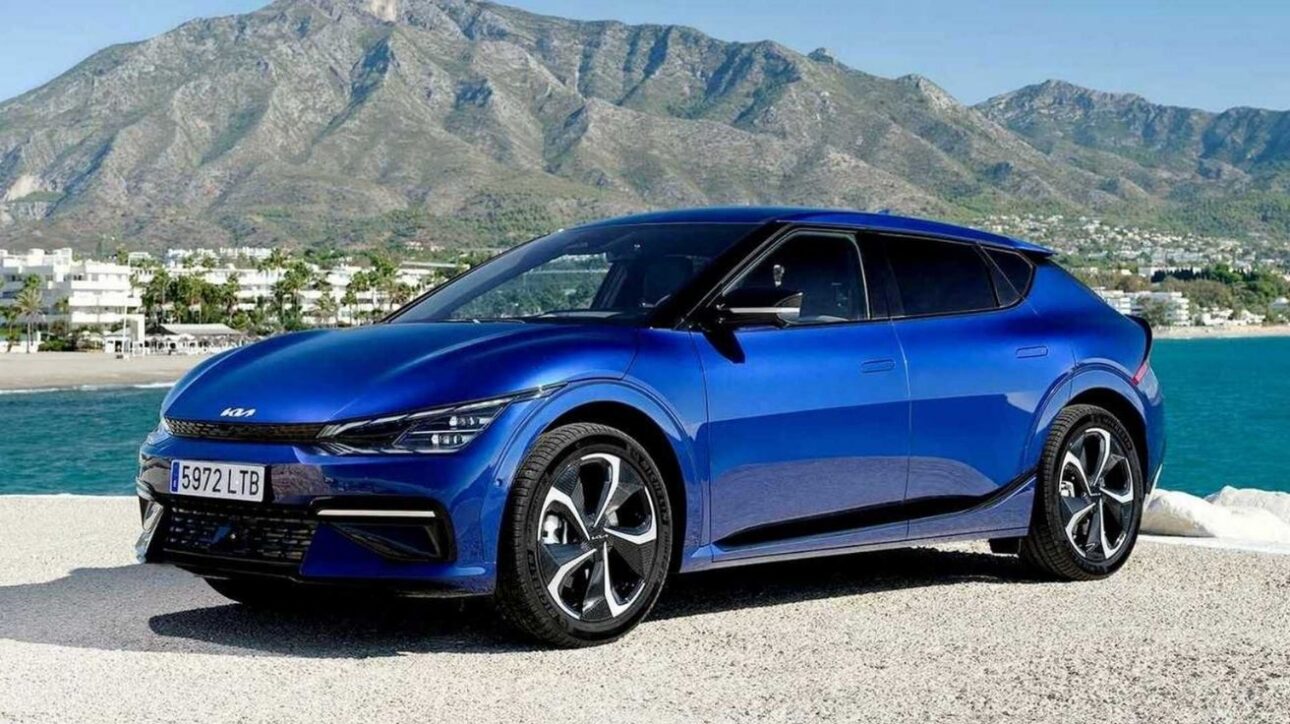
Bold Design and Striking Visual Identity: Kia’s Visual Revolution
Much of Kia’s success is directly linked to an aesthetic shift led by Peter Schreyer, former Audi designer, who was responsible for creating a powerful visual identity for the brand. Models like the EV6, EV9, and Sportage stand out for their futuristic lines, sophisticated lighting, and interiors that rival luxury SUVs.
-
End of an era in Brazil: beloved sedan by Brazilians is discontinued despite having a 2.0 engine with 151 hp, CVT transmission, 466-liter trunk, and up to 650 km of range.

-
New Law Proposal in Brazil Could Heavily Penalize Drivers: Dangerous Overtaking May Become a Serious Offense with Fines Increased Tenfold and a 12-Month License Suspension; Update on 2026 Progress

-
Electric Revolution: Watts W125 Motorcycle Offers 160 km Range, 90 km/h Speed, and Affordable Price Starting at $3,000
-
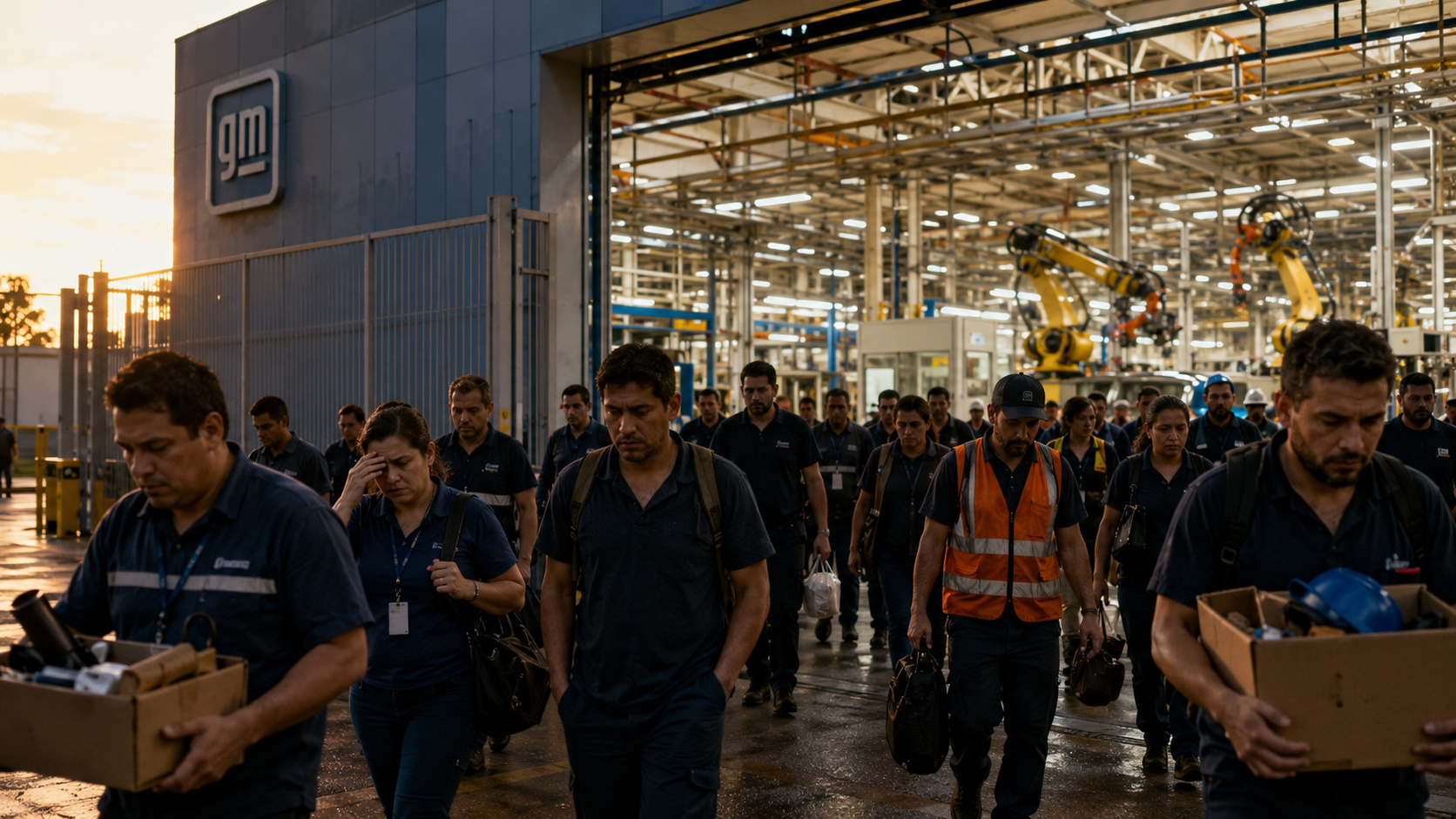
General Motors Replaces Over a Thousand Workers with 50 Cobots at Electric Vehicle Plant, UAW Union Criticizes Move Amid Industry’s Automation Push


The “Tiger Nose,” a front grille created by Schreyer, has become a signature that differentiates Kia models at first glance. This helped transform the brand’s perception, which previously struggled against stereotypes of being a basic and unremarkable car brand. Now, consumers are drawn in by a modern, bold design that is consistent across the lineup.
In addition to the visuals, the interiors have also received special attention. The use of quality materials, wide digital panels, ambient lighting, and luxury ergonomics shows that Kia has started to prioritize user experience, not just basic functionality.
As a result, its models frequently appear in comparisons against brands like Subaru, Toyota, and even BMW. In many of these tests, they come out as winners not only due to pricing but also because of the complete value offered.
This transformation has reinforced Kia’s position as an automaker that offers not only beautiful cars but truly desirable ones.


Kia EV6, EV9, and the Electric Advancement Redefining the Game
The EV6 model has become an immediate icon of Kia’s new phase. Equipped with 800-volt technology, it is one of the few non-premium electric vehicles in the world capable of charging up to 70% of its battery in just 20 minutes, a feat even superior to models from Porsche or Audi.
The arrival of the three-row SUV EV9 has expanded this offering for families seeking space, connectivity, and sustainability. The model features technologies such as level 2 driving assistance, a fully digital interface, and luxury minivan-like comfort, making it an accessible alternative to rivals like the Tesla Model X.
This electric offensive is also strategic: Kia is heavily investing in local production and has factories in the U.S., such as the West Point plant in Georgia. This ensures access to tax incentives, improves logistics, and avoids bottlenecks that still affect other manufacturers.
At the same time, Kia’s portfolio continues to offer hybrid and combustion models, like the K5 and Sorento, which allows it to cater to different consumer profiles. This flexibility is one of the keys to the brand’s growth.
In a market where electric vehicles still face resistance in certain regions, Kia has managed to find the right balance between future and present, attracting buyers ready to take the next step without sacrificing cost-effectiveness.
Reliability, Warranty, and Added Value: The Winning Formula
Another powerful asset for Kia is the 10-year or 100,000-mile warranty for the powertrain. No other manufacturer offers anything similar in the American market, and this detail is decisive for many consumers looking to avoid costly surprises after purchase.
Moreover, Kia models come equipped with advanced features starting from entry-level versions. It’s common to find adaptive cruise control, heated seats, premium sound systems, and integration with Android Auto and Apple CarPlay, all standard.
This policy goes against the competition, which usually charges extra for additional packages. Thus, Kia delivers a value proposition that is hard to beat, especially in a scenario where the average price of new vehicles in the U.S. exceeds US$ 48,000.
For the average American consumer, this means a choice that is both rational and emotional: it is possible to have style, technology, and safety without paying luxury brand prices.
The proof that this formula works lies in the awards received: the Telluride has already won the MotorTrend SUV of the Year, and the EV6 is a Top Safety Pick+ in the IIHS ranking, consolidating the brand’s reputation across the board.
The New Kia and Its Rise Among Giants
Historically seen as a supporting player in the automotive arena, Kia is now a protagonist. It has left behind the image of being an “economical” brand and is now competing for space with Toyota, Honda, and even premium brands like Lexus and BMW.
The brand has also strategically positioned its distribution and production networks. With a strong presence in the southern and central U.S. and local factories, it has circumvented many of the logistical bottlenecks faced by manufacturers dependent on Asia and Europe.
More than just selling cars, Kia sells trust, innovation, and a new standard of accessible mobility. By anticipating electrification trends and placing the consumer at the center of decisions, it has created a new narrative, and the numbers prove it.
With an increasingly robust portfolio, ambitious goals for 2025, and a growing fan base, Kia is consolidating itself as the most significant image turnaround in the automotive sector this century.
New Kia Carnival in Brazil
The new Kia Carnival 2025 arrives in Brazil with a refreshed look, high comfort level, and capacity for eight occupants, positioning itself as a luxury option aimed at large families and executive transport. With prices starting at R$ 659,990, it competes in a niche alongside the Land Rover Defender 130 and the Hyundai Palisade.
The minivan stands out for its versatile interior space, with sliding, foldable, and removable seats, along with features like automatic doors, 360° cameras, wireless charging, a multimedia system with wireless Android Auto and Apple CarPlay, and climate control for the rear.
Under the hood, it features a V6 3.5 naturally aspirated engine with 272 hp, an eight-speed automatic transmission, and performance worthy of a large car (0 to 100 km/h in 9.8 s). Even with its 2,099 kg and over 5 meters in length, it offers driving pleasure with direct steering, firm suspension, and excellent acoustic insulation.
The spacious trunk accommodates up to 2,827 liters with the seats folded. With a consumption of 8 km/l in the city and 11.2 km/l on the highway, the Carnival combines performance, luxury, and practicality, but at a high price for Brazilian standards.