Portuguese
  Spanish


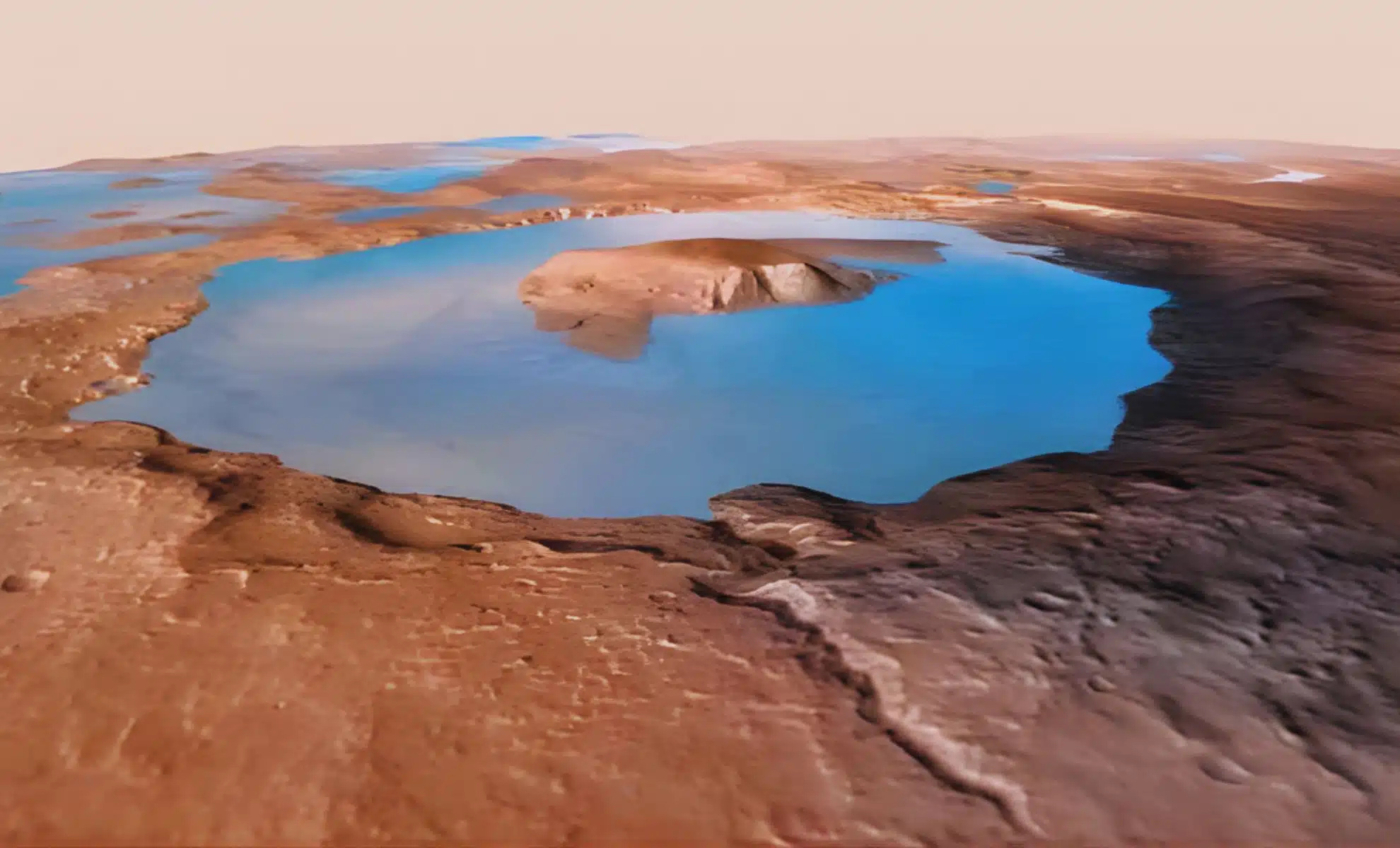

The findings have significant implications for the search for extraterrestrial life. If Mars may have hosted an ocean, it raises the possibility that life could have existed in its ancient waters. Understanding the planet’s past hydrology is crucial for future missions aimed at exploring its surface and subsurface for signs of past or present life.
As scientists continue to analyze the geological features of Mars, the potential for discovering biosignatures or other indicators of life increases. The presence of water, even in its ancient form, is a key factor in the quest to understand whether life ever arose on the red planet.
The identification of locations where Mars may have hosted an ocean redefines the priority targets for future robotic and human exploration missions. Areas that previously contained large bodies of water are considered the best natural laboratories for the search for biosignatures or traces of ancient microbial life.
-
Spain Launches World’s Largest Floating Dry Dock: 56-Meter Giant Produces Massive Concrete Structures in A Coruña Using Technology Proven in Brazil

-
AI-powered toys that talk, recognize faces, and collect data face scrutiny from Brazilian government over children’s privacy concerns

-
4,000-Year-Old Child’s Skull Unveils Ancient Burial in 7,500-Year-Old Norwegian Rock Shelter, Impressing Archaeologists

-
Norway Defeats Brazil in World Cup but Invests Billions to Preserve the Amazon, Strengthens Amazon Fund, and Joins Brazil in Leading Global Effort Against Tropical Deforestation




Researchers believe that the sediments preserved at the base of these formations may contain organic molecules protected from the intense solar radiation that reaches the current surface.
In addition to the search for life, understanding the extent of this ocean helps to unravel the mystery of how Mars lost its atmosphere and liquid water. The new geological formation serves as a historical record of a period when the planet had a magnetic field and atmospheric pressure sufficient to sustain rivers and seas. Confirming that Mars may have hosted an ocean is a crucial step in reconstructing the climatic evolution of rocky planets in our solar system.
Mapping technologies and next steps
The success of the discovery was due to the integration of data from multiple orbital probes that allowed a three-dimensional reconstruction of the Martian landscape. The level of detail obtained made it possible to distinguish between formations caused by volcanic activity and those shaped by the force of water. The next step of the investigation will involve the use of ground-penetrating radars to verify the depth of the sedimentary layers and search for remaining underground ice deposits from this ocean.
The scientific community is now awaiting the deployment of new rovers to collect physical samples from this newly discovered area. Direct analysis of the rocks may definitively confirm whether the region truly may have hosted an ocean and for how long it remained liquid.
Meanwhile, mapping continues to reveal that Mars’ past was much more dynamic and blue than the current arid and red landscape suggests to modern observers.
With information DailyGalaxy