






 Portuguese
  Spanish


Global Microbiota Vault Initiative Brings Scientists Together to Collect, Store and Preserve Essential Microorganisms, Protecting Microbial Biodiversity and Ensuring Environmental and Human Balance
Researchers from different countries are working on an unprecedented project to preserve essential microorganisms for human health and the balance of the planet. Called Microbiota Vault, the goal is to prevent these species from disappearing due to the impacts of human activities.
The concept emerged in 2018, inspired by The Seed Vault, the Global Seed Bank located in Svalbard, Norway, which protects endangered plant species.
In the case of Microbiota Vault, the proposal is to store microorganisms in cold locations, such as Switzerland or Canada, to ensure their long-term preservation.
-
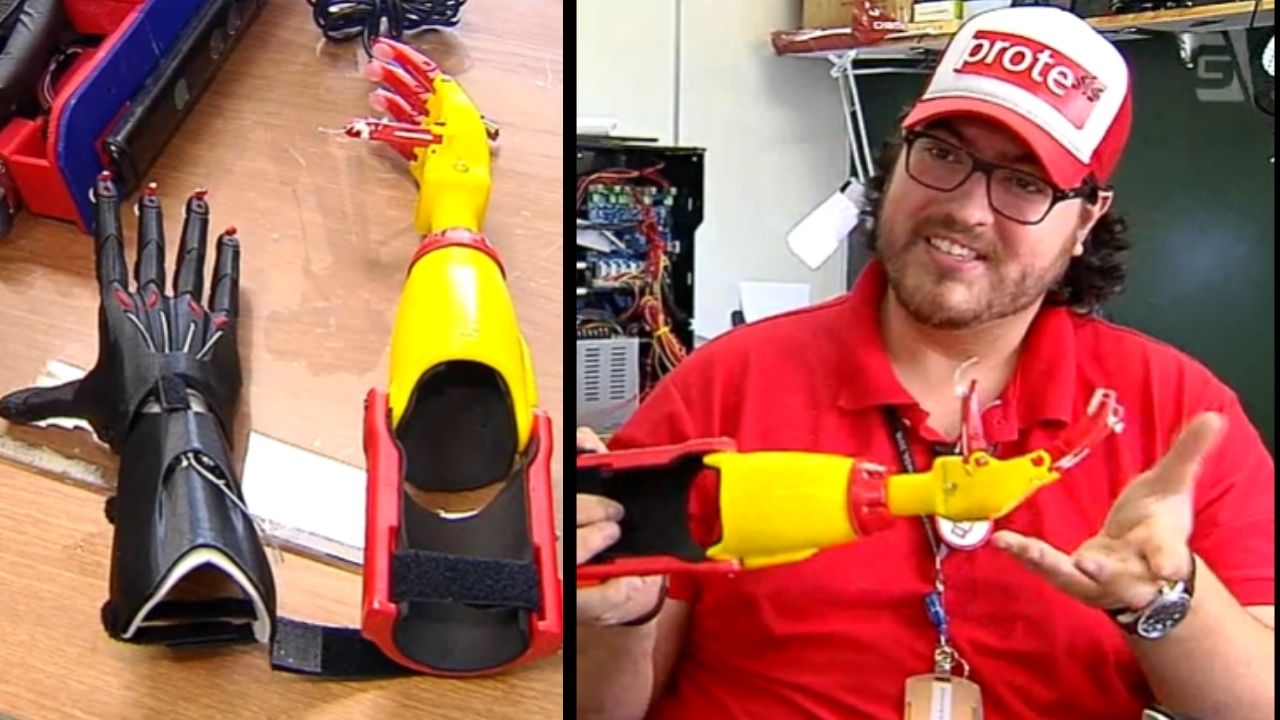
Brazilian Engineer Develops Affordable Custom 3D-Printed Prosthetics for Children and Teens, Operated by Elbow or Wrist Movement Without Batteries

-
China Left 51 Rocket Bodies in Low Earth Orbit Between 2021 and 2025, Doubling Previous Period, Report Warns of Space Debris Threatening Satellites for Decades
-
Brazilian Researcher Uses Low-Cost Sensors to Measure Cyclists’ Pollution Exposure in São Paulo

-
18 Iron Age gold coins discovered by a teacher using a metal detector in a Suffolk field sell for £33,200 at auction, exceeding estimates.


So far, scientists have collected over 2,000 samples of human feces and fermented foods from different countries. All are stored in frozen conditions at the University of Zurich.
According to Maria Gloria Dominguez-Bello, chair of the initiative and professor at Rutgers University, this is “a proactive effort to protect and preserve the microbial life essential to the health of our planet and its inhabitants.”
Ethical Principles
In addition to research, the initiative has established clear rules to ensure ethical governance and fair collaboration.
One of the principles is to respect the sovereignty of the countries that provide the samples. This means that the material continues to belong to the country of origin.
There is also the provision for fair sharing of benefits and recognition of traditional knowledge and rights of indigenous communities.
Rutgers University emphasizes that “these microbial communities are threatened by human activities.”
In humans, for example, excessive use of antibiotics, the increase in cesarean births, and feeding with infant formulas can reduce intestinal microbial diversity. This raises risks of allergies, autoimmune diseases, and metabolic disorders.
Threats and Consequences
In food, excessive addition of preservatives and additives harms beneficial microorganisms. The balance of microbiomes — communities of microbes living in the human body, in the soil, in water, and in food — is essential to prevent diseases, ensure harvests, and even regulate the climate.
Martin Blaser, director of the Advanced Biotechnology and Medicine Center at Rutgers, compares the situation to climate change. For him, “human activities are depleting our microbiome, and there is much evidence of this.”
In agriculture, excessive use of pesticides threatens soil microbiomes, undermining crop health.
In nature, pollution, climate change, and habitat destruction eliminate microorganisms that help maintain ecosystems and regulate climate.
The project aims to identify healthy microbes, store them, and freeze them before they disappear. It is a long-term initiative that may take decades to show results. Blaser highlights that, perhaps in 100 years, preserving these species could prevent large-scale disasters.
Next Steps of the Project
The goal now is to expand the collection to 10,000 samples by 2029. This “Growth Phase 1” aims to seek government funding, as well as philanthropic and university support.
According to Dominguez-Bello, “we are fully committed to developing the Microbiota Vault in a way that maximizes equity around the world.”
The project gained international attention with the publication of an article in Nature Communications on June 27, a date that marks World Microbiome Day.
With information from Tilt.uol.


