






 Portuguese
  Spanish


International Trade Is Going Through Constant Changes, With Tariffs and Sanctions Impacting Strategic Sectors. The New U.S. Tariff Policy on Steel May Directly Affect Brazilian Exporters, Generating Billion-Dollar Losses in the Steel Sector, but Without Major Impact on GDP Growth.
The new tariff on steel imposed by the United States is expected to directly impact the Brazilian steel industry. The Institute for Applied Economic Research (IPEA) estimates that the sector will lose about US$ 1.5 billion in exports.
The measure is already in effect and is expected to reduce Brazilian prduction by nearly 700,000 tons.
Impact on the Brazilian Steel Market
The United States is the main destination for Brazilian steel. In 2024, more than half of the sector’s exports went to the American market.
-
Chinese Manager Accused of Whipping Worker Sparks Protest by 1,200 Employees at Major Brazilian Factory

-
France Revamps 530 Social Housing Units with Large Balconies and Glass Facades Without Demolishing Existing Buildings

-
10-Year-Old Max Makes History with Paris Fashion Show, Launches Own Brand, Hires Staff, and Sets World Record as Youngest Runway Designer

-
Bolivian Female Construction Workers Form Association to Combat Discrimination and 38% Pay Gap in the Industry
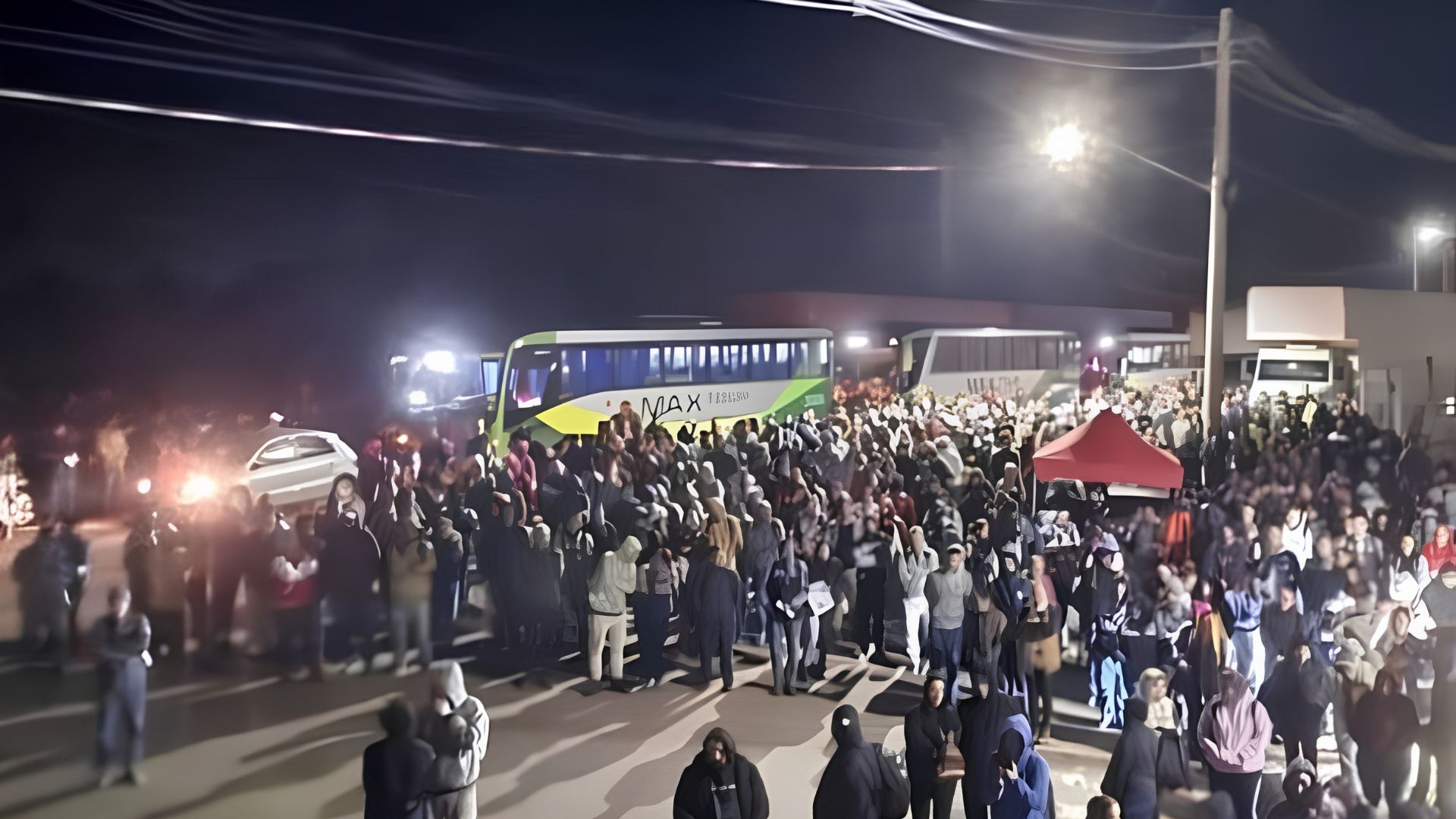



The new tariff represents a challenge for the national industry, which is now seeking alternatives to minimize the losses.
Fernando Ribeiro, coordinator of International Economic Relations at IPEA, emphasizes the importance of the American market for Brazil.
According to him, it is essential for the country to find ways to negotiate the measure:
“This is because the United States is a very important market for Brazilian steel. In 2024, the latest data we have, they were the destination for more than half of exports. Therefore, it is a crucial steel market for Brazil, and hence the importance of addressing this issue,” says Ribeiro.
Negotiation Attempts
The Aço Brasil Institute and Brazilian steelmakers hope that the Brazilian government can reach a new agreement with the U.S.
The entity reinforces the importance of restoring the import system negotiated in 2018 during Donald Trump’s first term.
At the time, the two countries agreed on import quotas of 3.5 million tons of semi-finished products and 687,000 tons of flat products, tax-free.
With the new measure, all imports are now taxed at 25%.
Pressure from the American Industry
The resistance to restoring the agreement does not come only from the U.S. government.
The CEOs of the three largest American steel companies have urged Trump to maintain the tariffs without concessions. According to them, the change in tariffs is necessary to ensure national security.
The pressure from the American industry reinforces the challenge for Brazilian diplomacy to overturn the measure.
The government needs to find a way to engage in dialogue with the U.S. and defend the interests of the national steel sector.
Impact on the Brazilian Economy
The IPEA study estimates that the new tariff will reduce Brazilian steel production by 2.19%.
Additionally, it may cause a contraction of 11.27% in the metal’s exports and a reduction of 1.09% in imports.
However, the impact on the Brazilian Gross Domestic Product (GDP) is expected to be small. According to Ribeiro, the estimated drop in GDP is only 0.01%, while total exports are expected to decline by 0.03%.
Despite the low influence on GDP, the measure worries the steel sector, which fears a more extensive contraction in the industry.
Consequences for the American Market
The Brazilian industry plays an important role in supplying steel to the United States.
In 2024, Brazil accounted for 60% of the American mills’ demand for steel plates, equivalent to 5.6 million tons.
The Aço Brasil Institute warns that maintaining the new tariff could also harm the American industry. Without Brazilian plates, U.S. steelmakers may face difficulties in maintaining production.
The expectation now is for the outcome of negotiations between the two governments and the impact of the measure in the coming months.


