






 Portuguese
  Spanish


Small tiles and dot floors gained space because of the retro look, but the excess grout in a modern bathroom can accumulate dirt, retain moisture, stain over time, and make maintenance much more tiring for those seeking practicality after the renovation
The retro detail that many people added to the bathroom to make the house charming has now become a target for designers for a simple reason: small tiles and dot floors multiply the grout.
The visual effect can be beautiful on the first day, but the routine changes with use. In a modern bathroom, the number of joints on the floor increases the points where dirt, moisture, and stains can appear.
The information was published by The Spruce, a home, decoration, and household care site. The topic gained traction because many projects started to value larger floors, with fewer divisions and simpler maintenance.
-
Couple Transforms Suffolk’s Last 1891 Windmill into Luxurious Four-Story Home with Zinc Observation Room in England

-
Father and Son Build 97 cm Thick Circular Stone House in Brazil, Inspired by Scottish Architecture, Creating a New Agrotourism Hub
-
Sweden Removes 200-Ton Concrete Gallery to Restore Pjältån River’s Natural Flow in Europe’s Largest Aquatic Restoration Project

-
Key Infrastructure Projects for Brazil’s Next President: Expanding Railways to Cut Transport Costs, Reduce Truck Traffic, Create Jobs, and Boost Industries Nationwide


Why dot floors became a problem in modern bathrooms
The dot floor draws attention for its old and delicate look. It creates a decorative appearance, common in bathrooms with retro inspiration.
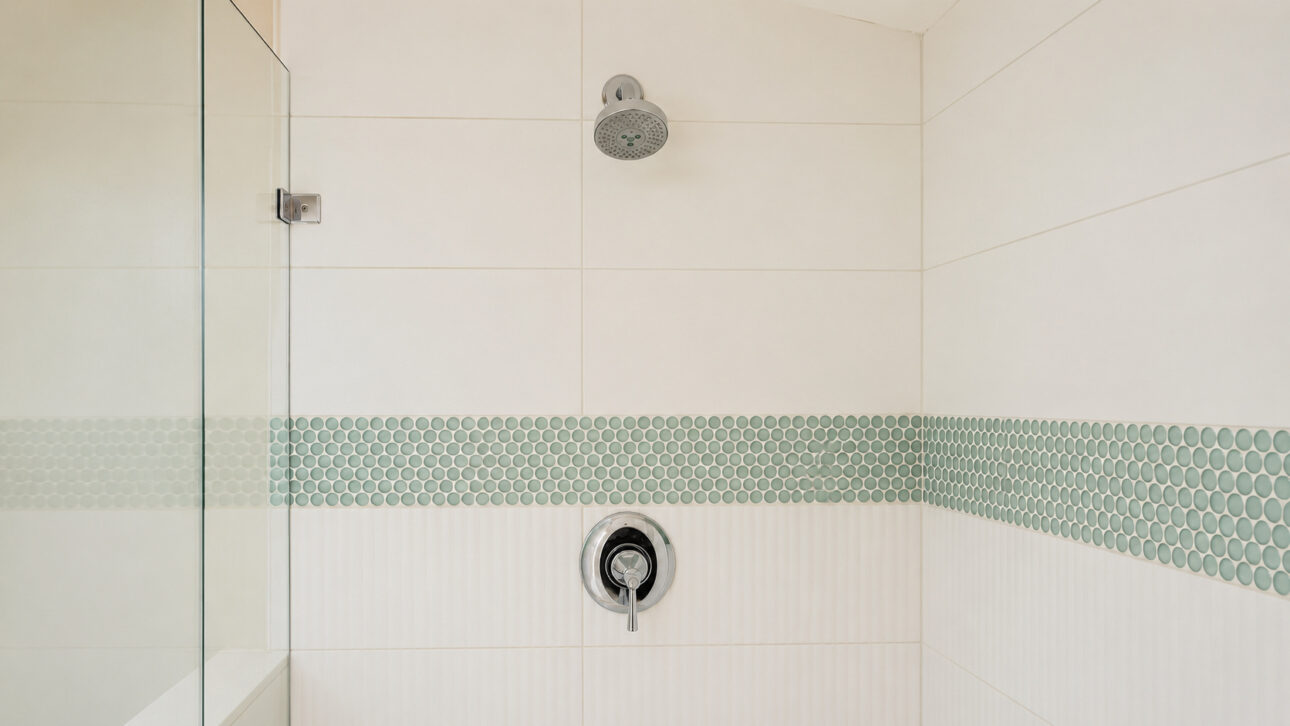
The problem starts in the space between one piece and another. This space receives grout, which seals the floor joints, but can also retain dirt and moisture.
The smaller the piece, the greater the number of joints. Therefore, small tiles and tiny mosaics require more care than large slabs.
In wet areas, like bathrooms, this difference weighs more. The floor receives water, steam, soap, residues, and dust every day.
Grout is the invisible point that changes bathroom cleaning
The grout may seem like a small detail, but it can change the entire cleaning routine. When there is too much of it, it creates several lines that need to be taken care of.
Designer Jennifer Homeyer, director of The Design House, summarized the visual effect of the problem: “The look of the polka dot floor can seem cluttered and worn out prematurely due to poorly maintained grout.”
This phrase explains why the floor can lose its charm over time. What seemed clean and uniform right after construction can soon appear worn out.
Even when the floor remains sturdy, the grout can darken. Thus, the bathroom starts to look older than it really is.
Small tiles have charm but require more maintenance
Polka dot tiles have existed for 150 years or more and appear in bathrooms, kitchens, entrances, and spaces with a classic look.
They are not just seen as a passing trend. The retro charm still appeals to many people and can work well in smaller areas or decorative details.
The problem arises when this type of floor covers a large and wet area. In this case, beauty needs to compete with frequent cleaning.
Su Ozduran, architectural designer at Country Floors, explained the difficulty: “A 12 x 12-inch area in polka dot flooring has many joints that need maintenance.”
Why larger tiles have gained space in renovations
Larger tiles have gained space because they reduce the amount of grout on the floor. With fewer joints, there are fewer points for dirt to accumulate.

The Spruce, a home, decoration, and domestic care site, detailed that designers have started to advocate for larger format floors to create a cleaner and more continuous appearance.
Jennifer Homeyer cited large-format porcelain tiles as an alternative to reduce grout lines and maintenance. She also associated this finish with a cleaner, more continuous, and durable look.
In bathrooms, pieces like 12 x 24 inches create a broader surface. The result is a visually less cluttered environment.
Dark grout helps to disguise but does not eliminate the problem
Many people choose dark grout to hide stains. This choice can disguise wear for a longer time, but it doesn’t solve everything.
The grout can still change color and appearance over the months. In bathrooms, this change usually appears due to water and humidity.
Moreover, a dotted floor may not feel completely smooth to the touch. For those who walk barefoot in the bathroom, this sensation also influences the choice.
Therefore, the decision should not only consider the photo of the finished project. It’s necessary to think about daily use, cleaning, and the effort to keep the floor looking nice.
How to choose a more practical floor without compromising safety
A bathroom floor needs to be beautiful, but it also needs to be safe. The choice should consider finish, cleaning, and slip risk.
A matte, flat surface with a slight texture can be more practical for wet areas. It helps with safety without creating too many joints on the floor.
Su Ozduran advocated for a more linear, flat, matte surface with a light texture. The idea is to combine slip resistance with a clean appearance.
This approach shows that it’s not necessary to choose a floor full of joints to seek more safety. The right finish can solve the problem with less work.
When small tiles can still make sense
Small tiles can still work in details. They can appear on a wall, in a niche, or in a smaller area of the bathroom.
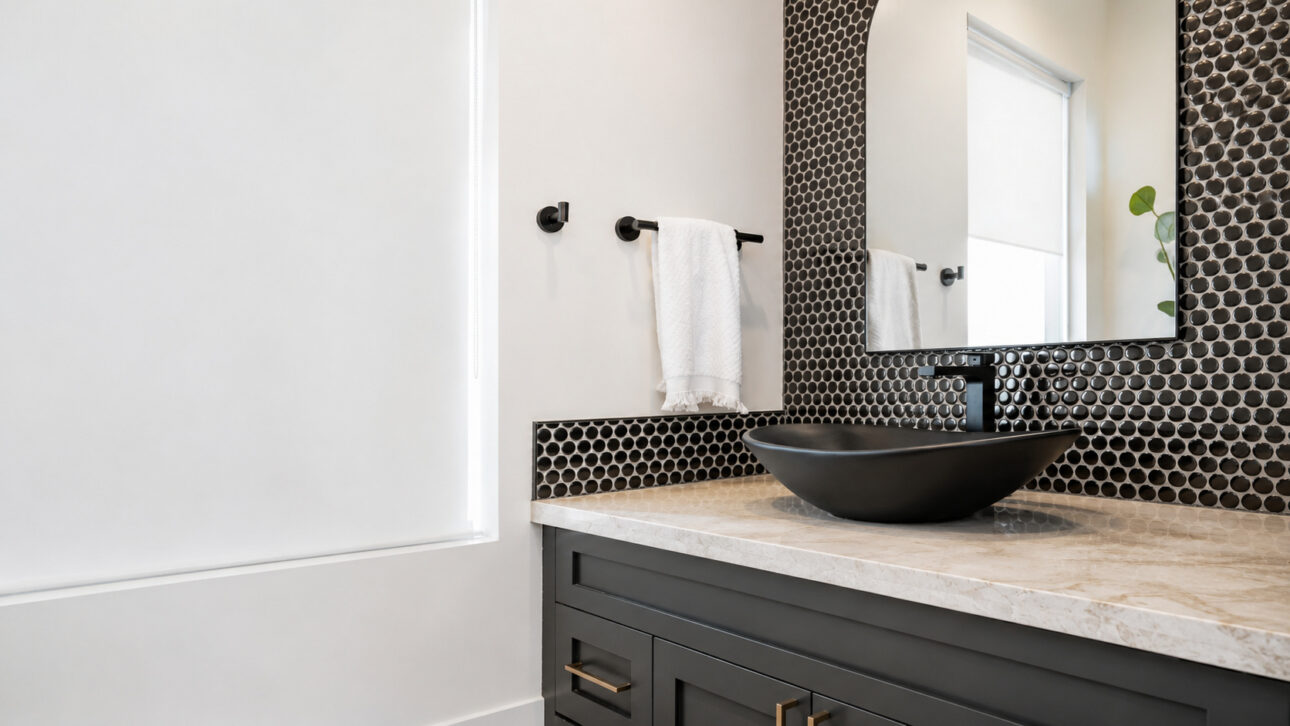
In these cases, the visual impact appears without turning the entire floor into a difficult-to-maintain area. The small piece becomes a highlight, not a daily problem.
It’s also worth considering the bathroom’s use. A rarely used powder room can better accommodate decorative choices. Meanwhile, a heavily used bathroom requires a solution that’s easier to clean.
The main point is simple: small tiles haven’t disappeared, but they need to be used more carefully in wet areas.
The retro detail remains beautiful but is no longer an automatic choice in modern bathrooms. The excess grout has become the point that makes many people rethink the renovation.
In practice, larger tiles, reduced grout, and a matte finish can deliver a current look with less work. Before choosing the floor solely based on appearance, it’s worth considering how it will look after months of water, steam, and cleaning.
If the polka dot floor makes the bathroom more charming at first, but can be a burden in cleaning later, would you choose retro beauty or practicality in daily life? Share your opinion.


