Portuguese
  Spanish


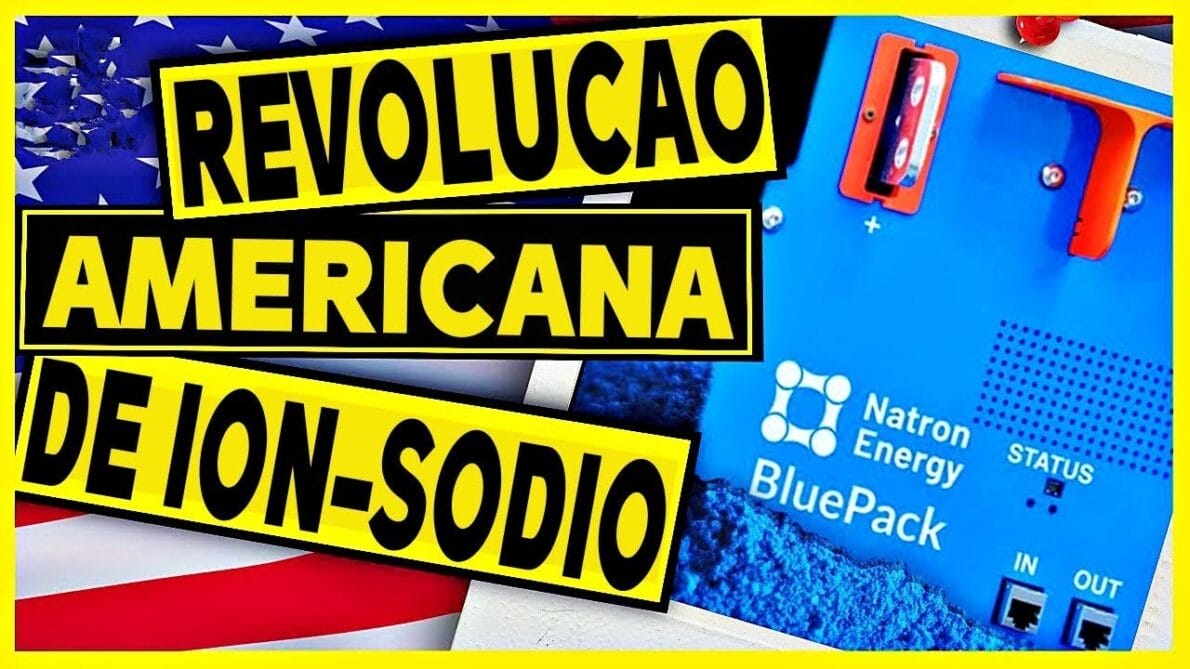

Did You Know That Sodium-Ion Batteries Are Emerging as a Powerful Alternative to Lithium-Ion Batteries? This Technology Could Transform the Electric Vehicle Market and Other Applications. Let’s Explore How the United States Is Utilizing This Innovation to Compete with China.
In 2023, the Chinese car manufacturer BYD launched a compact electric car, the Cagu, which garnered attention for using Sodium-Ion batteries instead of traditional lithium-ion batteries. While China continues to lead in electric vehicle production, the United States is making strides in the development of Sodium-Ion batteries.
Sodium-Ion batteries are a promising alternative to lithium-ion batteries for several reasons. Sodium is the sixth most abundant element on Earth, meaning there is a well-established global supply chain, reducing risks of bottlenecks and price spikes. Sodium is also easier and cheaper to extract and process than lithium.
Sodium-Ion Batteries Work Similarly to Lithium-Ion Batteries, but with Some Important Differences


Like lithium, sodium is an alkali metal with a single electron in its outer shell, making it highly reactive. Sodium has a larger radius and is heavier than lithium, which initially made it challenging to use in batteries. However, researchers have found ways to overcome these limitations.
-
1983 Chevrolet Runs Over 100,000 km Without Gasoline, Powered by Wood Chips, Reaches 125 km/h in Airport Test

-
Workshop Converts Giant Tractor Tire Tricycle into a Three-Wheel Drive Hybrid with 36,000-Watt Electric Motor Capable of Climbing Hills

-
Chery Offers Lifetime Battery Warranty and Car Replacement for Major Failures Under New Chinese Regulations
-
Sales of Brazil’s Cheapest Electric Car Halted Before First Deliveries: E-Motors Suspends Emova Easy Due to Import Tax Increase and Rising Freight Costs



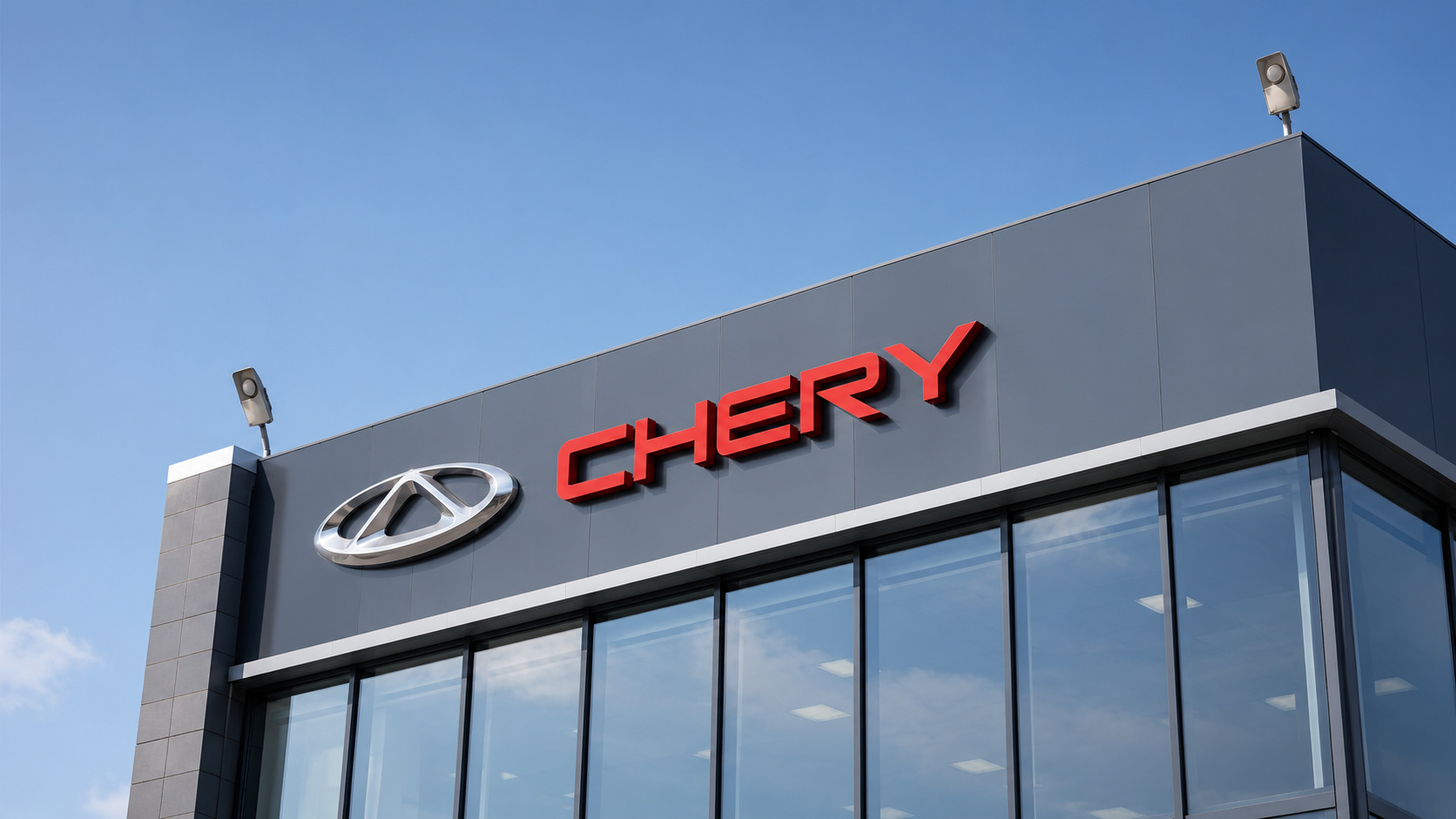

The American company Natron Energy has been at the forefront of developing Sodium-Ion batteries. Since 2012, Natron has been refining its technology, using Prussian blue for both the positive and negative electrodes of the battery cell. This allows for fast and efficient recharging, as well as greater durability.
Natron’s Batteries Can Be Fully Recharged in Less Than 15 Minutes and Provide Over 50,000 Charging Cycles
Natron’s Sodium-Ion batteries are safe, durable, and cost-effective, making them ideal for large-scale renewable energy storage systems. Recently, Natron received significant investments from Clarius International, one of the world’s largest automotive battery suppliers, to increase its production capacity and launch its technology into the market.
While China continues to dominate the electric vehicle market, the United States is making significant advances in Sodium-Ion battery technology. With companies like Natron Energy leading the way, the United States is poised to compete on equal footing with China, offering innovative and sustainable solutions for the future of energy and transportation. Sodium-Ion batteries represent a revolution in the energy sector, and developments in the U.S. show that the country is ready to beat China at its own game.