






 Portuguese
  Spanish
  4 min of reading
  0 comments


Known as the Elevation of the Rio Grande, the submerged area holds mineral treasures and a past that connects it to the African continent, generating a geopolitical dispute.
At the bottom of the Atlantic Ocean, there is a vast area that could redefine Brazil’s economic and geopolitical future. Nicknamed “Brazilian Atlantis”, the Elevation of the Rio Grande is a potential submerged city that holds not only a fascinating geological history but also valuable mineral treasures. The journey to uncover and claim this region is complex and full of challenges.
The Discovery of the “Brazilian Atlantis” on the Coast of the Country
The story of this discovery began in 2013. Brazilian geologists, in a partnership with Japanese scientists, identified what appeared to be a submerged continent. The mysterious formation was more than 1,000 km from the Brazilian coast.
Roberto Ventura Santos, then director of the Geological Service of Brazil (CPRM), announced the discovery. In his words, “this could be the Brazilian Atlantis”. The statement was a reference to the mythical lost continent between South America and Africa. The region, named Elevation of the Rio Grande (ERG), is over 5,000 meters deep and comprises mountains that reach 4,000 meters in height, surpassing Pico da Neblina, the highest point in Brazil.
-
Cabana do Pai Tomás will undergo an urbanization project with a confidential value, new housing, and slope containment in a project funded by the World Bank.

-
Hidden cameras in the jungle capture the Amazon ghost dog for 23 years and reveal curious details about one of the most mysterious canids on the planet.

-
Everyone complains, but everyone stops: Rede Graal charges R$ 20 for a coxinha, earns R$ 2 billion a year, and turned clean bathrooms, bus drivers, and hot bread into a billion-dollar machine on Brazil’s highways.

-
An entire city in Alaska needs to be moved stone by stone due to ice sinking in a mega relocation project that will cost hundreds of millions of dollars.


How Red Clay Revealed a Lost Continent
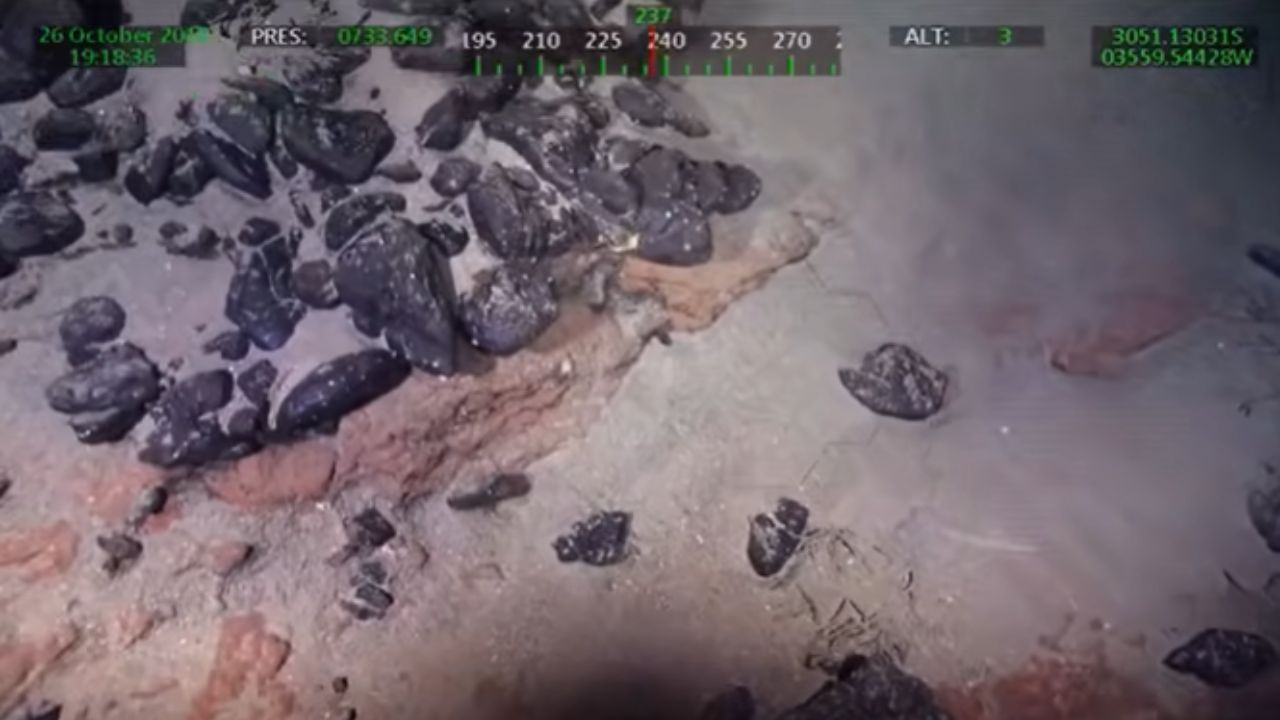
Despite the discovery in 2013, the first significant expeditions took place in 2018. Research vessels from Brazil and England joined forces. Researchers from USP and the University of Southampton conducted dredging, a process of retrieving materials from the seabed for study.
In this process, they found a sample of red clay. This type of clay is not characteristic of the seabed. It forms only on the surface and in tropical climates. Its presence at the site indicates that at some point in the past, that region was above sea level. “The fact that we are finding these indications that this area was an island until recently is very important,” said Professor Luís de Giovani, one of the people responsible for the work.
From Supercontinent Gondwana to the Seabed
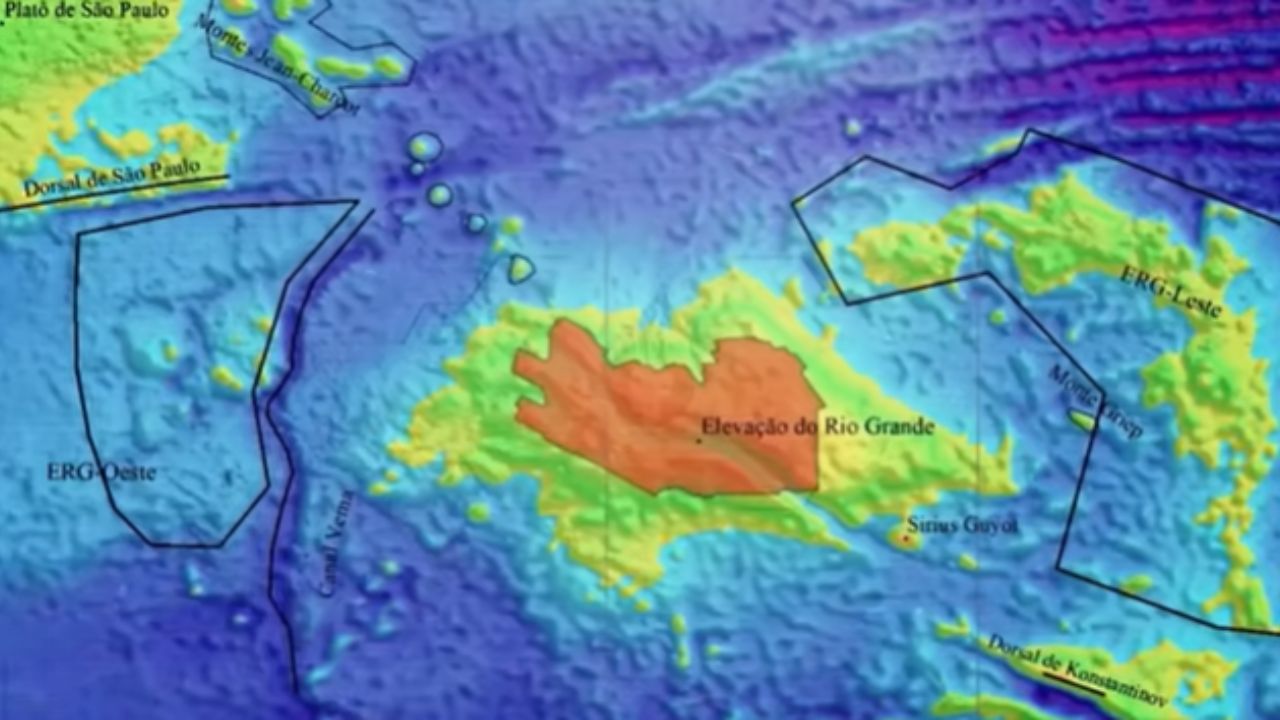
It is believed that the Elevation of the Rio Grande was part of the supercontinent Gondwana. This landmass connected South America and Africa millions of years ago. Gondwana began to fragment about 100 million years ago.
The breakup gave rise to the continents as we know them, and apparently to this submerged city. However, the ERG did not sink immediately. The submersion occurred about 40 million years ago, caused by the weight of a volcano, lava, and the movement of tectonic plates. Estimates suggest that the island was roughly the size of Spain.
Rare Metals and Brazil’s Economic Future
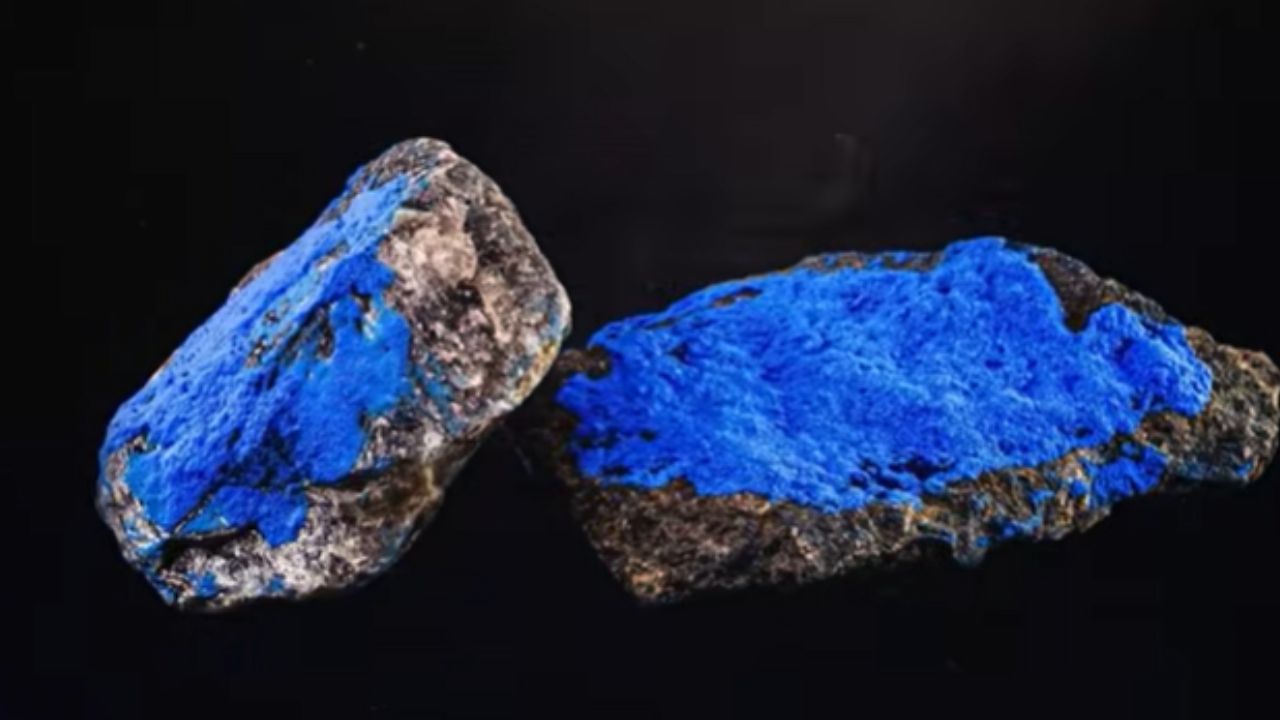
Analyses revealed that the region is rich in the so-called ITEC elements. These are rare and highly valuable metals, such as cobalt, nickel, platinum, selenium, and niobium. All are essential for the production of solar panels, batteries, and other cutting-edge technologies.
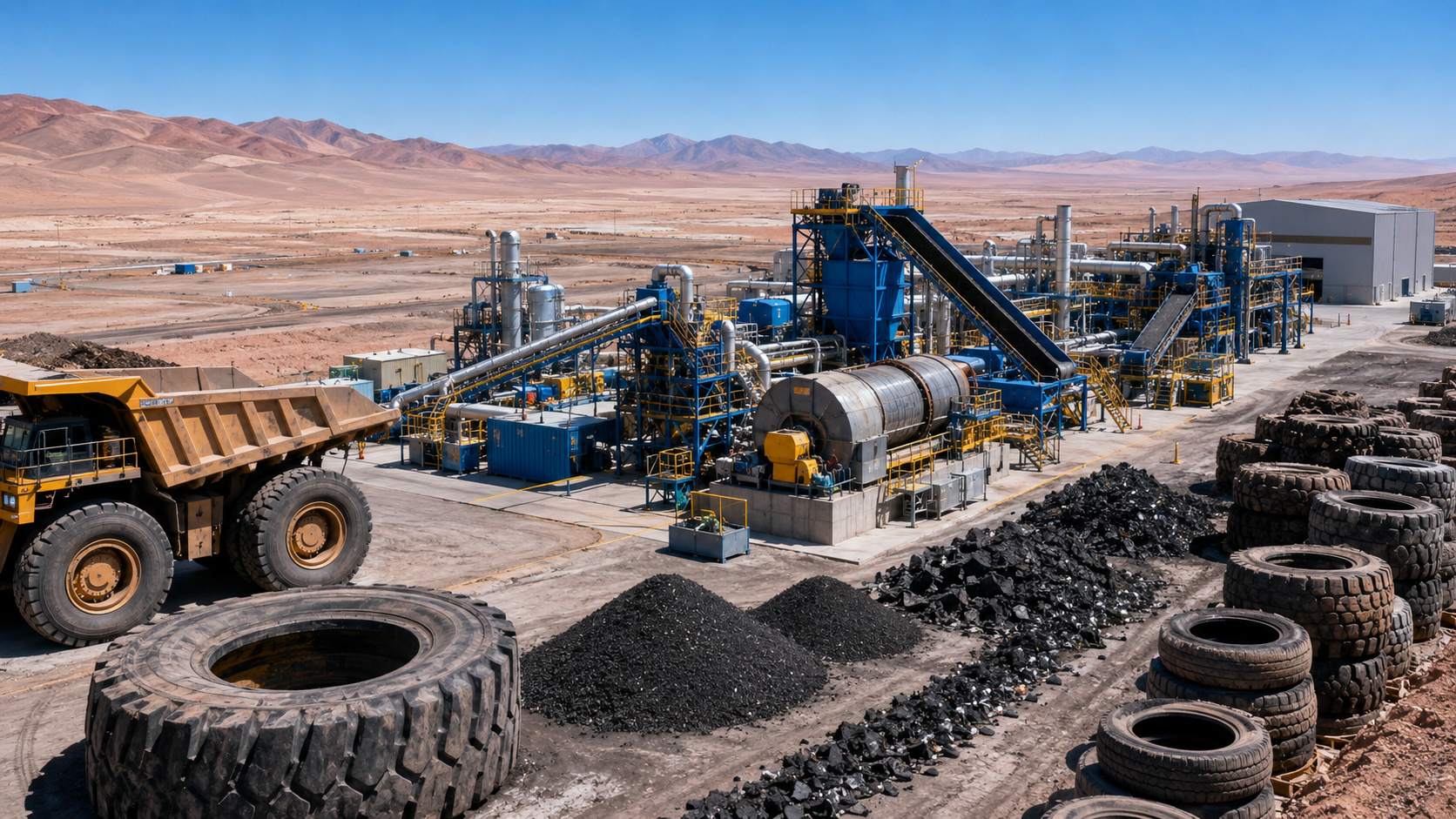
The exploration of the ERG could generate billions of dollars in revenue for Brazil. This would not only reduce dependence on the import of these metals, but would transform the country into a major global supplier. A conservative study by CPRM estimated that the cobalt already identified in the area could be worth more than 8 billion dollars.
Diplomatic Battle and Environmental Risks
The main obstacle is the location. The ERG is in international waters, well beyond Brazil’s Exclusive Economic Zone. Brazil has requested the UN to include the area as an extension of its continental shelf, within the project “Blue Amazon”, but the claim has not yet been approved. There are doubts as to whether the formation is a natural extension of the Brazilian or African continental margin.
Currently, Brazil has a contract with the International Seabed Authority (ISA) that only permits research in the area, valid until 2030. Extraction would require a new authorization, cutting-edge technology that the country does not yet possess, and a very high investment. Additionally, there is the environmental issue. Biologists warn that the local ecosystem is unique, with organisms that reflect life in the oceans for millions of years. Any intervention could lead these species to extinction.



Be the first to react!