Portuguese
  Spanish


With an annual revenue cited at R$ 2 billion, Rede Graal became a reference on Brazilian roads by selling predictability: expensive coxinha, clean bathroom, hot bread, and convenience. The stop fuels memes but attracts families, truck drivers, and buses in search of safety, fresh food, and reliable structure during long, tiring trips.
The Rede Graal has become one of the most curious cases of Brazilian road retail by turning a roadside stop into a billion-dollar business. The company, associated with high prices and standardized services, appears in the popular imagination as the place where many people complain about the bill, yet still decide to stop.
According to a video published by the Fernando Miranda channel, on May 17, 2026, the story began in São Paulo, with brothers Antônio Eduardo de Rocha Alves and Manuel da Rocha Alves, who transitioned from the bakery to the road sector. The first station of the network, Graal Petropen, was inaugurated on September 20, 1974, at km 461 of the Régis Bittencourt Highway, an important corridor between the Southeast and the South of Brazil.
The expensive coxinha became a meme, but the stop remains full
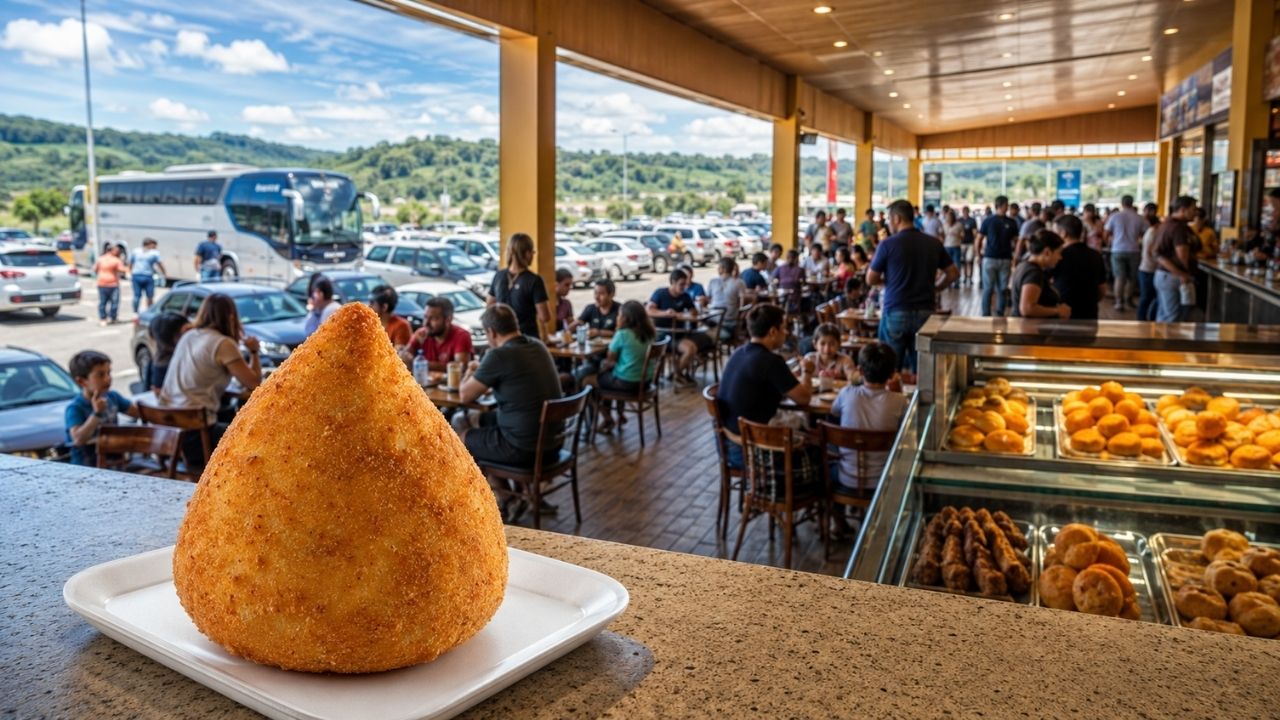
The fame of Rede Graal involves a contradiction that almost every traveler recognizes: the consumer complains about the price, jokes about the expensive coxinha, promises not to return, but on the next trip ends up stopping again. The reason is not just the snack, but the overall experience.
-
Brazilian Construction Worker Moves to France, Earns Up to €2,500 Monthly with Home Renovations, Gains Social Media Attention

-
US Navy Sinks USS Oriskany with 230 kg of C-4, Creating World’s Largest Artificial Reef in 37 Minutes

-
U.S. Dumped Tanks, Jeeps, and Coca-Cola into the Pacific in 1945 After British and French Lowball Offer, Creating “Million Dollar Point”
-
WHO Warns of Unnecessary Interventions in Natural Births Worldwide, Advocates for More Human-Centered Care, Reigniting Debate on Medicalization





On the road, the customer doesn’t just buy food. They buy predictability. Clean bathroom, organized table, busy parking lot, lighting, hot bread, and family-friendly environment weigh heavily when the alternative is stopping at an unknown place, not knowing if there will be safety, hygiene, or structure for children and the elderly.
This logic helps explain why the Graal Network became more than just a gas station. For many families and bus passengers, the brand has become synonymous with a reliable stop. Even when the price is bothersome, the feeling of knowing exactly what will be found reduces resistance when it comes to consuming.
How the Graal Network turned cleanliness into a brand strategy
Before the network’s expansion, many roadside stations were remembered for their simple structure, irregular service, and uninviting restrooms. The proposal of the Graal Network was to occupy another space: offering a restaurant, bakery, store, rest, and refueling in an environment with a more controlled appearance.
The differentiator was not just selling fuel or food. It was creating a mental routine in the traveler. Those who spend hours on the road, tired and in a hurry, tend to choose the place that seems safest. Cleanliness, in this case, becomes an economic argument, not just an operational detail.
Over time, this repeated delivery built a strong association between the brand and the idea of trust. Each successful stop reinforces the next decision. That’s why Graal doesn’t depend only on the customer’s hunger, but also on their fear of making the wrong stop in the middle of the trip.
The role of bus drivers in consumption within the network
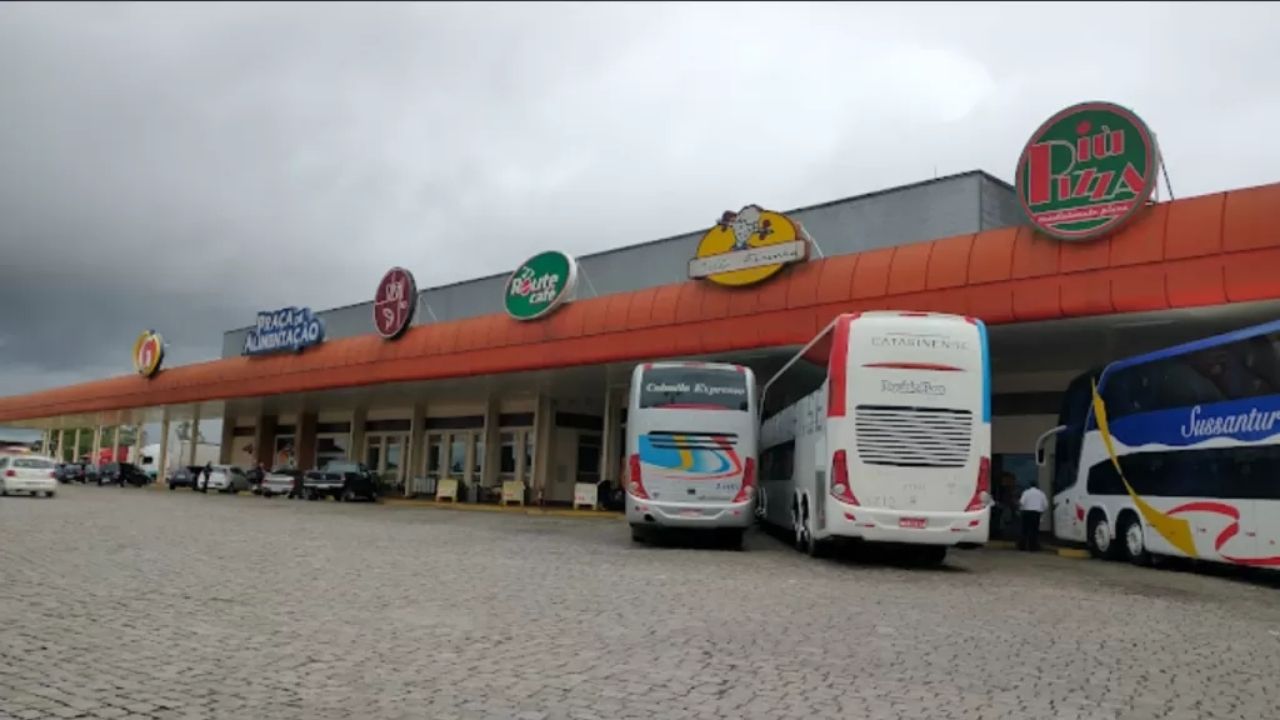
One of the most strategic points of the model is the relationship with bus drivers, tours, and transport companies. Instead of competing individually for each passenger, the Graal Network benefited from those who choose where dozens of people will get off at the same time.
When a bus stops, the consumption doesn’t come from just one person. Passengers come hungry, children asking for snacks, families using the restroom, travelers buying coffee, water, bread, sweets, and souvenirs. A driver’s decision can bring 40 or 50 consumers into the same unit.
According to the base material, drivers receive benefits such as meals and coffee, which strengthens the incentive to choose a stop with structure. For the passenger, the practical decision remains: consume there or wait until the next opportunity, without knowing how long that will take.
Why the high price doesn’t drive away all customers
The question that most frequently arises when talking about the Graal Network is simple: why do so many people pay a high price? The answer lies in the difference between price and perceived value. A R$ 20 coxinha seems excessive when compared to a regular snack bar, but the comparison changes when the customer is on the road.
The traveler does not only evaluate the snack. They consider the restroom, safety, comfort, parking, service, variety, bakery, and the chance to meet several needs in one place. The price of the food also carries the price of convenience.
This does not eliminate criticism. The discomfort with high prices exists and fuels memes on social media. But, for part of the public, the additional cost is accepted as a trade-off for a less risky experience. It is at this point that the Graal Network managed to turn complaints into recurring traffic.
Billboards, location, and habit created a mental shortcut on the road
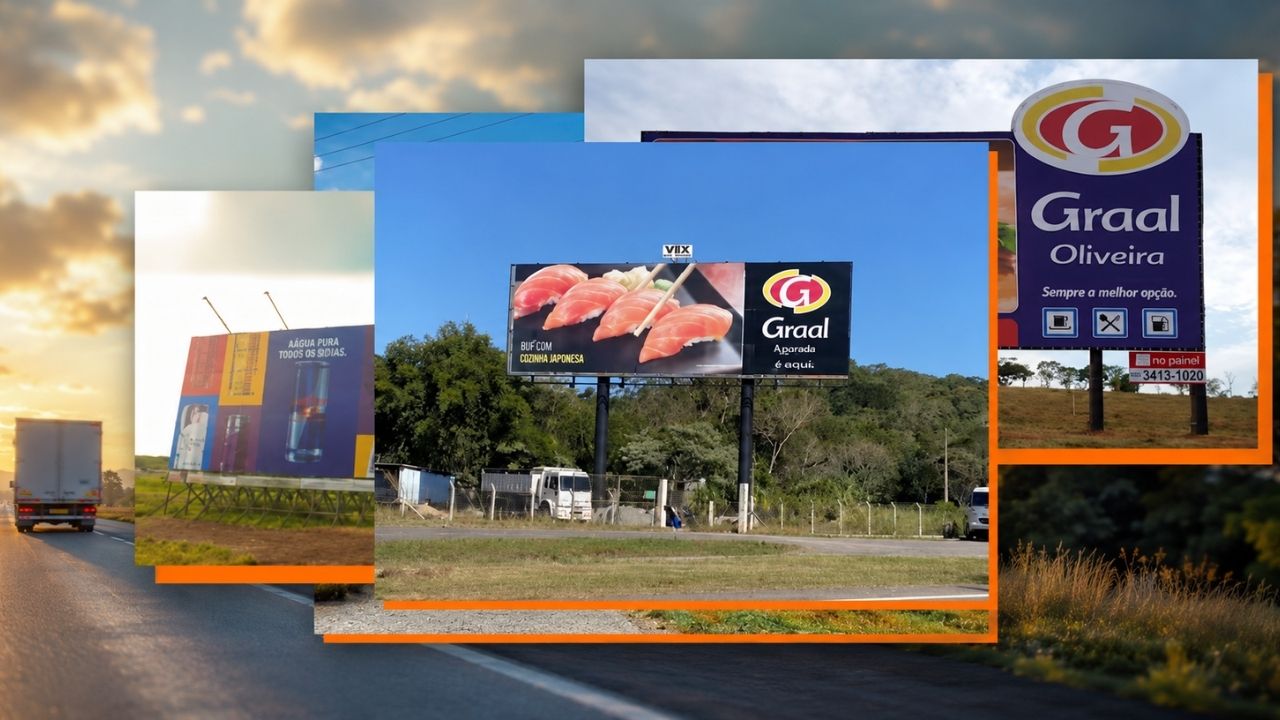
The presence of the Graal Network on busy highways is also a central part of the strategy. The network has grown in important corridors such as Régis Bittencourt, Dutra, Anhanguera, Bandeirantes, and Fernão Dias, places where the flow of cars, trucks, and buses sustains a large volume of customers.
On the road, signs and billboards work differently from urban advertising. The driver is looking at the road, calculating distance, restroom, hunger, fuel, and fatigue. When they see the indication of a unit a few kilometers ahead, they start planning the stop even before arriving.
The brand enters the decision before hunger becomes urgent. This anticipation creates an advantage over smaller competitors, who only appear when the driver has already passed or when there is no time to decide calmly.
Thematic units help turn stops into memories
The Graal Network also invested in units with their own identity, using themes and environments that make some stops more memorable. Instead of all being perceived as the same, certain units become part of the travel experience.
This strategy helps create conversation, photos, memories, and recommendations. Families talk about where they stopped, children recognize the place, travelers remember the bread, the restaurant, or the decoration. When a stop becomes a memory, it ceases to be just an expense.
In road retail, this carries weight. The customer may forget the exact price they paid, but they tend to remember if the bathroom was clean, if the food was hot, and if the stop seemed safe. The experience, when repeated, becomes a habit.
Quality control upholds the promise of trust
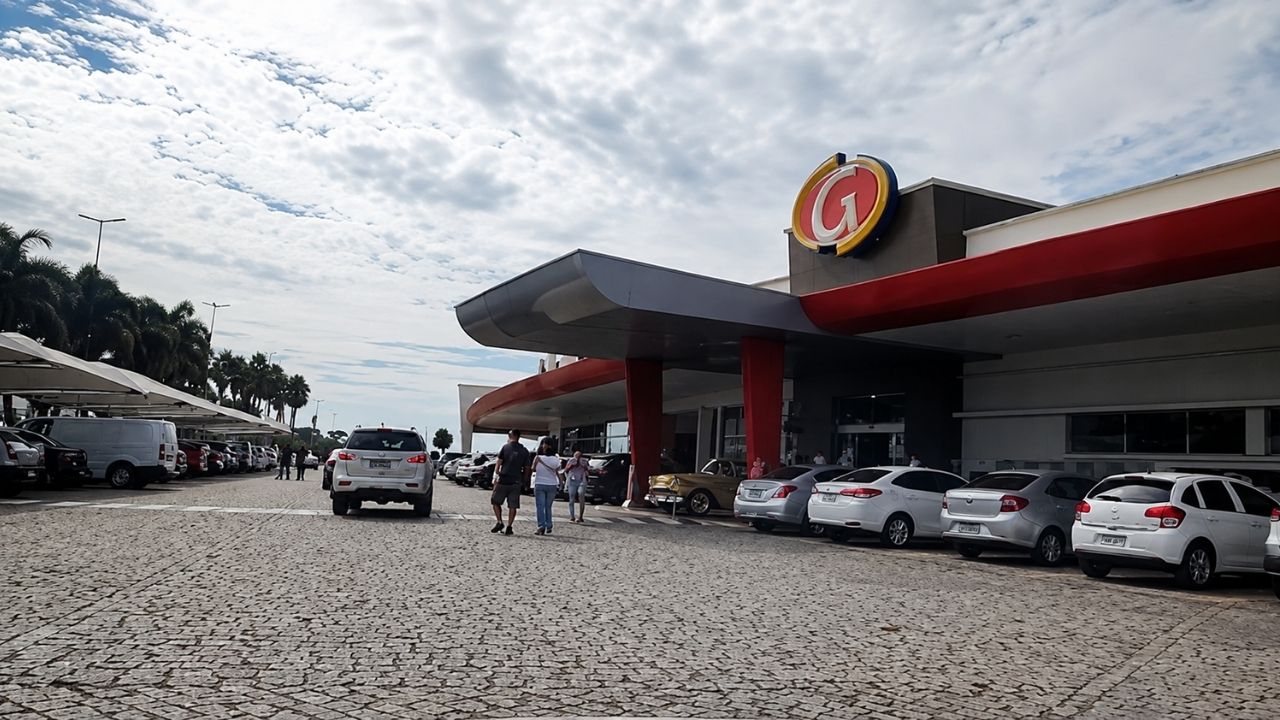
To charge more, Rede Graal needs to maintain a standard that justifies the choice. The base material cites the network’s quality control, with its own laboratories, fuel tests, and inspections to monitor gasoline, diesel, and additives.
This technical layer is important because the brand does not rely solely on food. It is also linked to trust in supply. A problem with fuel, dirt, or poor service could directly affect the reputation built over decades.
When the business sells safety, any failure weighs more. Therefore, standardization becomes part of the product. The customer does not see all the internal processes but expects them to exist when choosing to stop at a known unit.
Rede Graal tries to adapt to electric cars without abandoning its logic
The transformation of transportation has also entered the radar of Rede Graal. The base material cites Eletrograal, a division focused on electromobility, with ultra-fast chargers installed in network units and an estimated recharge time between 20 and 30 minutes.
This detail shows that the business logic remains the same: keep the traveler stopped long enough to consume. If before the stop was motivated by fuel, food, and bathroom, now it can also include the recharge of electric vehicles.
While the car charges, the driver has lunch, drinks coffee, or buys something to take away. The energy changes, but the core of the strategy remains: turning waiting time into consumption within a controlled environment.
An empire built on predictability


The base material cites an annual revenue of R$ 2 billion, 61 operations, 10,000 employees, and monthly service to millions of cars, buses, and trucks. It also mentions expansion plans, including new units in the coming years.
These numbers help explain why Rede Graal is regarded as a strong case of a road business in Brazil. The company didn’t grow just by selling snacks, but by dominating strategic points, creating habits, and occupying an emotional space in the traveler’s mind.
In the end, the network’s main product might not be the coxinha, the bread, or the coffee. It is the certainty of finding a familiar stop when the road is long, tiring, and full of uncertainties.
Complaining about the price and stopping anyway says a lot about the Brazilian consumer
The story of Rede Graal shows that a high price doesn’t always prevent consumption when there is perceived value. The customer may complain, compare, laugh at memes, and still choose the brand because it solves a practical problem at a moment of vulnerability.
The road changes the way people decide. Hunger, fatigue, a child in the back seat, an urgent bathroom need, and fear of stopping in a bad place make the choice less rational than it seems. In this scenario, trust can be worth more than savings.
And you, have you ever stopped at Rede Graal even thinking everything is expensive? Do you believe the price is justified by the structure, or do you think the fame allowed for exaggerations? Share your experience and say if, on your next trip, you would choose to save money or stop where you already know what you’ll find.