






 Portuguese
  Spanish
  4 min of reading
  0 comments


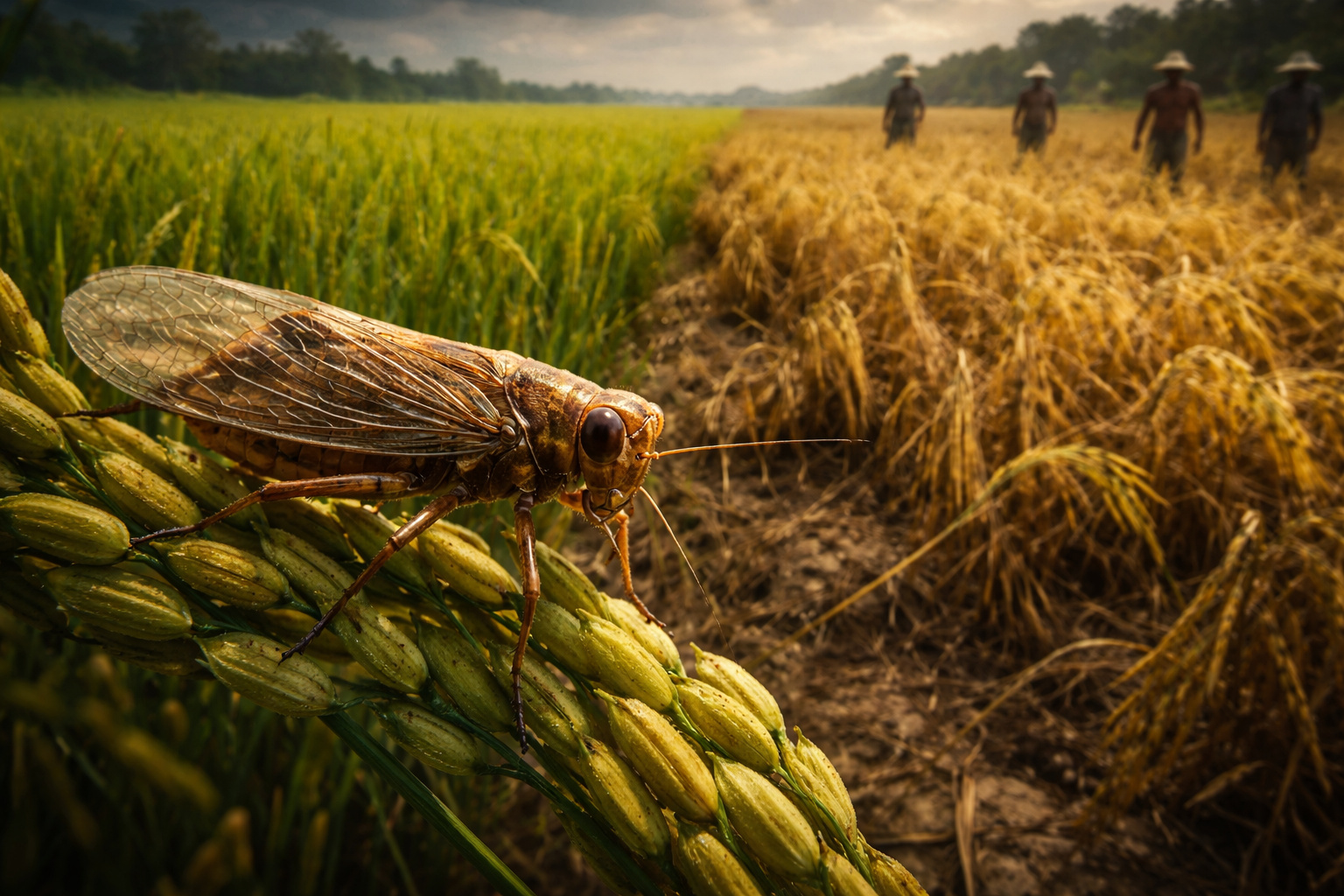
A Microscopic Insect Threatens Up to 50% of Rice Harvests in Southeast Asia, Putting the Staple Food of 3.5 Billion People and Global Food Security at Risk.
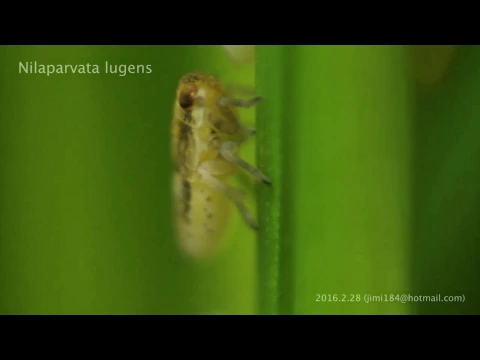
Rice sustains half of the world’s population. In many Asian countries, it is not just a side dish but the absolute basis of daily nutrition, responsible for the majority of caloric intake for billions of people. This is precisely why a tiny insect, almost imperceptible to the naked eye, has come to be treated as one of the greatest agricultural threats on the planet. The rice planthopper, scientifically known as Nilaparvata lugens, has been causing losses that can reach 50% of crops in entire regions of Southeast Asia, raising global alerts about food security.
The spread of this pest is neither episodic nor localized. Reports from FAO and studies published in journals like Nature Climate Change show that increasingly intense outbreaks have occurred in Indonesia, Vietnam, the Philippines, Thailand, and parts of China, affecting millions of hectares of cultivated land and pressuring governments to adopt emergency measures.
What is the Rice Planthopper and Why Is It So Destructive
The Nilaparvata lugens is a sap-sucking insect that feeds directly on rice sap. By piercing the plant tissues, it compromises the transport of nutrients and water, leading to rapid weakening of the crop.
-
Low-Demand Brazilian Beef Offal Gains Popularity Abroad: Indonesia Purchases $19.5 Million, Boosting Revenue and Reducing Waste

-
Soy Expansion in Former Brazilian Savanna Sparks Water and Land Conflicts in Major Agricultural Frontier
-
Mexican Pest Threatens U.S. Cattle Herds at Historic Lows, Potentially Boosting Brazilian Beef Exports as Burger Prices Soar

-
Avocado Boom for European and U.S. Markets Fuels Water Crisis in Drought-Stricken Chilean Region


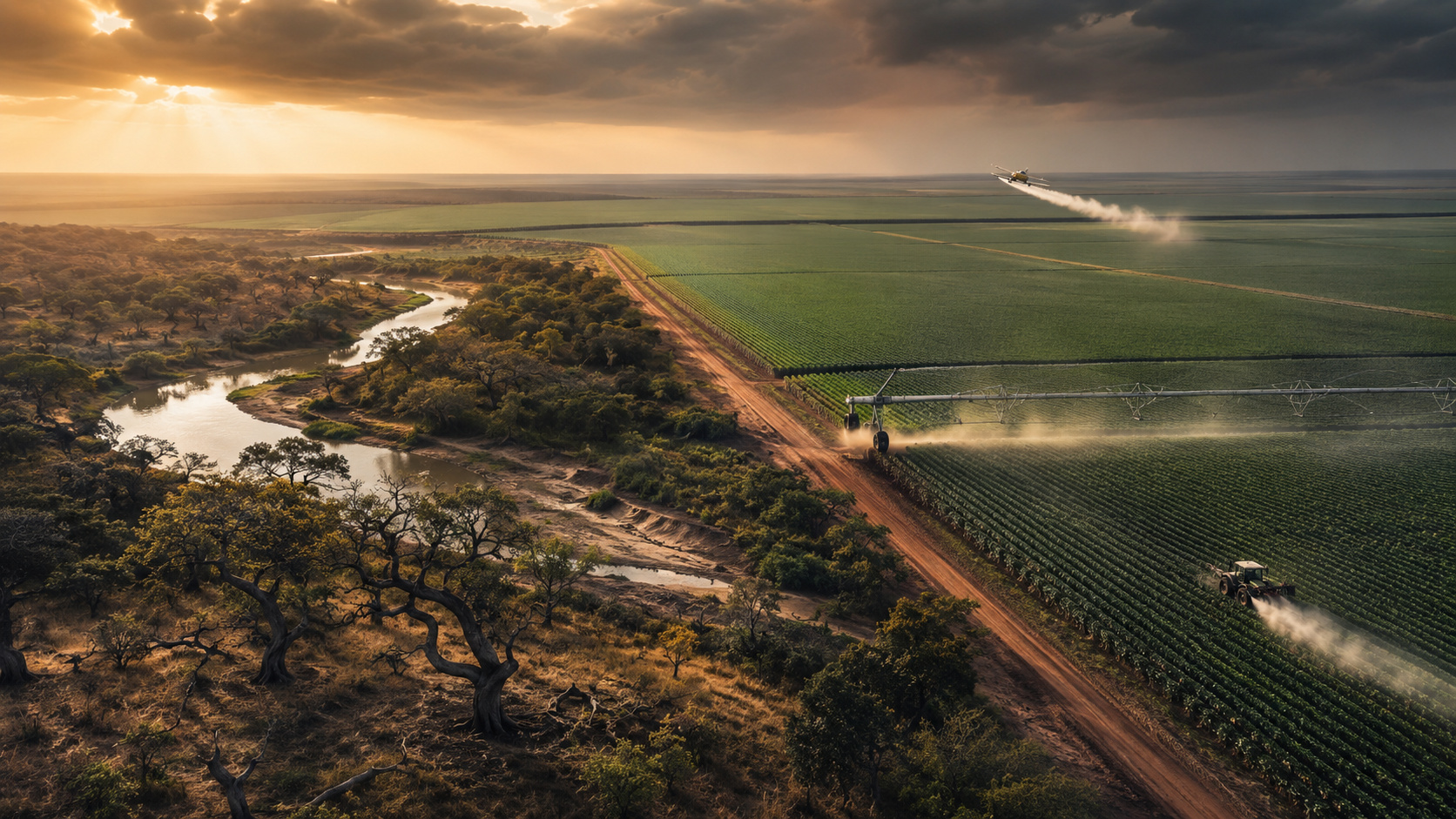


In severe infestations, a phenomenon known as “hopperburn” occurs, when extensive areas of rice fields completely dry out in just a few days, as if they had been burned.
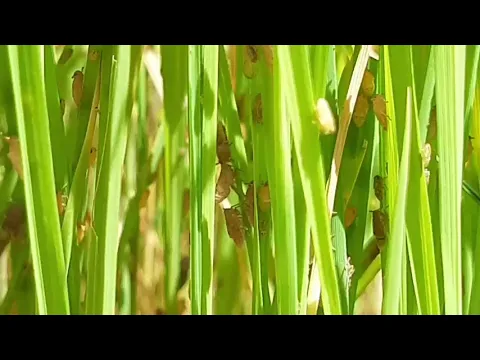

The problem goes beyond direct suction. The rice planthopper also acts as a vector for highly destructive viruses, such as the white leaf virus and rice dwarf virus, which drastically reduce productivity even when the plant does not die. In intensely affected crops, losses can exceed half of the expected yield.
Why Southeast Asia Is the Epicenter of the Crisis
Southeast Asia holds the ideal conditions for the proliferation of the rice planthopper. Warm climate, high humidity, continuous cultivation cycles, and extensive monoculture areas create a perfect environment for population explosions of the insect.
Additionally, many countries in the region have adopted, in recent decades, genetically similar high-yield rice varieties. This low genetic diversity has facilitated the adaptation of the pest, making fields more vulnerable to large-scale infestations.
FAO data indicates that in Indonesia and Vietnam alone, millions of hectares have already suffered severe losses in years of intense outbreaks, with direct impacts on domestic supply and food prices.
The Direct Impact on Billions of People
Rice feeds more than 3.5 billion people daily. In countries like Vietnam, the Philippines, and Indonesia, it represents more than 40% of the average caloric intake of the population.
When production drops abruptly, the effects are not limited to the field: prices rise, food insecurity increases, and governments are forced to import large volumes to avoid shortages.
Studies cited by Nature Climate Change show that extreme weather events, combined with outbreaks of the rice planthopper, can amplify food crises, primarily affecting low-income populations. In rural areas, small farmers lose entire harvests and are left without income for a full season.
Why Chemical Control Failed
For decades, the combat against the rice planthopper has been based on the intensive use of insecticides. The result, however, was the emergence of increasingly resistant populations. In several regions of Southeast Asia, the Nilaparvata lugens already shows documented resistance to multiple classes of pesticides.
Moreover, the indiscriminate use of chemicals eliminated natural enemies of the insect, such as spiders and predatory wasps, creating an opposite effect: less biological control and more population explosions of the pest.
FAO reports indicate that in some cases, pesticide application exacerbated the problem, accelerating the selection of more resistant individuals and disrupting the agricultural ecosystem.
The Relationship with Climate Change
Global warming adds a critical factor to the equation. Higher temperatures and irregular rain patterns favor the increase in the number of generations of the rice planthopper throughout the year. This means more reproductive cycles, higher population density, and more frequent outbreaks.
Research published in Nature Climate Change indicates that, without adaptation in agricultural systems, the pressure from this pest is likely to increase in the coming decades, amplifying the risk of severe losses precisely in the regions most dependent on rice.
New Strategies to Contain the Threat
In light of the failure of purely chemical control, Asian countries have begun to invest in integrated pest management. This includes the use of more resistant rice varieties, encouraging the presence of natural enemies, monitoring the insect population, and judicious application of pesticides only when necessary.
Programs coordinated by FAO promote less chemically intensive agricultural practices, such as staggered planting and genetic diversification of crops. Some countries are also advancing in biotechnological research to develop cultivars with lasting resistance to the rice planthopper.
A Local Threat with Global Consequences
Although concentrated in Southeast Asia, the crisis of the rice planthopper has global implications. Any significant instability in Asian production affects international markets, pressures strategic stocks, and can drive prices up in importing countries.
The advance of Nilaparvata lugens shows that when a food that sustains billions of people is at risk, the impact ceases to be merely economic or environmental. It becomes a matter of global food security — and time for structural responses is becoming increasingly short.





Be the first to react!