






 Portuguese
  Spanish


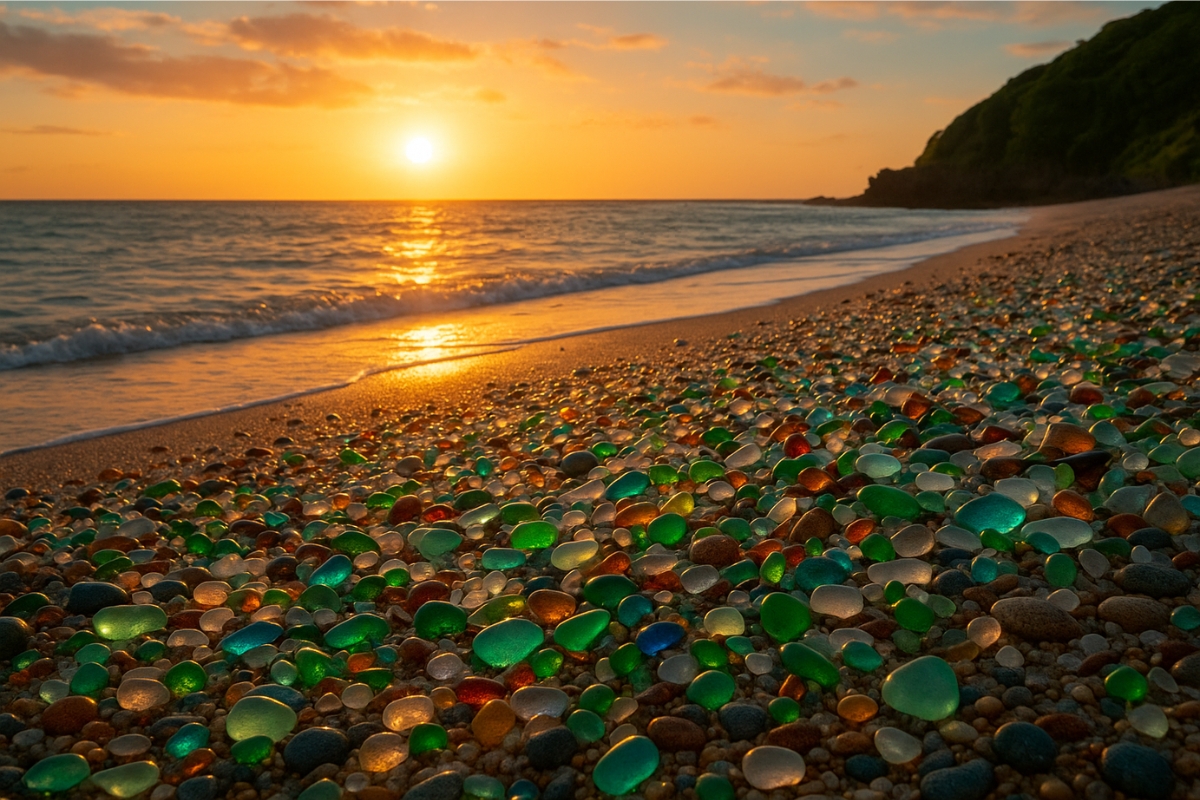


The “Glass” Beach in Okinawa Charms Visitors with Thousands of Colorful Fragments Shaped by the Sea, Creating a Natural Spectacle of Light and Color that Symbolizes Nature’s Ability to Transform and Rebirth
At the southern tip of Japan, in a small strip of sand surrounded by cliffs and crystal-clear waters, the impossible happened: the sea returned to humanity what it discarded. The so-called Sea Glass Beach in Okinawa has become a tourist phenomenon by showcasing thousands of glass fragments polished by the waves — pieces of broken bottles that now shine like small colorful jewels under the sun.
A Landscape Shaped by Time
Located near the military base of Camp Schwab on Okinawa’s main island, the beach is officially known as Kunjitahama. Those who arrive there encounter an unlikely scene: instead of common grains of sand, the ground sparkles with shades of green, blue, amber, and white — remnants of glass smoothed by the ocean for decades.
According to the portal Okinawa Stripes, the location is the result of a natural process that began over half a century ago when urban and military waste ended up in the sea. Over time, the movement of the tides and constant abrasion softened the edges, creating a multicolored carpet.
Today, photographers, divers, and curious visitors travel from various parts of Japan to witness the spectacle of lights reflected on the glass. Despite the visual appeal, experts remind us that beauty has an uncomfortable origin: the historical accumulation of human waste that the sea, ironically, transformed into art.
-
Driver Crosses 100-Year-Old Railway Bridge Over Uruguay River, Encounters Rural Couple Preserving Traditional Farming Methods

-
Rural Producer Returns to Brazilian Farmland, Builds Family Agricultural Business with Children’s Support and Industry Backing
-
Goiás Couple Boosts Artisan Cheese Production from 25 to 70 Kilos Daily with Technical Support, Transforming Family Life in Rural Brazil
-
13-Year-Old Discovers Ancient Roman Ring Near Mount Carmel, Now Set for Display in Jerusalem



Between Trash and Art: The Paradox of Sea Glass Beach
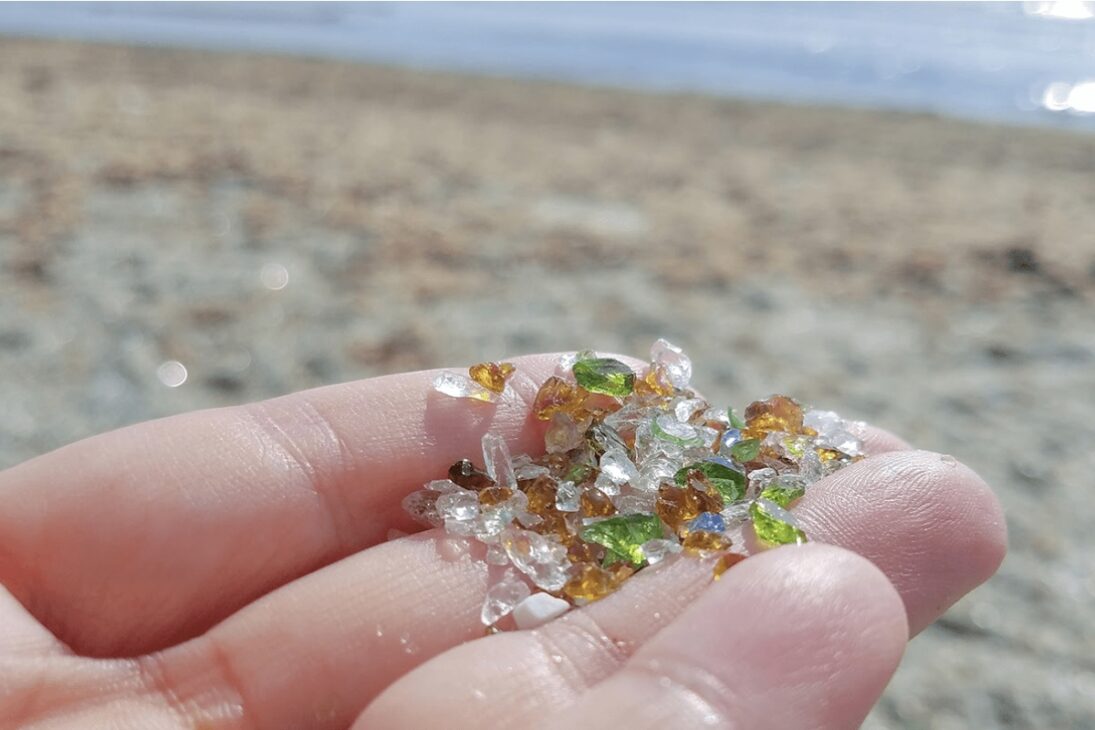
The phenomenon of “sea glass” is not exclusive to Okinawa — there are similar beaches in California, Russia, and even Italy. However, the Japanese case stands out for the way the local culture has embraced the site as a symbol of transformation and environmental respect.
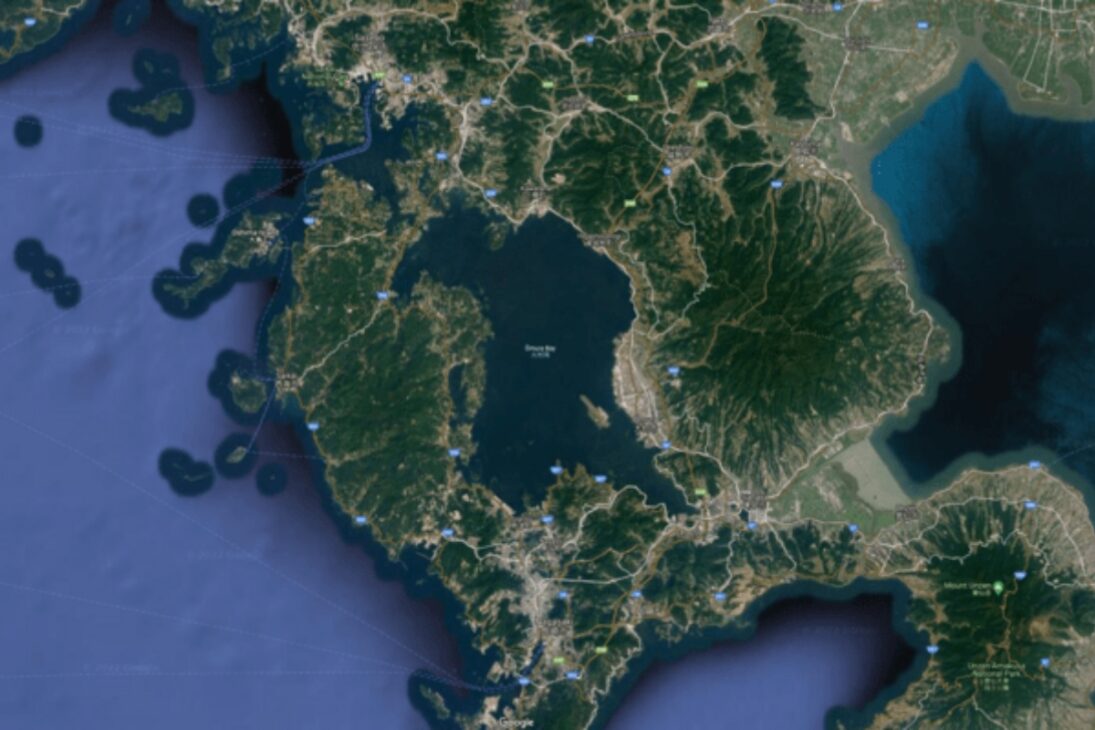
In other regions of the country, such as Ōmura Bay in Nagasaki, researchers have been testing the use of recycled glass to improve water quality and prevent coastal erosion, according to the portal J Stories Media. This approach reinforces the idea that glass can return to the sea not as pollution, but as an ecological tool.
However, not everything is sparkling. Recent visitors have reported that the number of fragments has decreased in recent years, a result of collection by tourists and the action of the tides. The phenomenon, once spontaneous, now requires active preservation to ensure it does not disappear.
An Ecological Treasure That Needs Respect
Reaching the beach requires patience: access is via a narrow dirt road, and there is no formal parking. The wind is strong, and the uneven ground requires caution. The reward, however, is unique — each step reveals different sparkles, and those who observe carefully may find rare pieces of cobalt blue or amber glass, sought after by collectors of “sea glass.”
The local government and environmental groups ask that visitors do not collect the glass, as mass removal threatens the natural balance of the site. The idea is to appreciate without taking. In forums such as Reddit, tourists share the charm of seeing how the sea can transform human mistakes into something beautiful, but they remind us that this beauty only exists if it is shared.
Reflection of a Greater Lesson
The glass beach of Okinawa is a powerful reminder: what we discard can return to us in unexpected ways. Each colorful fragment carries decades of human impact, but also proof that nature is capable of healing — albeit slowly — the wounds caused by negligence.
Between the translucent blue of the Pacific and the shine of the glass, the message is clear: the future depends on learning to transform what we destroyed into something worth preserving.





Sábia Natureza 🌷🌷🌷
Maravilhosa essa notícia.
Somebody essentially help to make significantly articles Id state This is the first time I frequented your web page and up to now I surprised with the research you made to make this actual post incredible Fantastic job