Portuguese
  Spanish


Kraft Lignin Is Revolutionizing the Industry by Replacing Petroleum Derivatives with Sustainable and Technologically Advanced Solutions!
To begin, imagine an innovative solution that, in addition to reducing dependence on petroleum-derived products, also promotes sustainability. Undoubtedly, this is indeed the promise of kraft lignin, a plant compound that scientists from INCT NanoAgro have refined with the aim of transforming entire industries. Thus, the potential of this material is immense.
Since its discovery in 1879, kraft lignin, which is a byproduct of the kraft method — a process used to extract cellulose from wood — has proven its value. The kraft method was industrially introduced in 1890, becoming a milestone in the production of paper and cellulose. However, today, thanks to its unique chemical properties and high versatility, this material gains even more relevance in the transition to a greener economy. Therefore, its use has been increasingly explored, consolidating its role in sustainability.
Why Is Kraft Lignin So Promising?
First of all, it is important to emphasize that kraft lignin stands out for special characteristics that include:
-
Green Roofs on Homes Gain Popularity for Reducing Heat, Noise, and Rain Impact in Brazil

-
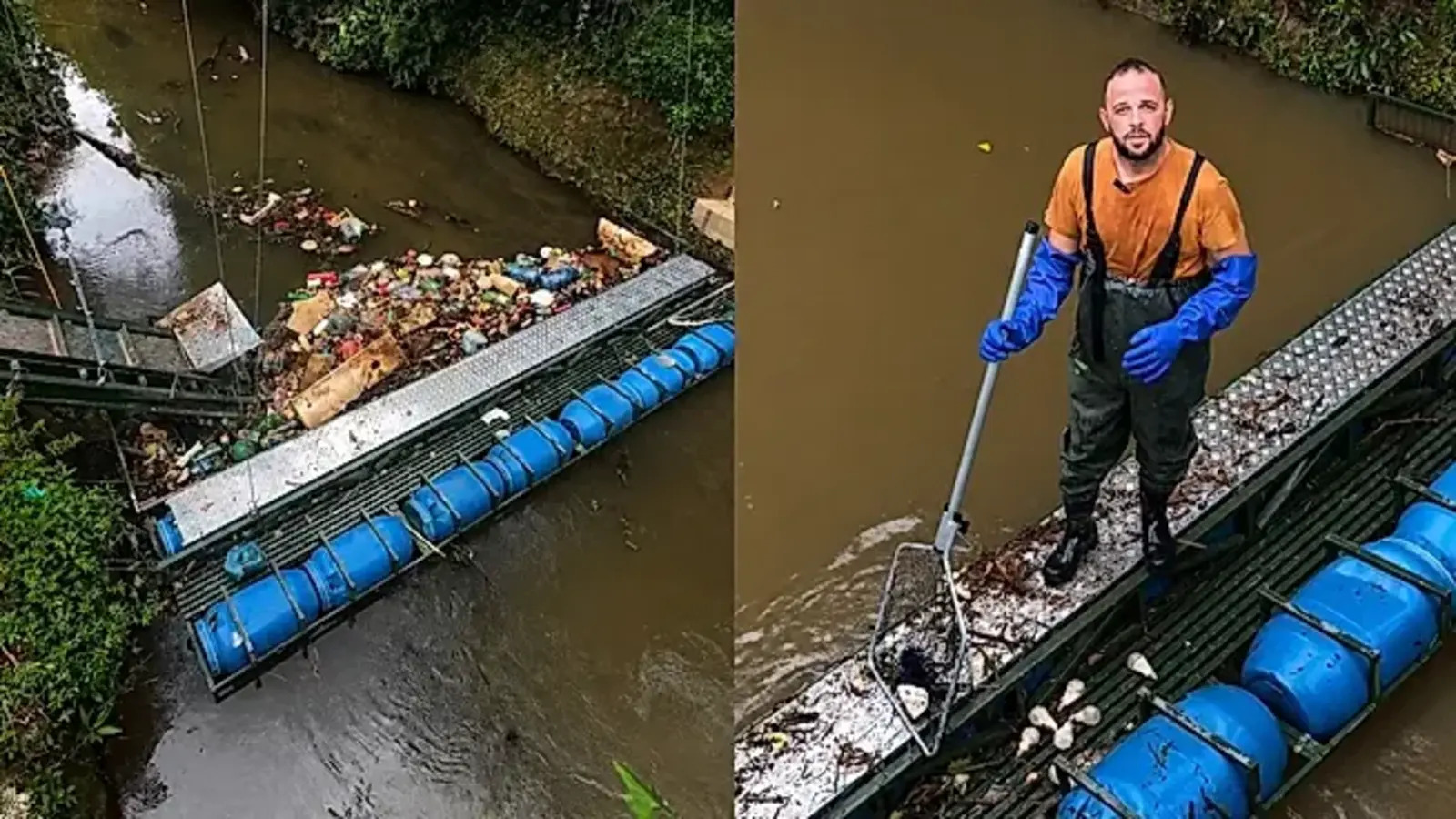
Brazilian promises his children to save a river, creates an eco-barrier in his backyard, has already removed more than 40 tons of trash from the water, and even inspires the idea in other states of the country.

-
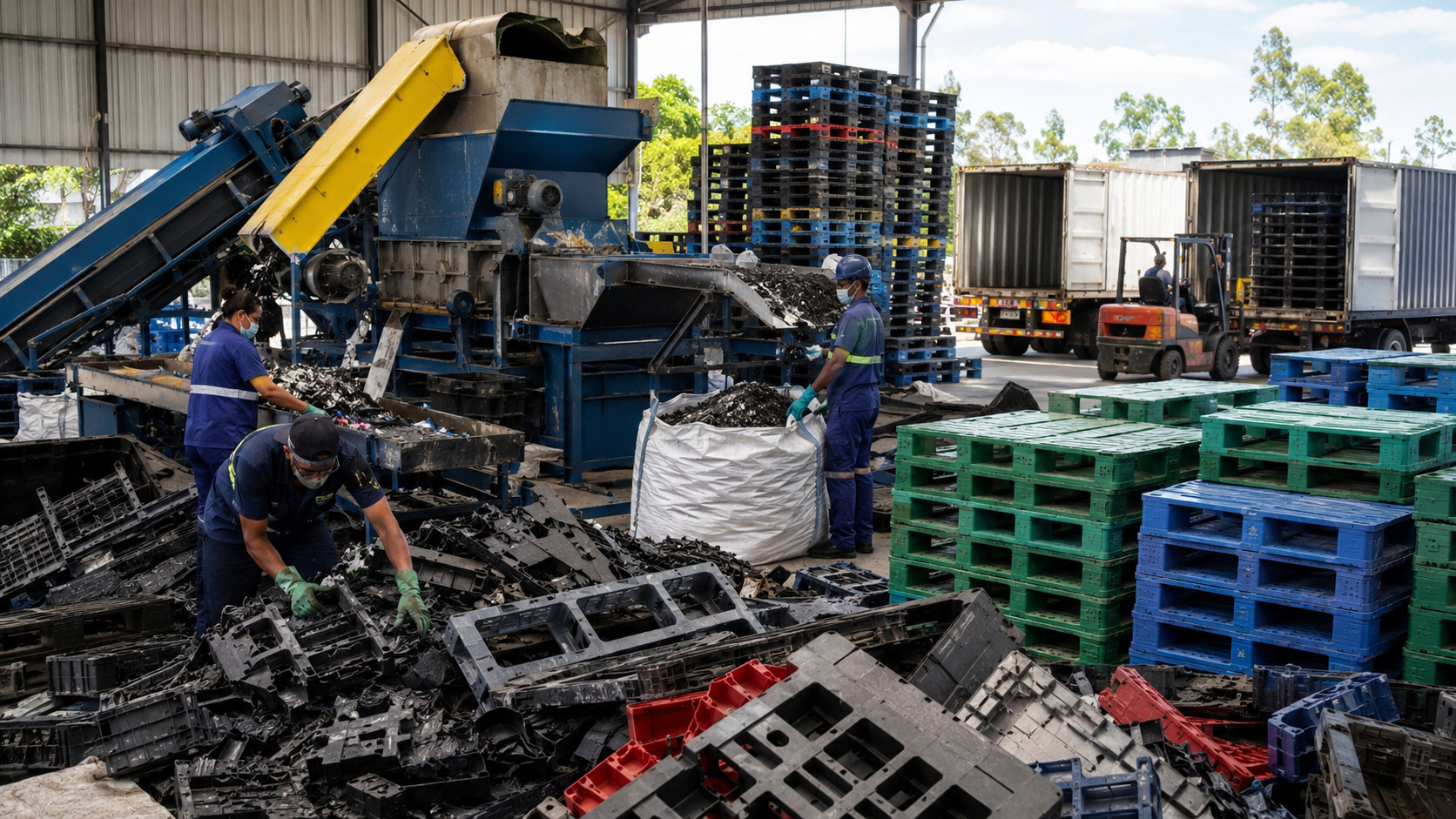
How a Brazilian company created a system that transforms broken pallets of any brand into new assets, recycles 80 tons of plastic per month, and found a profitable solution to a problem that challenges industries across the country.
-
Invasive bullfrog capable of devouring other amphibians and laying up to 20,000 eggs is found in Florianópolis, raising an alert about the threat to native fauna.


- Chemical and thermal stability, which is essential for robust industrial processes;
- Antioxidant capacity and UV protection, particularly applicable in sectors such as cosmetics and packaging;
- Biodegradability, which reduces environmental impact and contributes to sustainability;
- Antifungal and antibacterial properties, which are a natural solution for health industries.
Therefore, with these qualities in mind, it is seen as a viable alternative to petroleum derivatives. However, it is important to highlight that some barriers still limit its widespread adoption. Therefore, these challenges need to be overcome for its use to become more widespread.
The Challenges in Using Kraft Lignin
It is true that, despite its promise, kraft lignin faces hurdles due to its complex structure and processing costs. Furthermore, the heterogeneity of the material makes product standardization difficult. For this reason, and to resolve these issues, Brazilian researchers have taken a step forward with an innovative solution. Certainly, this advancement can transform the way lignin is utilized.
The Sustainable Innovation of INCT NanoAgro
In an innovative way, in 2022, scientists from the National Institute of Science and Technology in Nanotechnology for Sustainable Agriculture (INCT NanoAgro) developed a “green process” revolutionary. To clarify, the patented methodology allows:
- Fractionation of kraft lignin with acetic acid as a solvent;
- Production of highly versatile nanoparticles (NPL), expanding their applications;
- Diversification in nanotechnology, agriculture, and other sectors, bringing more benefits.
With this, it is evident that this technology not only reduces the environmental impact, but also opens new possibilities for the use of this material on an industrial scale. Thus, the reach of kraft lignin is considerably expanded.
Benefits of Kraft Lignin for Agriculture
Certainly, in the field, kraft lignin nanoparticles can provide several advantages. Among them, the highlights include:
- Optimization of soil fertilization, significantly improving its productivity;
- Increased efficiency in the use of inputs, reducing production costs;
- Reduction of waste of natural resources, promoting a more sustainable approach.
“These NPLs make agricultural practices more efficient and sustainable, promoting greater productivity with less environmental impact”, explains Leonardo Fraceto, coordinator of INCT NanoAgro. Additionally, these improvements directly benefit producers and consumers, reinforcing the importance of this innovation. Thus, the impact on agriculture is extremely relevant.
Applications in Various Sectors
Moreover, it is equally important to mention that kraft lignin is not limited to agriculture. In fact, its properties also make it valuable for other areas. For example:
- Biomedical industry, where it acts as a controlled drug release agent;
- Cosmetics, offering UV protection and natural antioxidants, with great innovation potential;
- Composite materials, in which it helps improve resistance and durability in various products.
“Producers and industries can license this technology to integrate eco-friendly solutions into their products”, highlights Jéssica Rodrigues, one of the project researchers. Thus, this versatility further reinforces the relevance of kraft lignin. Therefore, its application goes far beyond the agricultural sector.
Why Is This Discovery Important Now?
Undoubtedly, the transition to a low-carbon economy is a global priority. For this reason, innovations like kraft lignin offer real solutions to urgent problems. Among the main contributions, the highlights include:
- Replacement of petroleum derivatives, with clear and concrete benefits;
- Reduction of greenhouse gas emissions, aligning with international environmental goals;
- Promotion of the bioeconomy, encouraging sustainable innovation and generating new opportunities.
Thus, it is easy to see how the combination of sustainability, economy, and versatility makes kraft lignin a key resource for the future. Therefore, its adoption is essential to meet global demands.
How Can This Technology Impact the Market?
There is no doubt that, with the new applications enabled by INCT NanoAgro, a positive impact on the market is expected. In other words, among the main benefits are:
- Increased industrial adoption, promoting important technological advances;
- Reduction of production costs, increasing the competitiveness of companies;
- Expansion of the market for eco-friendly products, meeting the growing global demand.
In this sense, it is evident that this discovery places Brazil at the forefront of research in bioeconomy, offering solutions that balance efficiency, sustainability, and technological innovation. Therefore, this innovation represents a unique opportunity for the country.
A Sustainable Future with Kraft Lignin
In summary, kraft lignin represents a turning point in the development of sustainable alternatives to petrochemical products. On the other hand, its applications, ranging from agriculture to the cosmetic industry, reaffirm the power of science in building a greener future.
Indeed, this solution not only meets current demands for sustainability, but also paves the way for numerous technological innovations. Finally, by integrating kraft lignin into their operations, companies and producers have the opportunity to lead the transition to a cleaner and more responsible economy. Therefore, it is essential to consider its adoption in the short and long term.