






 Portuguese
  Spanish


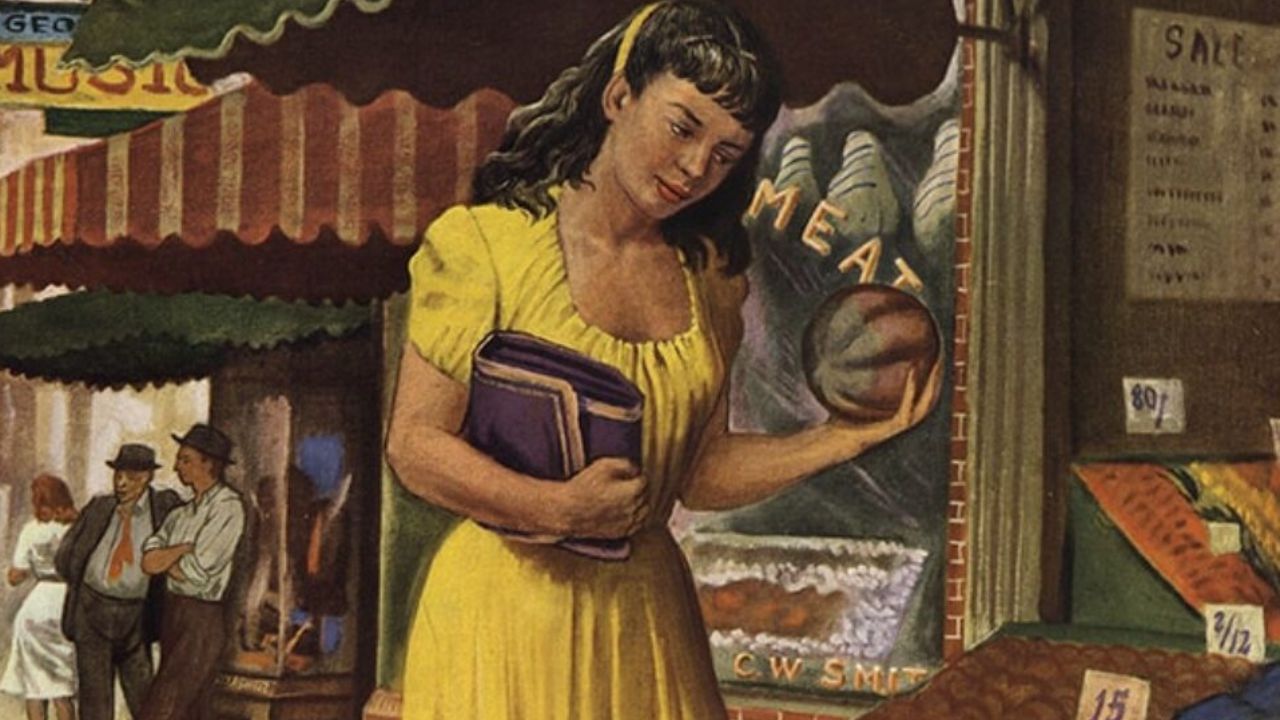


Discover the Saga of Mary Hunt, the Laboratory Technician Who, With an Unusual Find in a Market, Made Mass Production of the Most Important Antibiotic of the 20th Century Possible, Saving Millions During the War.
During the Second World War, death from bacterial infections was as dangerous as direct combat. Penicillin, a newly discovered miracle, existed, but its production was minimal. The solution to this global problem did not come from a famous scientist, but from a persistent woman and a rotten melon. This is the story of how Mary Hunt, nicknamed “Moldy Mary”, became the anonymous hero of a medical revolution.
The Desperate Race for a Cure
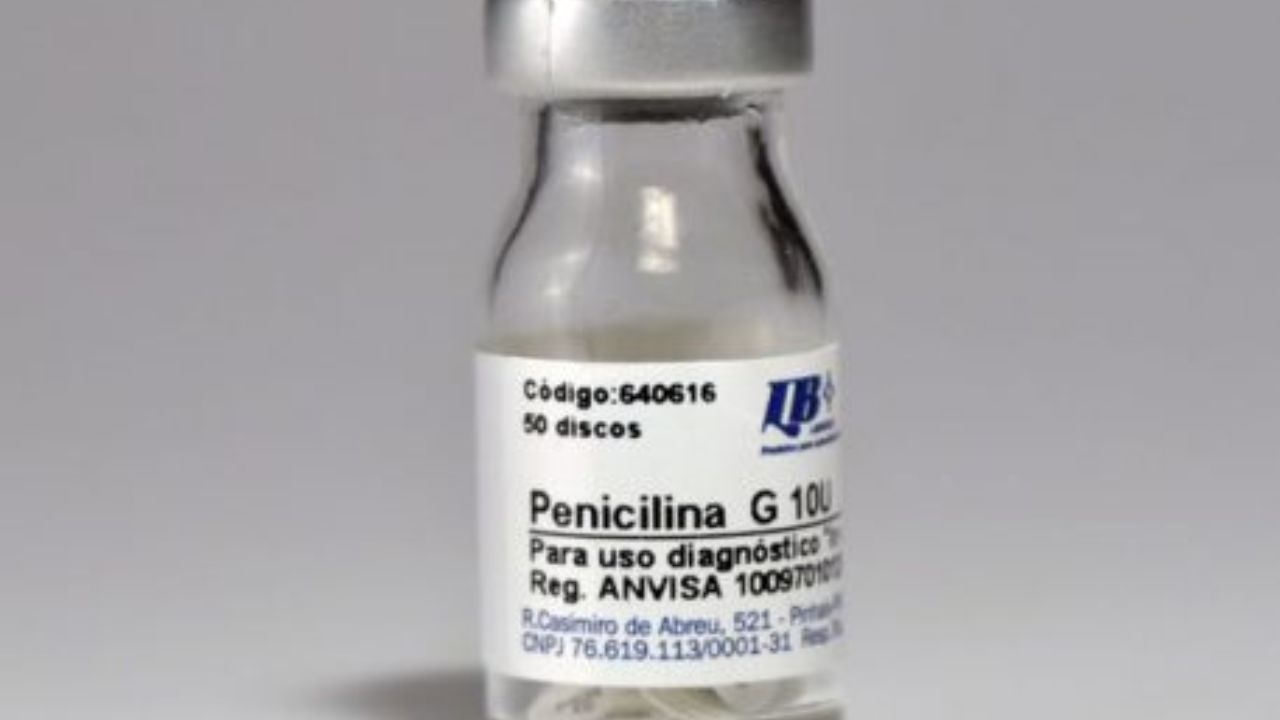
The accidental discovery of penicillin by Alexander Fleming in 1928 was a glimpse of hope. However, the original strain of the fungus produced the antibiotic in very small quantities. With the war claiming lives, the Allies urgently needed a way to producepenicillin on an industrial scale. The challenge was thrown to the Northern Research Laboratory in Peoria, Illinois: find a superior mold, a “super strain” that could supply the front lines.
The Mold Hunter and the Golden Find
The mission to find this special mold was given to Mary Hunt. Her task was simple yet crucial: to search for and collect samples of mold from anywhere she could. One day, her search led her to a local market, where her eyes were drawn to a cantaloupe with a distinct characteristic: a “golden mold”. Instead of discarding it, she took it for analysis in the laboratory.
-
Workers renovating a playground in northern England uncover 176 World War II bombs buried underground; training artifacts still contained explosives.

-
Brazilian Architect Transforms Waste into Sustainable Homes with Solar Power and Rainwater Systems for 40 Years

-
Security Guard Becomes Doctor at Louisiana Hospital Where He Once Worked, Studied Chemistry Between Shifts

-
Woman Rescued from Luxury Complex in Brazil Worked Without Pay for 55 Years, May Be Entitled to Over $300,000




The Turning Point in War and Medicine
That melon contained the key to everything. The fungus, identified as Penicillium chrysogenum, was spectacular. It not only adapted perfectly to industrial fermentation tanks, but it also produced 200 times more penicillin than Fleming’s original strain. This discovery was the turning point. Mass production became a reality, allowing the antibiotic to reach wounded soldiers in record time.
The Immortal Legacy of “Moldy Mary”
Thanks to the keen observation of Mary Hunt, penicillin went from being a laboratory rarity to becoming the medication that saved countless lives during and after the Second World War. Her contribution, for decades attributed only to the nickname “Moldy Mary”, was essential in ushering in the antibiotic era, forever changing the course of medicine. Her story proves that a revolutionary discovery can be found in the most unexpected places, even in a simple rotten melon.


