






 Portuguese
  Spanish
  2 min of reading
  0 comments


Cape Verde brings together 10 volcanic islands in the Atlantic, combining political stability, tourism, Portuguese heritage, and internationally recognized music, while the diaspora plays an important role in the country’s economy and cultural identity.
Cape Verde is a country formed by ten volcanic islands in the Atlantic Ocean, located about 600 kilometers off the coast of West Africa. With just over half a million inhabitants, the archipelago boasts natural beauty, a strong cultural identity, and a history marked by Portuguese influence.
Country stands out for political stability
One of the most notable aspects of Cape Verde is its political stability. In the African context, the country is often remembered for its institutional organization and a social environment that favors administrative continuity, security, and internal confidence.
This characteristic also contributes to the international image of the archipelago, especially in sectors such as tourism and services, which depend on stability to grow and attract visitors.
-
Resident finds 11th-century medieval sword in a river in Poland; artifact linked to the Piast dynasty impresses with its state of preservation and rekindles the history of the first Polish ruling house.

-
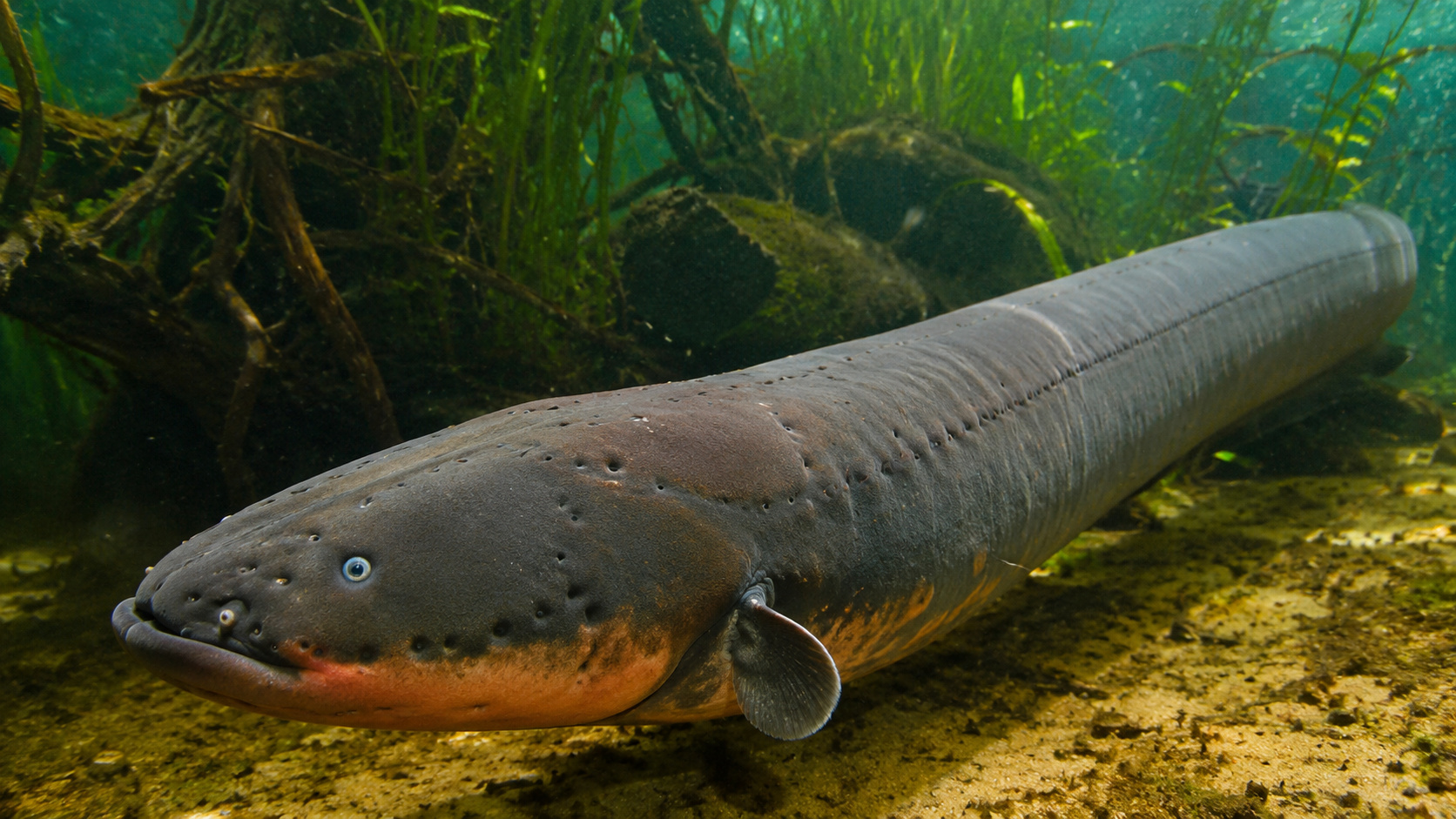
Far beyond simple shocks: scientists highlight how electric fish from the Amazon use complex bioelectric mechanisms to generate up to 860 volts, a natural evolutionary innovation that ensures an absolute advantage in dark and challenging ecosystems.

-
Embrapa takes cashew, peanuts, and sesame to the world’s largest seed bank in Norway, where Brazil has already stored more than 8,000 samples since 2012 against pests and climate change.

-
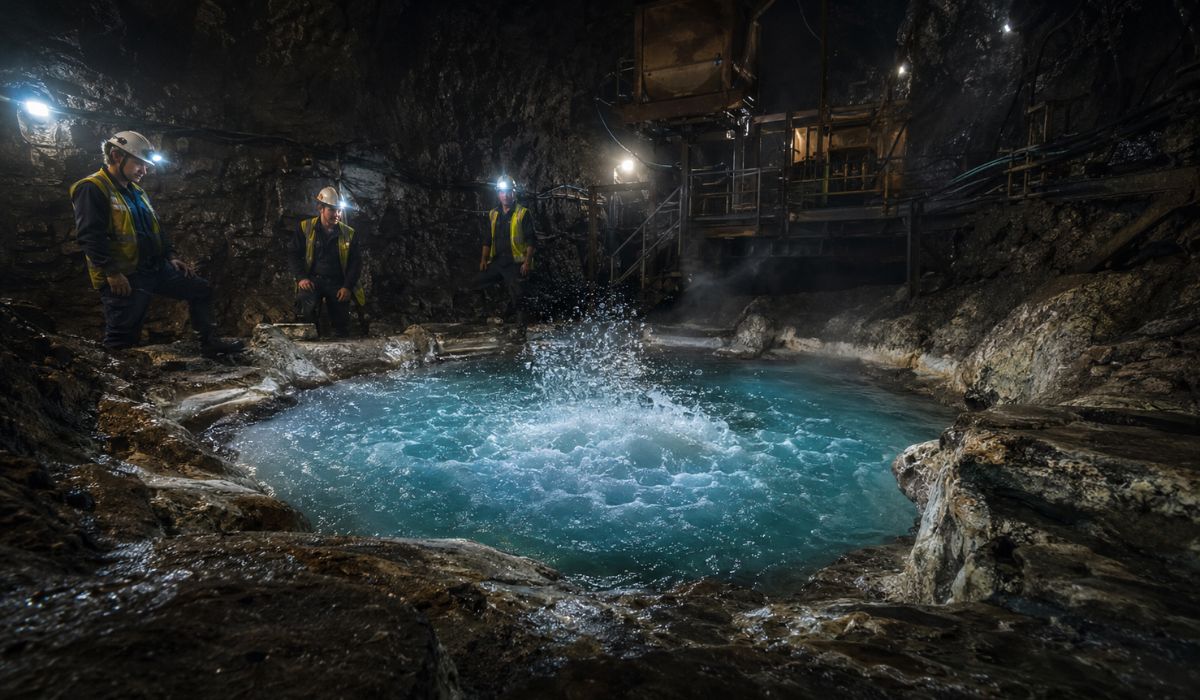
Almost 1 km beneath Albania, miners find an underground “jacuzzi” of nearly pure hydrogen, with bubbles emerging from a pool inside a chrome mine and the potential to reveal a rare natural reservoir beneath Europe.



Economy depends on tourism, services, and diaspora
The Cape Verdean economy is heavily based on tourism, services, and remittances sent by Cape Verdeans living in other countries. The diaspora plays an important role in the economic and social support of the country, maintaining constant ties with the islands.
The beaches, volcanic landscapes, and Atlantic climate help make Cape Verde a sought-after destination for visitors interested in nature, culture, and tranquility.
Portuguese heritage and the power of music
Portuguese colonization left deep marks in Cape Verde, especially in the official language, Portuguese, and in various cultural manifestations.
At the same time, the country developed its own identity, resulting from the mix of African and European influences.
Music is one of the greatest expressions of this identity. Genres like morna and coladeira have projected Cape Verde internationally and convey feelings related to longing, memory, island life, and the history of the Cape Verdean people.
A small country with a great identity
Cape Verde may have a small territory and population, but it has a strong cultural presence in the Atlantic. Between tourism, political stability, Portuguese heritage, active diaspora, and recognized musicality, the archipelago asserts itself as one of the most unique countries in Africa.






Be the first to react!