Portuguese
  Spanish


Lightweight concrete house made with recycled paper in Portugal combines energy efficiency, art, and sustainable solutions.
An initiative developed in Portugal is drawing attention for presenting an unusual alternative for the construction industry. Environmental entrepreneur Guy Arnauld created a house using a type of lightweight concrete made with recycled paper, lime, and clay. The dwelling, named Porta do Caracol, was built in the backyard of a residence and brings together solutions focused on energy efficiency, material reuse, and integration with nature.
The project was developed with IsoPlus technology and emerged from the creation of an eco-block produced with paper bricks. Besides serving as a residence, the structure also aims to demonstrate how ecological concepts can be practically applied in a legalized and functional dwelling.
How was the concrete house built?
Unlike conventional constructions, the proposal uses reused materials as the main element of the structure. The lightweight concrete used in the project is made from recycled paper fibers combined with lime and clay.
-
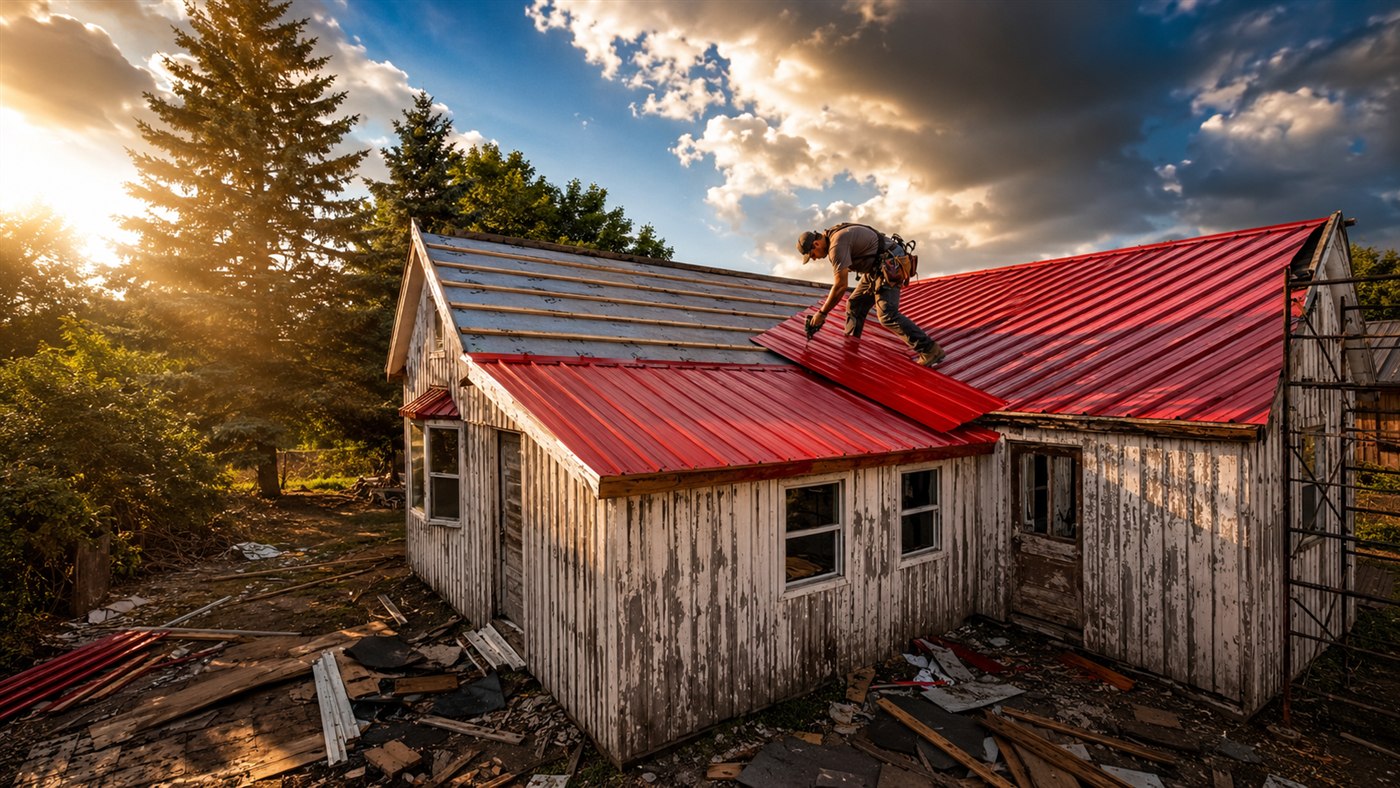
Abandoned House Renovation Fixes Decades-Long Leak in Two Days with Red Steel Roof Installation

-
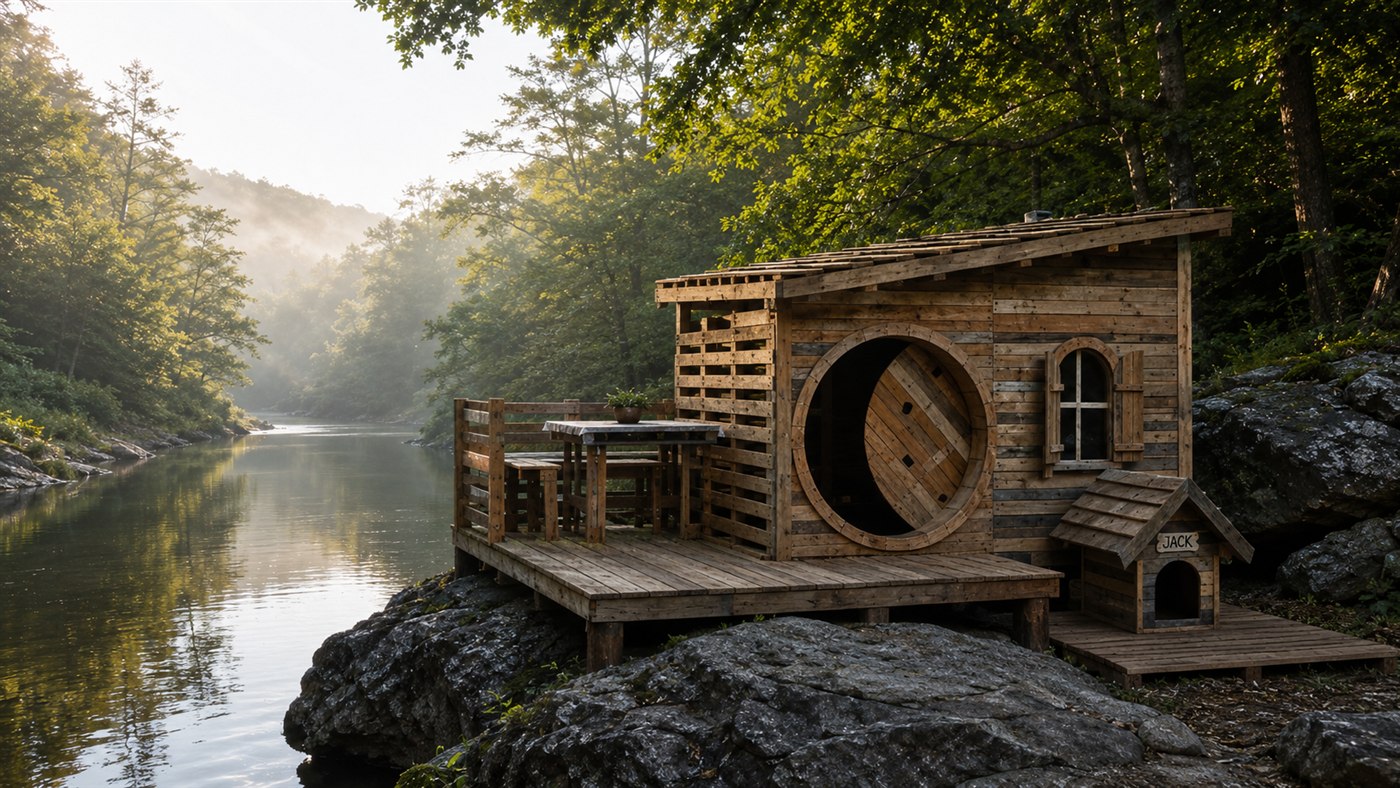
Man Builds Entire House by Hand from Abandoned Pallets Found in Brazilian Forest, Complete with Round Door and Matching Doghouse
-
California Diverts 65% of Construction Waste from Landfills, Repurposing Millions of Tons into Road Base, New Asphalt, and Wood Chips
-
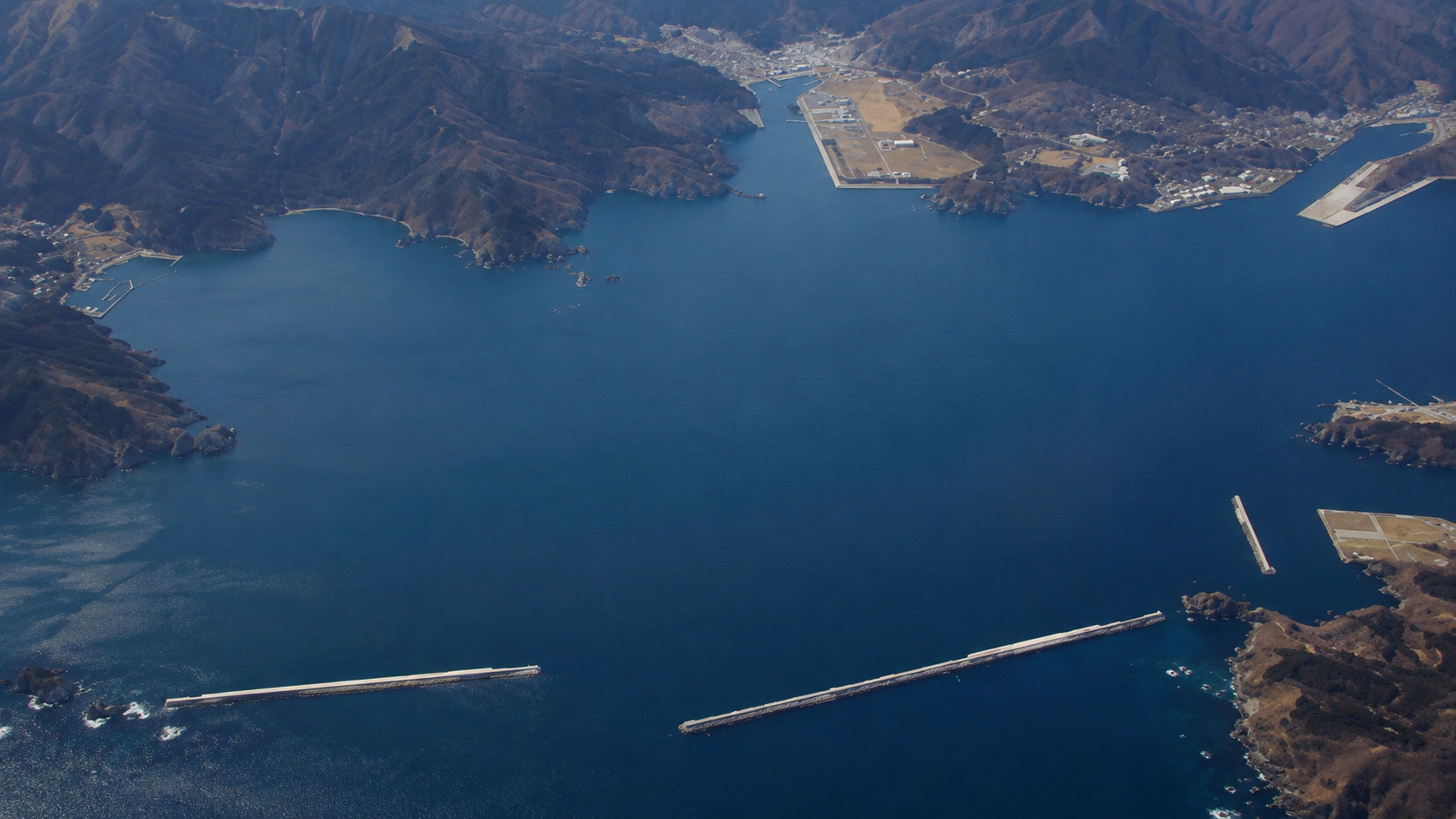
Japan Constructs World’s Deepest Sea Wall in the Pacific, Sinking Massive Concrete Structures for Three Decades


The knowledge that enabled the creation of this system originates from Arnauld’s family background. Part of the experience acquired with alternative materials came from his father, owner of a junkyard in Infias, Portugal. In this environment, he had direct contact with different materials and their reuse possibilities.
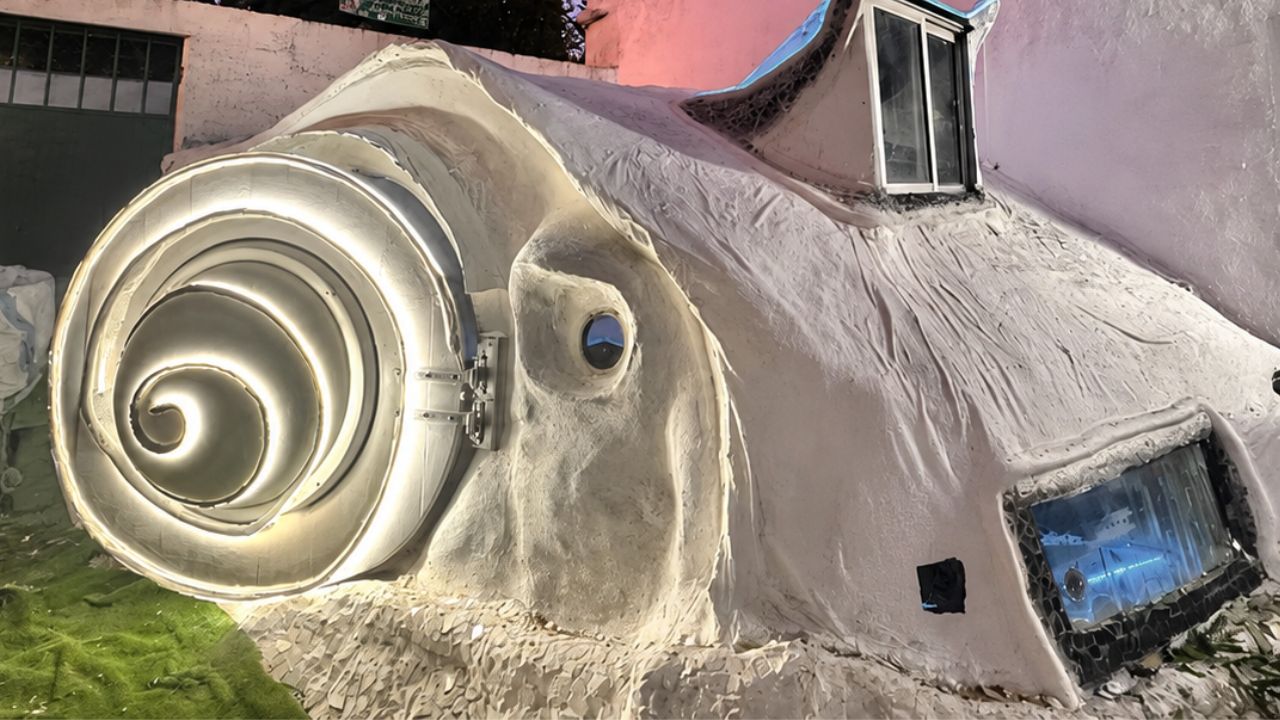
The residence also received a series of elements designed to enhance its environmental performance and reduce environmental impacts.
Construction highlights:
- Lightweight concrete made with recycled paper;
- Solar panels;
- Vertical gardens;
- Dry bathroom;
- Skylights;
- Smoke-free heating system Ordul;
- Natural ventilation openings called dormers;
- Balconies up to 10 square meters;
- Pool equipped with natural filters.
House and art united in a single concept
The proposal goes beyond simple residential construction. The concept of Porta do Caracol was designed to unite architecture, engineering, and artistic expression within the same space.
Commenting on the project to O Minho magazine, Guy Arnauld stated: “This habitable ecosculpture combines art, engineering, and legal housing with energy efficiency. Braga is becoming a national reference in sustainable innovation.”
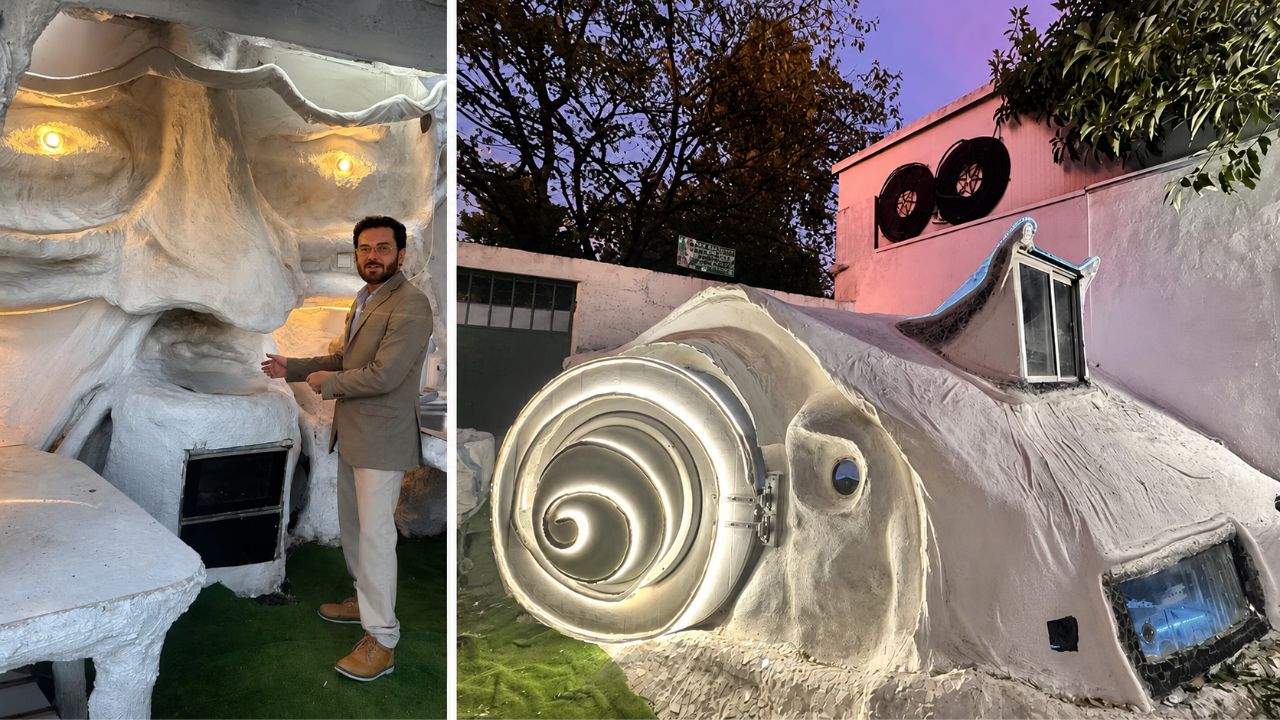
The visual inspiration of the residence is also related to the symbol of the snail. Construction elements were planned to represent characteristics of the animal, including the dormers, which function as a natural ventilation system and symbolize its antennas.
The role of ecological concrete in residential comfort
According to Arnauld, the use of recycled paper fibers not only has an environmental function. The material also contributes to the thermal comfort of the residence and meets the required standards for this type of construction.
According to the creator, every detail was designed to fulfill a practical and sustainable function. The goal was to create a dwelling capable of utilizing natural resources and reducing dependence on conventional systems.
In another statement, he summarized the philosophy of the project: “It is a garden that functions as a horizontal dwelling, and the snail is our symbol of sustainability because it carries the house on its back with maximum efficiency.”
Sustainability beyond the house
Guy Arnauld’s involvement with environmental issues is not limited to the construction of Porta do Caracol. The entrepreneur also leads EcoEstação, a non-governmental cooperative focused on environmental education initiatives and pedagogical creativity.
In this way, the residence serves as another example within a trajectory dedicated to the development of sustainable solutions. By combining recycled materials, energy efficiency, and natural elements, the project presents an alternative based on the reuse of resources and the pursuit of constructions with lower environmental impact.