





 Portuguese
  English
  Spanish
  3 min of reading
  0 comments



Abrupt Reduction of a Contract Signed Between Tesla and South Korean Supplier L&F, Initially Estimated at US$ 2.9 Billion for Supply of Battery Materials for the Cybertruck Between 2024 and 2025, Evidences Direct Impact of Production Delays, Sales Below Expected, and Revisions in Ordered Quantity.
A Tesla’s agreement with South Korean L&F, estimated at US$ 2.9 billion for supplying batteries for the Cybertruck, has been reduced to US$ 7,386 between 2024 and 2025, reflecting production delays, weak sales, and supply adjustments.
Billion-Dollar Agreement and the Abrupt Turn Linked to the Cybertruck
About three years ago, before the launch of the Cybertruck, Tesla signed an agreement with L&F for the supply of materials for the 4680 battery cells. The contract was expected to last from January 2024 to December 2025, with an estimated value of US$ 2.9 billion, according to Bloomberg.
The projected amount propelled the president and CEO of L&F, Hur Jae-hong, and his family onto the Bloomberg Billionaires Index, based on shares held.
-
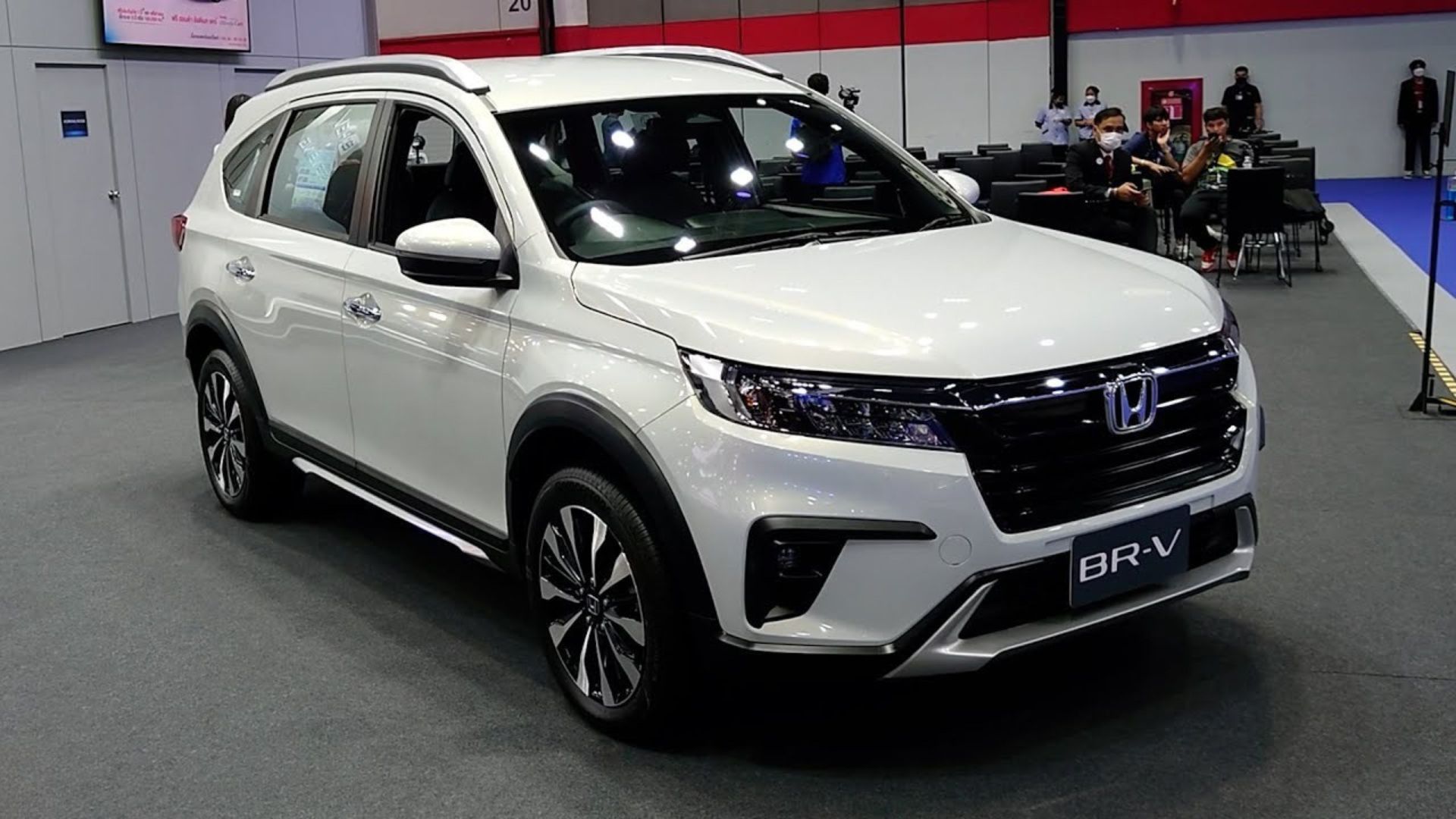
While Brazil was left without an affordable 7-seater Honda, Indonesia sells the 2026 BR-V with a 1.5 i-VTEC engine of 121 hp, Honda Sensing, three rows, fuel consumption above 23 km/l, and a range of 987 km; the family SUV costs less than the Spin, Aircross, and Tiggo 8 Pro when converted without taxes.

-
Now NASA comes: Brazilian transforms pickups into “war tanks” in Goiânia by replacing wheels with giant tracks costing up to R$ 120,000 to tackle mud, farms, and impossible terrains.

-
Another Chinese giant prepares to enter Brazil: BAIC bets on the Arcfox T1, an electric hatchback that promises to compete with the BYD Dolphin, BYD Dolphin Mini, and Geely EX2 with a larger size and a range of up to 425 km.
-
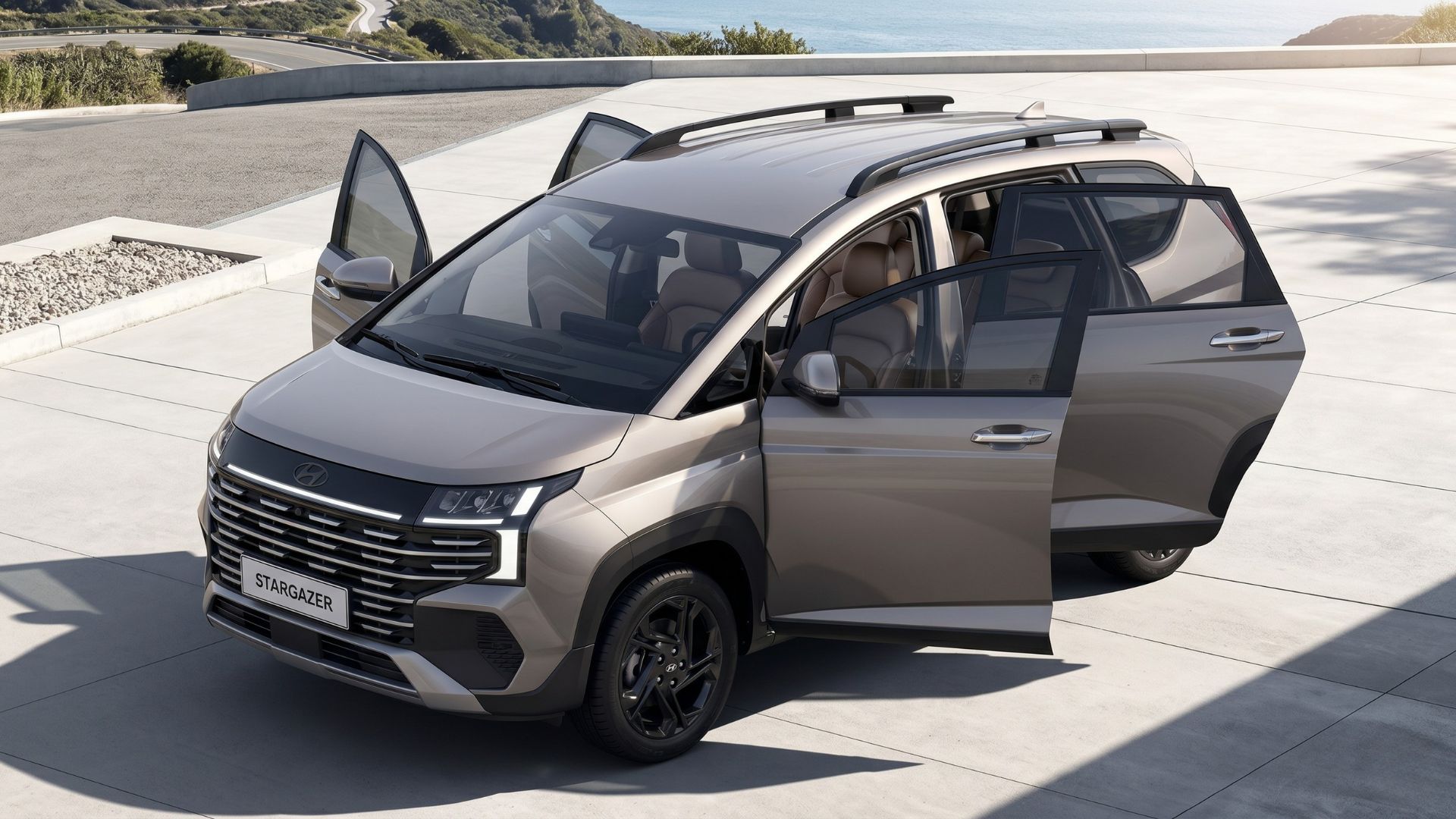
Hyundai launches a 7-seater ‘Kombi’ cheaper than Chevrolet Spin, Citroën Aircross, and Tiggo 8 Pro in Brazil; for around R$ 78,500 in conversion without taxes, the Hyundai Stargazer Cartenz features a 1.5 engine, manual or IVT transmission, 205 mm ground clearance, and the SmartSense package that Brazilians don’t have yet, but Indonesia does.


The expectation was directly associated with the anticipated volume for the Cybertruck and the predominant use of the 4680 cells in the model.
However, at the end of last year, it was reported that the agreement’s value had fallen to just US$ 7,386, eliminating 99% of the originally projected total. L&F stated that the reduction resulted from a change in the supplied quantity.
Production of 4680 Batteries and Impacts on Cybertruck
Analysts told Reuters that the change in quantity is linked to Tesla’s difficulty in ramping up production of the 4680 cells intended for the Cybertruck. The production limitation occurred alongside lower-than-expected sales performance of the electric truck.
Senior analyst Cho Hyun-ryul of Samsung Securities stated that there has been a general slowdown in demand for electric vehicles.
Other battery suppliers reported similar reductions in orders, indicating a more restrictive environment for orders.
The combination of slower production ramp-up and lower market absorption directly affected the execution of the contract. The result was a substantial revision of the supplied volume and, consequently, the financial value of the agreement.
Cybertruck Sales Fall Short of Initial Forecasts
Unveiled in 2019, the Cybertruck had initial production plans for 2021 but faced successive delays. The first deliveries only occurred at the end of 2023. Since then, sales figures indicated performance below public expectations.
Before the launch, Tesla chief Elon Musk projected annual sales of up to 250,000 units. However, in the first year, just under 40,000 units were sold, according to Forbes.
Sales continued to decline. In the second quarter of 2025, the total sold was 4,306 units. Despite the numbers, Musk defended the model, calling it “the best vehicle of all time” from Tesla, even in the face of adverse circumstances.
Timeline of the Cybertruck and Production Milestones
November 2019 marked the public unveiling of the Cybertruck prototype. Production was expected to begin in late 2021, but the target was pushed to 2022. In January 2023, Tesla confirmed it would produce it that year.
In July 2023, the first Cybertruck was assembled at the Texas Gigafactory. Series production began in November 2023, followed by the first customer delivery event in the same month, with the first units delivered.
These milestones illustrate the tumultuous trajectory of the project. Delays, lower-than-expected sales, and production difficulties with the 4680 batteries converged to drastically reduce an agreement that seemed billion-dollar on paper but ended up nearly nullified.








Be the first to react!