Portuguese
  Spanish


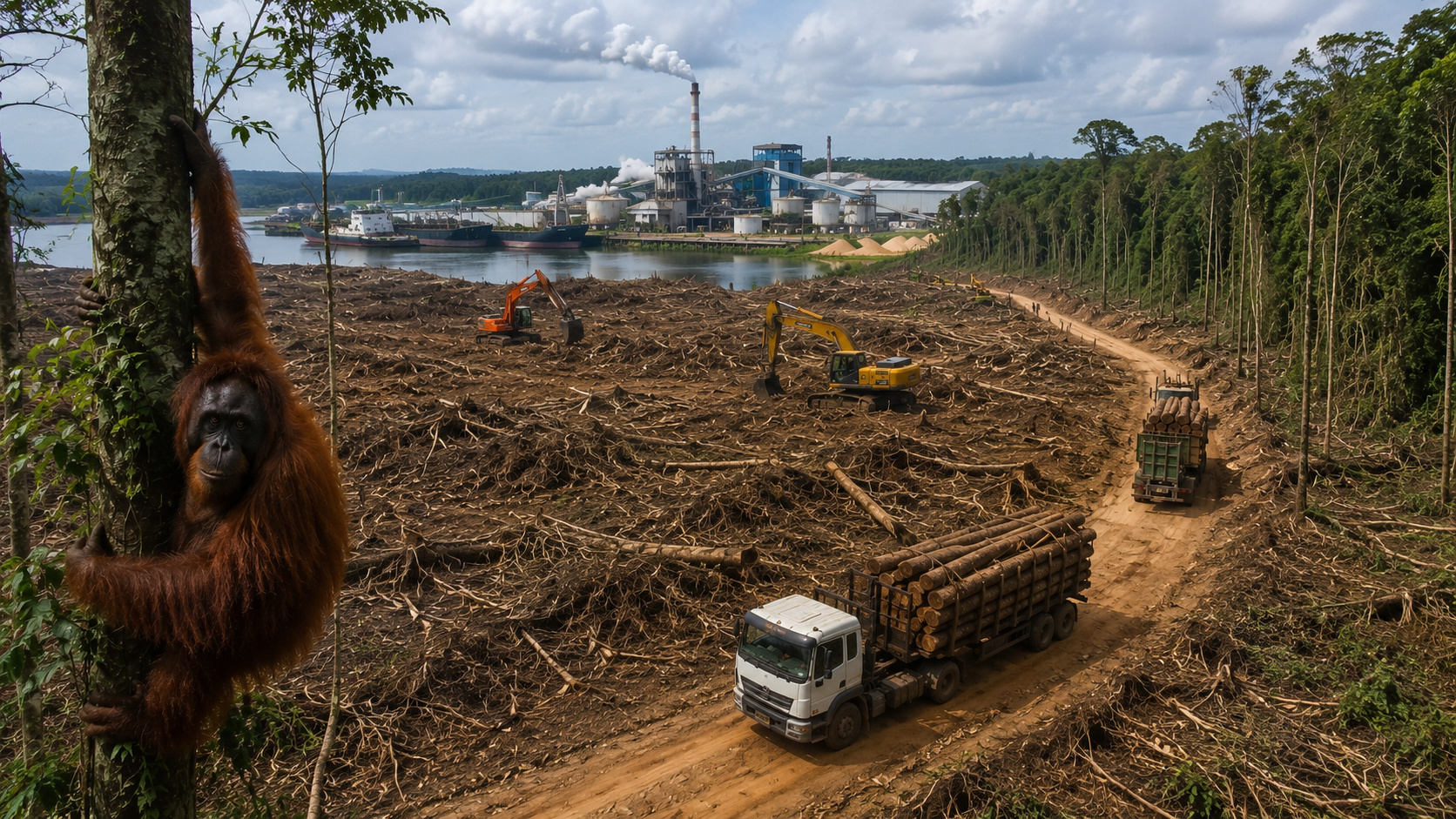


Investigation by AFP and The Gecko Project identified nearly 30,000 hectares of forest cleared between 2016 and 2024 and linked the production of “carbon-neutral” packaging to deforested areas in Indonesia, expanding the debate on sustainability, biodiversity, social impacts, and possible greenwashing practices
An investigation by AFP and The Gecko Project revealed that companies cleared areas of tropical forest in Indonesia to supply a chain linked to the production of packaging advertised as “carbon neutral.” The case involves plantations in Borneo, the Indonesian factory Phoenix Resources International, Asia Symbol units in China, and packaging used by the Chinese subsidiary of Haleon, owner of brands like Panadol and Sensodyne.
According to the investigation, the areas connected to the supply chain lost nearly 30,000 hectares of forest between 2016 and 2024. The wood came from concessions in Kalimantan, passed through Phoenix Resources International, and went to Asia Symbol facilities in the Chinese provinces of Jiangsu and Shandong.
The investigation cross-referenced satellite images, government audits, commercial records, and ship tracking data to trace the pulp route. After the case was disclosed, Haleon ended its commercial relationship with Asia Symbol.
-
Creative Uses for Toilet Paper Rolls That Will Change Your Perspective

-
Crab Trapped in Plastic Bottle for 62 Days Near Okinawa Highlights Little-Known Impact of Marine Pollution on Small Animals
-
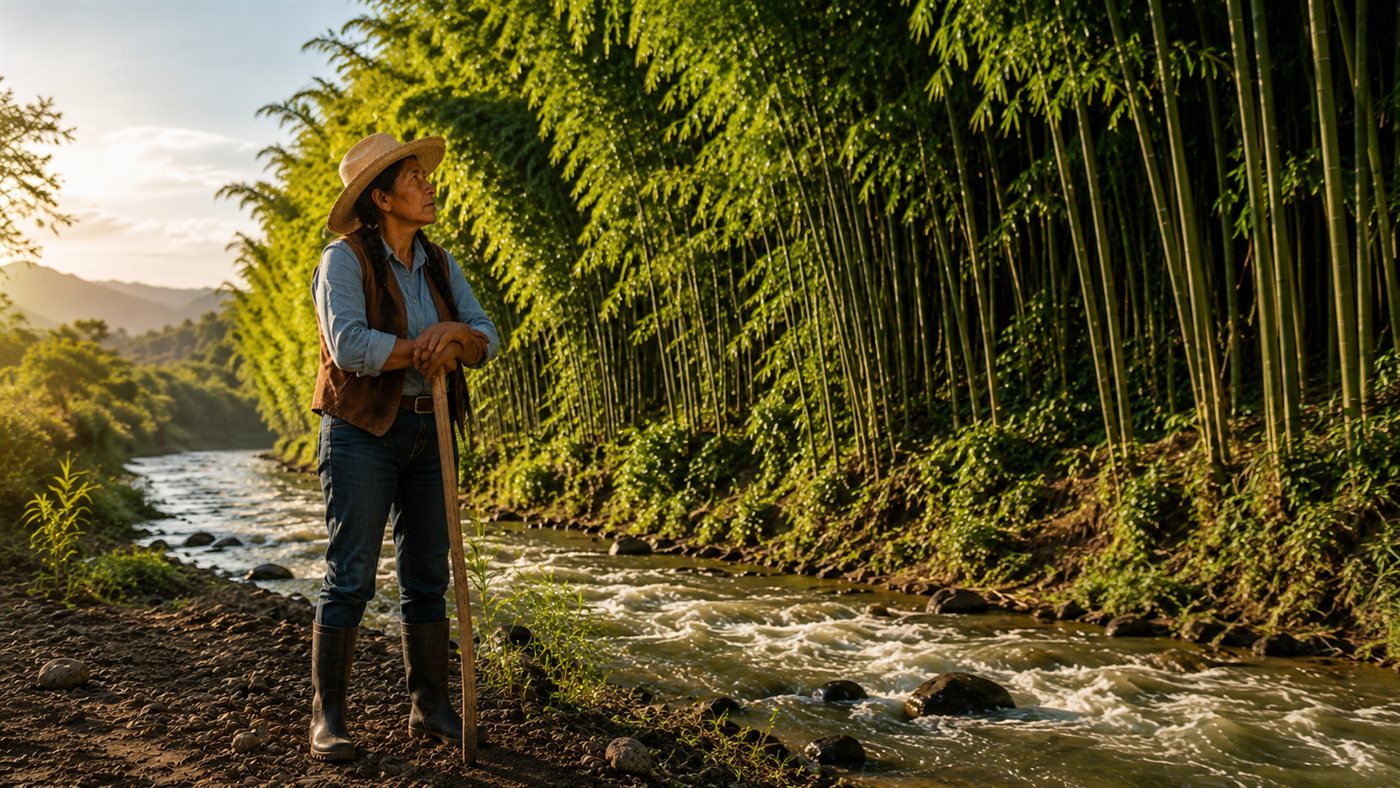
Esperanza’s Bamboo Barrier in Oaxaca Redirects River and Reduces Erosion by 85% in Five Years

-
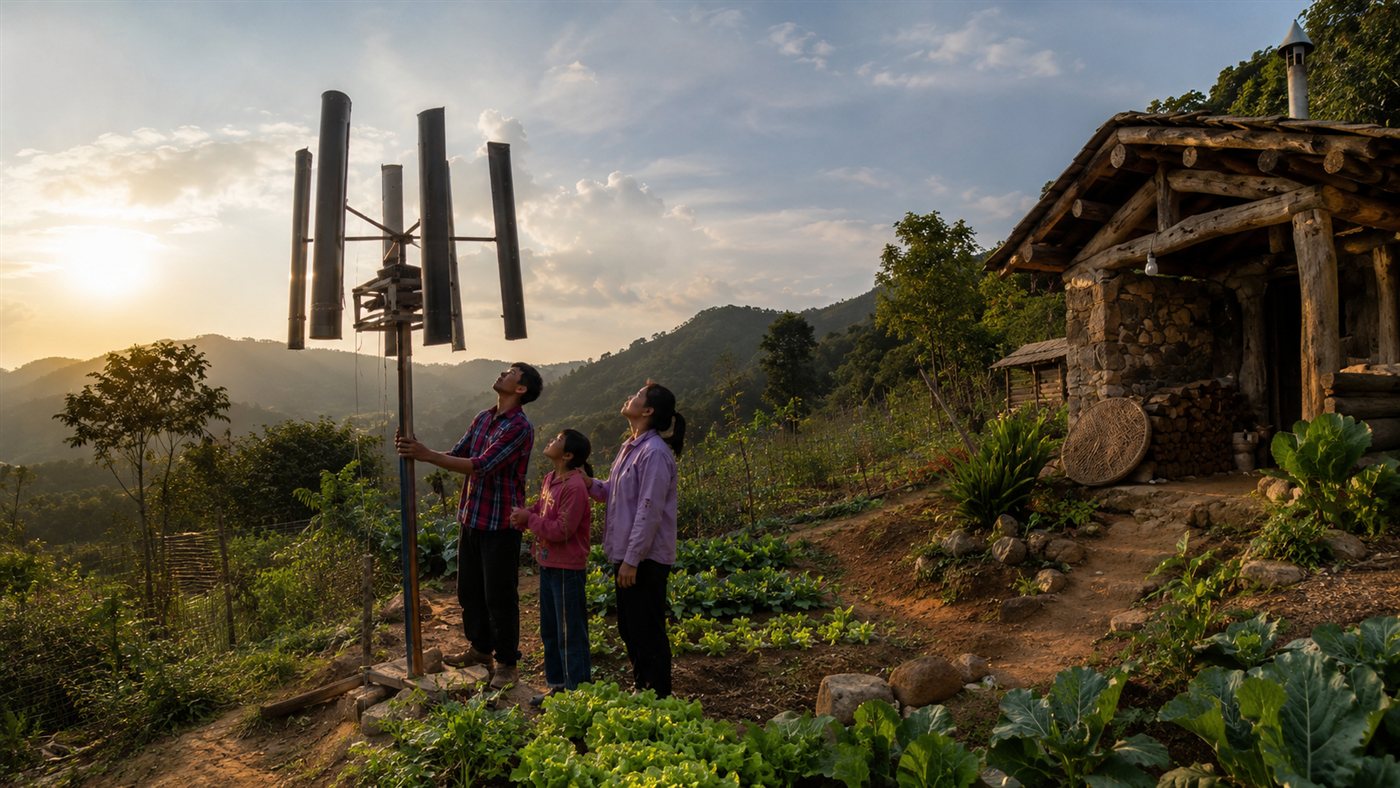
Family Builds Homemade Wind Turbine to Power Off-Grid Home, Video Reaches 555,000 Views on Ngô Thị Huyền’s Channel


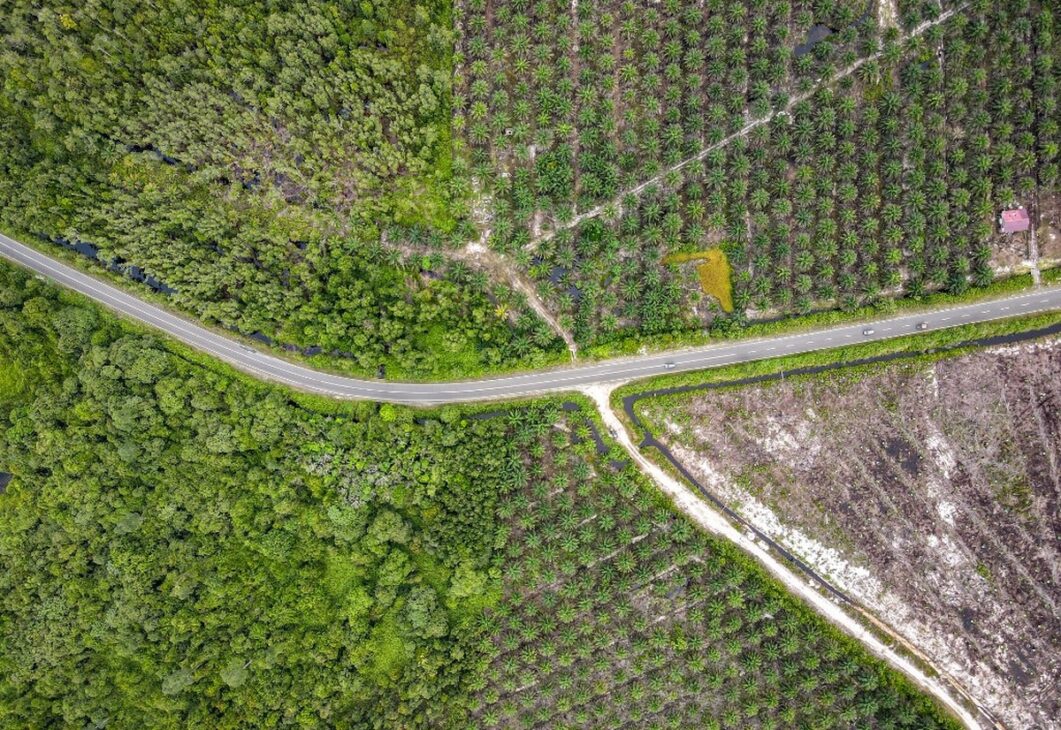
Deforestation in Borneo supplied chain linked to “carbon-neutral” packaging
The areas analyzed are in one of the most biodiverse regions on the planet. Experts point to these territories as habitats for orangutans threatened with extinction.
Over the years, companies have replaced part of the forest with extensive acacia and eucalyptus plantations. These fast-growing trees supply pulp production.
In 2023, Asia Symbol reported that it would stop using wood from one of these concessions. However, the investigation traced materials from these areas to Phoenix Resources International, a supplier in the chain that supplies the company’s operations in China.
According to the investigators, this industrial structure fueled the production of packaging classified as “carbon neutral”. Part of these boxes was destined for medicines marketed by the Chinese subsidiary of Haleon.
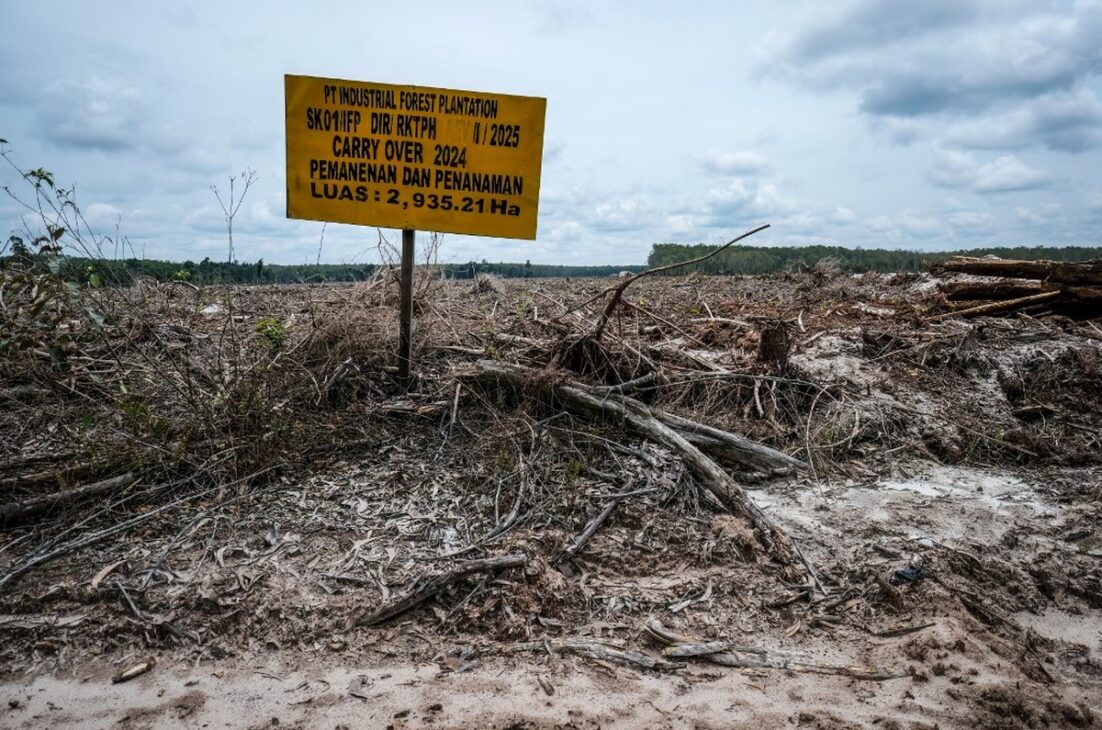
Residents report floods, land loss, and disappearance of wildlife
As production advanced, residents of nearby communities began to report significant changes in the environment. In Humbang Raya, Agau stated that the forest, once essential to sustain the local population, has practically disappeared.
According to him, animals and birds have left the region. Additionally, many families sought work elsewhere after losing forest resources.
In Sei Gawing, within the same concession area, residents said they avoid consuming water from nearby rivers. They also reported more frequent and intense floods after the reduction of forest cover.
Community leader Dodie Kristiawan stated that the floods have started to reach homes. According to her, this scenario did not occur with the same intensity years ago.

Asia Symbol and Royal Golden Eagle return to the center of environmental criticism
Asia Symbol told AFP that it remains committed to not using wood from natural forests or areas recently converted into plantations. Nevertheless, the investigation pointed out connections between the company’s suppliers and regions with significant forest cover loss.
The investigation also pressured the Royal Golden Eagle (RGE), the parent company of Asia Symbol. In 2015, the conglomerate committed to eliminating deforestation from its supply chain.
In 2024, the company obtained financing of US$ 1 billion linked to sustainability goals. Despite this, environmental organizations claim that the investigation raises doubts about the effectiveness of these commitments.
Representatives from the Rainforest Action Network and Greenpeace International said that the case reignites questions about possible greenwashing practices. The term defines environmental marketing strategies that do not fully reflect the operational reality of companies.
Forest certification, sustainability, and international pressure enter the debate
The Forest Stewardship Council (FSC) reported that the suspension involving Royal Golden Eagle remains in effect. The entity had already withdrawn the group’s certification following allegations related to deforestation.
Furthermore, the investigation showed that government reports identified the supply of wood to Phoenix Resources International through various forest concessions. Satellite images analyzed by investigators recorded deforestation in some of these areas.
Trade data and navigation information also helped track shipments of pulp sent from Indonesia to Chinese ports used by Asia Symbol.
According to Global Forest Watch, Indonesia remains among the countries with the highest loss of forest cover in the world. For residents affected by the expansion of plantations, the advance of deforestation directly threatens livelihoods, biodiversity, and remaining forests.