






 Portuguese
  Spanish


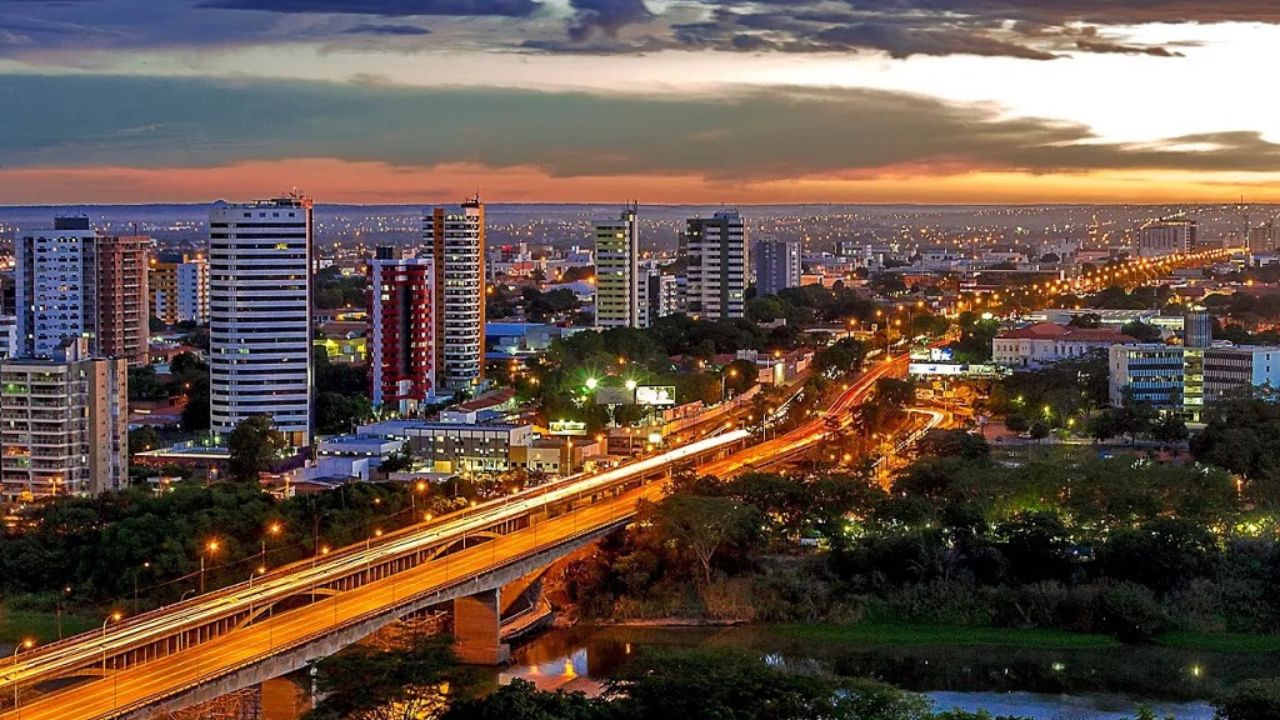


Born from a Strategic Project, the Only Capital of the Northeast That Is Not Coastal Was Planned Between Two Rivers and Became Famous for Intense Heat and a Unique Culture That Balances Modernity and Tradition.
On the map of the Northeast Region, where capitals are almost synonymous with beaches and sea breezes, one point stands out for its bold continental location. Teresina, the capital of Piauí, is the only capital in the Northeast that is not coastal, a feature that defines not only its geography but also its entire history. Strategically founded on the banks of the Parnaíba and Poti Rivers, the city earned the nickname “Brazilian Mesopotamia,” a direct reference to its fluvial origin and its importance as a development hub in the heart of the sertão.
Unlike other metropolises that grew organically from colonial ports, Teresina was the first planned capital in Brazil, a deliberate project to modernize the province and connect it to major commercial routes. As detailed by the Conecta Piauí portal, this strategic decision to move the seat of power from Oeiras to a new location enabled the economic and logistical development of the state, shaping a city that still faces the challenges and advantages of its unique geography.
A Planned Capital: The Strategy Behind the Move
The founding of Teresina on August 16, 1852, was not a historical accident but a calculated act of political and social engineering. In the mid-19th century, the then capital of the Province of Piauí, Oeiras, suffered from geographic isolation, far from the river routes that were vital for commerce. The transfer of the capital was, therefore, a visionary project led by Counselor José Antônio Saraiva, who saw in the valley between the Parnaíba and Poti Rivers the ideal location to drive progress. The choice was purely logistical, seeking a navigable outlet to the sea and, consequently, to the rest of Brazil and the world.
-
Former Atacadão Employee Turns Online Cake-Baking Lessons into a Confectionery Brand with Factory, Store, Delivery, and Nearly $400,000 in Revenue

-
Brazilian Startup Sells Nearly 9 Million Surprise Bags of Near-Expiry Food, Prevents Thousands of Tons of Waste, Aiming for $42 Million Revenue by 2026
-
How to Prevent Brown Recluse Spider Bites: Common Hiding Spots and Free Tips to Reduce Risks

-
Natto: The Unusual Japanese Superfood Gaining Popularity on Social Media and Driving Record Exports




As pointed out by an academic article published on the SciELO platform, the genesis of Teresina was driven by political and economic interests that sought “modernity and development” for Piauí. The very layout of the city, designed by master builder João Isidoro França, materialized these ideals. Designed in a “chessboard” format, with wide streets and regular blocks, the city broke away from the winding pattern of colonial cities, adopting a geometry that symbolized order, rationality, and progress. The name, a tribute to Empress Teresa Cristina, was the final political move to ensure the Crown’s support for the ambitious project.
The “Brazilian Mesopotamia” and the Green City
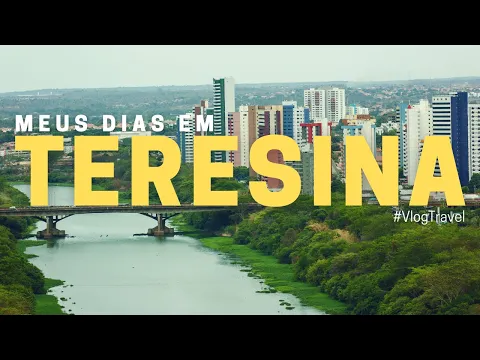

The identity of Teresina is inseparable from its fluvial geography. The nickname “Brazilian Mesopotamia” is not just a poetic license, but the recognition that the Parnaíba and Poti Rivers were the cradle that sustained the city. Historically, navigation was the backbone that enabled the project of the new capital, serving as the main artery for the flow of production and communication. Today, the Environmental Park Meeting of the Rivers celebrates this confluence, offering one of the city’s most iconic postcards and a symbol of its origin.
In direct contrast to the intense heat of the region, Teresina is also affectionately called the “Green City.” The nickname, attributed by writer Coelho Neto, who was enchanted by the local greenery, reveals a strategy for survival and well-being. The thousands of trees lining the streets and avenues are not just an aesthetic detail, but a living infrastructure essential to mitigate high temperatures and create a more enjoyable microclimate. Parks like Potycabana and da Cidadania function as true urban oases, reinforcing the image of a capital that has learned to use nature to its advantage to ensure quality of life.
B-R-O-Bró: The Challenge of Extreme Heat
Talking about Teresina is to talk about its climate. The heat is a constant, but it peaks during the period popularly known as “B-R-O-Bró,” which spans the months of September, October, November, and December. As explained by Conecta Piauí, this phenomenon is characterized by temperatures that frequently exceed 40°C and critically low relative humidity. The popular name demonstrates how integrated this climatic event is with local culture and daily life, influencing everything from informal conversations to public health alerts about the risks of dehydration and heatstroke.
B-R-O-Bró also aggravates a serious environmental problem: wildfires. The heat and dryness create perfect conditions for forest fires, which are mostly started by human action. This establishes a dangerous vicious cycle, where global warming intensifies extreme heat, which in turn increases the risk of fires. The wildfires release enormous amounts of greenhouse gases, polluting the air and further contributing to climate changes that exacerbate the phenomenon. The fight against this cycle puts Teresina on the front lines of climate challenges in Brazil.
Cajuína: Cultural Heritage and Symbol of Hospitality
The culture of Teresina is rich and manifests authentically in its cuisine, handicrafts, and traditions. No element, however, translates the Piauí spirit as well as Cajuína. More than a drink, this clarified cashew juice, with its amber color and unique flavor, is a symbol of local hospitality. Its artisanal production process, which involves the removal of tannins from the fruit and cooking in a water bath to caramelize the natural sugars, is a knowledge passed down through generations.
Recognized as Cultural Heritage of Brazil by IPHAN (National Institute of Historical and Artistic Heritage), Cajuína represents the creativity of a people who transform the fruits of the sertão into a sophisticated delicacy. According to information from IPHAN itself, the drink is deeply linked to rituals of welcome and celebration in Piauí. Offering a chilled Cajuína to a visitor is a gesture of welcome and friendship, a ritual that encapsulates the human warmth of the capital in contrast to the heat of the climate.
Teresina is a city of striking contrasts. Did you already know the story of the only northeastern capital outside the coastline? And for those who live in the city, what is the experience of facing B-R-O-Bró like? Share your perspective in the comments, we want to know what daily life is like in this unique capital.






