Portuguese
  Spanish


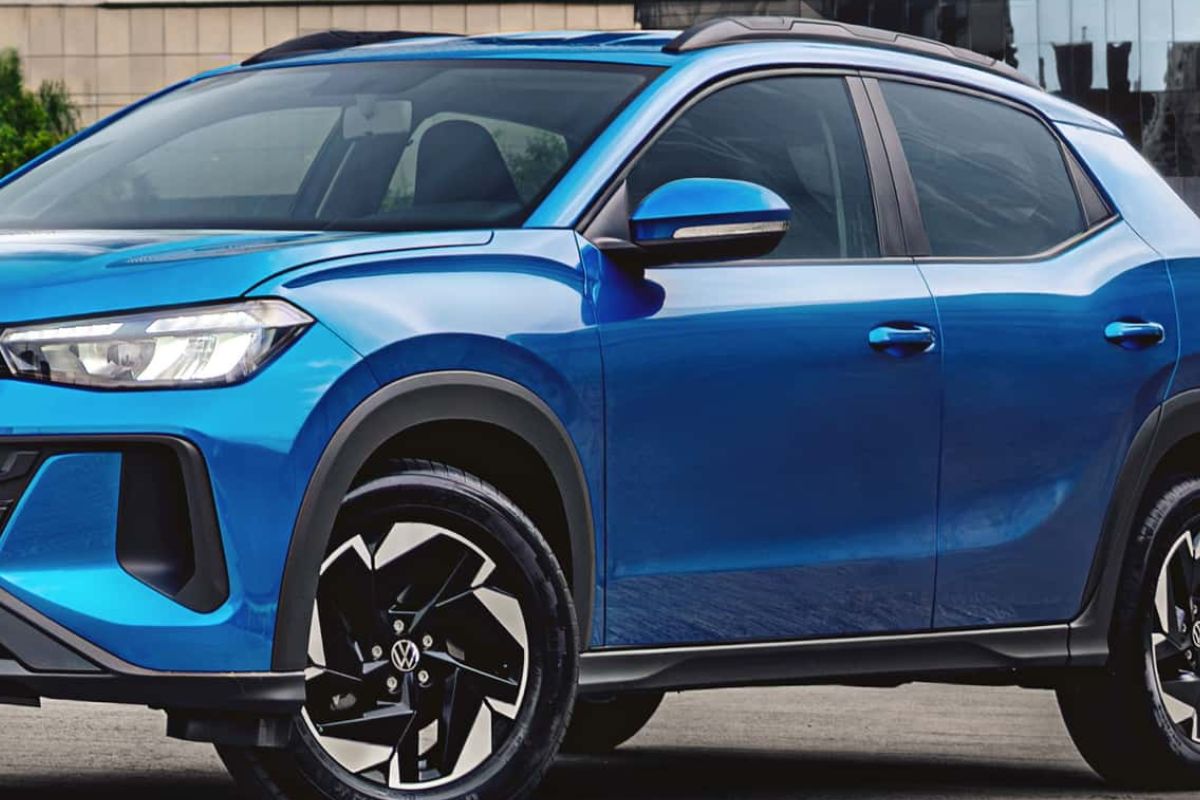


An Analysis of the 1.0 MPI and 1.0 TSI Engines Equipped in the Volkswagen Tera. Understand the Strategy Behind the Two Engines of the New Popular Car from VW.
The Volkswagen Tera had a successful launch in Brazil, selling 12 thousand units in just 50 minutes. This new popular car, a compact SUV, relies on a well-defined engine strategy. VW offers two 1.0 engine options, each with a clear purpose in the market.
This article focuses solely on the engines of the VW Tera. We will analyze the characteristics and positioning of the aspirated 1.0 MPI and the turbocharged 1.0 TSI, and how they are key components in Volkswagen’s plan to regain the entry segment.
The Two Hearts of the Volkswagen Tera: The Dual Engine Strategy
The Volkswagen Tera enters the market with a strategy of two engines. This choice allows the brand to compete on different fronts within the entry segment. For the more affordable versions, the bet is on the well-known and reliable aspirated 1.0 MPI engine.
-
Suzuki Jimny Nomade 5-Door: A Rugged Family SUV with 1.5L Engine and 4WD, Priced Around $18,000 in Brazil

-
Suzuki XL6: Affordable Premium Minivan in India Offers Seating for Six, Hybrid Engine, and Impressive Fuel Efficiency

-
Banco do Brasil and Uber Launch Cashback Program Offering Up to 3.5 Loan Installments Back, Drivers Gain Access to New Cars Worth Up to $30,000 Through Move Brasil Initiative

-
Looking for a Car for Dirt Roads? Fiat Uno, Strada, and Volkswagen Gol Offer Durability and Affordability



For the more equipped versions of the new popular car, which aim to challenge rivals like Fiat Pulse and Renault Kardian, Volkswagen has deployed the modern and efficient turbocharged 1.0 TSI engine. This duality is made possible by the flexibility of the MQB A0 platform, the same used for Polo and Nivus, ensuring a robust foundation for both configurations.
The 1.0 MPI Engine of the New Popular Car
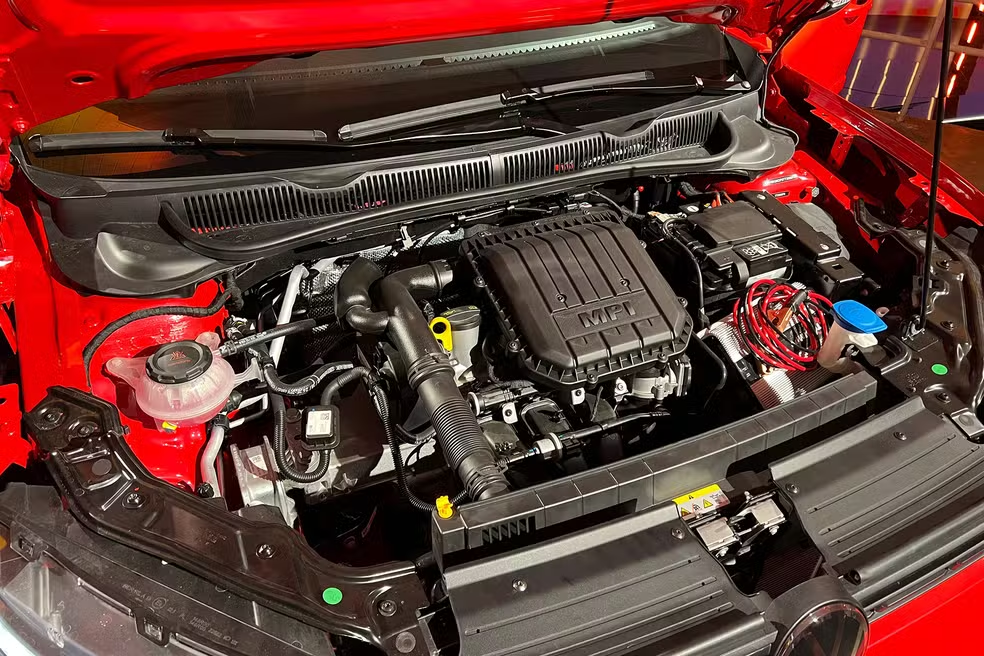
The entry-level versions of the Tera are equipped with the aspirated 1.0 MPI engine. This flex engine delivers 84 hp of power. It is available with a manual transmission.
The choice of this engine for the cheaper versions of the new popular car from VW is strategic. The focus here is to offer a powertrain with simpler maintenance and lower acquisition cost. It meets the consumer looking for a robust and reliable vehicle for daily use, without the complexity or additional cost of turbo technology.
The 1.0 TSI Engine: The Turbo That Combines Performance and Efficiency
For the Comfort and High versions, the Volkswagen Tera features the 1.0 TSI engine. This turbo flex engine generates 116 hp of power, offering significantly superior performance. It can be paired with either a manual or an automatic transmission.
The TSI technology is the major differentiator for those seeking more agility. The turbo ensures quicker responses and strength at low revs. Despite the higher power, efficiency is not sacrificed in the new popular car from VW. According to Inmetro, fuel consumption with gasoline varies from 12.2 km/l to 14.7 km/l, depending on the version, demonstrating a good balance between performance and economy.
Why Did Volkswagen Bet on Two 1.0 Engines?
Market experts and analysts see Volkswagen’s dual engine strategy as an intelligent move. This decision allows the Tera to compete in two distinct price ranges within the crowded entry segment.
The 1.0 MPI engine positions the Tera to compete with the cheapest cars in Brazil, such as Fiat Mobi and Renault Kwid, offering an SUV option with an aggressive price. On the other hand, the 1.0 TSI engine places the Tera in direct competition with turbo compact SUVs, like Fiat Pulse and Renault Kardian, which have become very popular. The MQB A0 platform was crucial in enabling this flexibility, accommodating both engine options without significant structural changes.
The Verdict on the Engines: What is the Best Choice for VW’s New Popular Car?
The choice between the engines of the Volkswagen Tera will depend on the consumer’s profile and budget. The 1.0 MPI engine is ideal for those seeking the lowest acquisition cost and a simple, reliable mechanics. It embodies the essence of the traditional popular car in a modern SUV body.
The 1.0 TSI engine, on the other hand, is the choice for those who value performance, agility, and technology, willing to pay a little more for it. It redefines what is expected from a new popular car, offering a more vigorous and enjoyable driving experience. With this strategy, Volkswagen not only fills the gap left by the Gol but also offers versatile options to try to regain market leadership.