






 Portuguese



Discovered during construction of a solar park in Bad Camberg, Iron Age burial reinforces the presence of Celtic elites in Hessen and points to trade networks linked to the Mediterranean
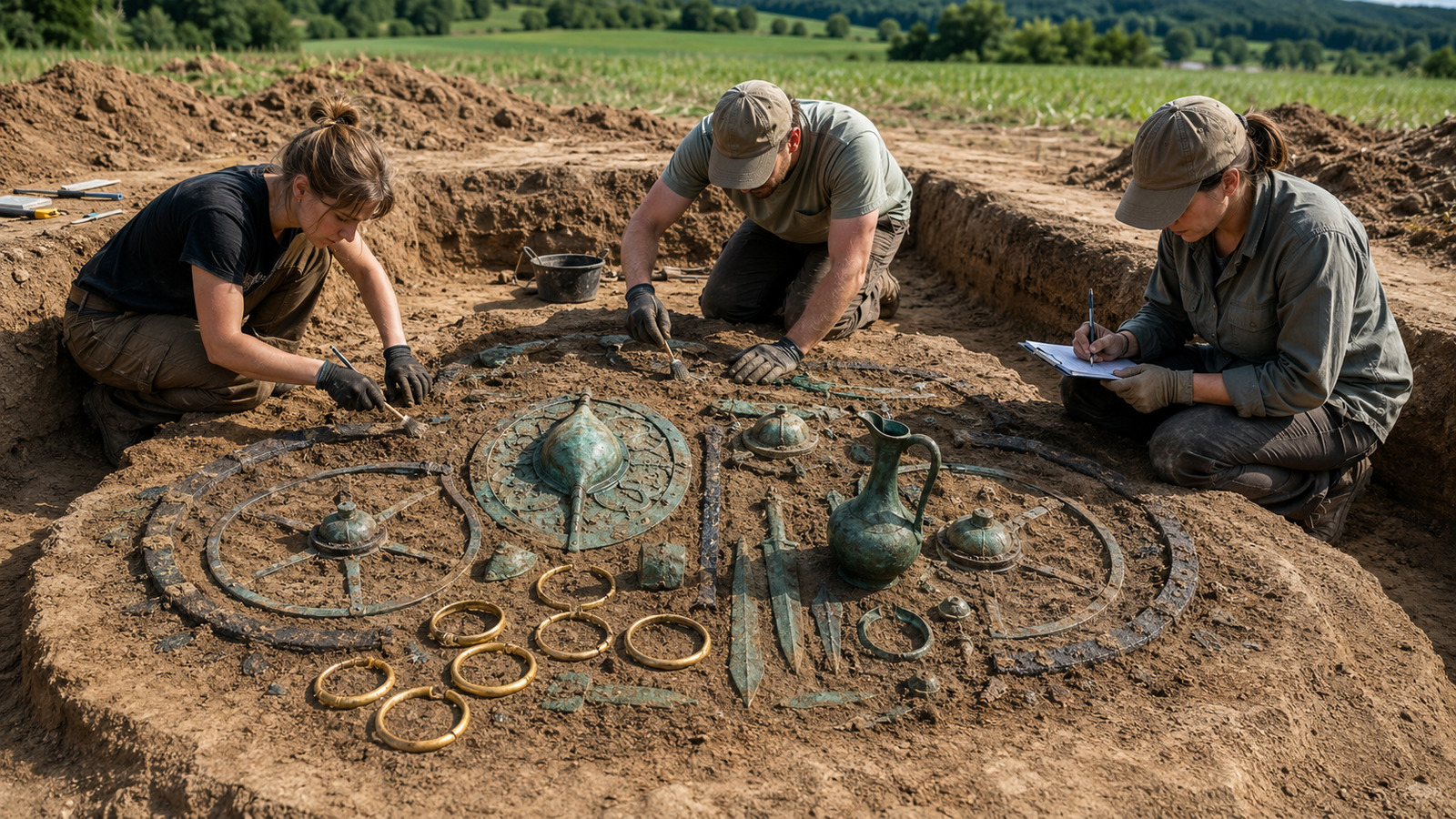
A rare Celtic tomb discovered near Bad Camberg, in Hessen, Germany, revealed a high-status Iron Age burial, with gold jewelry, weapons, an Etruscan jug, and a two-wheeled cart. The discovery occurred during excavations related to the construction of a solar park.


Celtic tomb indicates presence of local elite in Hessen
The burial was identified by archaeologists in an area near the town of Bad Camberg. The structure was described in a statement as a “princely tomb” and reinforces the presence of a local Celtic elite, previously only presumed.
The collection found suggests that the deceased occupied a high position in the society of the time. Although bones and teeth have not survived, experts associate the grave with an elite warrior due to the preserved funerary objects, especially spearheads and a knife.
-
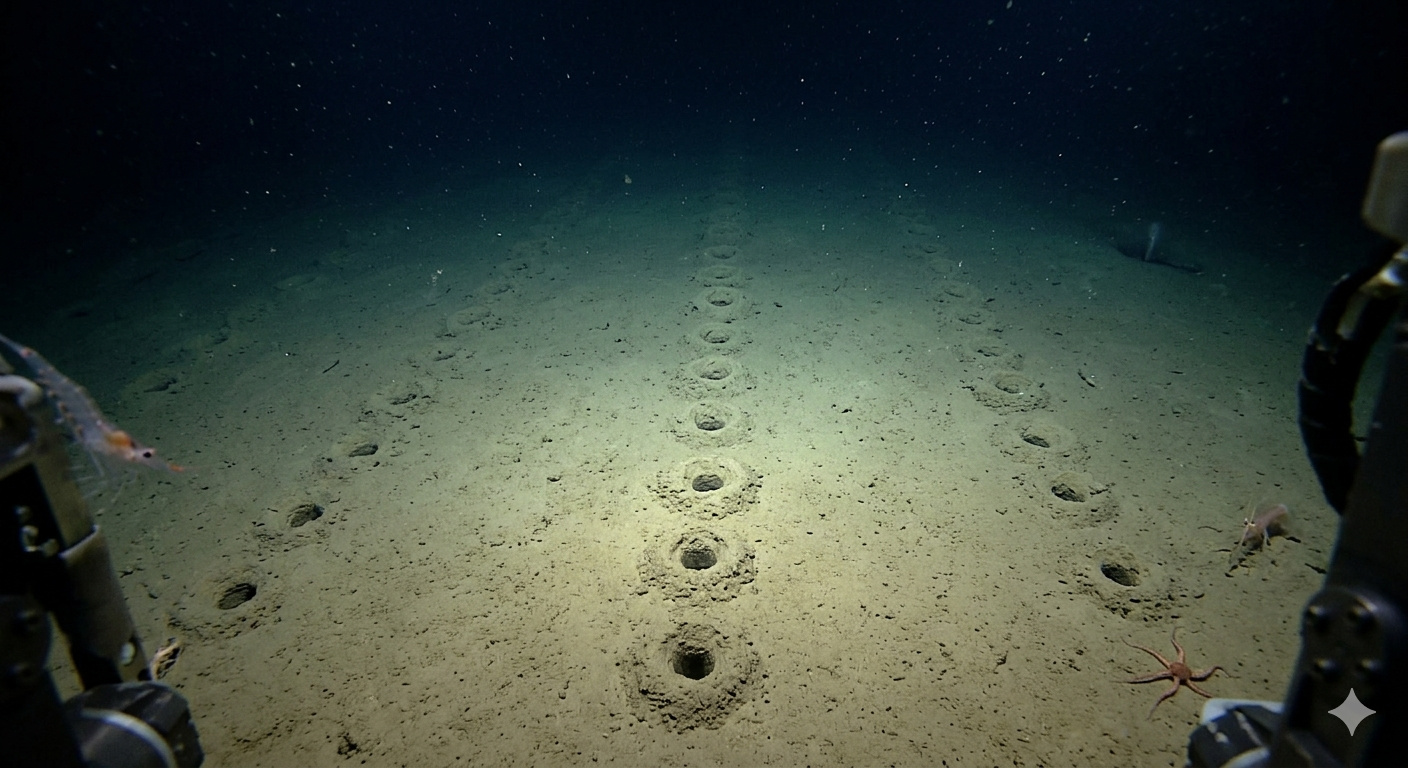
NOAA Scientists Discover Mysterious, Perfectly Aligned Holes on the Mid-Atlantic Ridge Seafloor, Origin Still Unknown

-
California Startup Develops Giant “Space Sling” to Launch Vehicles at Mach 6, Reducing Fuel Use and Enabling Thousands of Satellite Deployments

-
ChatGPT Alerts FBI to Prevent Planned Murder of 8-Year-Old in Brazil’s Espírito Santo
-
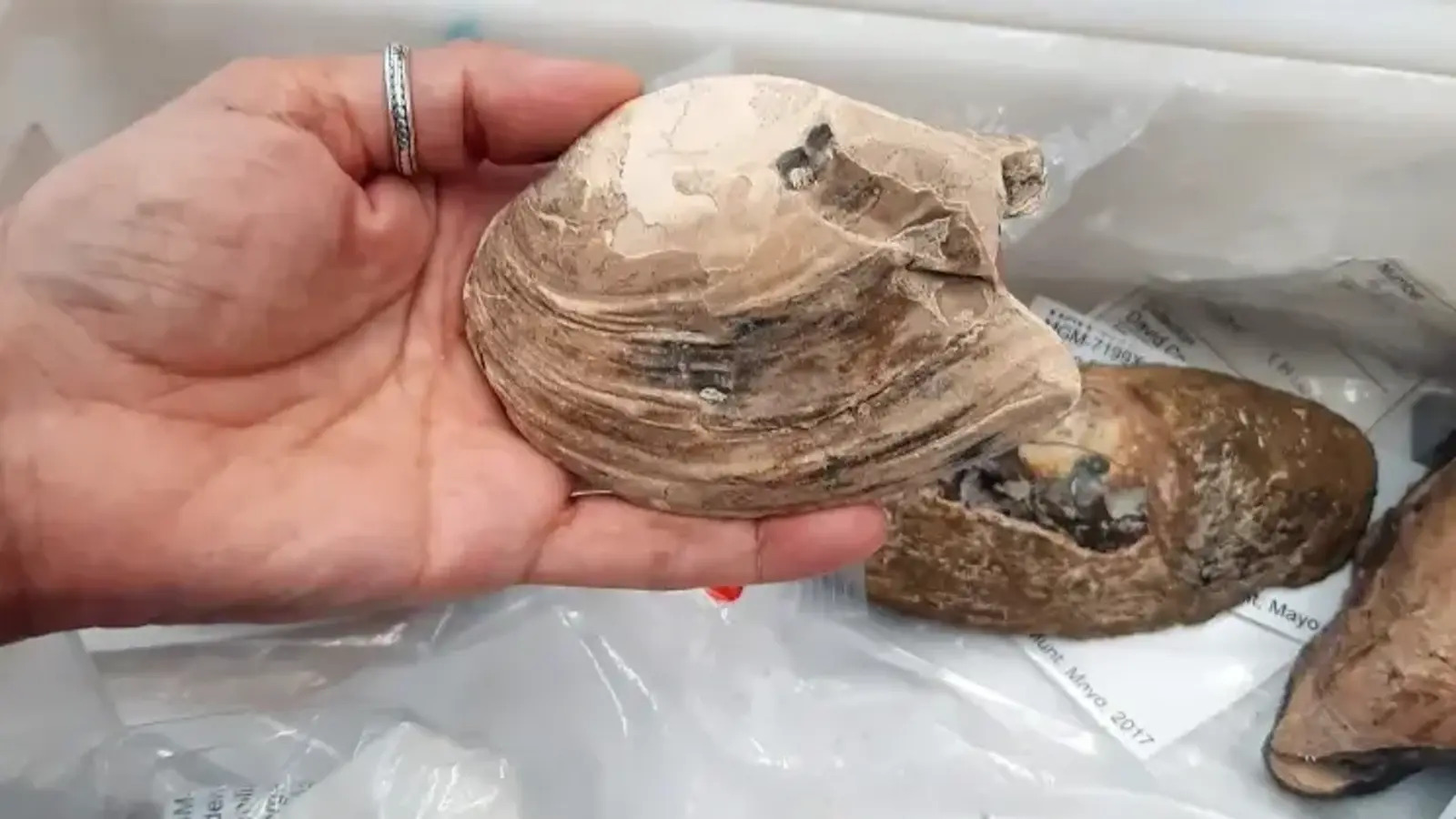
Scientists Discover 125-Million-Year-Old “Pregnant Fossil” with Preserved Embryos and Microscopic Larvae Inside Mollusk in England



Gold, weapons, and cart show the status of the buried
Among the items recovered are solid gold rings, which were likely worn on the fingers, arms, and neck.
Archaeologists also found elements related to a two-wheeled cart, including wheel hubs, iron rims, and metal axle caps.
The cart makes the find especially rare. So far, only three comparable burials had been recorded in Hessen, and none would match the quality of the newly identified tomb, according to the information released.
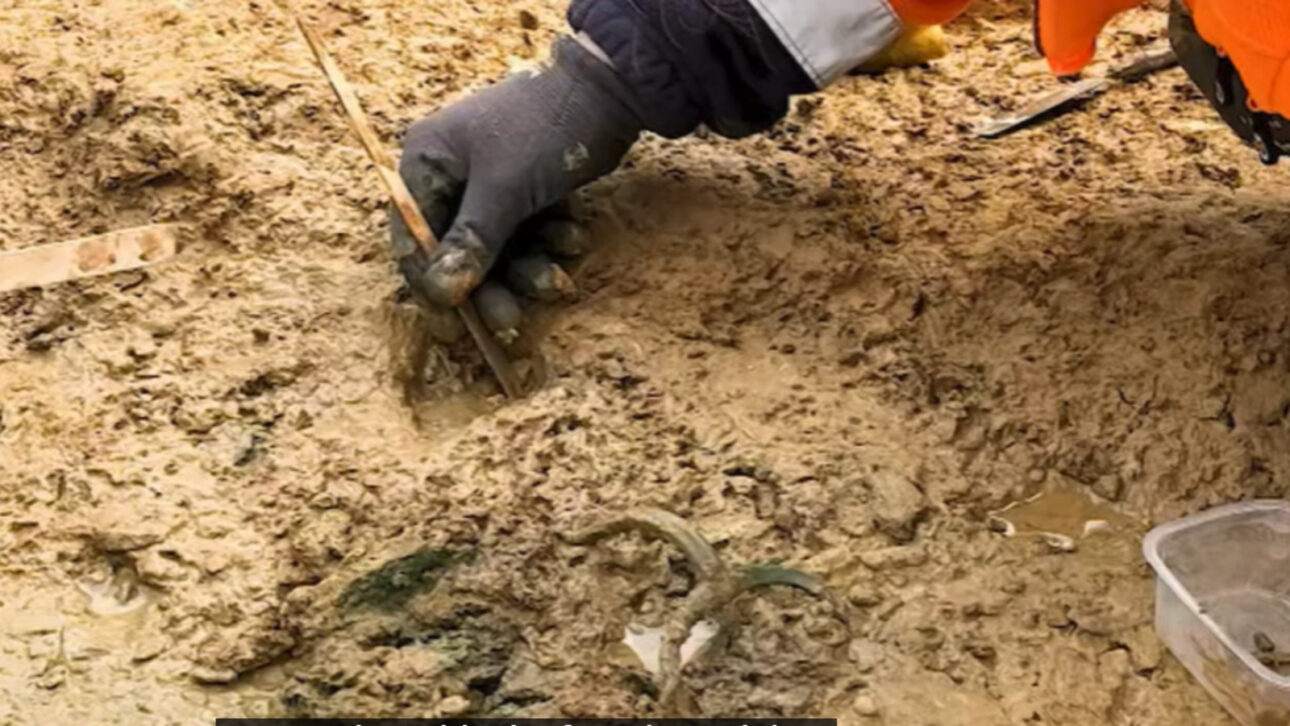
Etruscan jar points to contacts with the Mediterranean
Another standout object is a spouted jar, possibly imported from present-day Tuscany, Italy. The item is similar to examples found in Glauberg, another Celtic settlement located in Hesse.
The presence of this jar, alongside other artifacts, indicates extensive trade networks during the Iron Age. These connections linked regions of present-day Germany to the Mediterranean, showing that the local Celtic elite maintained supra-regional contacts.
Discovery of the tomb approaches the period of the prince of Glauberg
The tomb of Bad Camberg dates approximately from the same period associated with the so-called prince of Glauberg, a life-sized sandstone statue found in a burial in 1996.
Both cases are linked to the La Tène culture, which flourished in Central and Western Europe between about 450 and 50 BC.
Despite the temporal similarity, the leader of Glauberg was buried with funerary goods considered more valuable.
Christoph Degen, state secretary of culture, stated that the discovery fits into Hessen’s rich Iron Age heritage.
According to him, the find can expand understanding of social elites, craft skills, supra-regional contacts, and funerary customs.
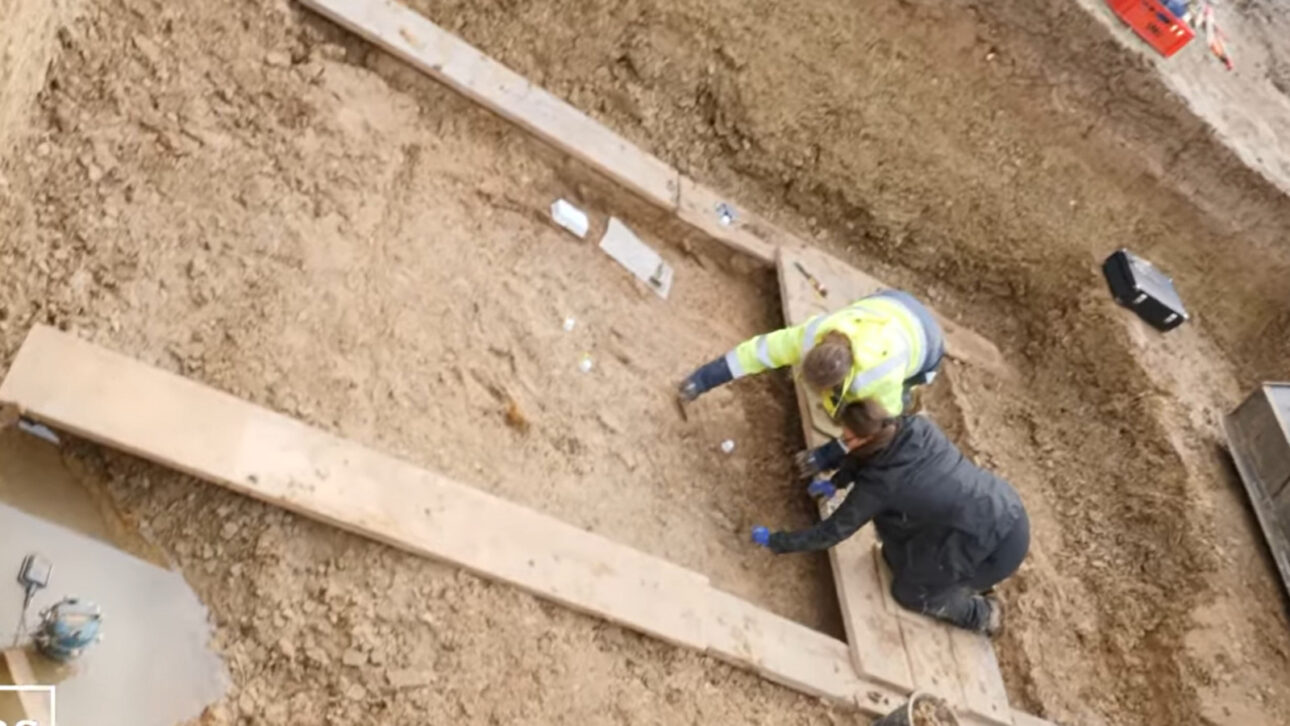
For now, only a small part of the site has been excavated. X-rays and CT scans indicate that more funerary objects may remain underground. The artifacts already recovered still need to be evaluated.
This article was prepared based on information from a statement cited in the source material, German Press Agency, Spektrum.de, and Mittelhessen, with data, numbers, and statements preserved as per the consulted material.


