Portuguese
  Spanish


Simple technique does not prevent ice formation, but creates a removable layer that facilitates cleaning in freezers with manual defrost and can help with appliance maintenance
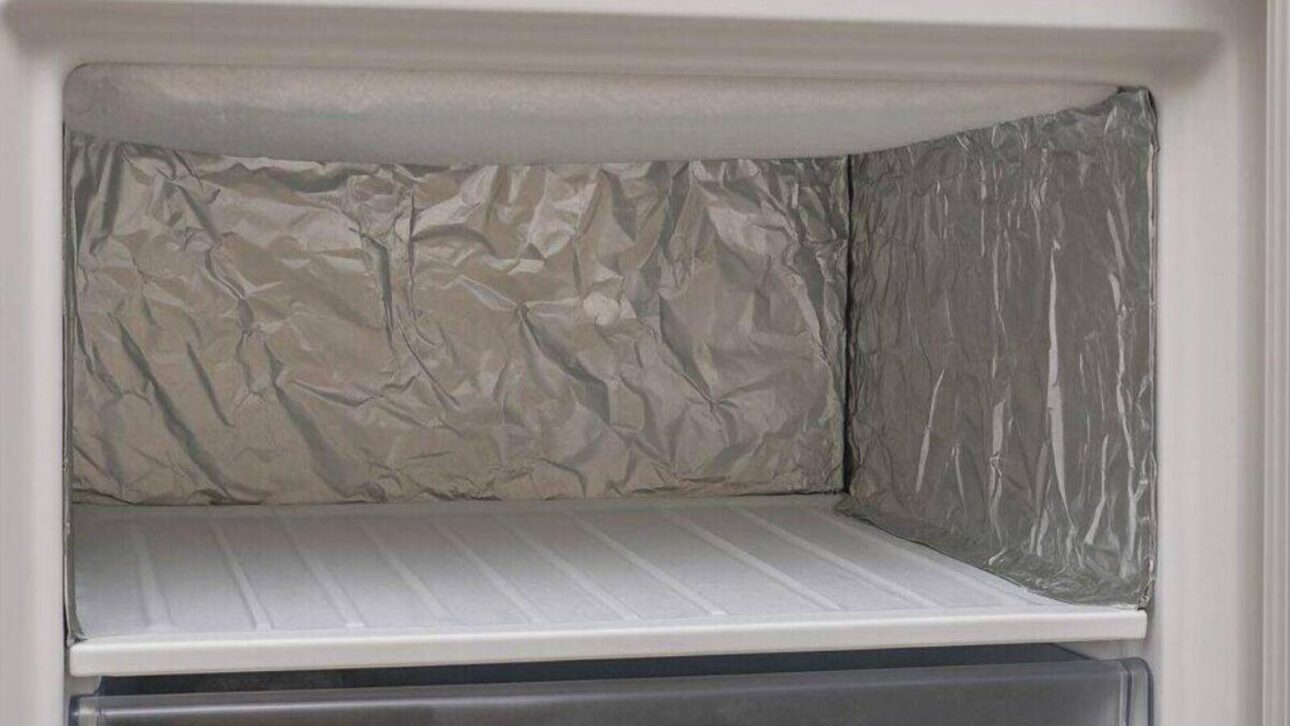
The use of aluminum foil in the freezer has drawn attention as a simple way to facilitate cleaning in appliances that frequently accumulate ice. The technique does not prevent the frozen layer from forming, but creates a removable surface that can reduce the work during maintenance.
Aluminum foil in the freezer does not prevent ice, but helps with removal
Ice accumulation in the freezer happens because of air humidity. Whenever the door is opened, warm and humid air enters the compartment and comes into contact with the cold surfaces.
Over time, this moisture freezes and forms a layer on the internal walls, drawers, or trays. Aluminum foil enters this process as a simple barrier between the ice and the appliance surface.
-
College Dropout Turned Window Cleaner Builds $1 Million Cleaning Business with Subscription Model After 18 Years of Door-to-Door Work

-
North Korean Soldier Risks Crossing One of the World’s Most Dangerous Borders, Detained in South Korea

-
Stingless Bee Honey from Brazil Can Cost Up to $120 a Liter, Surprises with Flavors of Wood, Citrus, and Even Cheese
-
Woman Claims to Have Spotted a Technical Pattern in Recent FIFA Tournaments, Predicts Possible World Cup Winner


In practice, the material does not block ice formation. The difference is that it creates a smooth base where the frozen layer tends to be less stuck. When ice appears, the sheet can be removed and replaced.
Ice layer can increase energy consumption
The problem with ice in the freezer is not just visual or practical. Even a thin layer can act as a thermal insulator and hinder the temperature exchange inside the compartment.
As a result, the compressor needs to work longer to maintain the ideal temperature, usually around -18°C. This increased effort can raise energy consumption and accelerate equipment wear.
When the layer reaches one or two centimeters, the annual expense can increase significantly. Therefore, regular cleaning remains important, even with tricks that facilitate maintenance.
Where to apply aluminum foil safely
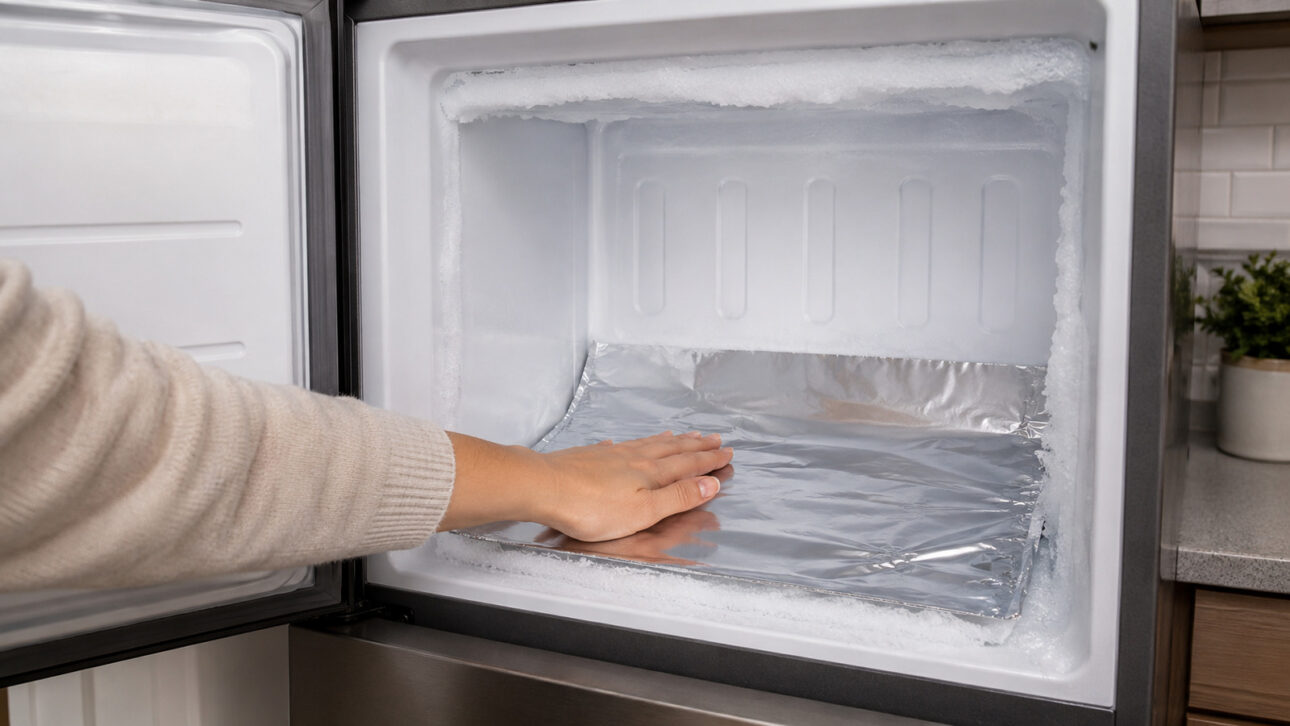
Application should only be done on smooth and accessible surfaces of the freezer. Among the most recommended places are internal side walls, the bottom of some compartments, and the base of drawers or trays.
The paper should be cut to the necessary size and pressed until it is well stretched. Folds, air pockets, or loose sheets can disrupt internal organization and reduce the efficiency of the technique.
When ice starts to form on the aluminum foil, the sheet should be carefully removed. Then, simply discard the ice and place a new clean piece in the same spot.
Parts that should never be covered
Not every internal area of the freezer can receive aluminum foil. Outlets and ventilation channels should not be covered, nor should grates, perforated shelves, sensors, coils, and visible refrigeration components.
Covering these parts can hinder the circulation of cold air or interfere with the appliance’s operation. Before testing the technique, it is recommended to consult the manufacturer’s manual.
If there is any guidance against the use of internal coverings, the manufacturer’s indication should be followed.
The tip is mainly aimed at static refrigeration freezers, which accumulate ice and require manual defrosting.
In No Frost models, which defrost automatically, aluminum foil usually does not offer a significant benefit. In these cases, maintenance depends more on correct use and the conservation of parts.
Besides aluminum foil in the freezer, some habits help delay ice accumulation: opening the door for the shortest time possible, not storing hot food, sealing packages well, and checking the sealing rubbers.
The technique, therefore, does not replace periodic defrosting nor corrects problems in the appliance. It can only make ice removal quicker when used in the correct places and with the necessary precautions.
This article was prepared based on the information provided in the source material, with data, numbers, and guidelines preserved as per the consulted content.