Portuguese
  Spanish


Chamber Approves Opening of The Energy Market, Allowing Consumers to Choose Suppliers and Driving Competitiveness in The Sector.
The opening of the energy market in Brazil marks a historical advancement in the electric sector, which has undergone profound transformations since the establishment of the first state-owned generation and distribution companies.
Indeed, for decades, the Brazilian market maintained a centralized model, in which state-owned companies managed the production and distribution of energy under government regulation.
Although this model brought stability, it also limited competitiveness and consumer choice.
-
Brazilian Energy Auction Secures $4.6 Billion in Projects to Enhance Power Grid and Prevent System Bottlenecks, Achieving an Average Discount of 51.58%

-
Gas-powered generator reignites emergency energy debate in Brazil, offering night and rain operation without open roof, as solar with battery can exceed $7,500 installed.

-
Itaipu Dam Stuns Visitors with First Spillway Opening in 2026, Showcasing the Power of Water Once Again
-
USP researcher creates thesis to attract international funds for the country’s electric energy sector
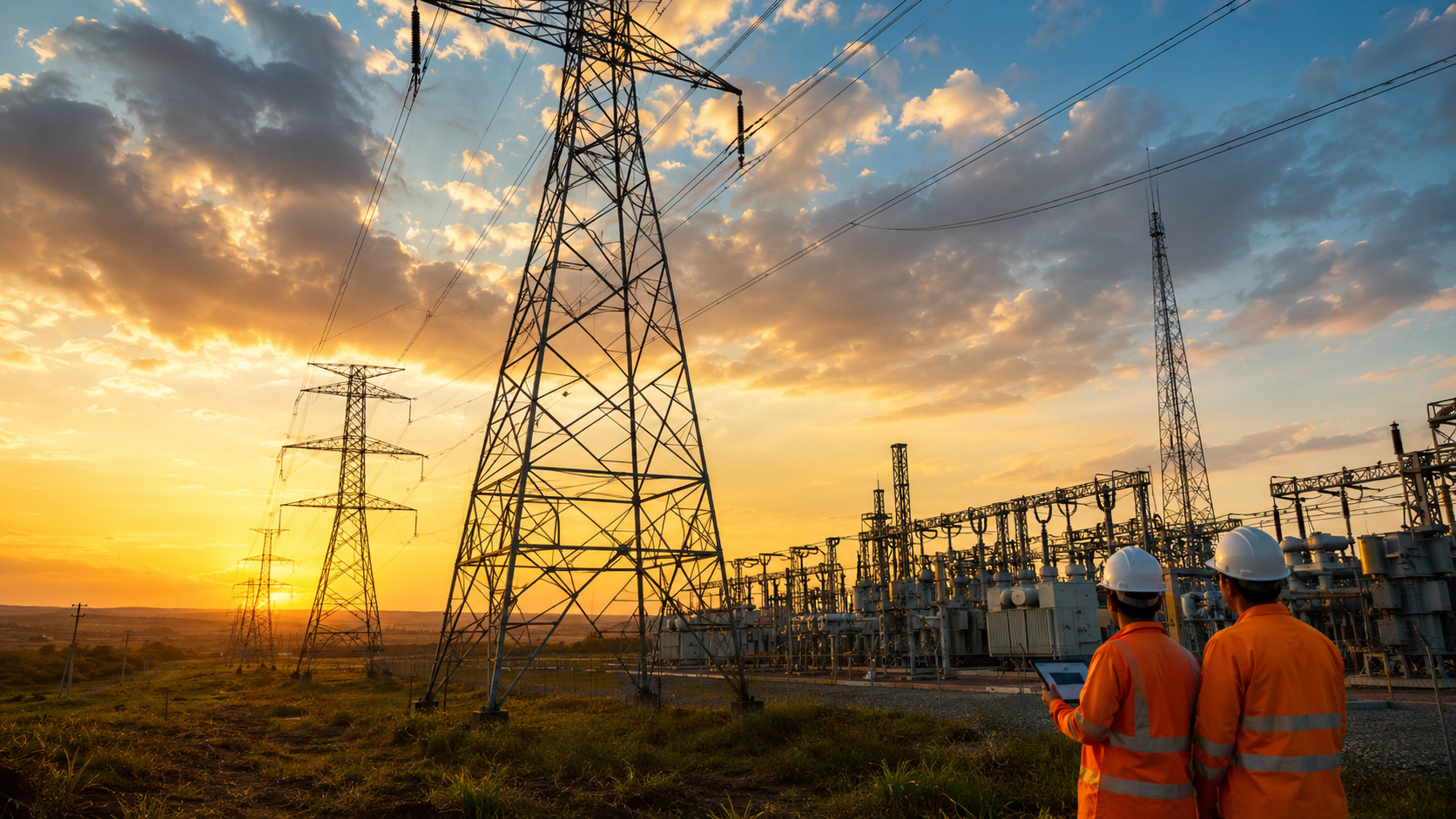



Over the years, several initiatives modernized the sector. For example, the creation of the National Transmission System and the implementation of the Electric Energy Commercialization Chamber (CCEE) in the 90s structured the market and introduced negotiation mechanisms between generators and distributors.
However, even with these changes, the average consumer still could not choose their supplier.
Now, the recent approval of Provisional Measure 1304/25 by the Chamber of Deputies initiates the transformation, paving the way for the opening of the energy market in the country.
The approved proposal guarantees that, within 24 months, Brazilian consumers will be able to choose their electricity suppliers.
This measure incentivizes competition, promotes cost reductions, and improves the quality of service.
Moreover, experts claim that this freedom brings Brazil closer to mature markets, such as those in Europe and the United States, where consumers choose from different generators, including those that produce renewable energy.
Additionally, the implementation of the opening of the energy market requires adjustments to the electric infrastructure.
For example, the transmission and distribution network will need to support an increase in active consumers and diversification of suppliers.
Furthermore, measurement and billing systems will have to adapt, ensuring transparency and security in supply.
Consequently, this historical process reinforces the need for well-planned public policies and continuous oversight by regulatory bodies.
Social Protection and Social Tariff
One of the central points of MP 1304/25 guarantees social protection mechanisms, such as the expansion of the Social Tariff for Electric Energy.
Thus, the measure provides that around 4.5 million low-income families will have free access to electricity, ensuring that the modernization of the sector does not harm the most vulnerable consumers.
Historically, the Social Tariff contributes to reducing inequalities and promoting economic development in less favored regions.
Despite the advancements, the measure generated controversy regarding self-generation of energy, especially solar.
For instance, the inclusion of an additional charge of R$ 20 per kWh for new distributed generation projects received criticism from parliamentarians and experts.
Deputy Lafayette de Andrada (Republicans-MG) stated that the charge could make new investments in self-generation unviable, affecting the growth of solar energy in the country.
This concern is based on previous experiences, which showed that decentralized production stimulates the local economy, generates jobs, and strengthens the clean energy matrix.
To reduce impacts, the MP exempted small producers who generate up to 70 kWh, benefiting microgenerators and maintaining incentives for small-scale renewable energy.
This distinction seeks to balance market modernization with incentives for innovation and sustainability, recognizing the importance of clean sources for Brazil’s energy future.
Thus, the debate over the opening of the energy market and the charge for self-generation highlights the tension between promoting innovation and the need to ensure revenues for maintaining the electrical network.
State Quotas and Wind Energy
Moreover, the proposal to create state quotas for wind energy production also sparked debate.
For example, deputies like Danilo Forte (Union) questioned its practical viability, claiming that not all states have sufficient constant winds to meet the targets.
Historically, energy policies that impose rigid targets can limit investments in regions with greater potential for renewable energies, but with less ability to meet regulatory criteria.
The opening of the energy market connects to a global trend of decentralization and democratization of electricity.
Indeed, countries that have adopted free markets have perceived economic benefits, increased diversity of sources, and stimulated technological innovations.
Additionally, the participation of consumers in choosing suppliers makes the market more competitive, reduces costs, and diversifies the energy matrix.
At the same time, it promotes greater environmental awareness, as consumers can choose renewable sources, such as solar and wind, instead of relying exclusively on large thermal generators.
Moreover, the expansion of distributed generation and wind sources contributes to the decarbonization of the Brazilian energy matrix.
Historically, the electric matrix heavily relied on hydropower and thermal plants, creating vulnerabilities during droughts or high-demand periods.
With the opening of the energy market, consumers and companies can opt for clean energies, stimulating a more sustainable and resilient system.
Impacts and Perspectives for The Sector
Therefore, the approval of MP 1304/25 represents a structural change in the electric sector and a historical advancement in the relationship between consumers, generators, and regulators.
The CCEE and the National Electric Energy Agency (ANEEL) will play a crucial role in implementing changes, adjusting norms and processes so that the transition occurs in an orderly and safe manner.
Moreover, international experience shows that clear and stable regulation attracts investments and consolidates free energy markets.
The debate surrounding the opening of the energy market highlights the importance of policies that consider the social and economic reality of the country.
Thus, the combination of incentives for consumer choice, maintenance of the Social Tariff, and encouragement of distributed generation ensures that modernization is inclusive and sustainable.
Historically, reforms that neglect protection for vulnerable consumers tend to generate political and social resistance, making their implementation difficult.
Additionally, the topic of distributed generation reinforces the relevance of renewable energies for the energy transition of Brazil.
Solar and wind energy are consistently growing, and suitable public policies can accelerate this expansion.
At the same time, the charge on new self-generation projects requires balance between innovation incentives and financial sustainability of the electric sector.
This historical challenge accompanies the emergence of new technologies, which need to integrate without compromising system stability.
Opening of The Energy Market and The Future
In summary, the approval of MP 1304/25 marks a historic moment for the Brazilian electric sector.
The opening of the energy market transforms the way consumers interact with suppliers, creating opportunities for competitiveness and diversification of sources.
Moreover, discussions about self-generation and state quotas demonstrate the complexity of modernizing an essential sector, balancing innovation, sustainability, and social protection.
The measure places Brazil on a path towards a freer market, but requires continuous monitoring to ensure that the benefits are realized fairly and effectively.
Therefore, the future of energy in the country depends on the ability to implement changes responsibly.
The opening of the market represents an important step towards a competitive and sustainable system, allowing consumers to choose their energy sources and enabling new technologies to integrate into the electric matrix.
At the same time, it emphasizes the need for public policies that protect the most vulnerable consumers and promote clean energy production, ensuring that economic progress and sustainability go hand in hand.