






 Portuguese
  Spanish


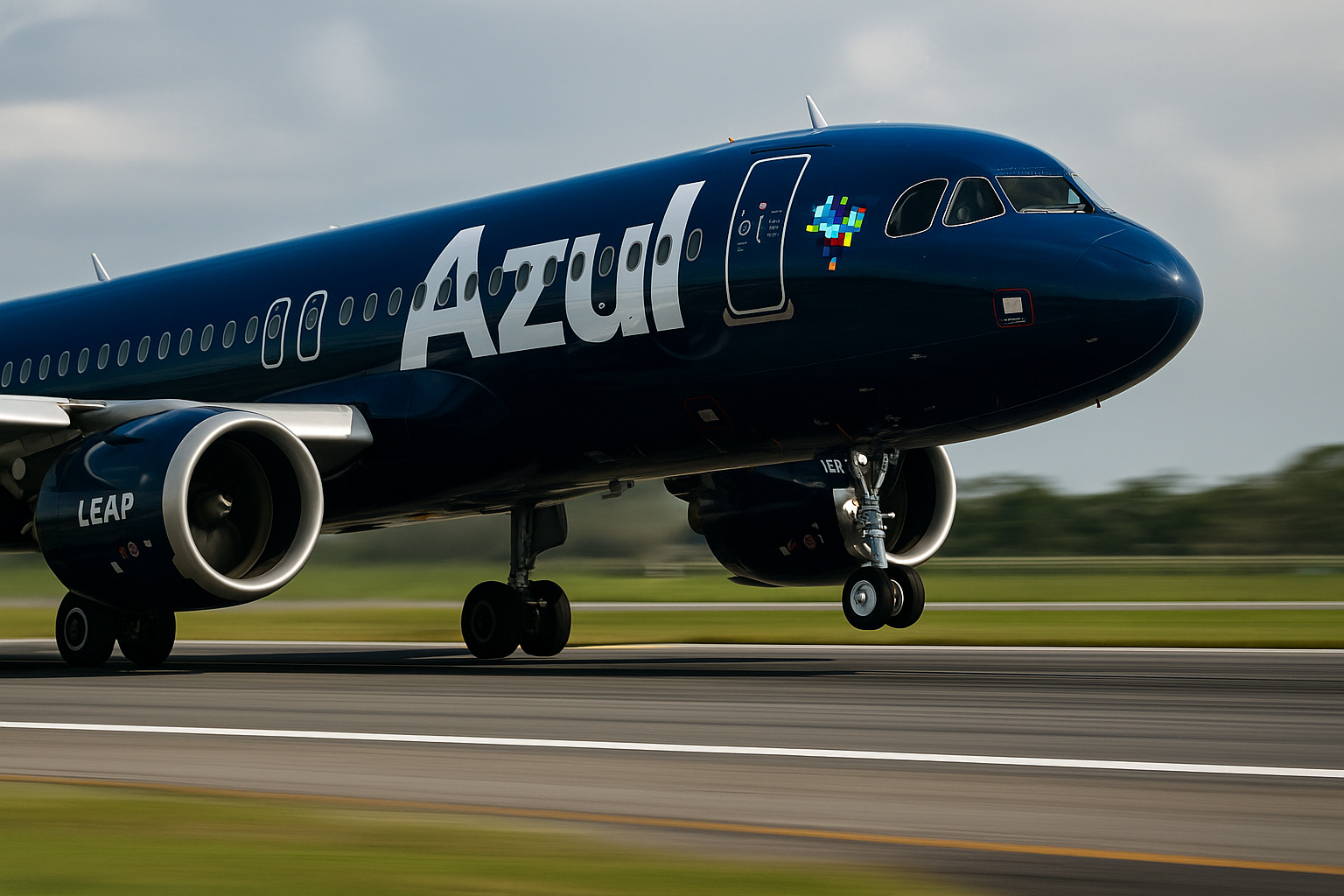
Technical Valuation And Macroeconomic Factors Explain Historic Surge In Stocks, But Analysts Warn That Company Fundamentals Remain Weak
An atypical movement in the financial market caught attention in the first week of September 2025.
The shares of Azul (AZUL4) skyrocketed 127% between September 1 and 8, even amid a judicial recovery scenario and high debt levels.
The performance was driven by technical and macroeconomic factors, according to specialists, but the market warns that the valuation may only be temporary.
-
Controversial 6-day Workweek Elimination in Brazil Faces Economic Criticism Over Productivity Claims

-
Itaú to Refund Customers After 14 Years of Unauthorized Credit Card Charges; Agreement Includes No Interest or Adjustments, Deadline by 2028, with Potential Impact of Up to $6.5 Billion

-
Brazilian Company Grows from Bartering Soap for Food to Producing 30 Million Units Monthly, Challenges Global Giants with $100 Million Revenue and Expands into Premium Cosmetics
-
Petrobras and Engeko’s New Investment Plan Promises Billions and Thousands of Jobs, Capturing Market Attention


Short-Term Technical Effect Drives Valuation
The rise in September was marked by three consecutive sessions above 19%.
On September 8, the shares soared more than 60% during trading, closing at R$ 1.51, according to B3.
In contrast, the Ibovespa fell 0.59% on the same date, ending at 141,791 points.
However, even after the surge, the year’s cumulative result remains negative: down 57.34% in 2025.
This scenario reflects the filing for judicial recovery in the US in May 2025, when the company resorted to Chapter 11 to reorganize debts without interrupting operations.
Understand The Short Squeeze That Moved The Market
According to Jhonatas Deodato, financial planner, the phenomenon known as short squeeze explains the rally.
This effect occurs when investors bet on the decline of a stock and, in the face of an unexpected rise, are forced to buy back shares to limit losses.
- Record Volume: in September, 23.8% of the 812.3 million preferred shares were rented, about 15 million more than in May.
- Mass Repurchase: the valuation forced short-sellers to close positions, generating buying pressure.
- Waterfall Effect: each new rise attracted traders seeking quick profits, further amplifying the valuation.
Deodato highlights that the market configuration made Azul a perfect target for this amplified movement.
Economic Conditions Favor The Airline Sector
In addition to the technical component, external factors helped the recent performance of Azul.
- Drop In Oil Prices: in August, Petrobras reduced the price of aviation kerosene, lowering operational costs.
- Favorable Exchange Rate: the dollar fell 12.16% since July 2025, reducing expenses tied to the US currency.
- Global Scenario: expectations of interest rate cuts by the Federal Reserve stimulated greater risk appetite in emerging markets, strengthening the Brazilian stock market.
According to Gustavo Cruz, chief strategist at RB Investimentos, the combination of a more stable exchange rate and cheaper fuel alleviated pressures in the airline sector.
Cade Suspends Codeshare With Gol And Creates Uncertainties
While the market celebrated the valuation, another factor brought uncertainty for Azul’s future.
On September 3, 2025, the Administrative Council for Economic Defense (Cade) determined a temporary suspension of new shared flights with Gol.
- 30-Day Deadline: the companies must present to Cade the terms of the agreement announced in 2024.
- Regulatory Risk: non-compliance may characterize “gun jumping” and lead to the cancellation of the partnership.
- Divergent Views: some analysts see the codeshare as positive for generating synergies, while others warn of risks given the financial fragility of the companies.
Billion-Dollar Debt Still Concerns Specialists
Despite the historic valuation, analysts emphasize that Azul’s fundamentals remain weak.
According to Gabriel Mollo, from Daycoval Brokerage, the increase was speculative and does not reflect structural recovery.
- Net Debt: about R$ 30 billion in 2025.
- Leverage: debt/EBITDA ratio of 4.9 times, even after restructuring.
- Correction Risk: long-term investors should wait for consistent improvement before increasing positions.
Deodato adds that the risk of decline after a strong rally remains high, as financial challenges continue to weigh on the company.
Which Points Deserve Attention In The Coming Months
- Significant Valuation: jump of 127% in the first week of September 2025.
- Technical Movement: effect of short squeeze amplified by a record number of shares rented.
- Macroeconomic Factors: falling dollar, cheaper oil, and expectations of interest rate cuts in the US.
- Regulatory Uncertainties: Cade’s decision on codeshare with Gol.
- Structural Fragility: high debt and weak fundamentals still limit long-term prospects.
The recent history of Azul demonstrates how technical and macroeconomic movements can distort prices in the short term, but not alter fundamentals.
In this scenario, analysts emphasize that the surge does not represent a definitive recovery for the company.
Given this scenario, the question remains: will investors sustain the rally or will the market quickly correct prices again?







-

1 person reacted to this.