






 Portuguese
  Spanish


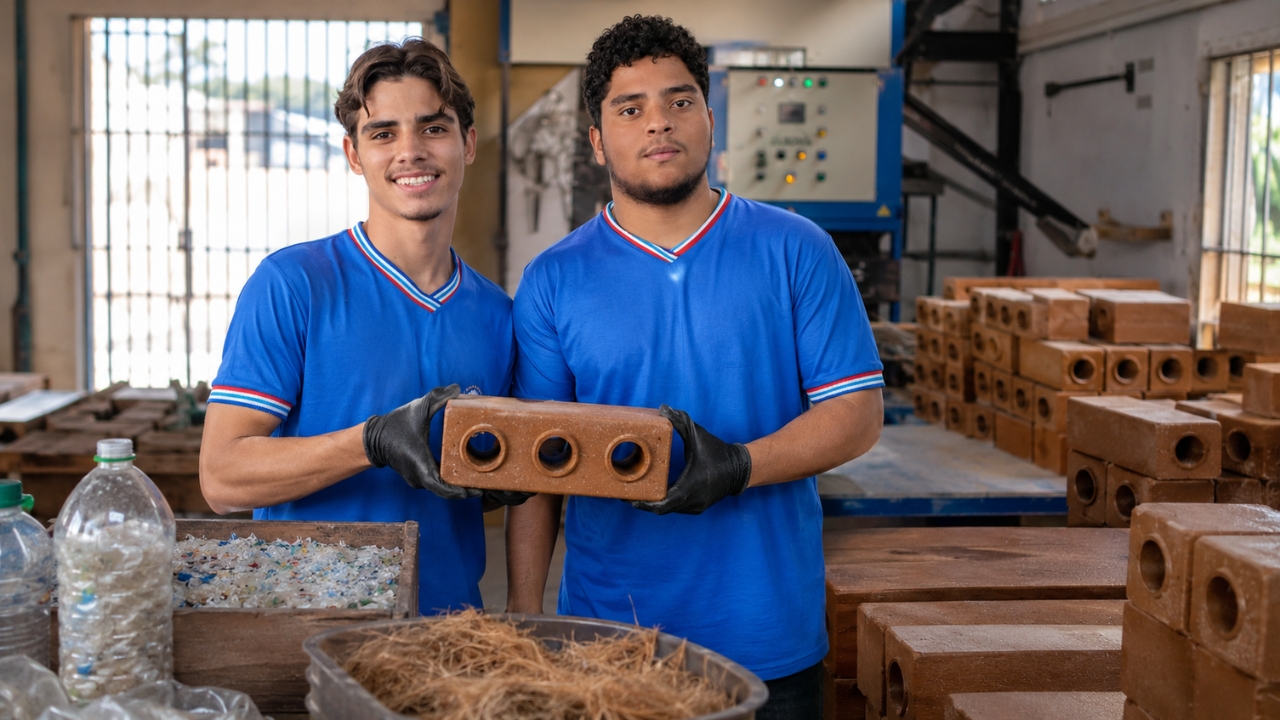
Students from Barreiras, in western Bahia, developed a prototype of an ecological brick made from plastic waste and natural fibers, in a school proposal that brings together recycling, innovation, and more conscious civil construction.
Two students from Barreiras, in western Bahia, decided to look at discarded plastic differently. Instead of seeing just accumulated waste, João Victor Souza and Carlos Gutemberg, students at Colégio Estadual Democrático Marcos Freire, developed ecological bricks made with recyclable plastic, cement, fine sand, and natural fibers.
The project, promoted by the Government of Bahia and the Bahia Secretariat of Science, Technology, and Innovation, is still in the resistance testing phase, but it already draws attention for the simple and powerful contrast: materials that could end up in the trash being transformed into prototypes for civil construction.
The idea gains strength in a country that, according to ABREMA, recycles about 4% of waste and collected 63.8 million tons of solid waste in 2022. In such a scenario, each proposal that gives new use to urban waste helps put recycling at the center of the conversation.
-
Brazilian Scientists Among Team Proposing to Turn Ocean Depths into Giant Gravity Battery Using Cargo Ships and Subsea Cranes

-
Chile’s Plan for a 20,000 km Undersea Cable to Hong Kong Halted by U.S. Pressure, Highlighting the Silent Data Control Battle in Latin America

-
In Somaliland’s Desert, Greenhouse Uses Sun and Seawater to Grow Lettuce, Cucumbers, and Tomatoes Without Rain: 1-Hectare Project Cools Crops, Desalinates Water, and Converts Brine into Commercial Salt
-
Trump Unveils $400 Million Boeing 747 Donated by Qatar as Temporary Air Force One Amid Boeing Delays, Sparking Debate on National Security, Costs, and Foreign Influence



Students from Barreiras created bricks with recyclable plastic and natural fibers
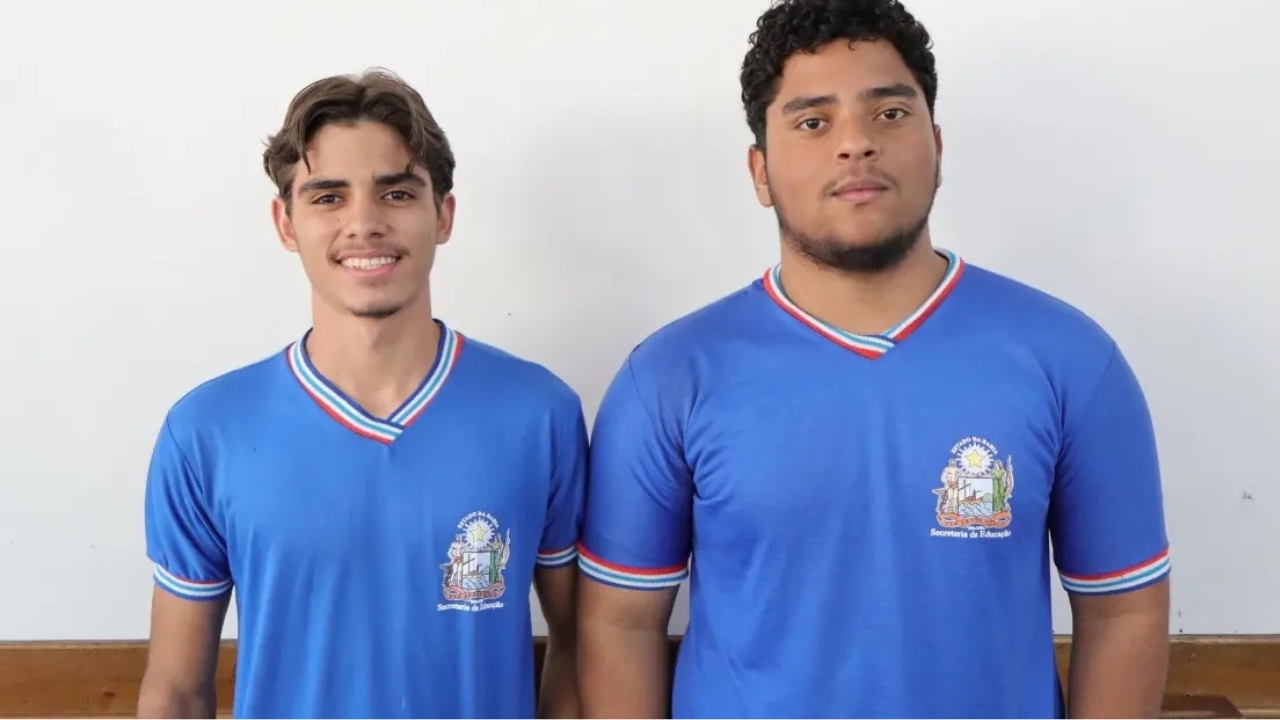
According to the Government of Bahia, the project was developed by students João Victor Souza and Carlos Gutemberg, with guidance from teacher Sheila Barreto and co-guidance from Alex Soares Sobrinho.
The experience was born within the school environment, at Colégio Estadual Democrático Marcos Freire, in Barreiras. The goal was to create a more sustainable alternative for civil construction, using accessible materials and waste that is usually improperly discarded.
The composition of the bricks includes recyclable plastics, cement, fine sand, and substances extracted from nature, such as coconut fibers. The choice of materials was not random. The group studied the properties of each element to understand which could contribute to lightness, resistance, and reuse.
The central point of the proposal is precisely in this combination. Plastic ceases to be just an environmental problem and starts to be treated as part of a possible technical solution.
PET, HDPE, and PVC entered the project’s mix
Among the plastics used by the students are PET, HDPE, and PVC, three materials common in everyday life and frequently found in urban waste.
PET was mentioned for its lightness and frequent use in soda bottles. HDPE appears in milk bottles and cleaning products, known for its greater resistance. Meanwhile, PVC is used in pipes and is characterized by its rigidity and durability.
By combining these materials with cement, fine sand, and coconut fiber, the students aimed to produce an ecological brick capable of reusing waste and reducing part of the dependency on conventional raw materials.
Professor Sheila Barreto explained, according to the official release, that the combination of these elements aims to deliver lightness and resistance to the final product. However, the material should not be treated as approved for commercial use, as technical tests are still underway.
Project still needs to complete resistance tests
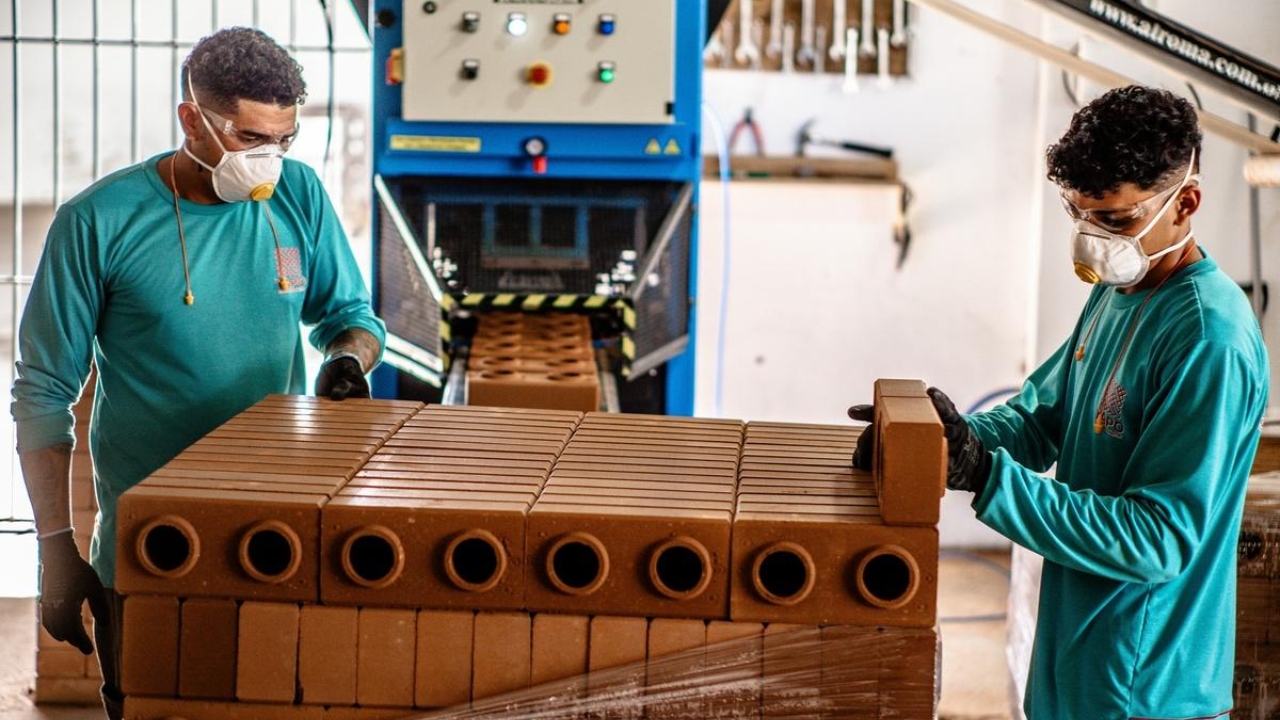
The case has strong appeal but requires caution. The ecological brick created by the young students from Bahia is still a prototype. The official source itself states that the next steps include completing resistance tests, organizing the data obtained, and seeking partnerships with institutions or companies.
This means that the idea has not yet reached the market, does not have technical certification disclosure, and should not be presented as an immediate substitute for conventional bricks.
Details such as dimensions, weight per unit, actual production cost, exact proportion of materials, or validated comparison with blocks currently used in construction have also not been provided.
Even so, the prototype stage does not diminish the relevance of the proposal. On the contrary, it shows how a school initiative can pave the way for applied research, especially when it connects education, recycling, and construction.
Idea aims for more sustainable construction and possible social impact


One of the points highlighted by the Government of Bahia is the social potential of the project. The students believe that the ecological bricks can, in the future, be cheaper than conventional ones and benefit popular housing initiatives.
The information should be read as an expectation, not as a proven result. Tests, validations, and partnerships are still needed to know if production can be expanded safely and at a competitive cost.
Even so, the reasoning behind the proposal addresses a real challenge. Brazil still disposes of a huge amount of waste and, at the same time, faces demands for more accessible and less environmentally aggressive housing solutions.
The Ministry of the Environment states that recycling reduces the use of virgin raw materials, energy consumption, and environmental pollution. The agency also points out that 39% of urban solid waste collected in the country was improperly disposed of in 2022.
Barreiras also faces the challenge of selective collection
The local context reinforces the importance of the initiative. The Rede Recicla Bahia describes the Recicla Mais Barreiras program as an action to implement selective collection in the municipality, strengthen cooperatives, train environmental agents, and reduce waste sent to the landfill.
The same entity points out that Barreiras faced challenges in waste management, with outsourced household collection, lack of an integrated selective collection system, and part of the recyclables collected informally by waste pickers.
It is in this scenario that the students’ project gains another weight. It is not just about creating a different brick, but about showing that the school can become a laboratory to think about concrete problems of the city.
When plastic waste becomes raw material, the discussion ceases to be abstract. It appears in the form of a block, wall, construction, and possibility.
The ecological brick of the young people from Bahia still needs to prove resistance, scale, and feasibility. But the message is already set: waste that seems worthless can reveal solutions when science, public education, and sustainability come together in the same construction.





Be the first to react!