








Smart glass technology allows windows to switch between transparent and opaque by button, app, or home automation, offering privacy without curtains and blinds, voice control, thermal comfort, energy efficiency, and a new role for the connected home in 2026, with sensors, AI, and modern and functional urban interior design.
The smart glass appears among the window technology trends for 2026, according to a publication by Solar Screen released on March 18, 2026. The innovation allows residents, companies, and designers to switch the glass between transparent and opaque in homes, offices, and connected buildings.
The change comes at a time when windows are no longer seen just as openings for natural light and start to integrate home automation, energy efficiency, solar control, and on-demand privacy. With this, curtains and blinds are no longer the only solutions to block views and control brightness.
Glass switches from transparent to opaque with a command
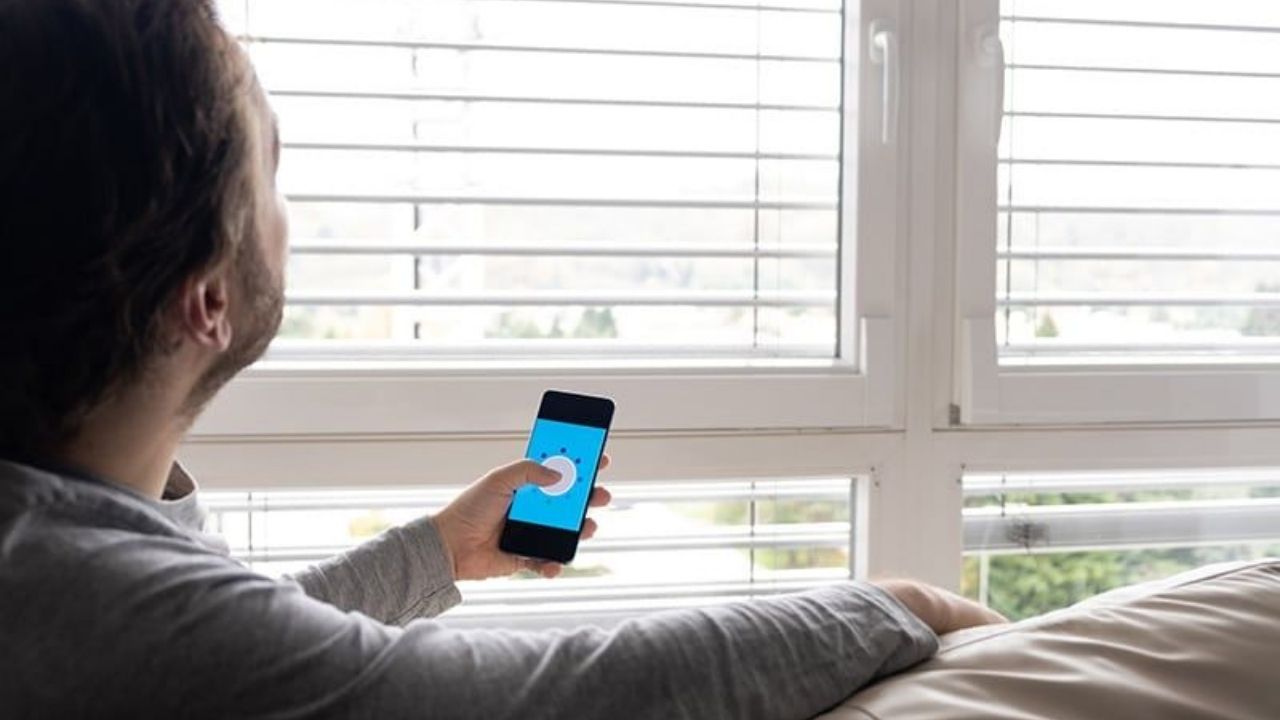
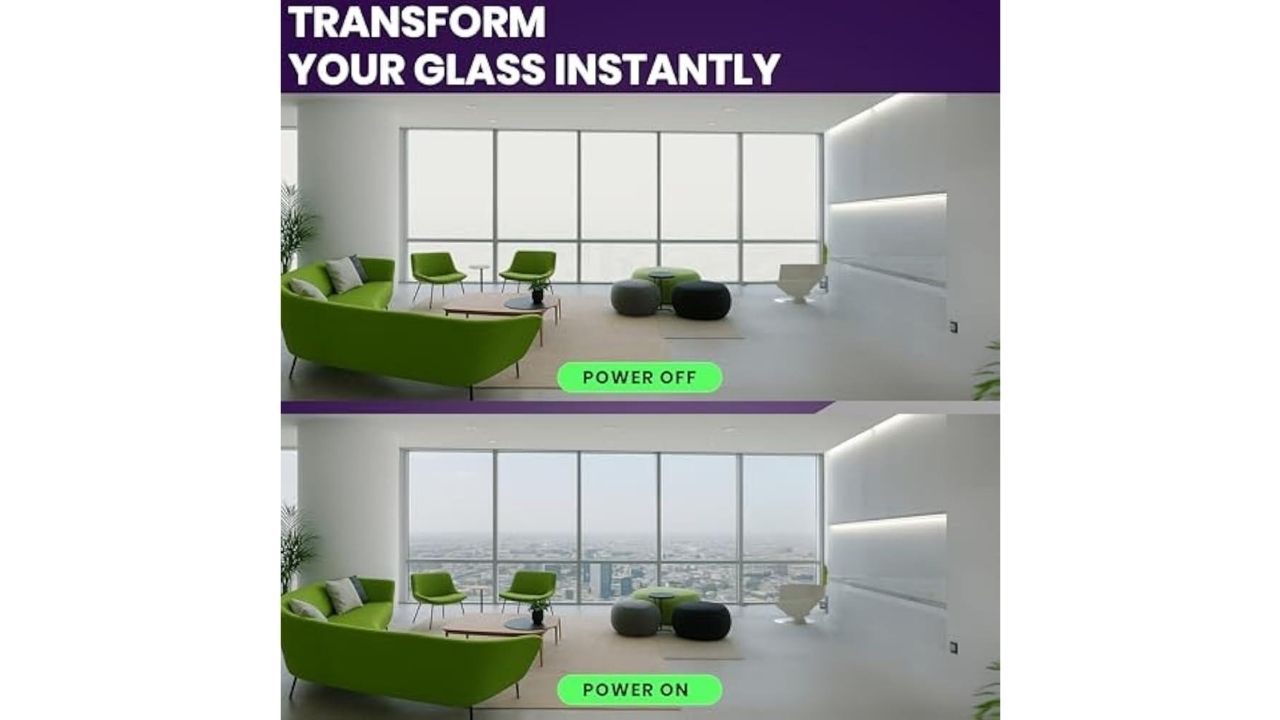
The concept of smart glass is simple to understand: a surface that can become transparent or opaque with a touch, without needing to pull fabric, close slats, or install traditional visual barriers. The window responds to the user, instead of relying solely on external accessories.
-
Young Innovators from Brazil Turn Discarded Plastic into Eco-Friendly Bricks Using Coconut Fiber, Offering a Sustainable Alternative for Construction

-
Brazilian Scientists Among Team Proposing to Turn Ocean Depths into Giant Gravity Battery Using Cargo Ships and Subsea Cranes

-
Chile’s Plan for a 20,000 km Undersea Cable to Hong Kong Halted by U.S. Pressure, Highlighting the Silent Data Control Battle in Latin America
-
In Somaliland’s Desert, Greenhouse Uses Sun and Seawater to Grow Lettuce, Cucumbers, and Tomatoes Without Rain: 1-Hectare Project Cools Crops, Desalinates Water, and Converts Brine into Commercial Salt




In practice, this means that a room can receive light during part of the day and gain privacy in seconds when needed. For bedrooms, living rooms, bathrooms, glass offices, and modern facades, the feature creates a new balance between visual openness and protection.
This feature does not render curtains and blinds useless, but it changes the project logic. Instead of relying solely on physical layers, the house can use the glass itself as an active element of privacy.
Smart glass also complements the aesthetics of cleaner interiors. As the technology eliminates the need for fabric in some situations, the environment can appear visually lighter without sacrificing control over who sees what happens inside.
Connected home brings the window to the app
The source highlights that the technology can be integrated into home automation systems, including remote commands and assistants like Alexa. This places windows within the same ecosystem as lights, locks, cameras, air conditioning, and home sensors.
App control changes the resident’s relationship with the window. Instead of getting up to adjust a curtain, the user can activate the glass via smartphone, button, or voice command, depending on the installed system.
This type of integration also paves the way for automatic routines. A window can become more opaque at certain times, respond to light intensity, or be part of programmed scenes for work, rest, or security.
In this context, smart glass ceases to be just a building material. It starts to function as an interface of the connected home, a piece that communicates with the rest of the residential technology.
Privacy becomes an on-demand function
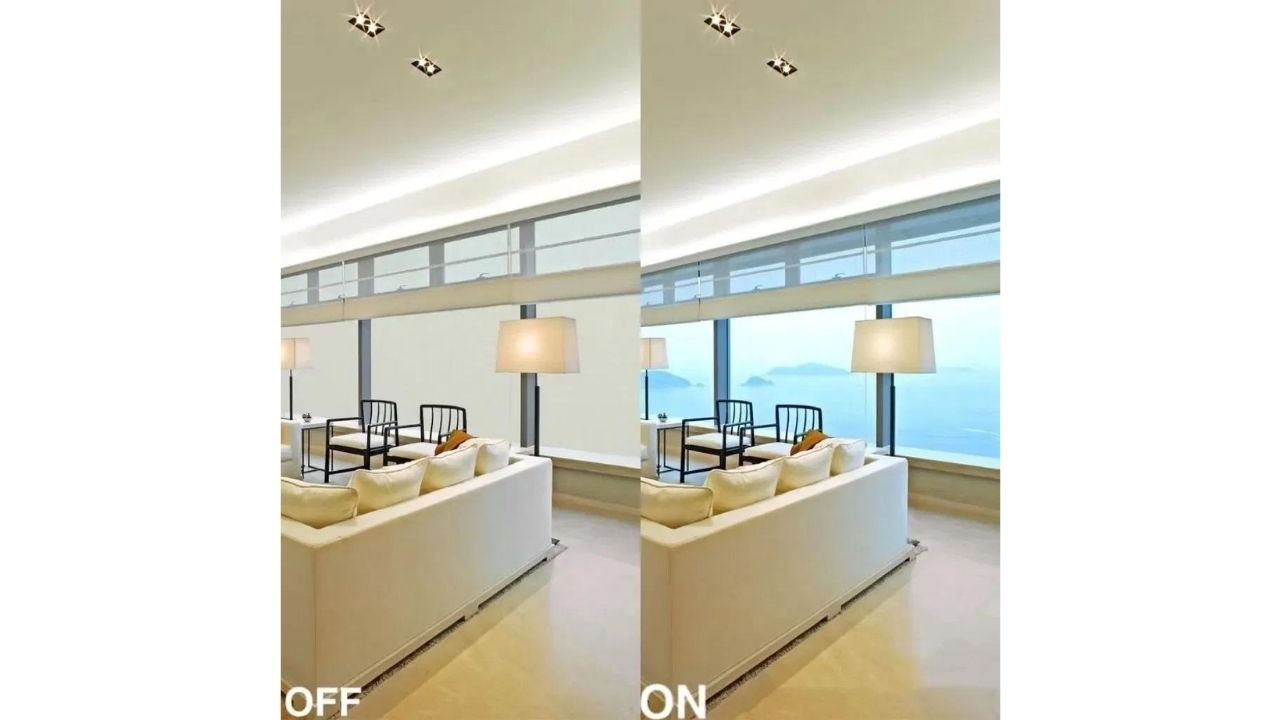
The greatest strength of this innovation lies in immediate privacy. In nearby apartments, houses with large glass doors, offices with transparent partitions, or exposed facades, controlling the external view can be as important as controlling the entry of light.
Curtains and blinds solve part of this problem but also block the view, accumulate dust, and require maintenance. With smart glass, privacy appears without necessarily hiding the window as an architectural element.
This point explains the appeal of the technology for urban environments. The more compact and closer the buildings are, the greater the need for solutions that protect intimacy without completely closing off the house.
The change also aligns with new remote work habits. In the same environment, a person may need natural light in the morning, privacy during a video meeting, and brightness control in the late afternoon.
Energy efficiency enters the center of the trend
The publication also links the new windows to energy efficiency. The industry has been addressing metrics such as U-value, solar heat gain, and visible light transmission as increasingly relevant points for manufacturers and consumers.
This happens because windows directly influence temperature, natural lighting, and energy consumption. A poorly designed window can increase the need for air conditioning, heating, or artificial lighting.
Smart glass connects to this trend by allowing more dynamic control of light and, in some cases, the heat entering the environment. The technology does not act alone but is part of a larger set of solutions to reduce waste.
Among the advances mentioned are triple glazing, warm edge spacers, low-emissivity coatings, and more durable materials. The idea is that modern windows are not only beautiful but also more efficient.
Solar control can reduce heat inside environments
Another important front is solar control. The source mentions dynamic glazing technologies in tests and applications in commercial buildings with large glass areas, capable of modulating the entry of light and heat.
According to the material, these solutions can reduce energy consumption for cooling by about 20% compared to low-emissivity windows. This data shows that the window can stop being a weak point of construction and become an active part of energy savings.
Technologies such as electrochromic, thermochromic, and photochromic glass are part of this group of innovations. They respond in different ways to electricity, temperature, or light, adjusting properties according to environmental conditions.
For the average consumer, the practical effect is easy to visualize: less heat entering during the most critical times, less glare, and more visual comfort without relying solely on closed curtains all day.
Security also enters the new generation of windows
The advancement of smart windows is not limited to privacy. The publication mentions impact-resistant glass with break-in sensors, which can be combined with automated systems.
This type of feature brings the window closer to home security. Instead of being just a vulnerable opening, the glass can become a point monitored by sensors and connected to alerts.
Artificial intelligence appears as a possibility to differentiate situations. A system may, in the future, help distinguish between an accident, common impact, and a real invasion attempt, reducing false alarms and increasing preventive response.
Still, it is important to separate trend from reality installed en masse. Many of these technologies are advancing at different rates, and not all will be accessible to the average consumer at the same time or for the same price.
Modern materials enhance durability and sustainability
The transformation of windows also involves materials. The source cites the growing use of composites, modern aluminum alloys, and fiberglass-reinforced plastics, as well as recycled materials in some components.
These choices have a direct impact on durability. A modern window needs to withstand weather, corrosion, thermal variations, and daily use without quickly losing performance.
Sustainability also appears as part of the process. Manufacturers are starting to look not only at the performance of the installed window but also at how it is produced, what materials it uses, and how much carbon is emitted in manufacturing.
This point is relevant because a connected home should not be just technological. The strongest trend is to combine intelligence, efficiency, and lower environmental impact.
Curtains and blinds still persist, but the role changes
Despite the appeal of “goodbye curtains and blinds,” the change does not mean the immediate disappearance of these items. They remain useful in many projects, especially for cost, decoration, light control, and visual comfort.
What changes is the function. Previously, curtains and blinds were practically the only answer for privacy; now, smart glass creates a technological alternative.
In high-end homes, modern offices, and buildings with automation, the solution may gain ground faster. In popular projects, cost tends to determine the speed of adoption.
Even so, the trend shows a clear direction: the window ceases to be passive. It becomes part of the home’s intelligent infrastructure, along with sensors, apps, voice command, and automation.
The window has become technology inside the house
The smart glass shows how a common part of the house can gain new functions. The same window that once relied on curtains for privacy can now become opaque with a command, integrate with an app, respond to automation, and contribute to thermal comfort.
The technology still needs to advance in price, scale, and integration, but it already points to an important change in interior design and modern construction. Would you replace curtains and blinds with smart glass in your home, or do you still prefer traditional solutions to control light and privacy? Leave your opinion in the comments.





Be the first to react!