Portuguese
  Spanish


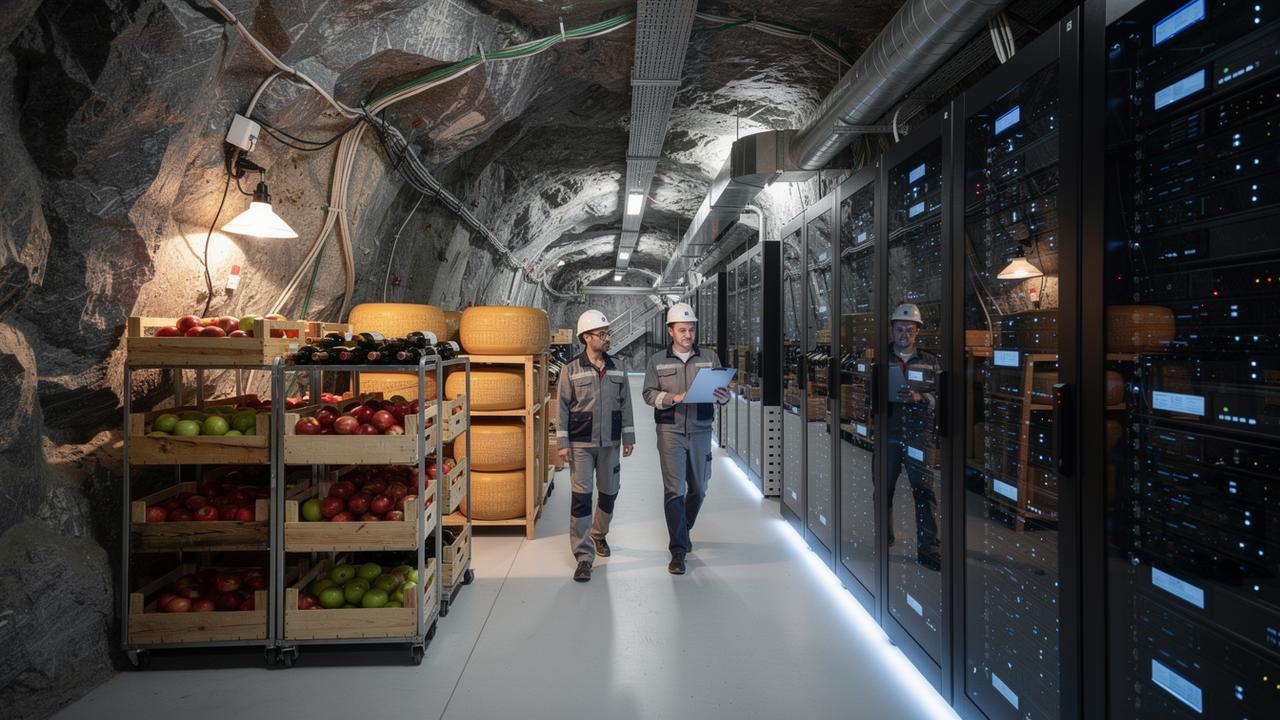

Built 100 meters below the surface, the Trentino DataMine aims to grow from 800 kW to 6 MW and enters the race for a prominent place in artificial intelligence infrastructure in Italy.
A data center installed inside an active mine in the Italian Alps was completed after two and a half years of construction and is already attracting attention for its unusual proposal: housing servers 100 meters below the surface, next to spaces used for decades to store apples, sparkling wine, and cheese.
The project, named Trentino DataMine, cost €50 million and emerges as a bet on digital infrastructure with a focus on security and sustainability. In its initial phase, the center operates with 800 kW of capacity, but the projection is to reach 6 MW after expansion.
According to Data Center Dynamics, construction was completed after a process started in 2024 and developed within the Tuenetto di Predaia quarry, in the Non valley, in northeastern Italy.
-
Tourist Discovers Forgotten Joaquín Sorolla Painting Worth Up to 60,000 Euros While Strolling in Seville

-
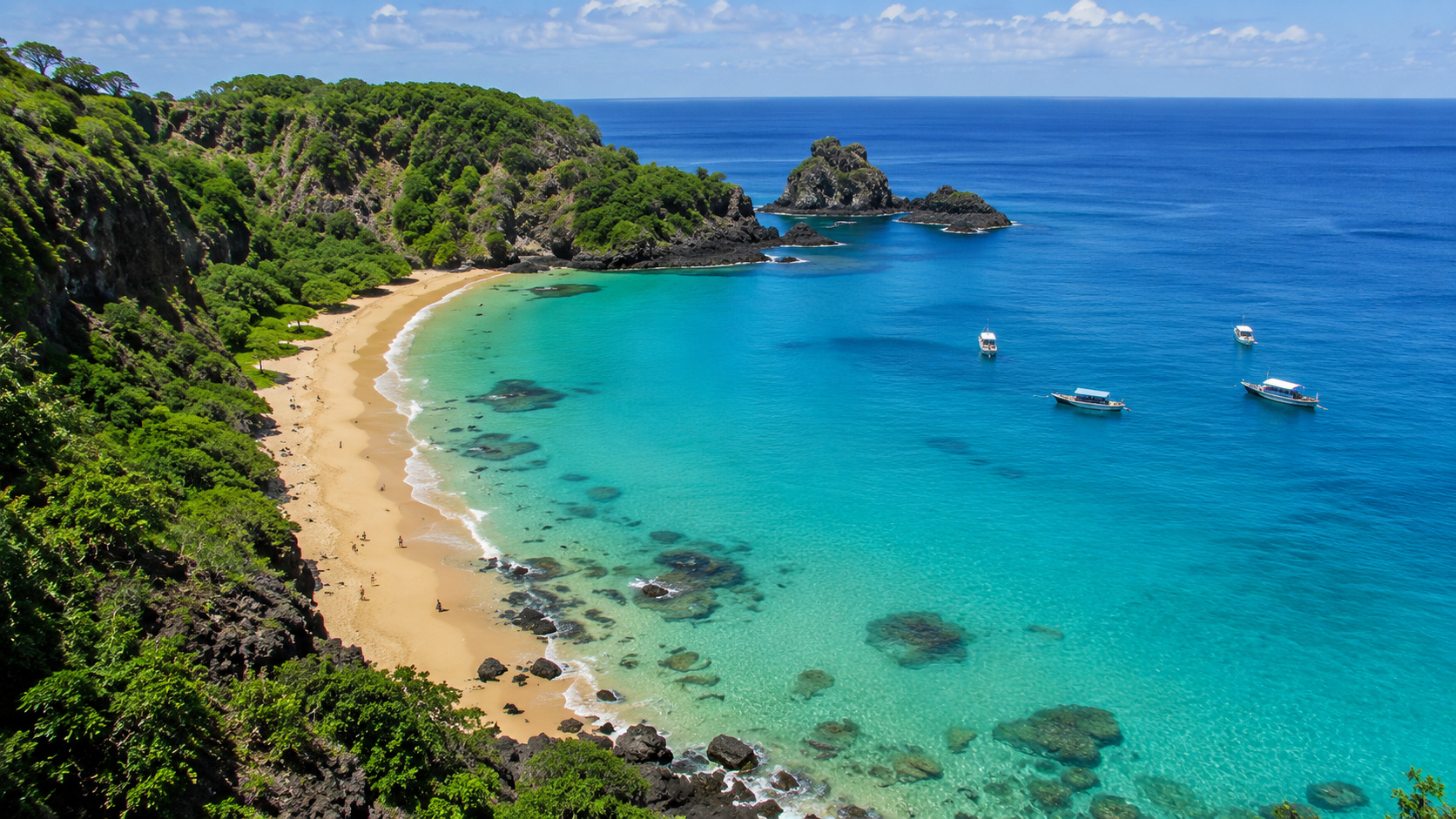
Brazil’s Fernando de Noronha Boasts World’s Most Beautiful Beach, Accessible Only by Descending 208 Cliffside Steps and With No Food Vendors Allowed

-
Wave Rock: Australia’s Giant Granite Wave Stands 15 Meters Tall, Spans 110 Meters, and Showcases 2.7 Billion Years of Erosion in the Australian Desert
-
How to Unclog Showerhead Holes Blocked by Limescale and Hard Water Without Replacing or Hiring a Technician


A digital infrastructure carved into the Dolomites rock

The Trentino DataMine is located in an active mine in the Dolomites and had 80% of its structure built entirely underground. The idea is to take advantage of the natural conditions of the region to house the servers in a more stable environment, less dependent on traditional cooling systems.
According to the released material, the underground rooms operate at a constant temperature of 12°C and with zero humidity. This is possible thanks to the natural cooling provided by the dolomitic rock and the fresh air coming from the Non valley, without the need for additional mechanical cooling.
Another central point of the project is energy. The administration of the autonomous province of Trento reported that the source used is mainly hydroelectric and locally sourced, reinforcing the image of a structure designed to consume less energy in an activity that usually demands a lot of cooling.
Construction moved 63,000 square meters of rock and 15 km of tunnels


The scale of the engineering behind the data center helps explain the weight of the enterprise. The construction involved the removal of 63,000 square meters of rock, the excavation of 15 kilometers of tunnels, and the creation of a vertical shaft, called a “fornello,” which connects the operational galleries to the surface.
It’s not just about adapting an old cavity for digital use. The project was designed as a new underground infrastructure, with a high security standard and its own operational logic, which required excavation and engineering work compatible with the ambition of the project.
In practice, the mine ceased to be just a space for extraction and storage to also accommodate servers, connecting two very different worlds: that of the region’s traditional production and the infrastructure that supports digital services and artificial intelligence.
Public and private partnership funded the project
The Trentino DataMine was developed through a partnership between the University of Trento and local companies, including the construction company Covi Costruzioni, the IT services company Dedagroup, the health operator GPI, and the holding Istituto Atesino di Sviluppo.
Of the total investment, more than €18 million came from Italy’s National Recovery and Resilience Plan, known by the acronym PNRR. The remainder was divided among the partners of the enterprise, which was announced the year before the actual start of construction.
For Achille Spinelli, vice-president of the autonomous province of Trento, the delivery marks the end of the fundamental work to put the infrastructure into operation. He said the project could become a strategic hub for research, artificial intelligence technologies, and new digital developments in the country.
Europe expands its bet on underground data centers
The Italian initiative is part of a trend gaining ground in Europe: the advancement of underground data centers. The logic is to combine more physical protection and less environmental impact, two arguments that have gained strength in the sector.
Last year, the Belgian company Cegeka announced an initial investment of €40 million to build an underground data center in Belgian Limburg. Before that, in 1996, the Swiss company Mount10 converted old anti-nuclear bunkers under the Alps into data centers that became known as “Swiss Fort Knox.” In Norway, the Lefdal Mine Datacenter was announced in 2015 and inaugurated in 2017.
The movement shows that the European underground has gradually become a real alternative for heavy digital infrastructure. In the case of Trento, the mix between active mine, local energy, and stable environment gives the project a special weight within this race. Whether this idea will become standard, the market will still respond — but the Italian bet is already in place.
If you follow technology and digital infrastructure, it’s worth keeping an eye on this change and sharing the article with those interested in data centers and artificial intelligence.