






 Portuguese
  Spanish
  3 min of reading
  28 comments




A Forgotten Technology from Over a Century Ago Returns and Promises to Revolutionize Electric Cars, Changing the Location of the Motor, Expanding Interior Space and Increasing Efficiency
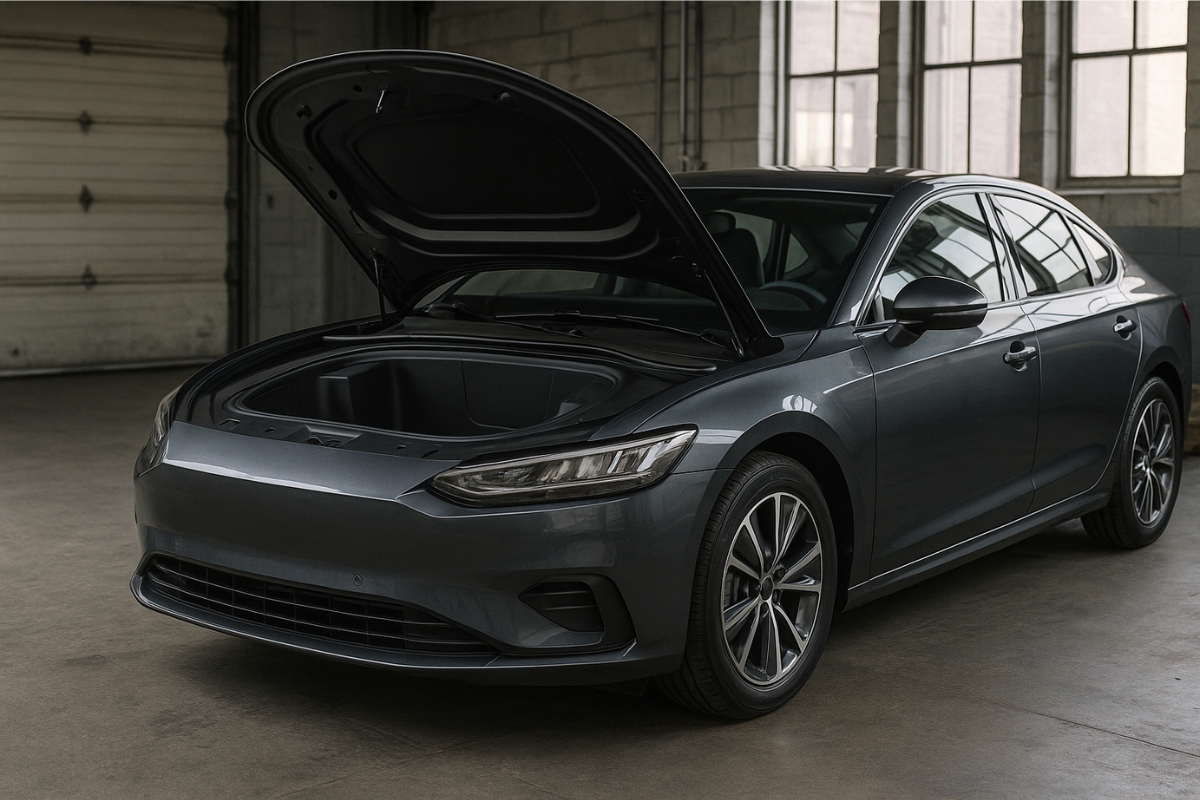
Have you ever thought about a car without a hood, without a front trunk, and without that space reserved for the engine? This idea, which seems futuristic, actually originated over a century ago and is making a strong comeback.
It concerns the technology of motors installed directly in the wheels — the so-called Wheel Motors (WMs). The concept, introduced in 1900 by Ferdinand Porsche, lay dormant for decades, but now it resurfaces as an innovative solution for the electric mobility era.
The Return of a Forgotten Invention
Throughout the 20th century, the location of the motor determined not only the performance of automobiles but also the interior space and even the design of the vehicles. However, this paradigm is being broken.
-
Two new 300cc models from QJ Motor are expected to arrive in Brazil as SBM to target the CB 300F and shake up the low-displacement market, with more power and liquid cooling than Honda.

-
Camaro may reappear in 2027, but not as you remember: Chevrolet prepares the return of the icon with four doors, manual transmission, and an extreme performance version to face the new era of sports cars.

-
Is the BYD Song Pro worth it? The Anderson Sincero channel says it doesn’t exceed R$ 140,000, and the price dropped by R$ 47,000, reinforcing the depreciation of the plug-in hybrid in the Fipe table.
-
Caoa Changan CS75 arrives for R$ 199,990 with 4.77 m in length, a trunk of up to 1,620 liters, 8-speed Aisin transmission, 180 hp, 37.2 inches in screens, and Zero Gravity seat with massage.


By placing the motor inside the wheel itself, the need for drive shafts, differentials, and complex mechanical systems disappears. The result is a simpler, lighter, and more efficient car.
At the beginning of the last century, this technology did not prosper due to technical limitations and the lack of electrical infrastructure.
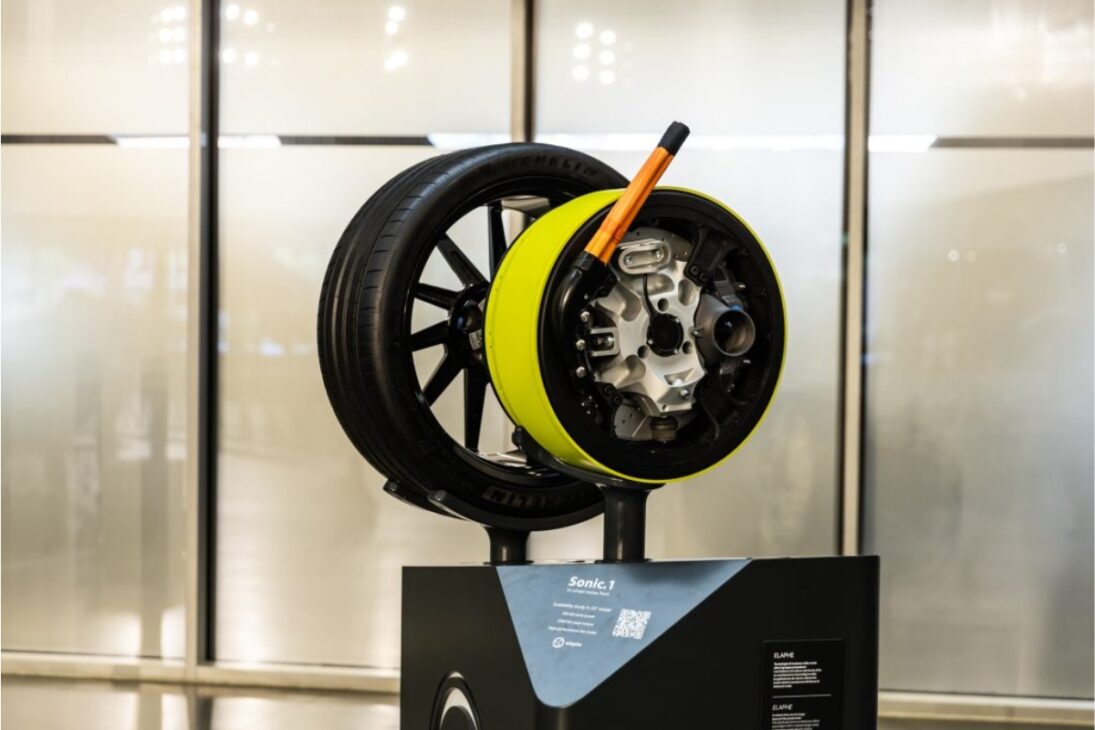
Today, in contrast, the advancement of batteries, onboard electronics, and the push for sustainability reposition wheel motors as a viable and strategic alternative. Companies like Elaphe Propulsion Technologies, from Slovenia, lead this resurgence with prototypes ready to be applied in production vehicles.
Improved Space, Efficiency, and Performance
The advantages of this architecture are numerous. By freeing up the front and rear compartments, there is space for larger batteries, new interior layouts, and greater passenger comfort.
Each wheel, equipped with its own motor, gains movement autonomy, allowing for precise torque control in curves, climbs, and uneven terrains. This means more stability and superior handling compared to conventional systems.
An example is the Sonic 1 motor, developed by Elaphe. Compact and lightweight, it can be integrated into wheels of up to 21 inches, working in conjunction with high-performance brake systems. The absence of axles and differentials reduces energy losses, providing immediate torque and greater energy efficiency.
The gain is not only technical but also economic, as the structural simplicity can lower production costs and reduce maintenance expenses.
A New Paradigm for the Automotive Industry
Besides the direct impact on design and performance, wheel motors can redefine how cars are conceived.
Simplified and flexible modular platforms facilitate the adaptation of models for different segments, from compact urban cars to large electric SUVs. This standardization can accelerate mass production and enhance the competitiveness of manufacturers that adopt the technology.
The resurgence of Wheel Motors demonstrates how visionary ideas can be reborn in new contexts. If at the beginning of the 20th century wheel motors were merely a bold experiment, in the 21st century they could become the key to a cleaner, more efficient, and exciting automotive future.


Uma colisão na roda vc perde a roda e o motor 😌
O único problema que vejo é que vai desfavorecer a relação peso suspenso/ não suspenso, afetando estabilidade e conforto.
Aqui no Brasil será uma boa ideia para o mercado de roubados, vai ter motor disponível em todas borracharias da cidade.