






 Portuguese
  Spanish


Japan Takes A Giant Step Towards Sustainability By Discovering Metal Capable Of Producing Green Hydrogen, Key Fuel For The Energy Transition.
Green hydrogen, generated from renewable energy through the electrolysis of water, is the great promise of the energy sector. Countries like Spain are planning their future in this energy vector; however, more research is needed for production to become more sustainable. In this case, Japan is ahead with a metal capable of producing green hydrogen.
Understand How The New Technology Discovered By Japan Works
In recent years, PEM-type electrolyzers, which use a proton exchange membrane as the electrolyte, have gained popularity in hydrogen production due to their greater efficiency and ability to respond quickly to intermittent energy sources.
The problem with PEM-type electrolyzers is that they are significantly more expensive. They require efficient and corrosion-resistant catalysts in acid, typically involving platinum or iridium, rare and costly metals.
-
Brazilian scientists are simultaneously advancing two research projects on clean hydrogen and driving solutions that could transform the energy matrix, enhance industrial competitiveness, and accelerate large-scale emission reduction targets.

-
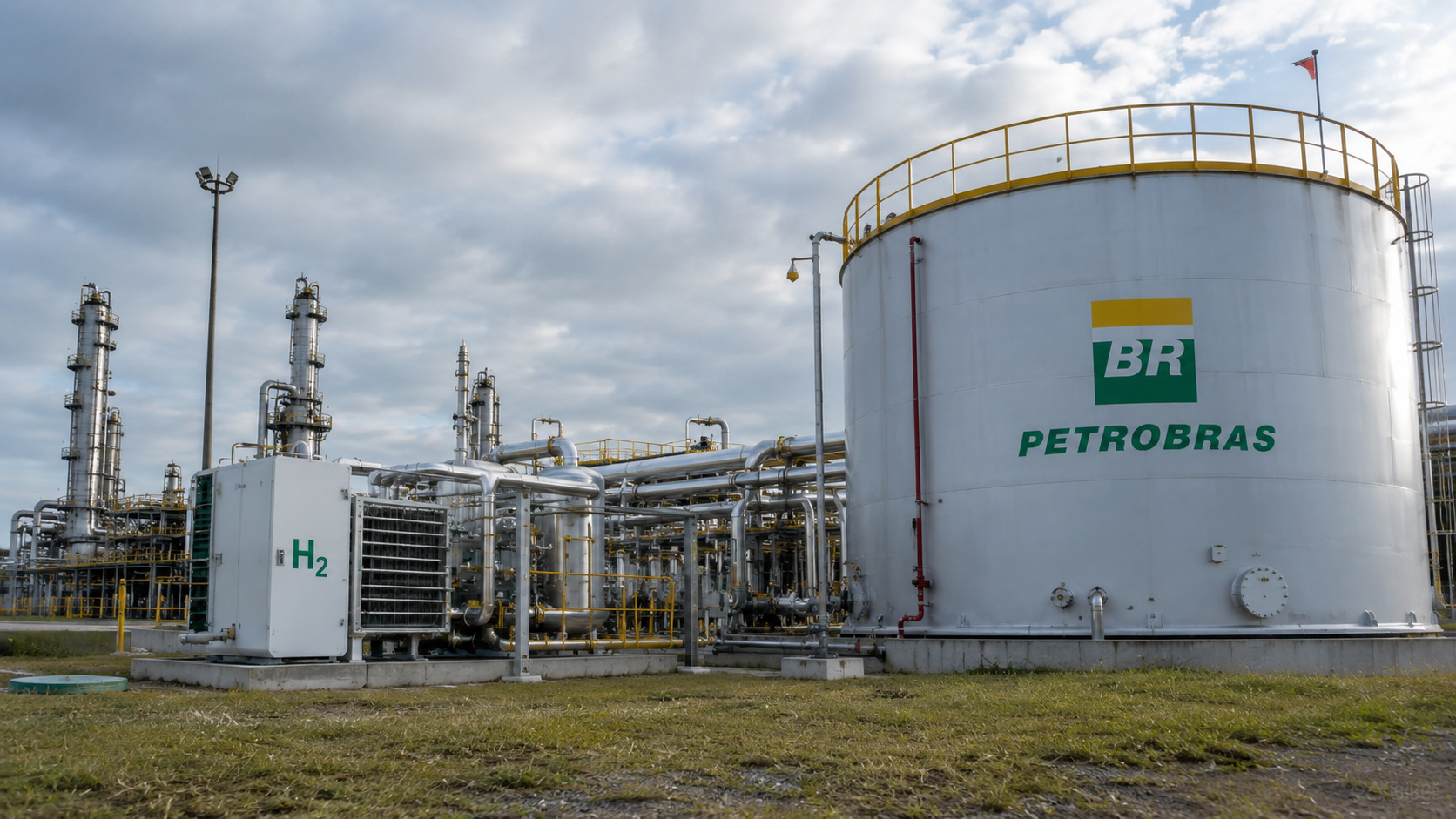
Advancement in renewable energy: A R$ 150 million project launched by Petrobras and Finep aims to create state-of-the-art electrolyzers for green hydrogen, strengthening national research and preparing Brazil to compete in a billion-dollar energy market.
-
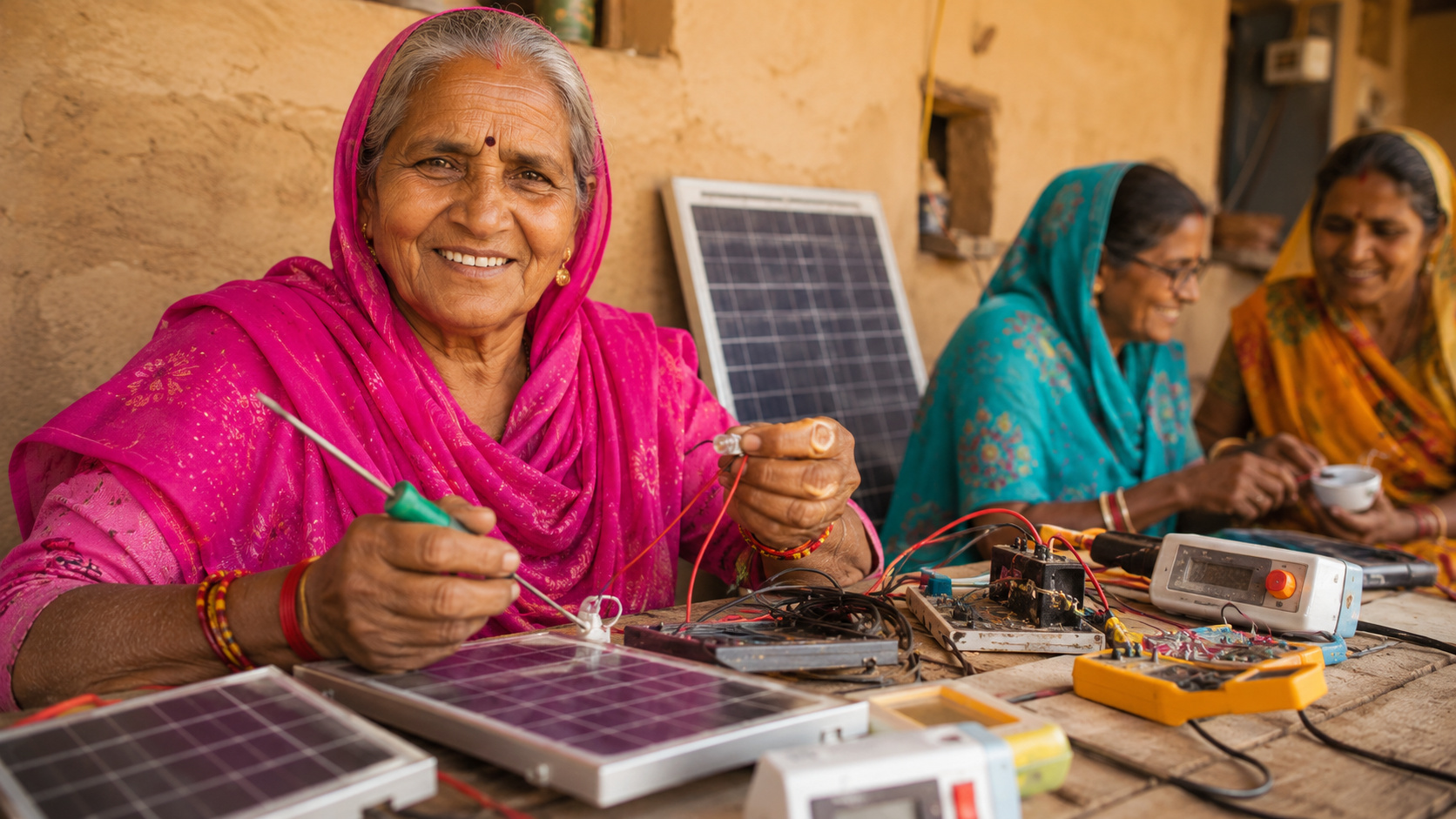
Illiterate or semi-literate grandmothers were trained to repair solar systems, open rural workshops, and light up homes that still depended on kerosene.
-
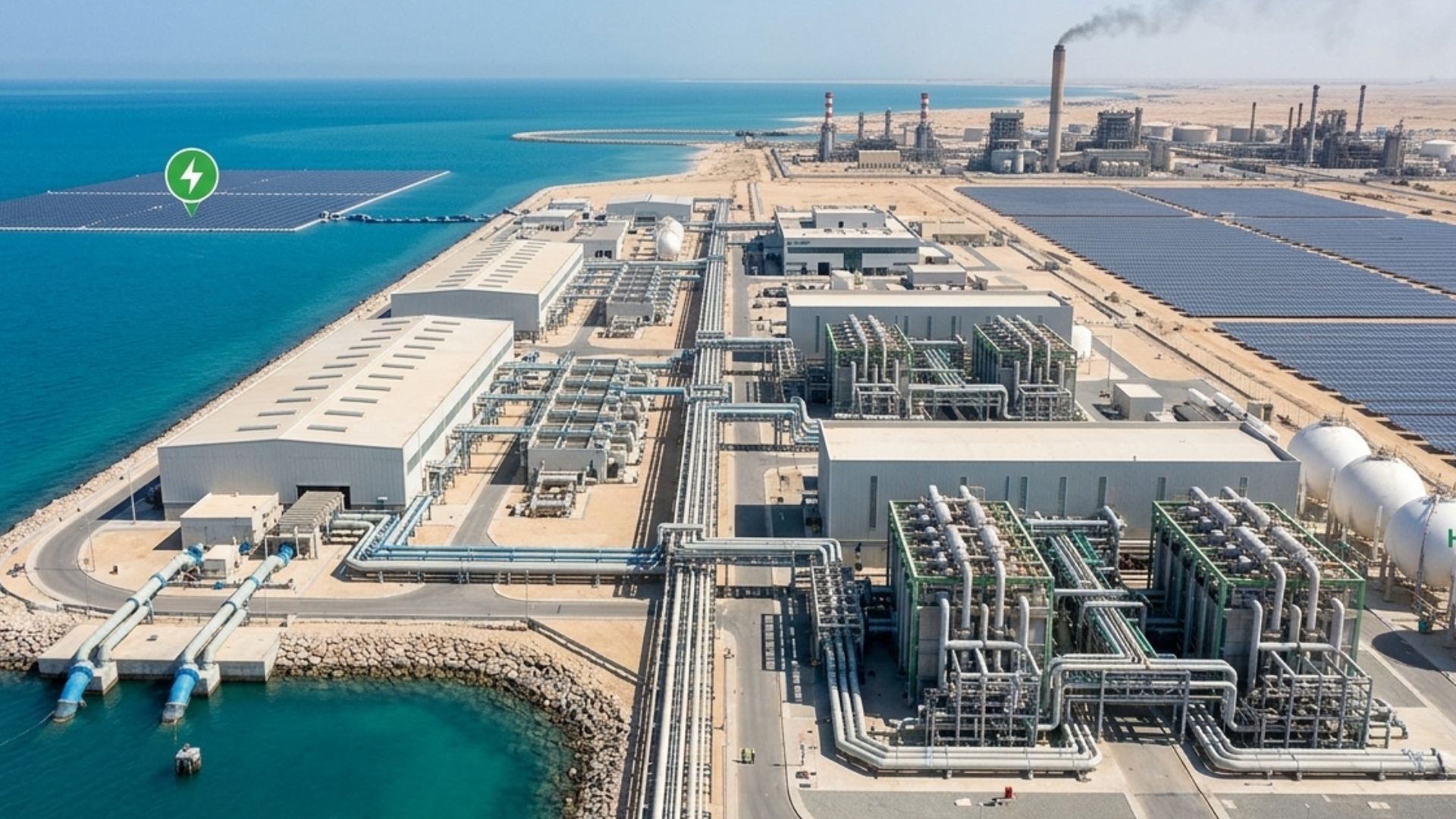
The world has bet on green hydrogen as the fuel of the future, but now faces the side effect: producing 1 kilogram requires about 9 liters of ultrapure water, and the largest projects on the planet are precisely in the driest regions of the Earth, where water is already scarce for people.

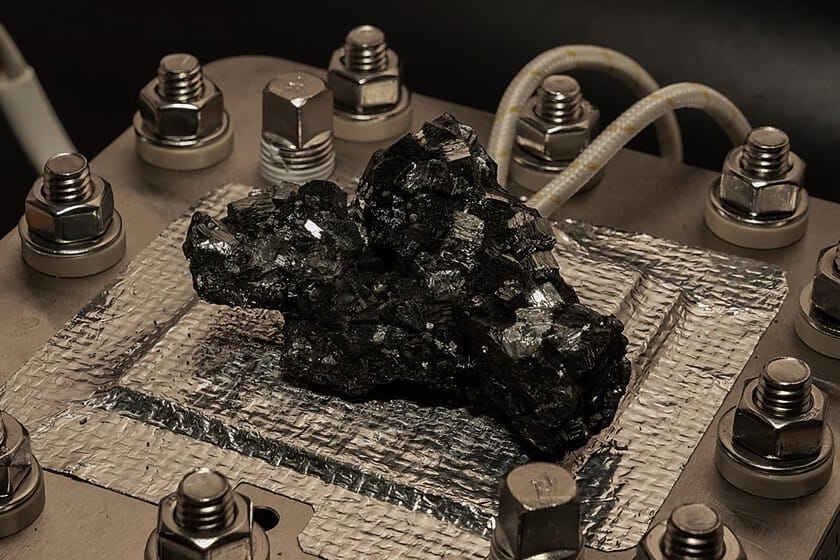
Iridium catalysts maintain the oxygen evolution reaction for a longer time and allow the production of large volumes of green hydrogen. Thus, researchers sought a cheap material that could do the same.
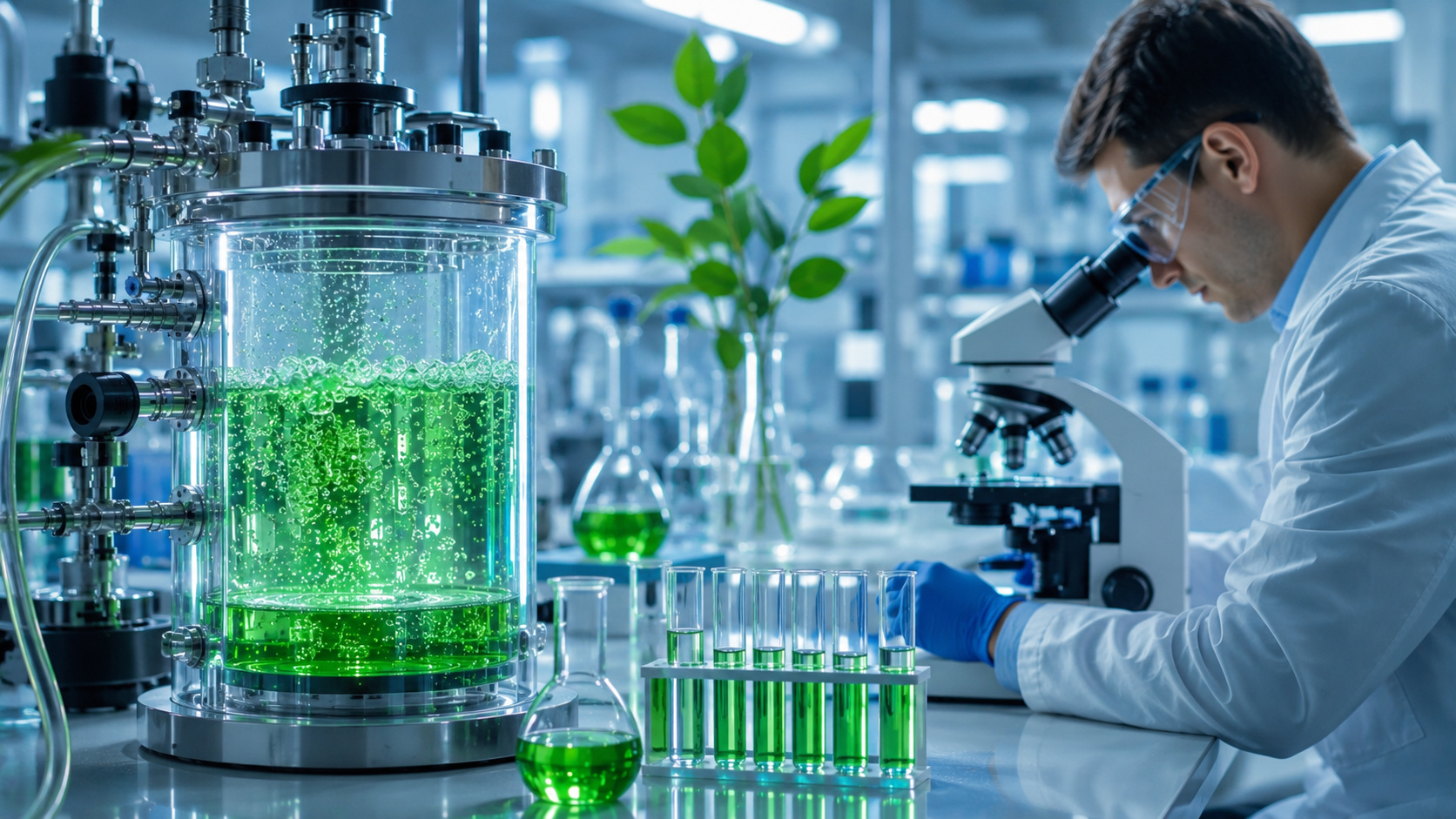
Scientists from the RIKEN Institute in Japan started with a common metal, manganese, and modified its three-dimensional structure to obtain the first efficient and durable PEM electrolyzer without the need for rare metals.
The researchers from Japan developed a manganese oxide catalyst (MnO2) by manipulating the material’s lattice structure to form stronger bonds with oxygen atoms, resulting in a metal capable of producing green hydrogen at an affordable price.
Understand The Importance Of This Metal Capable Of Producing Green Hydrogen
The improved MnO2 is much more stable than other non-noble metal catalysts and maintains the reaction with water for much longer. According to a study published in the scientific journal Nature Catalysis, the metal capable of producing green hydrogen created by Japan increases the lifespan of other cheap catalysts by 40 times.
The material is more resistant to dissolution in acid and more stable during the reaction. In laboratory tests, the catalyst operated for over a thousand hours at 200 mA/cm², producing an amount of hydrogen 10 times greater than that of other materials.
New work will be conducted to install the new material in industrial electrolyzers, but researchers believe the new catalyst will play a crucial role in the sustainable production of hydrogen.
Future modifications to the structure of manganese may further increase the current density that the material supports and the lifespan of the catalyst, focusing on making water electrolysis unnecessary.
Why Is Green Hydrogen Gaining So Much Attention?
Green hydrogen is generated from clean and renewable energy sources, such as hydropower, wind, solar, among others. In this way, there are no carbon emissions during the process. Green hydrogen can be used directly as fuel in fuel cells, as well as serve as a raw material for the synthesis of other products, such as green ammonia, steel, and methanol.
The element is considered fundamental for the energy transition due to the growing international commitment to the climate change agenda.
The Paris Agreement and the UN Sustainable Development Goals (SDGs) set targets for the decarbonization of the planet. Signatories project that green hydrogen will replace oil and natural gas and become the main energy resource by 2050.









Boa,mas e custo benefício???