






 Portuguese
  Spanish


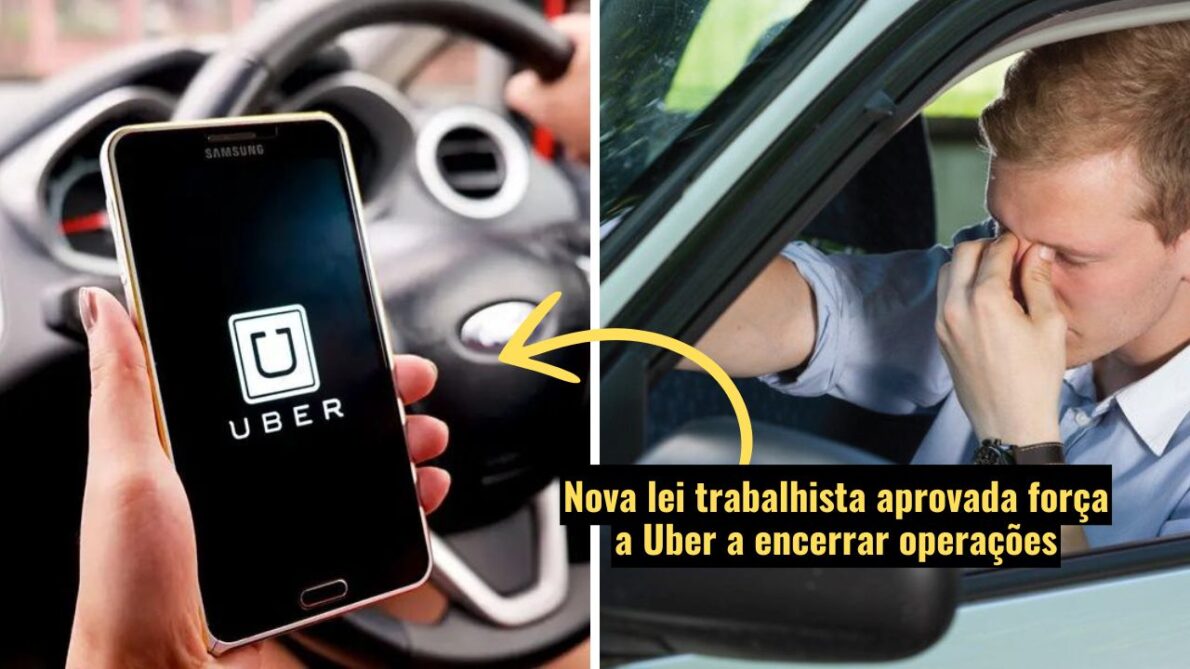

New Labor Law Approved Forces Uber to End Operations, Generating Deep Impacts on the Local Economy and Concerns Among Users.
Uber, known worldwide as the giant of private transport apps, has just bid a bitter farewell to the city of Minneapolis, Minnesota, in the United States. The reason? A new labor law came into effect, bringing drastic changes to the lives of drivers and, consequently, to the company’s operations in the region.
According to information released by Record and the R7 portal, the new labor law requires that app-based transportation services, such as Uber and Lyft, pay drivers the equivalent of the local minimum wage of US$ 15.57 per hour, around R$ 77.76. This increase, although a victory for many workers fighting for better conditions, has become unsustainable for app giants.
Impact of the New Labor Law
The decision by Uber to end its services in Minneapolis was confirmed on May 1st, the date when the new labor law officially came into effect. The company, which was already facing regulatory challenges in various parts of the world, decided that maintaining its operations in the city under the new conditions would be financially unviable. Lyft, another major app-based transportation company, also followed the same path.
-
With a record production of nearly 3 million barrels per day, Petrobras resumes importing diesel in July, highlighting the bottleneck in Brazilian refining.

-
Micron invested $9.3 billion in a factory in Hiroshima to produce the memory that powers the brain of global artificial intelligence.
-
The largest highway project in history used enough concrete to reach the Moon, created 66,000 km of highways, cost $25 billion, and changed transportation, the economy, and national defense in the US during the Cold War.

-
After selling only 264 SUVs in five months, Jaguar Land Rover closes factory in Brazil after nearly 10 years, exposing 371 jobs to uncertainty and may see the R$ 750 million unit shift from premium luxury to become a base for the Chinese company Chery.




In a statement released by Lyft, the company emphasized that it supports the idea of a minimum wage for drivers but criticized the amount established by the new law. “This order makes our operations unsustainable, and as a result, we are ending operations in Minneapolis when the law comes into effect,” the company stated.
TO LEARN MORE: The exemption on property tax payments for 2025 is already available for thousands of Brazilians, find out how to apply
Uber’s Farewell and the Future of Users
The end of services from Uber and Lyft in Minneapolis has left many users concerned, especially those who rely on these apps for daily mobility. Low-income individuals and those with disabilities, who found in the apps an accessible and practical solution, now find themselves in a complicated situation.
This change in local regulation, driven by the new labor law, raises questions about the future of app-based transportation services in other parts of the world. In Brazil, for example, Uber continues to operate normally, serving millions of Brazilians daily. However, the situation in Minneapolis may serve as a warning for what could happen in other regions, depending on the pressures for better working conditions for drivers.
How Much Does an Uber Driver Earn in Brazil?
For those wondering about the impact of these changes in Brazil, Uber drivers who work around 6 hours a day can earn about R$ 150 per day, which can result in a monthly income of up to R$ 3,000, according to the ClubMotor portal. This amount, although significant, still raises debates about working conditions and fair compensation for drivers in Brazil.
As the new labor law continues to cause ripple effects in the United States, discussions about the future of app-based transportation services go on. Will other cities follow Minneapolis’ example, or will Uber and other app giants manage to find a balance between economic sustainability and fairness for workers? Only time will tell.
Now, I want to know from you: what do you think about this situation? Do you think this new labor law is fair? What would it be like if something similar happened here in Brazil? Share your opinion in the comments, I want to know what you think about this!






“Embora significativo 150,00 ” por dia tirando daí manutenção do carro que osobra para o motorista, infeliz a colocação jornalística.
O fórum para discussão poderia estar logo abaixo da matéria. Depois dessa quantidade de propagandas inúteis, fica difícil as pessoas chegarem aqui para ler e comentar.
Não sei em que planeta existe um país chamado Brasil em que o motorista ganha 150 reais em 6 horas. Ele pode sim faturar 150 reais em 6 horas, todavia, 60 reais vai para combustível ainda, desse valor, temos que tirar o seguro (geralmente mensal), parcelamento em maioria dos casos, IPVA (absurdo, pois se trata de bem móvel, cujo incidência anual é inconstitucional), tiramos a troca de óleo a cada 10.000 kms (rápido de se chegar), pneus cada vez mais caros, manutenção em geral… Eventuais reparos de funilaria, alimentação… Risco iminente de roubos entre outros.
É completamente leviano e absurdo dizer que o motorista ganhe essa cifra sem contar o seu custo. Ainda há um agravante igualmente absurdo: as taxas permanecem as mesmas a mais de 6 anos e não acompanha sequer a inflação para correção.
Sou motorista de aplicativo a mais de 5 anos e faço malabarismo para lutar contra as regras impostas pelos APPs, como taxas de controle do meu trabalho, para me obrigar a aceitar o inaceitável, sem contar o algoritmo e agora inteligência artificial para nos sujulgar ao máximo.
Cuidado repórter com o que escreve, desinformação só piora nossa condição julgando termos bons ganhos, mas a que custo? Sem férias, décimo 13⁰, finais de semana…
Brother, o problema não é o app, são os impostos, faça uma coisa, coloque tudo que vc gasta para trabalhar, pneus, manutenção do carro, combustível, e até mesmo um seguro privado, no google e procure o qto vc paga de impostos, o carro também, faça isso e vc vai ver que o app é o de menos.
Vá trabalhar de pedreiro que vc ganha mais, chorão.