






 Portuguese
  Spanish
  5 min of reading
  0 comments


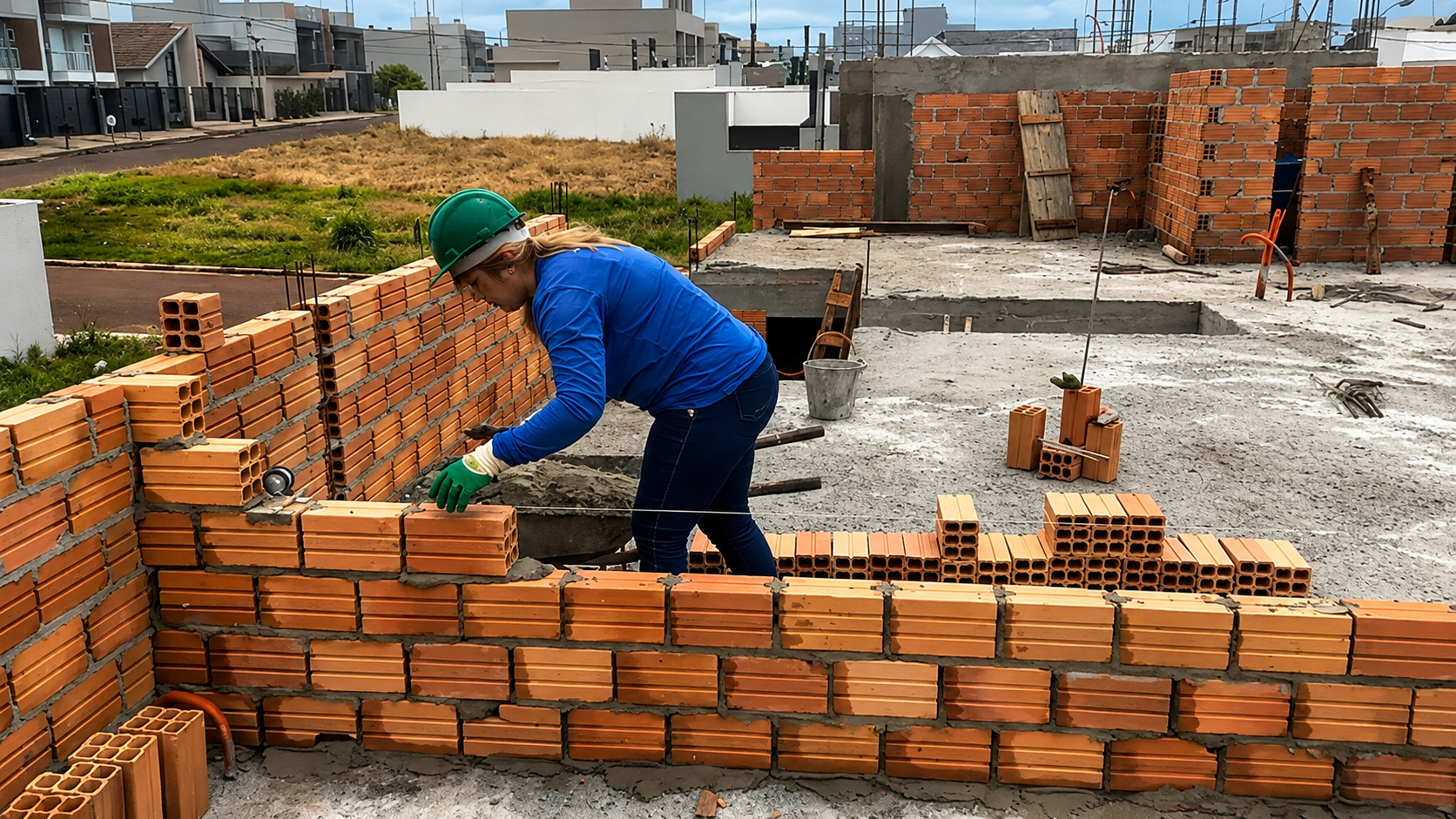
The construction routine came to include foundation, walls, finishing, and self-employment
After switching from sewing to construction, Geny do Carmo, known as Geny Opaleira, became a female mason in Paraná, spent 12 years in construction, began building her own house, and also gained fame for restoring classic Opalas.
The information was published by UOL Carros, the vehicle channel of the UOL portal, on September 24, 2021. At the time, Geny lived in Santa Tereza, in the West of Paraná, had been working for 12 years as a mason, and had more than 220 thousand followers on social media.
The story gained traction because it combines construction, a self-built home, and a passion for classic cars. Still, the core of her journey is not in the garage, but on the construction site.
-
Tired of relying on a conventional house, a young woman with no construction experience built an off-grid studio apartment with solar energy, rainwater, a biodigester bathroom, and a routine designed to live with more autonomy.

-
The European city hall that transformed an old urban avenue back into a canal, recovered a section that was filled in the 1970s, and delivered a new public space with water, vegetation, and pedestrian paths.
-
Buenos Aires and Montevideo are about 200 kilometers apart in a straight line, but the road trip can exceed 570 kilometers and take up to 8 hours and 30 minutes; see how long the journey takes by plane, ferry, car, and bus.
-
Couple sold house in São Paulo, resigned from their jobs, and paid R$ 15,780 to start over in Portugal, but the promised trip turned into a fraud complaint: suitcases remain packed, tickets were not delivered, and the European dream ended up stuck in a cramped rented room.


How the female mason in Paraná left sewing and entered construction
Before becoming a mason, Geny worked as a seamstress. Later, she entered construction as a laborer, a support role on construction sites, where she began to follow the routine of masons and observe how each stage was done.
Her husband, Daniel, was already a mason at that time. Even so, her learning came largely from observation, asking questions to colleagues, and practicing on the construction site itself.


During lunch breaks, Geny began laying bricks. This simple gesture became a turning point in her life because it showed skill, interest, and a desire to learn a profession traditionally associated with men.
Later, she was noticed among 60 workers by a foreman and began working as a mason apprentice. From then on, construction was no longer just an opportunity but became a profession.
The construction routine began to include foundation, walls, finishing, and self-employment
Over time, Geny began to do different types of work on the construction site, from the foundation to the finishing. The foundation is the base that supports the building. The finishing is the final part, when the house starts to look complete.
This experience shows that the work of a mason is not just about carrying weight. The role requires attention, practice, technique, and care to ensure each part of the construction is in the right place.
Geny also started working independently alongside Daniel. In 2021, the two were already working in the couple’s company and carrying out projects in various states.
This shows an important change. The woman who started as an assistant began to master stages of construction and turned daily practice into a professional path.
The own house turned into a construction site on weekends
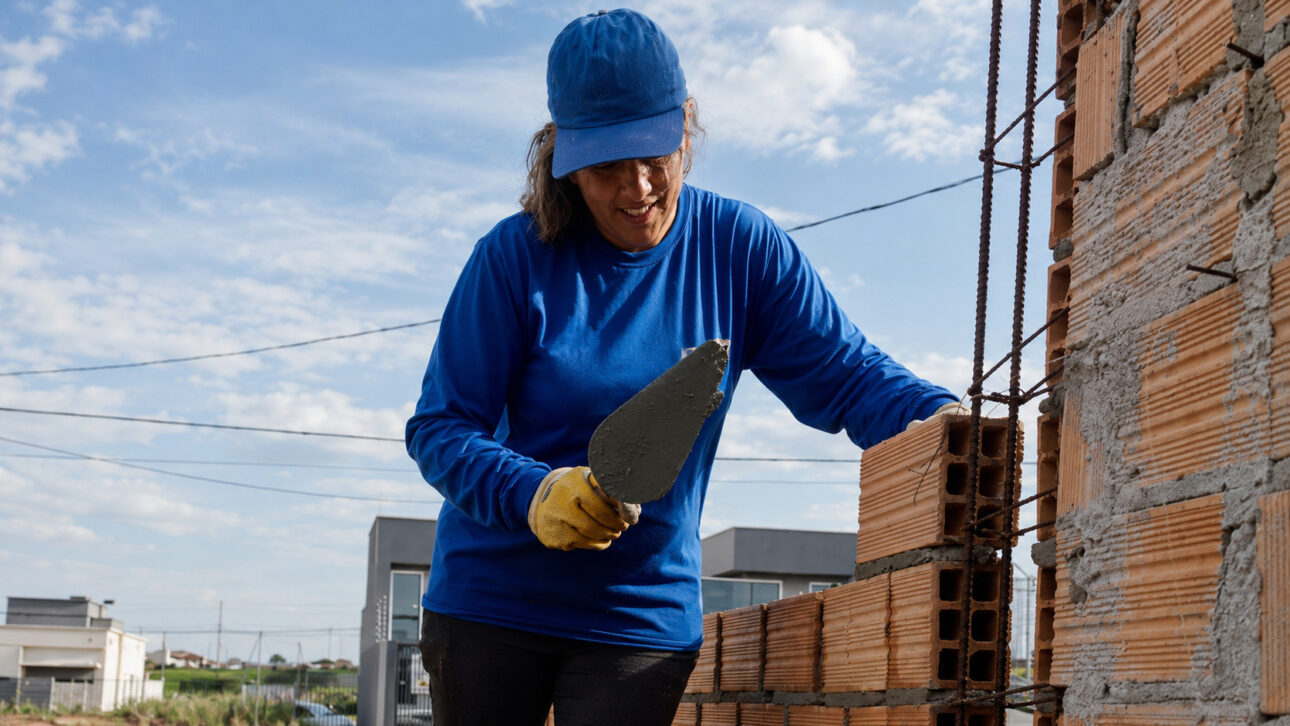
In addition to working on projects for others, Geny also began to build her own house with her own hands. In 2021, her and Daniel’s weekends became dedicated to this construction.
The decision even changed the routine with the old cars. Geny had to temporarily leave the Opalas events because the own house began to occupy her rest days.
This detail helps to understand the weight of the story. It wasn’t just a construction professional performing services for clients. It was a mason using her own experience to build the family’s home.
The own house, in this case, appears as a direct result of years of practice. Each wall carries work, knowledge, and the decision to do on her own what many people can only achieve by hiring others.
The old Opalas gave another face to the story of Geny Opaleira
UOL Carros, the vehicle channel of the UOL portal, brought the central numbers of the story: two Opalas in the garage, 12 years of work as a mason, and more than 220 thousand followers on social media.
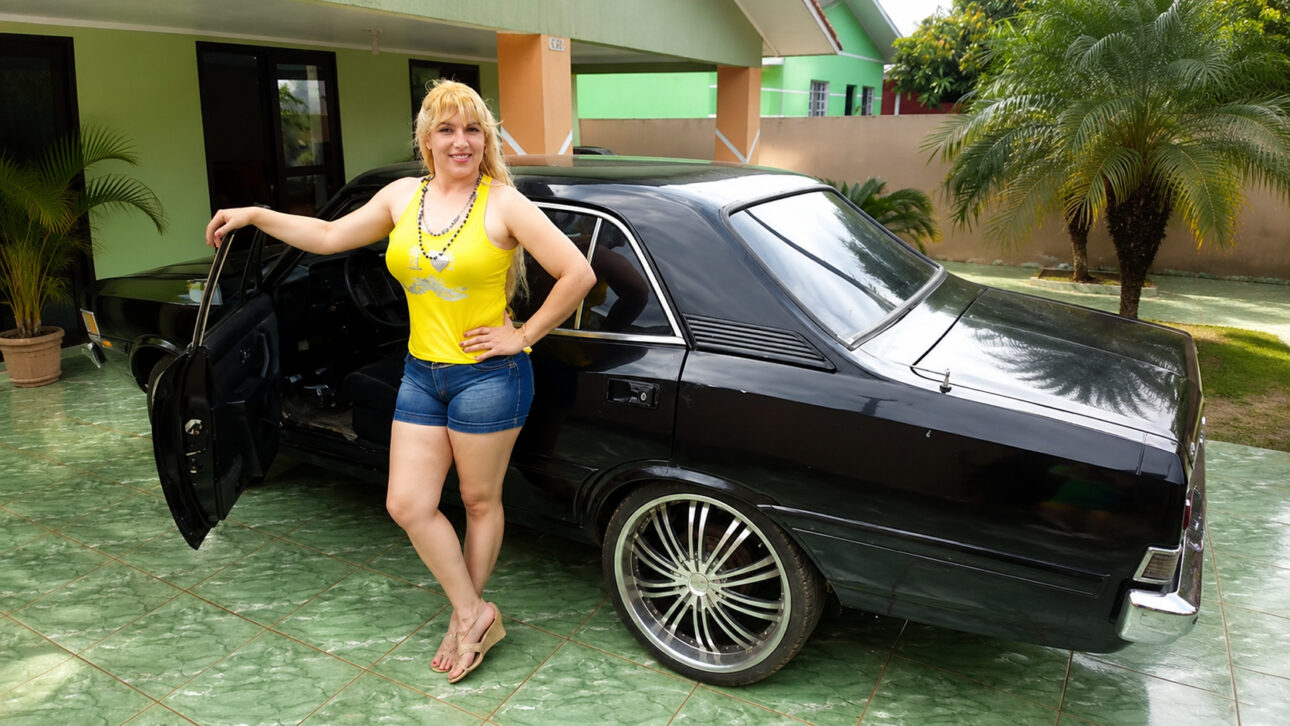
The passion for classic cars came from childhood. The first Opala was purchased when Geny was 21 years old. The model was a black Chevrolet Opala Diplomata 1988, nicknamed Tenebroso.
Later, she bought a Special 1973 4100, called Barão Vermelho. This second car became her favorite and reinforced the image that made her known as Geny Opaleira.
Even with the appeal of old cars, the Opalas serve as a complement to the story. The strongest point remains the woman who works in construction, restores vehicles, and still manages her own projects.
Fame on social media came from the mix of cement, technique, and classic cars
On social media, Geny began to showcase the Opalas and also her day-to-day in construction. This combination helped bring together different audiences: those who like old cars, those who follow construction projects, and those who identify with stories of professional overcoming.
She also uses her own routine to inspire other women. Her statement sums up this role well: “I want to show women that they can do whatever they want!”
Geny’s presence on the construction site challenges an old idea: that heavy construction is a space only for men. She shows that experience, technique, and intelligence in using the body are also part of the work.
In practice, her story is not just about cement and bricks. It’s about learning by doing, occupying space, and transforming a manual skill into a profession, income, and recognition.
Why Geny’s story captures so much attention
Geny’s journey captures attention because it has contrast. She went from sewing to the construction site, became a mason, spent 12 years in construction, and still found time to restore old Opalas.
There is also a factor of identification. Owning a home is a common dream for many Brazilians. Seeing someone using their own profession to build their family’s home creates a direct connection with everyone.
The story also unites two very visual worlds: construction and old cars. On one side, bricks, cement, and finishing. On the other, garage, restoration, and Opalas that carry emotional memories.
This combination explains why Geny Opaleira became a strong character for social media. She doesn’t just appear as a curiosity but as a real example of manual work, persistence, and autonomy.
Geny do Carmo built a career marked by a change of profession, 12 years in construction, a home built on weekends, and a passion for vintage Opalas. Fame came along, but what sustains the story is the work on the construction site.
The quarrywoman from Paraná shows that construction can also be a place for women who learn on the job, master stages of the project, and turn skill into independence.
Do you think stories like Geny’s help other women see construction as a possible path for work and autonomy? Share your opinion and share with those who like construction, vintage cars, and real stories.





Be the first to react!