






 Portuguese
  Spanish




New Mega Airport in Saudi Arabia Will Have a 750,000 m² Terminal and Capacity for 100 Million Passengers, Promising to Surpass the Largest in the World.
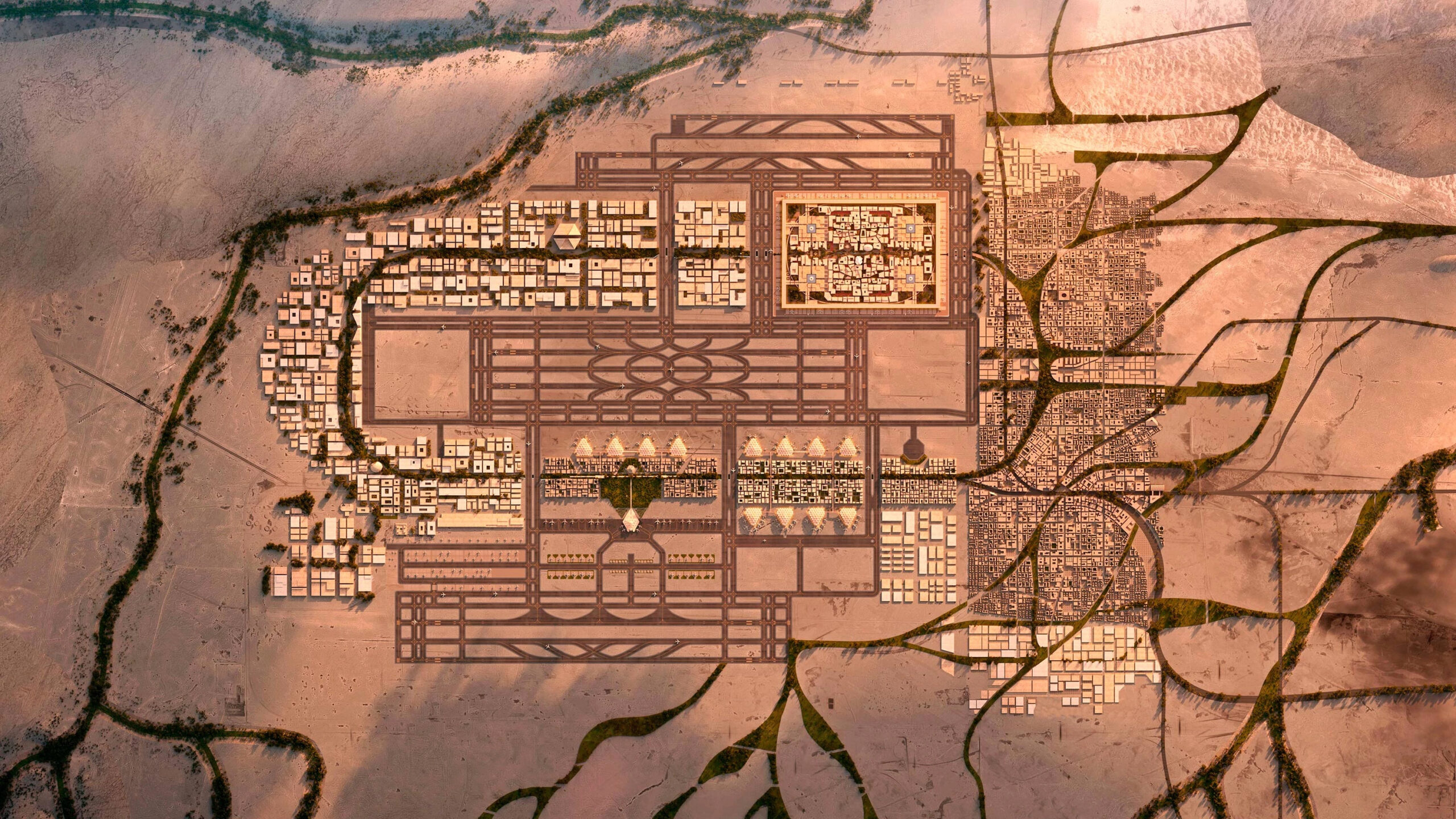
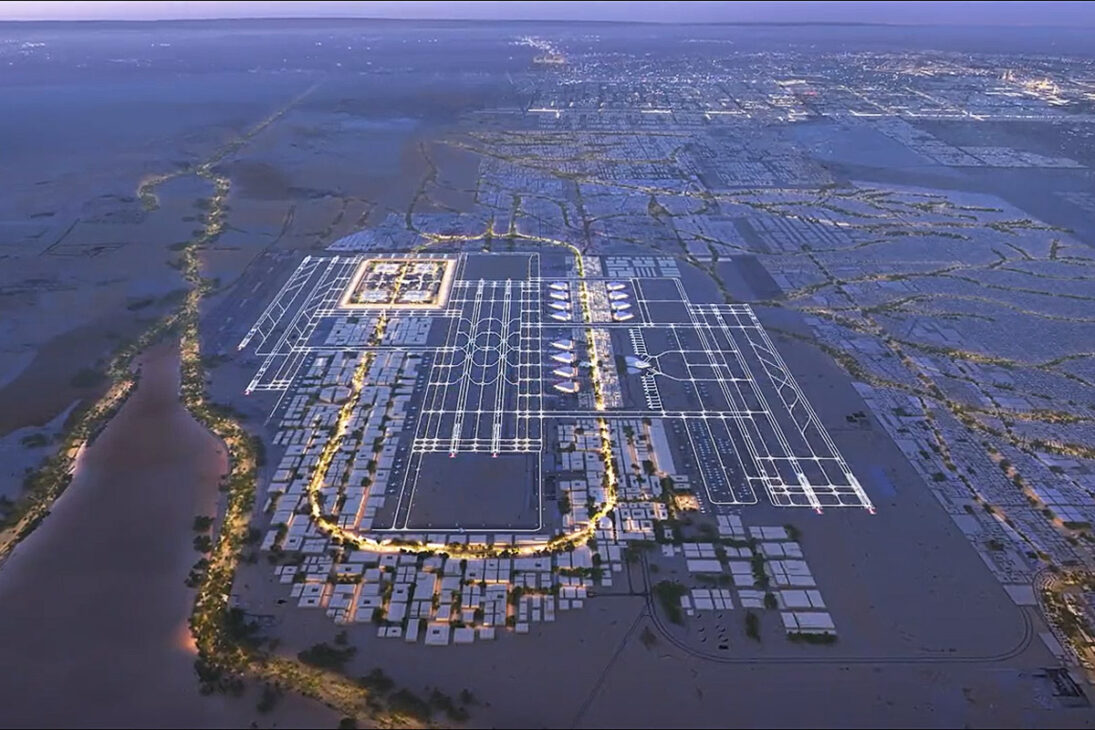
In the global race for mega-infrastructures, Saudi Arabia has decided to dare again. The kingdom announced the construction of the King Salman International Airport in Riyadh, which is already born with the promise of becoming the largest airport on the planet. The project foresees a gigantic terminal of 750,000 m², six parallel runways, and an initial capacity of 100 million passengers per year by 2030.
The plan is ambitious and directly connects to the Vision 2030, a national strategy led by Crown Prince Mohammed bin Salman to diversify the Saudi economy and reduce dependence on oil.
The Grandeur of the King Salman International Airport in Numbers
To understand the magnitude of the project, just compare it with other airports:
-
U.S. City Builds Tiny Home Village on Water Company Land to House 136 Homeless People: Inside the Social Housing Units

-
Woman Turns Shipping Container into Home, Embraces Rural Life to Cut Monthly Expenses to Just Over $330
-
France Revamps 530 Social Housing Units with Large Balconies and Glass Facades Without Demolishing Existing Buildings

-
Facing high rent, couple transforms parents’ garage into a fully functional apartment, creating a complete home at a fraction of the market cost.




- The Beijing Daxing International Airport, in China, inaugurated in 2019, has a capacity of 72 million passengers per year.
- The Atlanta Hartsfield-Jackson, in the USA, considered the busiest in the world, received about 104 million passengers in 2023.
- The new Saudi airport is expected to surpass both, reaching 120 million annual passengers by 2030 and hitting 185 million by 2050, according to official projections.
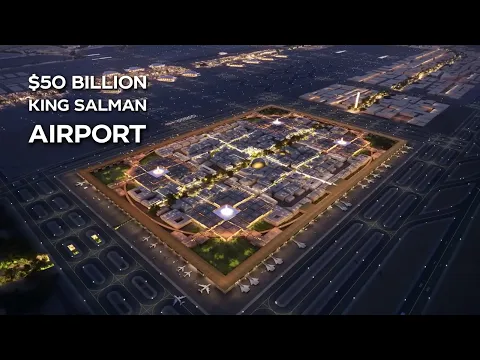

In terms of area, the 57 km² of the project is equivalent to almost the entire urban extent of medium-sized Brazilian cities, reinforcing the enormous nature of the work.
Futuristic Design and Sustainability of What May Become the Largest Airport in the World
The airport was designed by the renowned British firm Foster + Partners, responsible for icons like Apple Park in California and the Millau Viaduct in France.
The design combines futuristic architecture with traditional Arab elements, creating a monumental structure that, beyond functionality, seeks to symbolize the power of the kingdom.
Another point is the promise to be one of the most sustainable airports in the world, with massive use of solar energy, water recycling systems, and intelligent design to reduce carbon emissions.
Billion-Dollar Economic Impact
The King Salman International Airport is not just an infrastructure project. It is part of a strategy to transform Riyadh into a global hub for aviation, tourism, and business.
Studies from the Saudi government predict that the project will generate:
- US$ 7 billion per year in direct contribution to GDP.
- More than 100,000 jobs, both direct and indirect.
- Expansion of the tourism sector, which is already one of the pillars of Vision 2030.
Additionally, the airport will be the operational base for Riyadh Air, a new airline created in 2023, with plans to compete with giants like Emirates, Qatar Airways, and Turkish Airlines.
Competition in the Middle East
Saudi Arabia is not alone in the competition. Neighboring Emirates and Qatar already have globally recognized air hubs:
- Dubai International Airport: 88 million passengers in 2023.
- Hamad International Airport, in Doha: voted one of the best in the world, with 45 million passengers.
With the King Salman International, the Saudi kingdom aims to surpass them all, placing Riyadh at the center of air traffic between Asia, Europe, and Africa.
Controversies and Challenges
Despite its enormity, experts point out considerable challenges:
- Real Demand: will air traffic grow enough to justify the capacity of 185 million passengers by 2050?
- Billion-Dollar Cost: the project is expected to exceed tens of billions of dollars, amid other mega-constructions like Neom and The Line.
- Environmental Issues: even with promises of sustainability, critics warn of the impacts of a project of this scale in the middle of the desert.
The Symbolism Behind the Project
More than an airport, the project is seen as a symbol of power and modernization. Just as Dubai used its futuristic architecture to position itself as a global metropolis, Riyadh aims to become a showcase of the new Saudi Arabia.
The King Salman International Airport is a key piece in the narrative that the country can go beyond oil and establish itself as a leader in tourism, business, and innovation.
The Future of Global Aviation with the Construction of Mega Airports
If the projections hold true, the Saudi airport will not only be the largest in area and capacity but may also redefine the axis of global aviation.
With a strategic location, at the crossroads of routes between Asia, Europe, and Africa, Riyadh could assume the role of a global connection point, rivaling Beijing, Dubai, London, and Atlanta.
The King Salman International Airport is still in the early stages of construction but is already seen as the project that could redefine the future of global aviation.
With its 750,000 m² terminal, capacity for 100 million passengers by 2030, and even bolder projections for 2050, the project consolidates Saudi Arabia as a key player in the race for mega-infrastructures.
Just as the Burj Khalifa became the symbol of Dubai, the new airport promises to be the icon of the new Saudi era: colossal, futuristic, and designed to impress the world.









Çok yararlı bi yazı olmuş hocam teşekkür ederim .Sizin yazılarınızı beğenerek okuyorum elinize sağlık.