





 Portuguese
  English
  Spanish
  3 min of reading


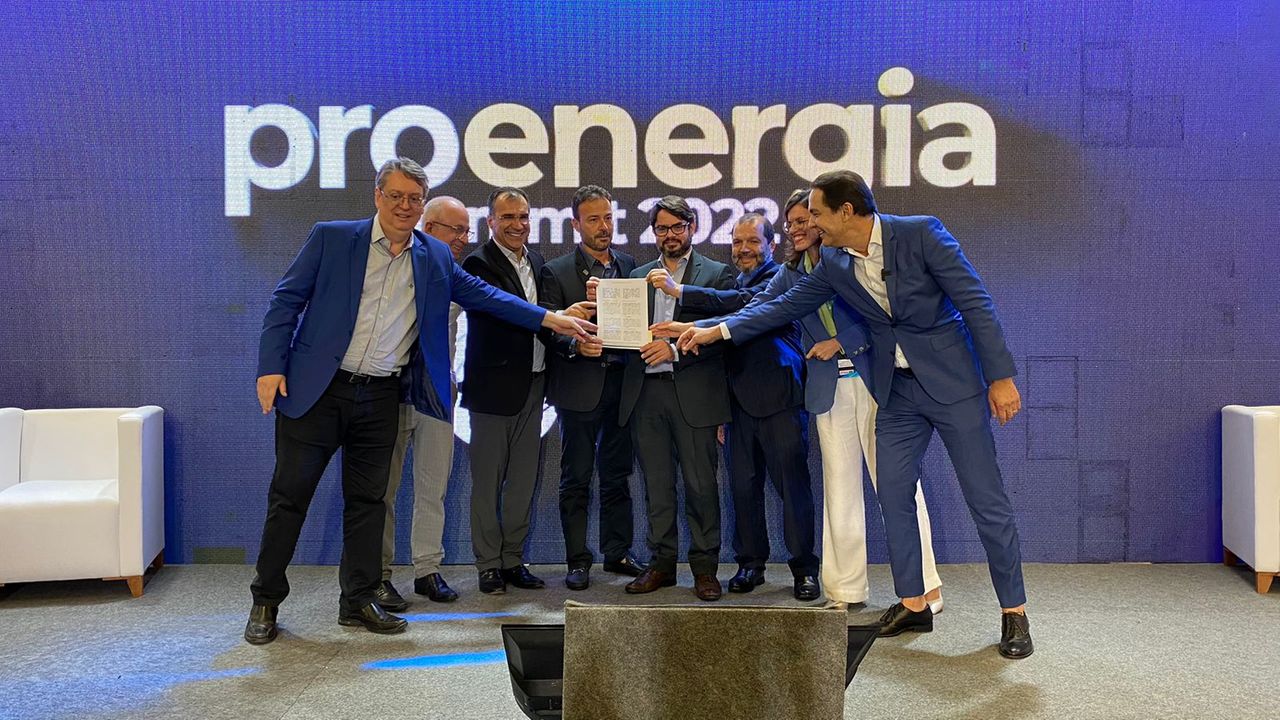
With the Agreement, the Company Begins Technical and Commercial Feasibility Studies for the Construction of Its Manufacturing Unit. The Project Includes Green Hydrogen and Conservation in Green Ammonia.
AES Brazil, a renowned renewable energy generator, signed today (9/22) a pre-contract with the Pecém Port Industrial Complex (CIPP) to initiate feasibility studies for the production of up to 2 GW of green hydrogen through electrolysis. The expectation of the venture is to produce 800 thousand tons of green ammonia per year. The company is interested in exporting its production, especially to countries in Europe and Asia. Earlier this year, the European Union launched REPowerEU, known as the plan for independence from Russian gas. The project envisions the consumption of 20 million tons of hydrogen in energy consumption by mid-2023; however, half of that volume will be for import.
The pre-contract with AES is the next investment following the Memorandum of Understanding, signed in December 2021, which has investment estimates of up to US$2 billion, only in the first five years. Thus, the agreement anticipated a plant with an initial capacity of 1 GW of renewable energy, in addition to the production of up to 500 thousand tons of green ammonia per year. In a statement, the Vice President of New Solutions and Innovation at AES International, Ítalo Freitas, states that Brazil has one of the best conditions for the production of green hydrogen, whether due to the complementarity of its sources or its geographical position.
Since last year, several Brazilian ports have been establishing the first agreements to develop green hydrogen hubs, but for that, it is necessary for the market to undergo regulation. In Pecém alone, there are already 22 memoranda of understanding signed between the port, the state government, and some companies like Qair, Linde, Aliance, TransHydrigen, Casa dos Ventos, Eren do Brasil, Fortescue Future Industries, Engie, EDP Renováveis, and White Martins.
-
Brazil may fall behind, and irreversibly so, in the global technological race involving the implementation of Data Centers and investments in Artificial Intelligence (AI). Much smaller but more agile economies, such as those of Argentina and Paraguay, have taken the lead.

-
Brazil is generating so much clean energy that the ONS had to implement an unprecedented emergency plan to contain the solar and wind surplus in the grid.

-
USA covers canal with 2,556 solar panels and transforms irrigation into a clean power plant in the middle of a drought-stricken region

-
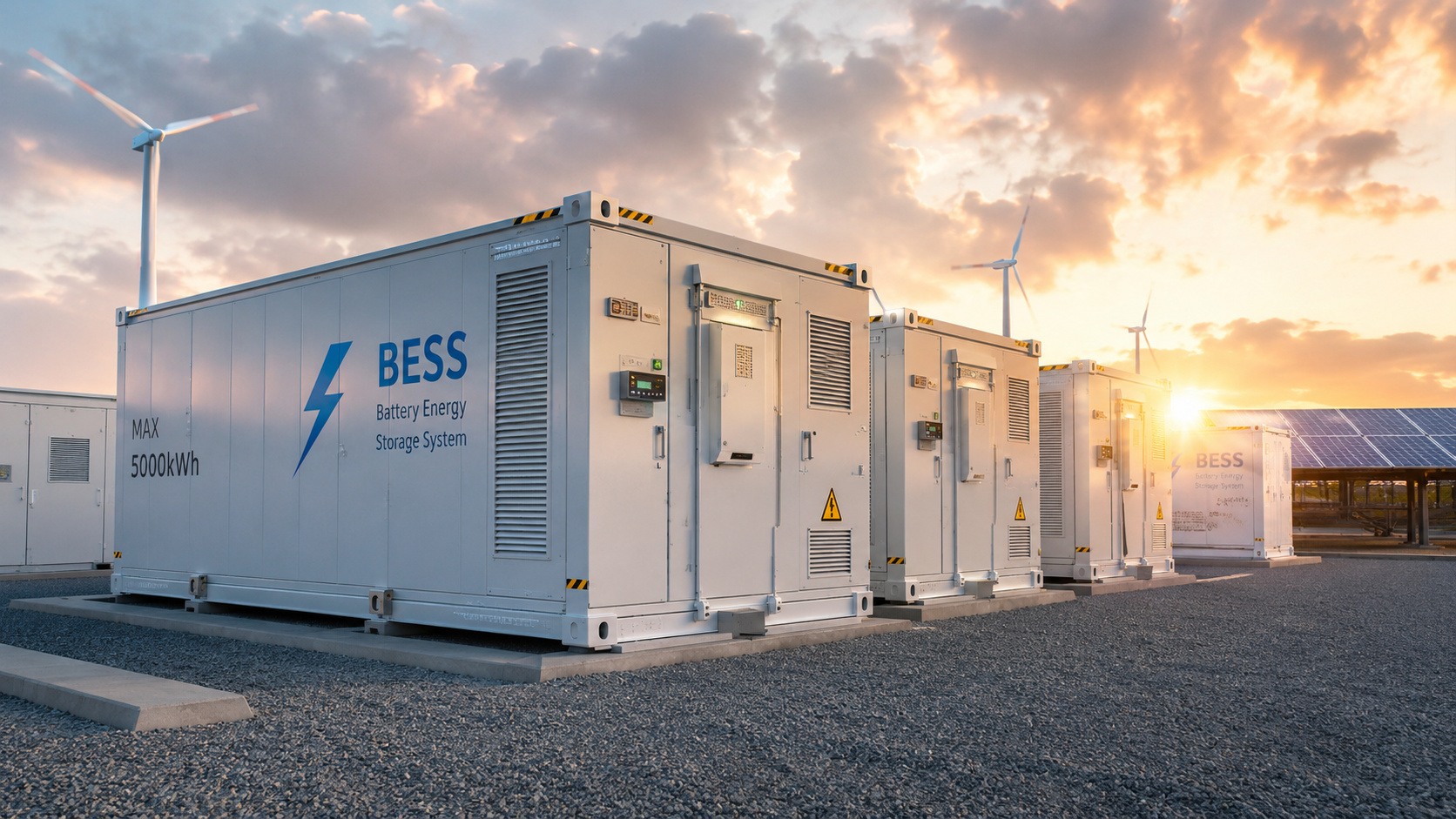
In a historic decision, Aneel regulates the use of batteries in the Brazilian electrical system and lays the groundwork for large-scale energy storage, reducing waste, enhancing energy security, and attracting new billion-dollar projects.


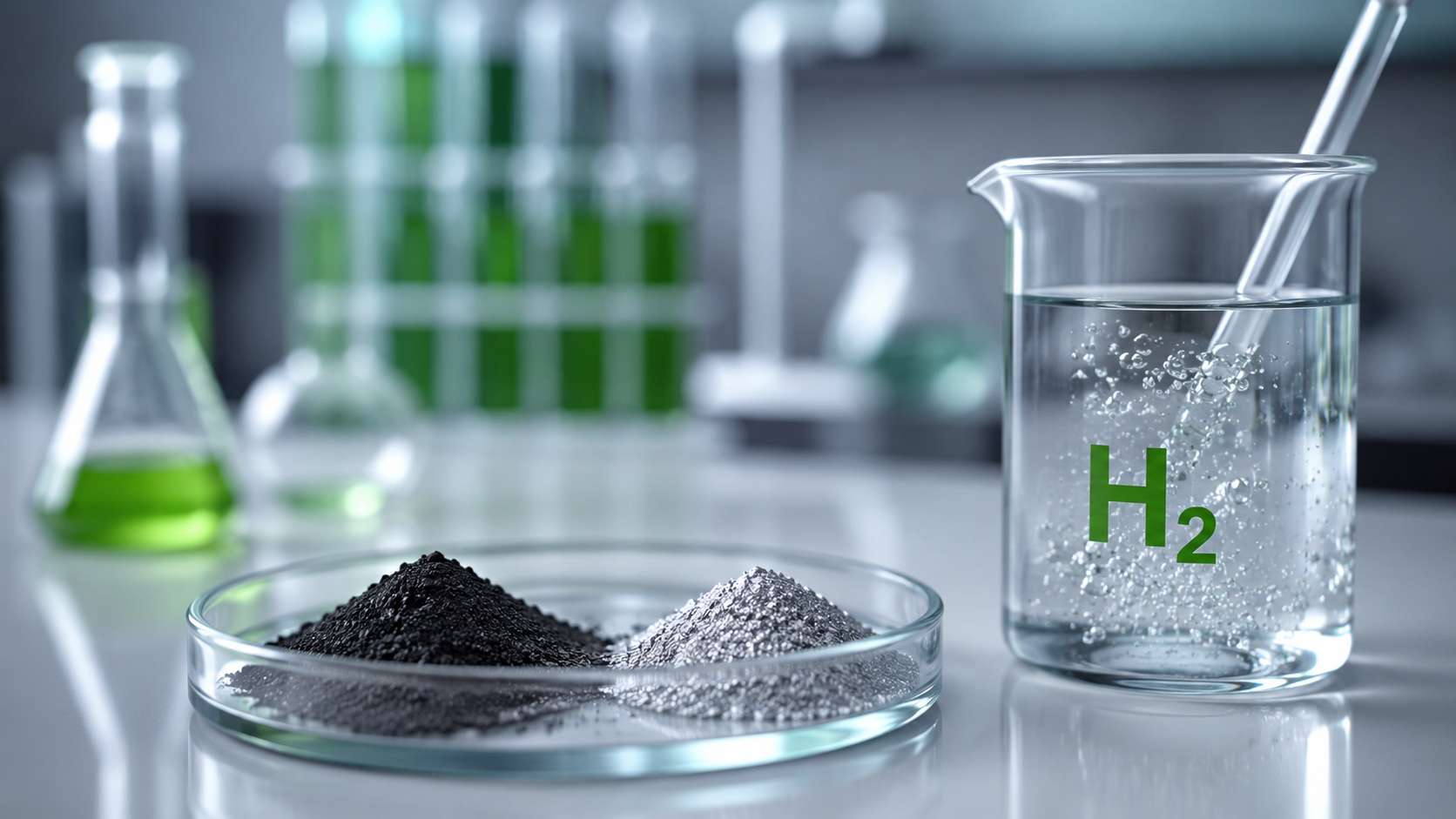
AES Projects Anticipate 1.3 Million Tons of Green Hydrogen
In total, the projects exceed 8 GW in electrolysis capacity, ensuring the production of 1.3 million tons of green hydrogen per year. Today, the pre-contract with AES is the second of the HB in Pecém. In June of this year, a contract had already been signed with Fortescue Future Industries (FFI), a subsidiary of Fortescue Metals Group, an Australian mining company. Thus, the Global Director of Green Hydrogen at AES, Luis Sarrás, stated that it is important to consider the medium and long-term scenario for the consolidation of green hydrogen and ammonia as potentially competitive energy sources in the market.
The director believes in Brazil’s potential to become the global leader in production and export; however, for this to happen, it is necessary to advance with the legal framework. According to him, a strong public policy is needed, which involves various productive sectors of the economy that must take shape for this. Therefore, it is essential to have clear and coordinated objectives, where we can set truly tangible goals to be achieved.





Be the first to react!