






 Portuguese
  Spanish


With Furnace 2 in operation since September 2025, Vale’s complex in southeastern Pará doubles in size and enters the cheaper half of the global metal cost curve
The nickel from Onça Puma became the symbol of an industrial turnaround in Pará. The same mine that was once forced to halt activities by court order years ago not only resumed operations but also started Furnace 2 in September 2025, jumping from 25,000 to 40,000 tons per year and establishing itself as the largest ferronickel operation in Brazil.
The turnaround is by Vale Base Metals, which got Furnace 2 up and running on schedule and, surprisingly, about 13% below the planned budget. An operation once considered problematic has been reborn larger, cheaper, and more competitive.
From judicial halt to the largest in Brazil
The story of Onça Puma has difficult chapters. The mine had its activities suspended by court decision, in a long battle that stopped production and threatened the future of the complex. For many, that was the end of the line.
-
World’s Largest Playing Card Manufacturer is Belgian, Producing Everything from Market Decks to Pokémon, Magic, and Las Vegas Casino Cards

-
World’s Largest Cork Producer in Portugal Harvests Over 5 Billion Corks Annually from Trees Without Cutting Them Down
-
Most of the world’s wigs and hair extensions are made from Indian human hair and assembled in a single Chinese city, the global wig capital, where 300,000 people rely on this billion-dollar industry.
-
Despite declining smoking rates in the U.S., Zippo’s windproof lighter factory sees record sales in over 180 countries, remaining the largest employer in its region for decades.


It wasn’t. With the resumption of operations and now the addition of the new furnace, the complex not only survived but also took the national lead in its segment. Going from a halt to the top of the country’s ranking is the kind of rare turnaround in heavy mining.
According to Vale, the start-up of Furnace 2 consolidates Onça Puma as the largest ferronickel operation in Brazil. It confirms that the decision to recover and expand the asset, rather than abandon it, was worthwhile.
What Furnace 2 changed: from 25,000 to 40,000 tons
The heart of the expansion is the new smelting furnace. According to Brasil Mineral, it adds about 15,000 tons of nickel capacity per year, taking the complex from 25,000 to a nominal capacity of 40,000 tons annually. In simple terms, the operation almost doubled in size at once.
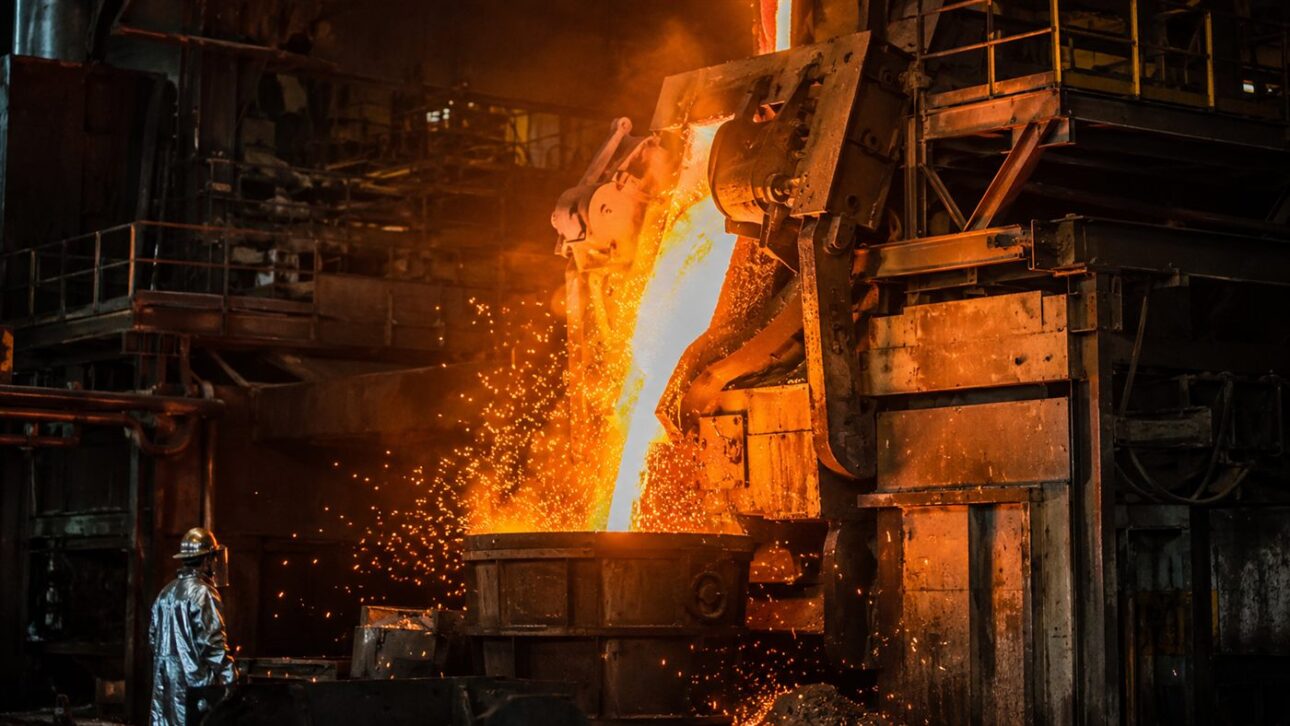
Doubling capacity is not just about producing more. Diluting fixed costs over a larger volume makes each ton cheaper, and that’s what puts the operation in a better competitive position. Scale, in mining, is synonymous with survival when the metal price fluctuates.
This leap occurs at a time when nickel is increasingly sought after, giving the expansion a strategic timing. More installed capacity means more ability to take advantage of market upswings.
US$ 480 million and 13% below budget
The project’s execution numbers stand out for their efficiency. Vale invested about US$ 480 million in Furnace 2, below the initially projected US$ 555 million, a savings of nearly 13% which is rare in large industrial works, almost always marked by budget overruns.
Even more impressive is the safety record: the project was completed without any lost-time accidents over the three years of construction. Delivering a project of this scale on time, below cost, and without a serious accident is a difficult trio to achieve.
The construction also boosted the local economy, generating about 2,500 jobs during the construction phase. It’s the kind of income and activity injection that transforms the dynamics of an entire region, even if temporarily.
Why nickel matters: stainless steel and batteries
Nickel is not just any metal. It is essential in the production of stainless steel, the material that does not rust and is found in everything from cutlery to industrial structures, and has gained extra importance as a component of batteries for electric vehicles.
This places the metal on the list of critical minerals for the energy transition, sought after by industries and governments. Those who produce nickel competitively hold a strategic input of the 21st century. Demand tends to grow as electrification advances worldwide.
For Brazil, having a strong ferronickel operation means participating in this global value chain, rather than just watching. Onça Puma puts the country on the map of a metal that drives both heavy industry and the new economy simultaneously.
Onça Puma’s nickel and global competitiveness
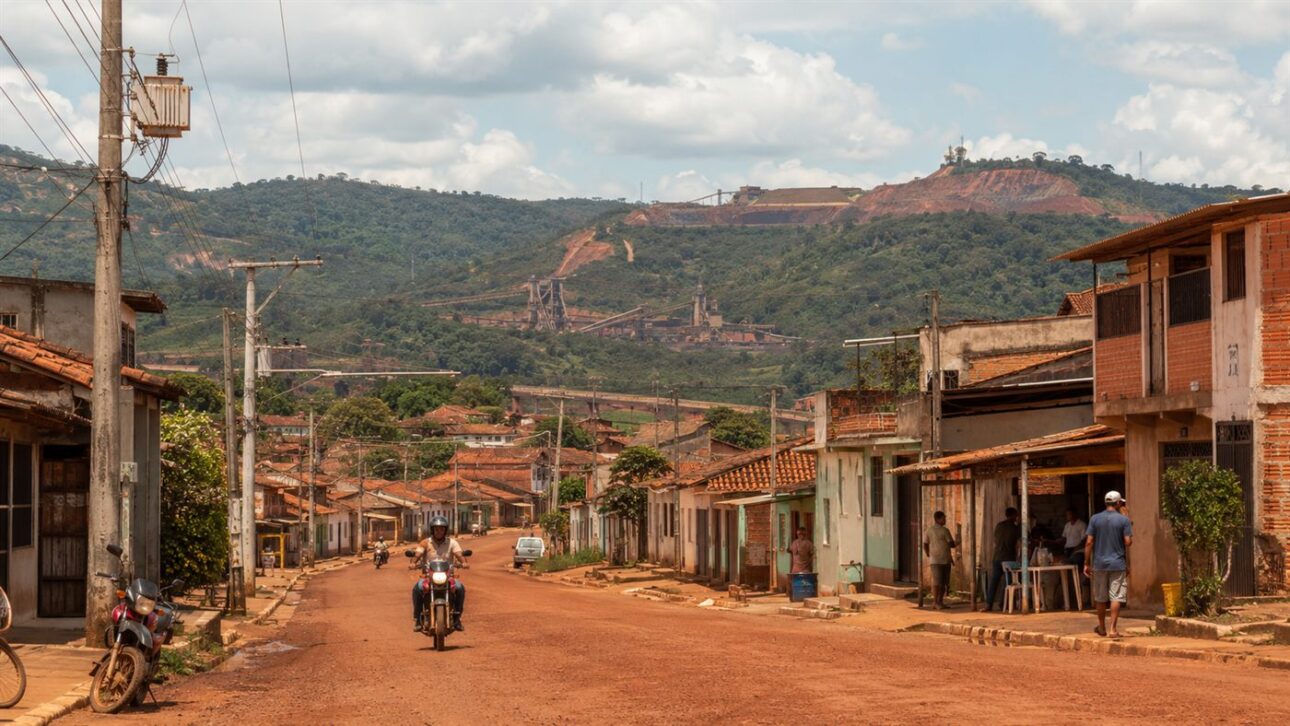
With Furnace 2, the complex has moved to the cheaper half of the global nickel cost curve. This industry jargon has a powerful practical meaning: operations in the lower part of the curve remain profitable even when the metal price plummets.
Being among the lowest-cost producers is what ensures the longevity of a mine. While more expensive competitors close during price crises, the more efficient ones endure and gain market share. It is the difference between surviving the cycles and being crushed by them.
This competitiveness was exactly what the expansion sought, and it is what provides security for the long-term future of the operation in Pará.
The impact on Pará and Ourilândia do Norte
The complex is located in Ourilândia do Norte, in southeastern Pará, and its expansion has a direct impact on the region’s economy. In addition to the thousands of jobs in the construction, a larger operation means more permanent jobs, more local suppliers, and more municipal revenue.
For a city in the Amazon interior, a mine of this size is both an opportunity and a responsibility. It boosts the economy but requires planning so that the benefits do not disappear when the deposit is exhausted. Lasting development is the challenge for every mining city.
The case reinforces the role of Pará as one of Brazil’s major mineral hubs, going beyond Carajás iron and diversifying into metals like copper and nickel.
Vale Base Metals and the bet on critical metals
The expansion of Onça Puma is part of a larger strategy by Vale Base Metals to strengthen its position in critical minerals. The company has been treating nickel and copper as growth pillars, betting on the demand from the energy transition.
Recovering and expanding an asset that was once problematic, instead of discarding it, shows confidence in this future. The company is practically saying that it believes in the long-term value of Brazilian nickel. And it does so by expanding production on national soil, not abroad.
This internal bet is positive for the country: it keeps value, employment, and technology within Brazil, in a sector that could easily migrate to other cheaper geographies.
The environmental and social challenges
None of this erases the complexity of mining in the Amazon. The very history of Onça Puma’s judicial suspension arose from environmental and social tensions, and this type of conflict requires dialogue, rigorous licensing, and continuous responsibility.
Operating in the Amazon region puts any mining company under the spotlight, and rightly so. The license to produce comes with the obligation to do it right, from impact control to respecting surrounding communities.
The future of Onça Puma will depend both on industrial efficiency and the ability to conduct operations sustainably. For now, there is the counterintuitive fact: a mine that was once ordered to stop has been reborn as the largest ferronickel mine in the country. How many other assets considered lost could follow the same path?


