Portuguese
  Spanish


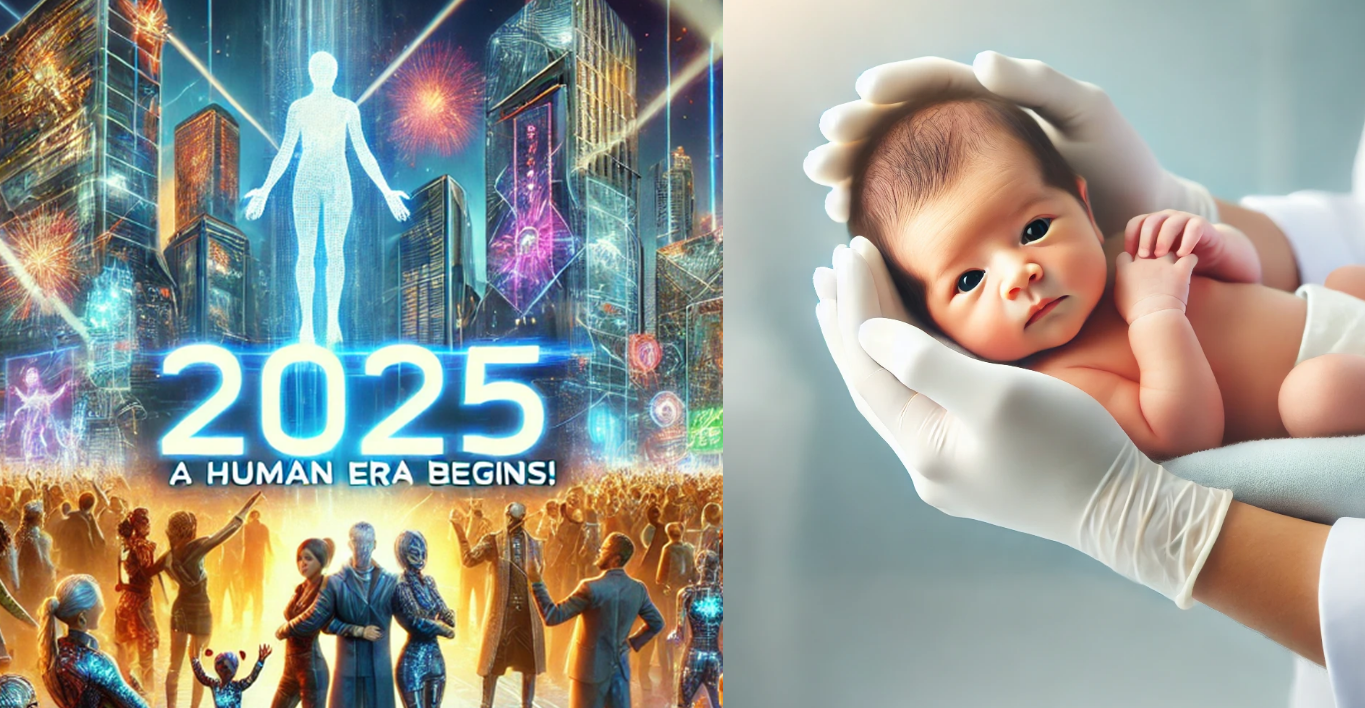


Experts Announce That 2025 Will Be Remembered as the Starting Point of a New Human Generation, with Significant Changes in Society and Behavior.
The arrival of 2025 brings a new era for generational records. Starting this year, babies born will officially enter the so-called Generation Beta, which will encompass those born between 2025 and 2039.
The research company McCrindle, led by social researcher Mark McCrindle, introduced the term and predicts that by 2035, this generation will represent 16% of the global population.
Generational Intervals
To understand where Generation Beta fits, it is important to review the intervals of previous generations:
-
From Above, This Italian Fortress City Resembles a Giant Star: Discover Palmanova, a UNESCO World Heritage Site Renowned for Its Architecture and Perfect Symmetry

-
Teenage Boy’s Soap Business Survives Wars and Centuries, Becoming Global Giant

-
Without a Road to School, Brazilian Vendor Carves 8 km Mountain Path Alone After Watching Children Struggle

-
Tech Expert Leaves $1 Million Google Job to Launch Own AI Startup




- Silent Generation: 1928-1945
- Baby Boomers: 1946-1964
- Generation X: 1965-1980
- Millennials: 1981-1996
- Generation Z: 1997-2009
- Generation Alpha: 2010-2024
- Generation Beta: 2025-2039
These milestones are used to analyze social, behavioral, and cultural changes across different historical periods.
Technology and Challenges for Generation Beta
Just as Generation Alpha became known as “iPad kids” due to their technological dependence, Generation Beta will be shaped by even deeper advancements.
McCrindle points out that automation and artificial intelligence (AI) will define their lives. Examples are already clear: tools like ChatGPT, launched in 2022, have transformed education and work.
A study by the Pew Research Center revealed that by 2023, 20% of students had used ChatGPT for school activities. This reflects how AI influences even the basic education of new generations.
Impacts on Education and Parenting
Experts highlight that parents of Generation Alpha faced challenges in limiting technology use. In Generation Beta, these concerns are likely to grow, considering the impact of social media and unrestricted access to AI.
Studies show that keeping children away from social media can reduce risks to mental health, but this requires a conscious approach.
Not everything is consensus. The president of the Pew Research Center, Michael Dimock, warned in 2019 about the dangers of labeling generations in a simplistic way. He suggested that these categories should be viewed as tools for analyzing social changes, not as rigid descriptions.
Generation Beta brings with it historical expectations. With many members of this generation projected to live into the 22nd century, climate change and population transformations will be crucial challenges. What remains is to observe how this new era will shape the future.