Portuguese
  Spanish


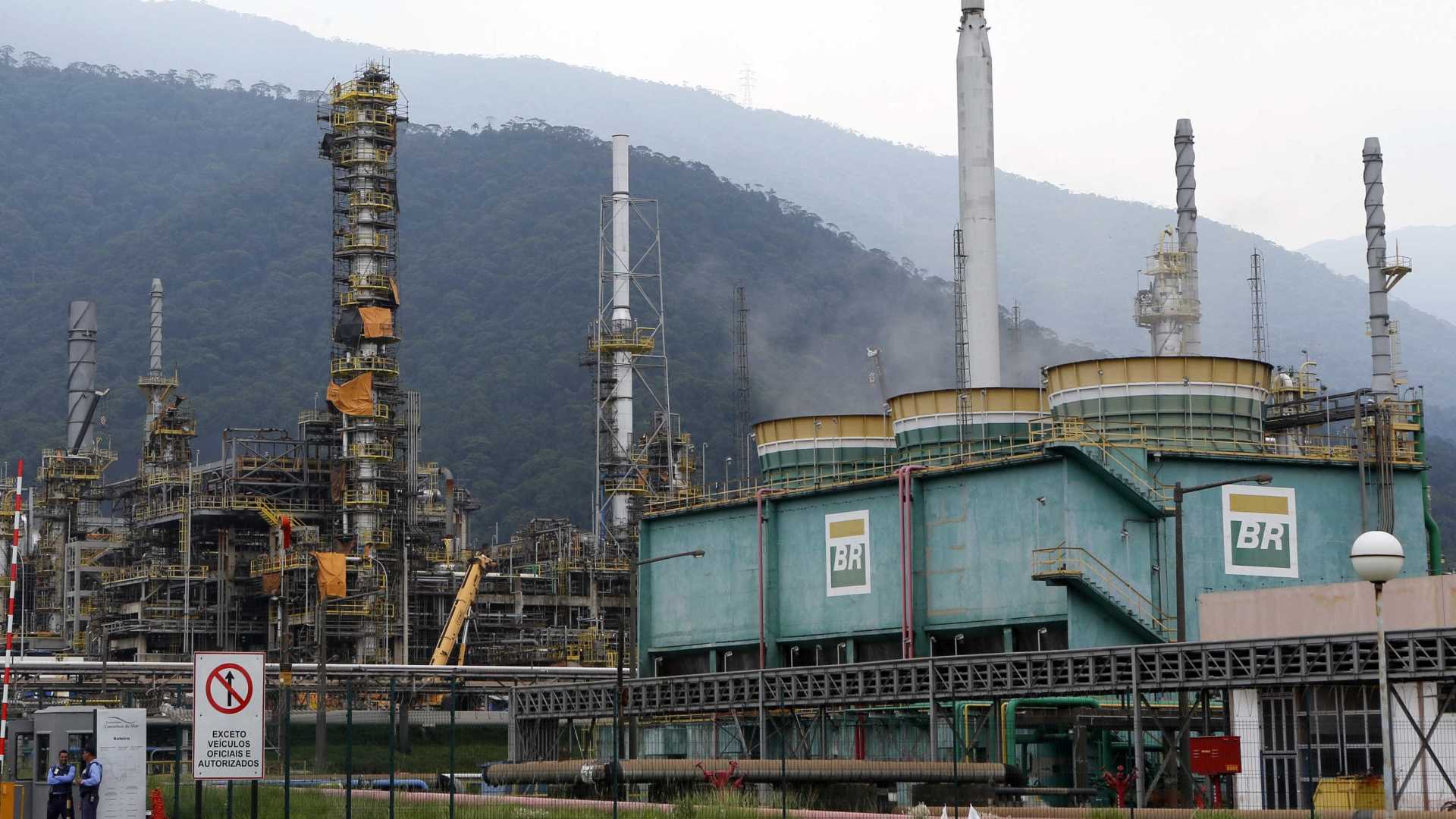

Petrobras Employees Promise Relentless Protests In Response To This Measure By Pedro Parente, Know Which Refineries Are Involved
Petrobras presented to the market a proposal to sell control and operations of four oil refineries, two in the Northeast and two in the South. The proposal was presented by the company’s president, Pedro Parente, but it still needs to be approved by the Board of Directors and the Executive Board of the state-owned company. The proposal envisions that the private initiative would hold 60% of the shares and Petrobras would retain 40% of the units.
The partnerships would also include 12 land and water terminals. In the Northeast, the units that may be privatized are the Abreu e Lima Refinery and the Landulpho Alves Refinery. In the South, Petrobras aims to transfer the controlling stake of the Presidente Getúlio Vargas Refinery and the Alberto Pasqualini Refinery. Together, the four refineries have a capacity to process 846 thousand barrels per day. In total, the state-owned company has 13 refineries and holds 99% of the refining capacity in the country. The company’s president, Pedro Parente, commented that the sale should begin this year and may be completed next year. Source EBC.
Oil Workers Promise Protests
Union movements and Petrobras oil workers are already organizing in an attempt to halt the privatization process. Representatives of the category claim that this maneuver to sell their shares in the form of partnerships is merely a way to hand over the company to the private sector and all Brazilian treasure through “legal” means. According to Data Folha, 70% of Brazilians are against privatization, are you included in this percentage?
-
Lenovo Unveils Legion Y700 Tablet with RGB Backlighting, 5G, and SIM Card Support
-
Lenovo Unveils Legion Y700 Tablet with RGB Backlighting, 5G, and SIM Card Support
-
Northern Brazilian City Prepares Task Force to Mitigate El Niño Impacts with Stockpiled Fish, Drone Monitoring, Firefighting, and Water Supply Reinforcement in Remote Areas

-
Brazil to Issue “Panda Bonds” in China, Aiming to Raise Up to 5 Billion Yuan at Lower Interest Rates Than Dollar Debt