





 Portuguese
  English
  Spanish
  4 min of reading
  0 comments



The Search for Life on Mars Is About to Advance, as Scientists Have Identified Specific Locations to Explore Beneath the Icy Surface. Discover Where This Historic Search Will Begin and What It Means for Science!
Life on Mars has always sparked great interest and curiosity in science and popular imagination. Recently, a study conducted by scientists at the California Institute of Technology (Caltech) revealed specific locations beneath the Martian ice layers where microorganisms could survive, challenging the notion that the Red Planet would be a completely inhospitable desert.
Over billions of years, Mars has undergone drastic changes in its climate, leaving behind traces of rivers, lakes, and possibly oceans. The surface, exposed to intense ultraviolet radiation and with a thin atmosphere, has become hostile to life forms as we know them.
However, the subsurface of Mars may still offer more stable and protected conditions. According to Caltech’s research, “life on Mars” could exist in underground pockets beneath the ice, where temperatures are mild and there may even be small amounts of liquid water.
-
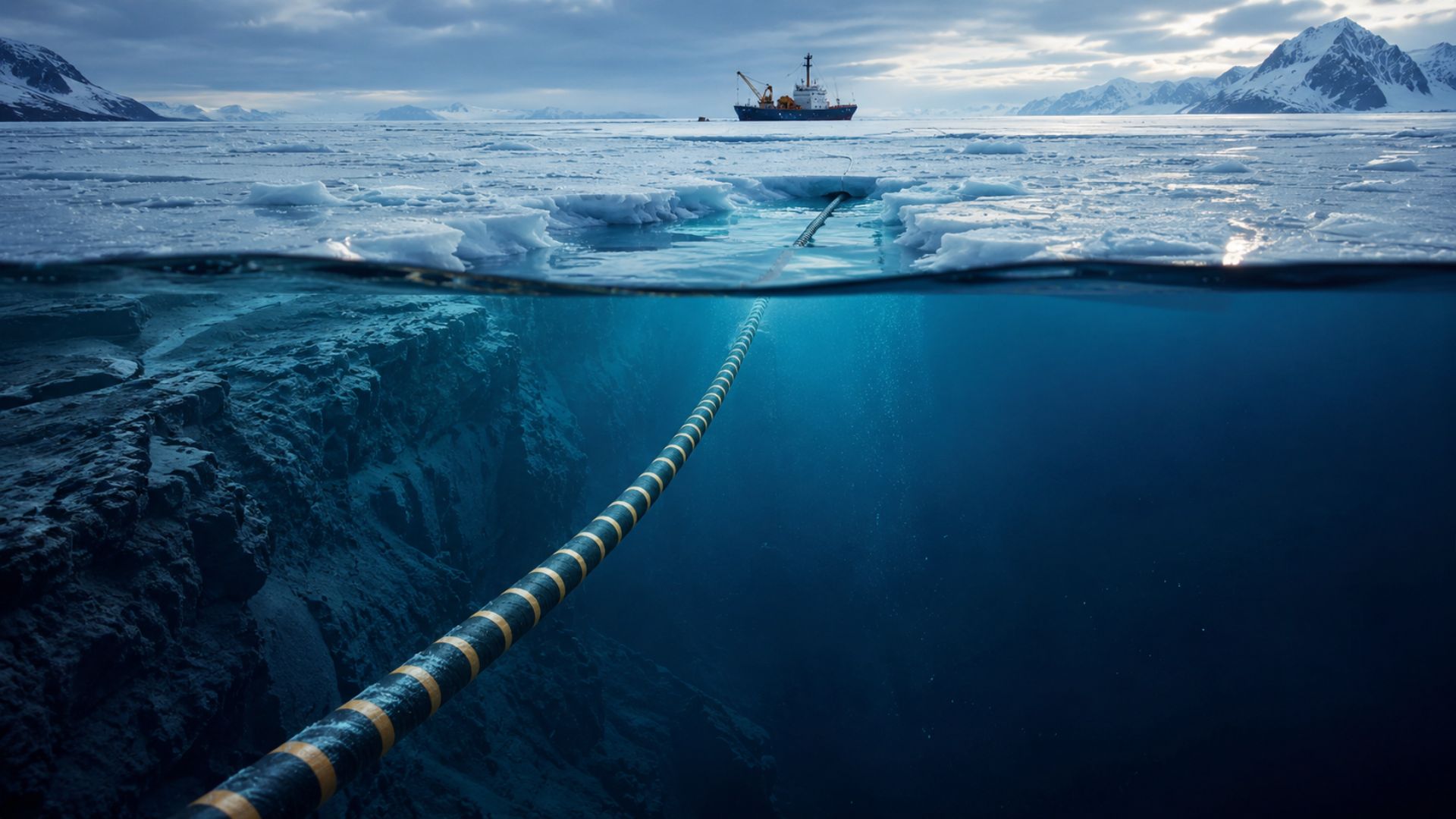
For the first time in history, a submarine cable will descend to four thousand meters deep under the ice of the North Pole to ensure that the internet between Europe and Asia no longer depends on conflict zones in the Middle East.

-
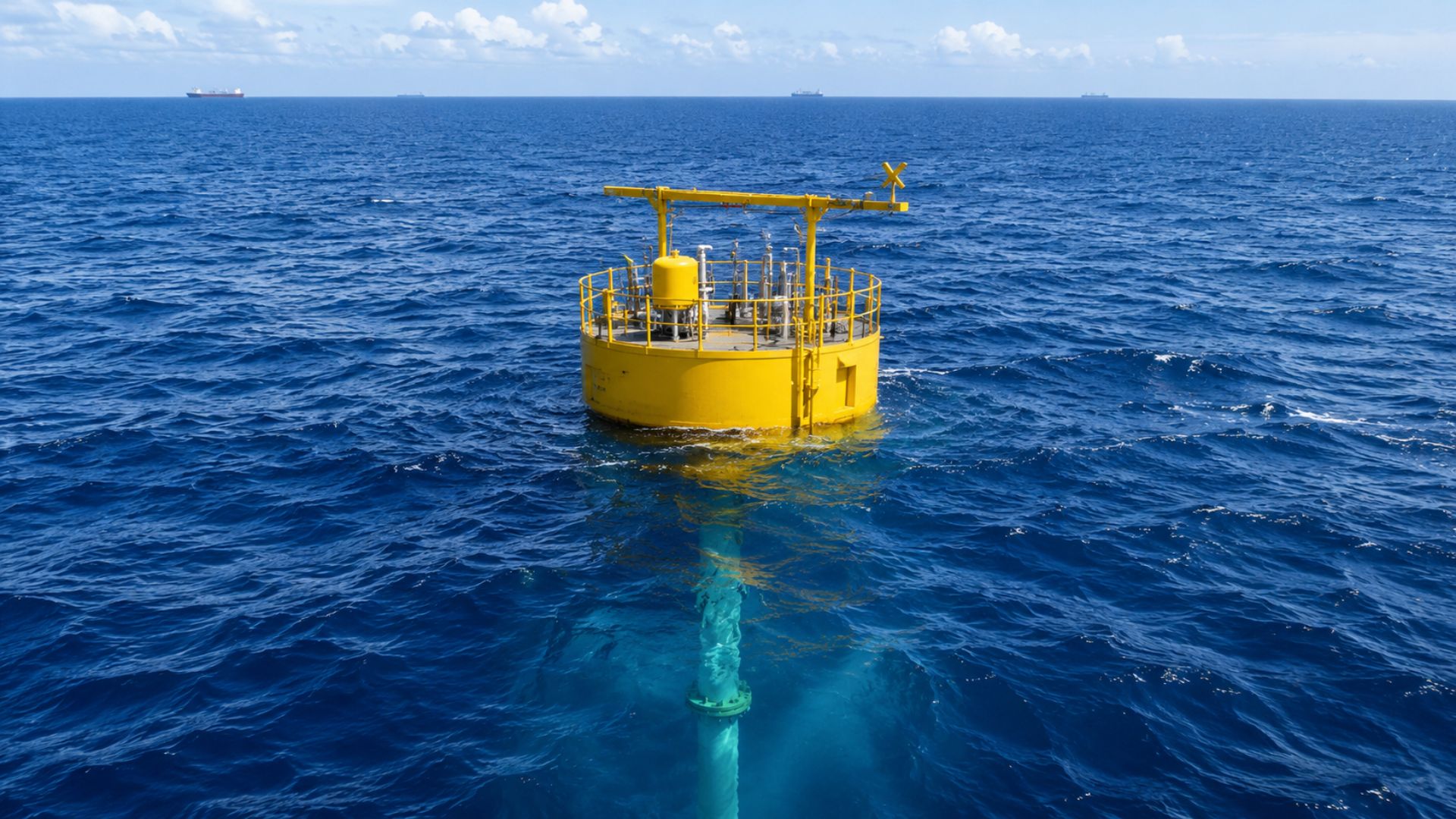
A British company has installed in the middle of the ocean the world’s first floating platform that generates electricity 24 hours a day from the temperature difference between the surface and the depths of the Atlantic, without relying on wind or sun.
-
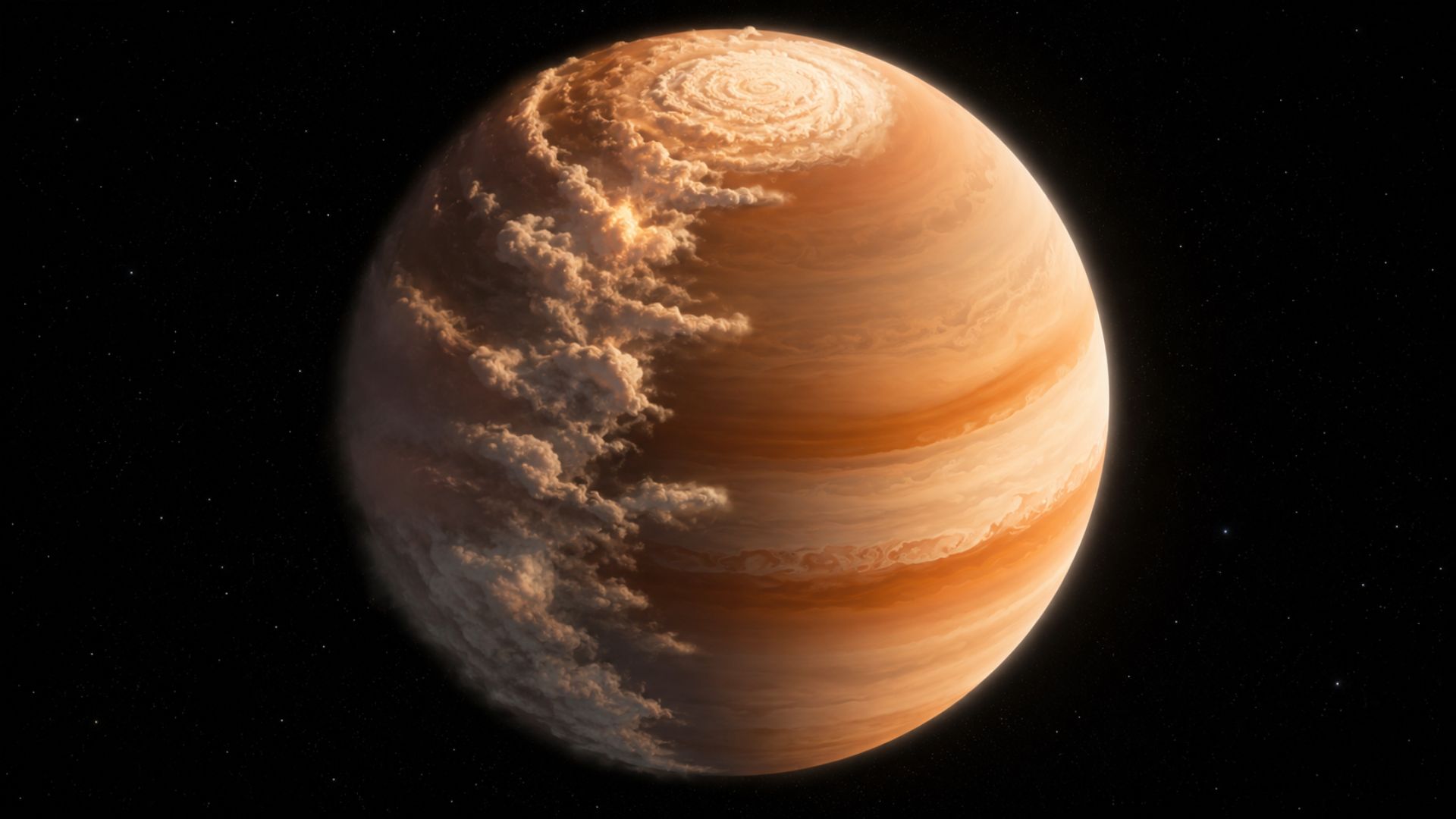
The James Webb telescope spotted a planet 700 light-years from Earth with mornings full of sand clouds and nights with clear skies, the temperature difference between the two hemispheres reaches an impressive 170 degrees.
-
A former Hong Kong police officer has just become the first astronaut from her city to go to space. She embarked on the Shenzhou-23 mission alongside two other colleagues who will face muscle atrophy, radiation, and prolonged fatigue in orbit.

How Martian Ice Could Sustain Life on Mars
Researchers have mapped areas on Mars with the potential to host photosynthetic microorganisms, as they could find the necessary light for survival and shelter from radiation beneath the ice.
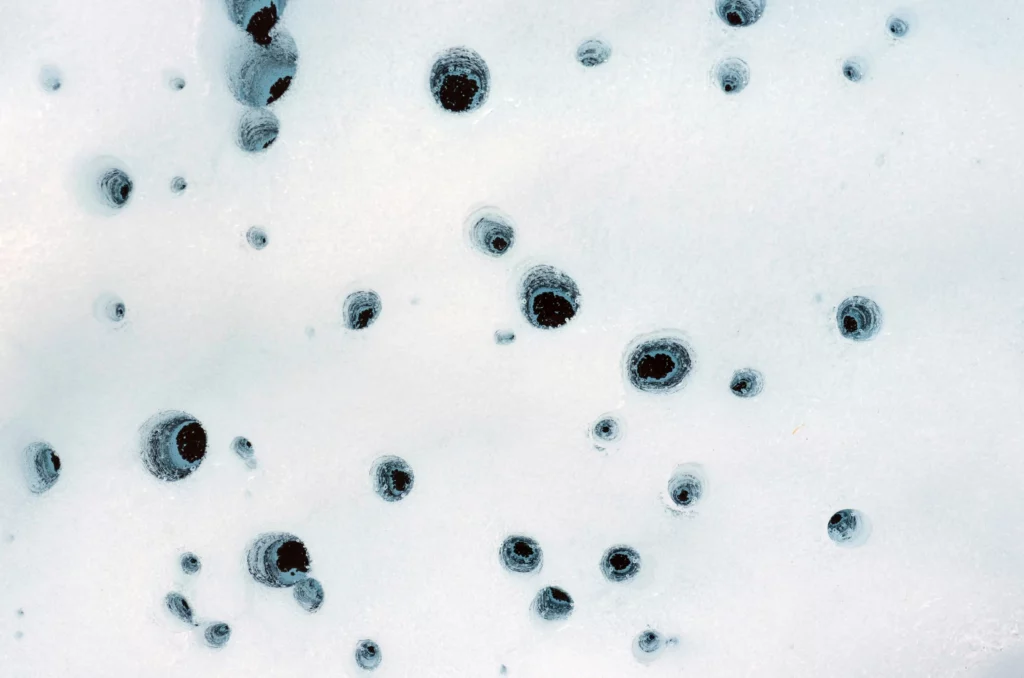
In locations where the ice has 0.01 to 0.1% dust, microbes could survive at depths of 5 to 38 centimeters. In areas with purer ice, the habitable zone increases to up to 3.1 meters deep.
The Role of Martian Dust
The dust mixed with the ice plays a crucial role in the possibility of life existing on Mars. The presence of dust helps absorb more sunlight, heating the ice from the inside out and creating small areas with liquid-like conditions, similar to a greenhouse.
This phenomenon has already been observed on Earth and was highlighted by Phil Christensen of Arizona State University. He explains that “melting from the inside out of the ice is a common occurrence, where sunlight warms the ice as it enters these small pockets.”
Focus on Mid-Latitudes
The research also indicated that the best regions to find signs of life on Mars are between the planet’s mid-latitudes, approximately 30 to 50 degrees, where temperatures and sun exposure are ideal. In polar regions, the temperatures are too low to allow the melting process to occur, making the environment hostile even for extremophile life forms.
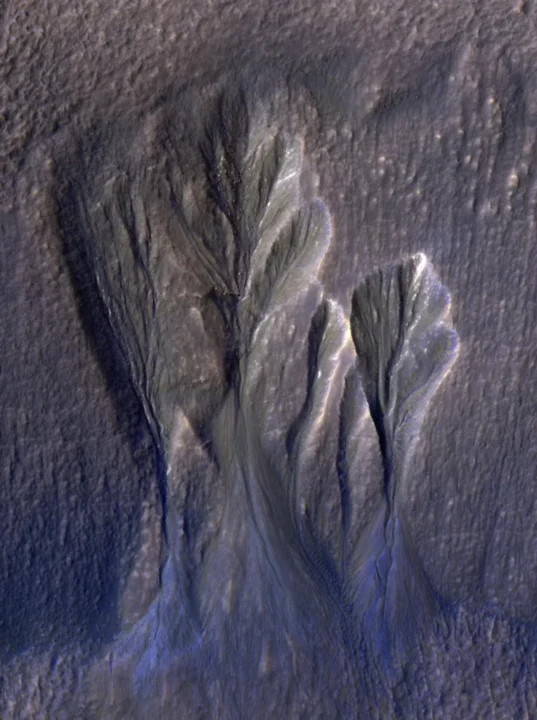
With these new targets in sight, the exploration of Mars in search of life is about to take a new leap. Space agencies like NASA and ESA (European Space Agency) are already preparing robotic and possibly crewed missions that will be able to drill into the Martian ice and investigate these locations in more detail. The Perseverance rover, currently exploring Mars, may guide future studies and missions to these strategic points.
Among the most anticipated missions is ESA’s ExoMars rover, planned to drill into the Martian soil in search of biological signs. Additionally, NASA is also considering sending new equipment that could penetrate the ice and bring samples back to Earth.
The Future of Life on Mars
Although life on Mars is still a hypothesis, the prospect of finding microorganisms in the subsurface is fascinating and increasingly plausible. The possibility of alien life, even in microscopic form, would represent a revolutionary discovery for humanity and science, changing our understanding of life’s adaptability.
While the definitive answer has yet to arrive, Mars continues to fascinate and challenge scientists who, with advancements in technology and space exploration, are getting closer to unraveling one of the greatest mysteries of the universe: the existence of life on Mars.









Be the first to react!