





 Portuguese
  English
  Spanish
  5 min of reading
  1 comment


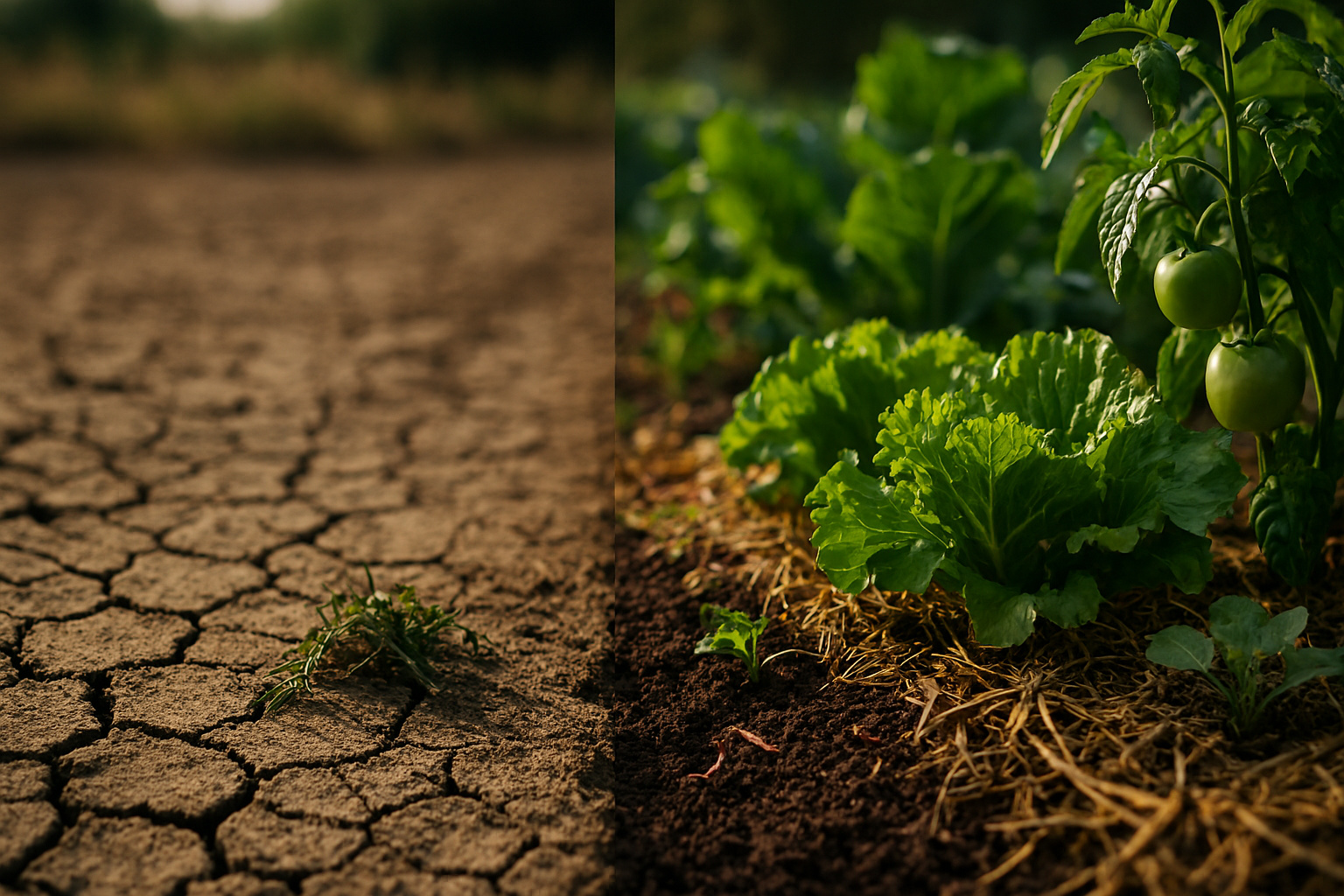


Using Dry Leaves as Mulch Reduces Evaporation, Controls Weeds, and Improves Soil Fertility, According to Widely Used Practices in Agroecology.
For decades, the dominant logic in home gardens was simple: clear everything, leave the soil exposed, and pull out any plant considered “weeds.” However, traditional agricultural systems and agronomic studies show that uncovered soil loses water, heats up too much, and erodes more quickly. It was precisely by reversing this logic that many producers began to observe significant changes. Instead of removing all vegetation and leaving the soil bare, the practice consists of covering the soil with dry leaves, cut grass, or plant residues — a technique known as mulching.
This practice is widely used in agroecology, organic farming, and agroforestry systems, and its effects are documented in agronomic research and technical rural extension manuals.
Water Savings: Covered Soil Evaporates Less
The first visible impact occurs in soil moisture. When soil is exposed to the sun and wind, evaporation is intense, especially in warm climate regions. Covering with dry leaves creates a physical barrier that reduces direct sunlight exposure and decreases air circulation on the soil surface.
-
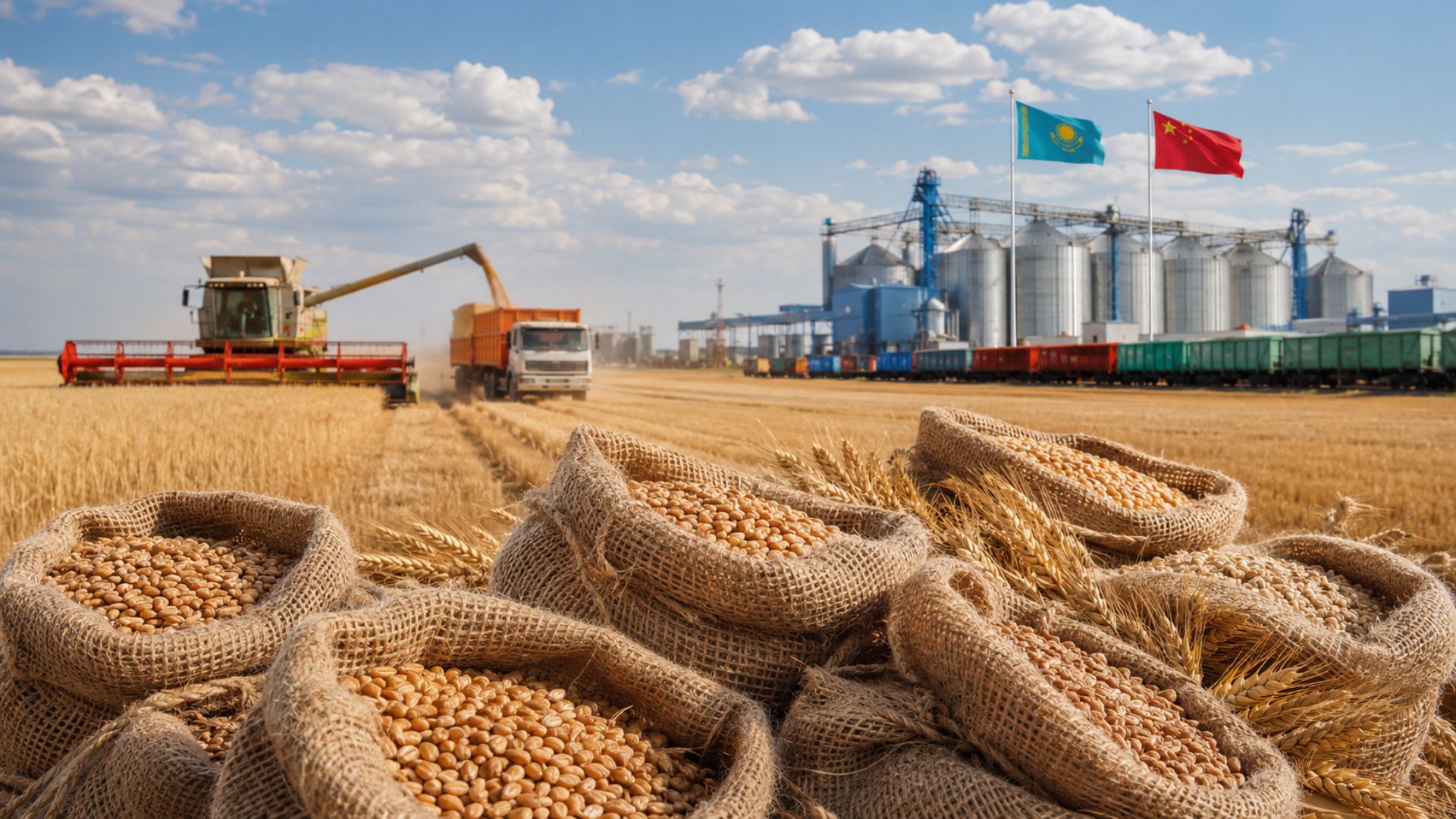
While the world discusses geopolitics, China is quietly closing a deal with its Kazakh neighbor to secure grain supplies during any global food crisis, with more than 3,600 Kazakh companies already able to export directly to the Chinese market.

-
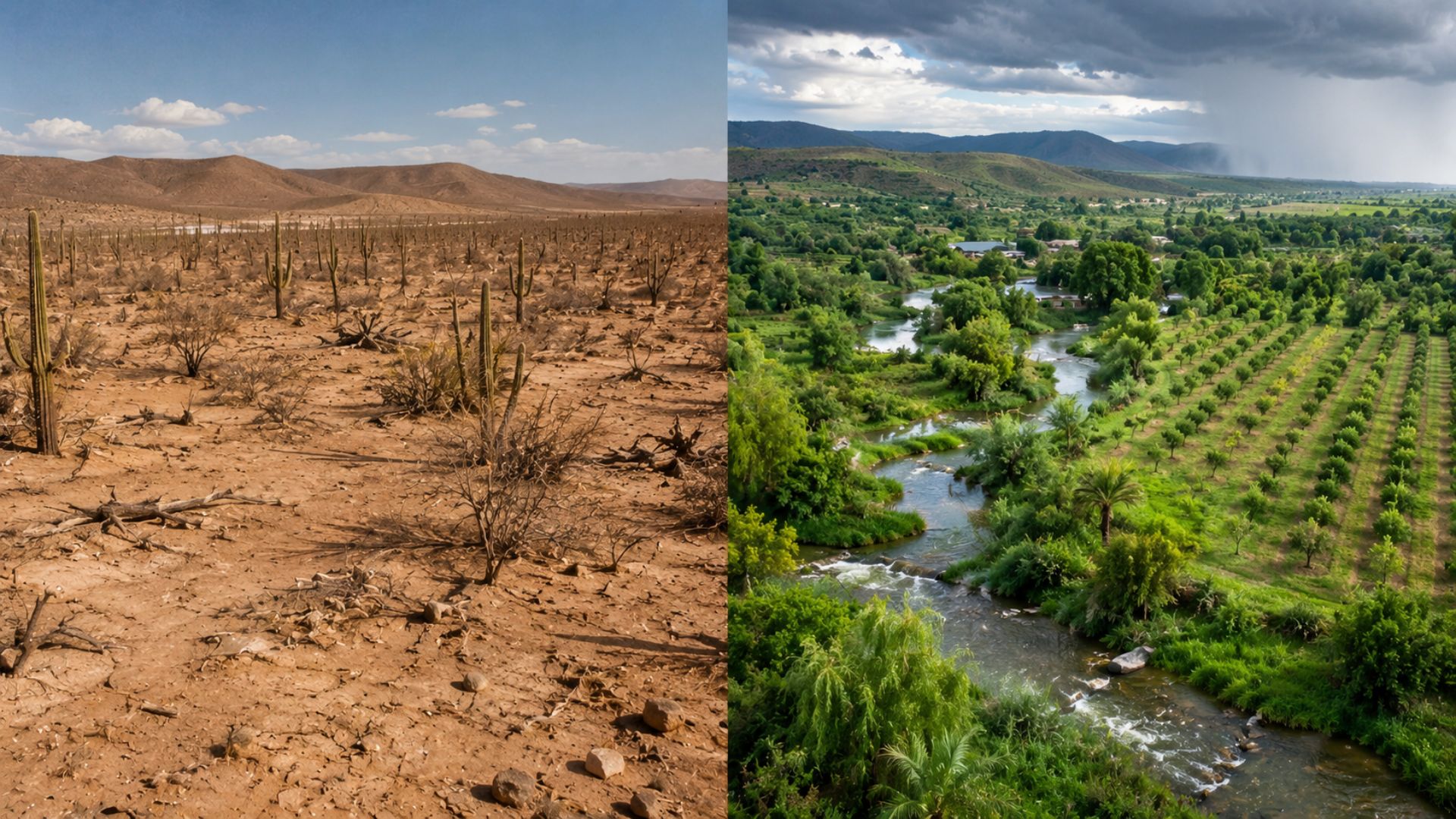
A farm in the Mexican desert has become so green that today it has rivers flowing year-round and even rain in the dry season, all thanks to a technique that transforms dead sand into fertile soil with manure, mountain microorganisms, and what farmers call the secret soil formula.
-
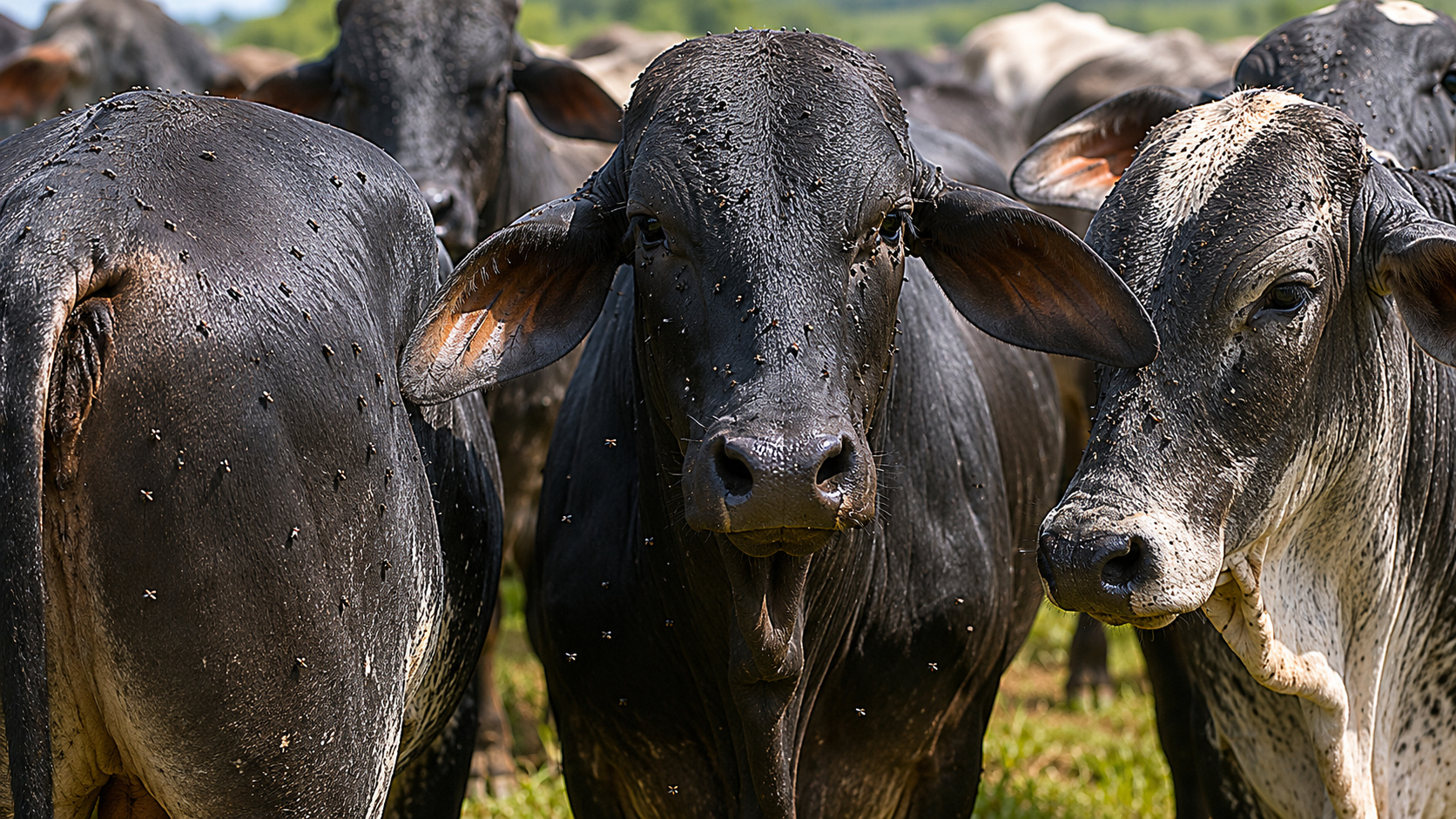
Stable fly infestation frightens producers in Costa Rica, disrupts cattle routine, reduces milk, and puts vinasse at the center of rural controversy.

-
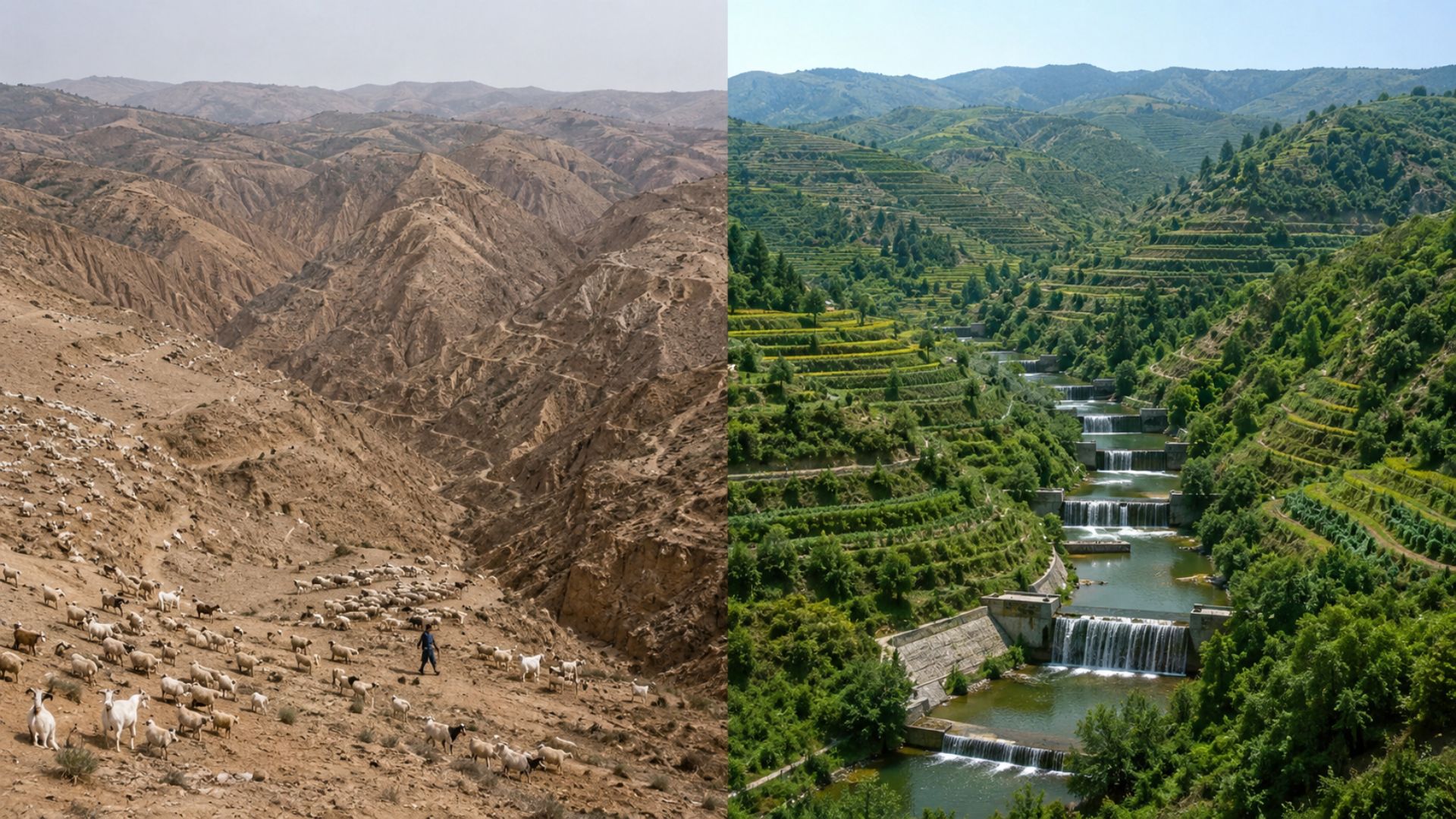
China banned free grazing of goats and sheep in parts of the most eroded plateau on the planet and, along with terraces and thousands of dams, managed to green slopes that were dumping 1.6 billion tons of soil per year into the Yellow River, in one of the largest environmental recoveries in history.
Conservation management studies indicate that mulching can significantly reduce evaporation, keeping the soil moist for longer after irrigation or rain.
Practically, this means:
- Longer intervals between irrigations
- Less water consumption
- Reduced water stress on plants
In home gardens, the difference is often noticed quickly: when the layer of leaves is removed, the soil underneath remains moist, while uncovered areas dry quickly.
Weeding Reduction: Less Light, Fewer Invasive Plants
Another direct effect of mulching is the physical control of spontaneous plants. Many invasive weed seeds need light to germinate. By covering the soil with dry leaves, the light reaching the surface is reduced, making it more difficult for these seeds to germinate.
Furthermore, even when some plants do sprout, the organic layer hinders their initial development, making management simpler.
This does not completely eliminate the emergence of spontaneous plants but reduces the intensity of weeding, especially during rainy periods.
Thermal Protection: Less Soil Temperature Variation
Exposed soil can reach very high temperatures during the day and lose heat quickly at night. Covering with leaves acts as a natural thermal insulator, reducing daily temperature fluctuations.

This effect is important because:
- Roots are sensitive to extreme temperatures
- Soil microorganisms have better activity in stable temperature ranges
- The physical structure of the soil suffers less degradation
In regions susceptible to light frost, covering can also help reduce the direct impact of intense cold on the soil surface.
Attraction of Earthworms and Increased Biological Activity
Dry leaves and plant residues are not just coverage: they are organic matter.
Over time, this layer begins to decompose, becoming food for fungi, bacteria, and invertebrates, including earthworms. The presence of earthworms is associated with:
- Greater soil aeration
- Formation of stable aggregates
- Increased water infiltration
- Humus production
Agricultural systems that keep the soil covered tend to exhibit greater biological activity compared to constantly tilled and exposed soils.
Structural Transformation of the Soil Over Time
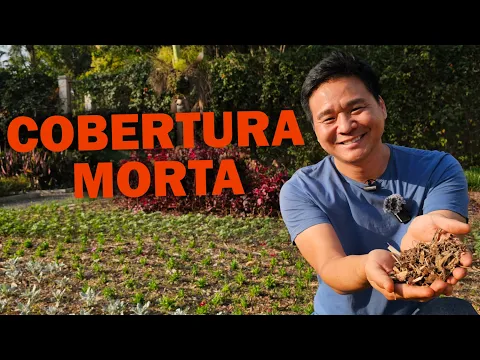

The most profound effect of mulching is not immediate but cumulative. As dry leaves decompose, the following occurs:
- Increase in organic matter content
- Improvement of the physical structure of the soil
- Greater water retention
- Better nutrient exchange capacity
Soils rich in organic matter exhibit greater structural stability and less compaction.
In home gardens, producers report that after a few months or years of keeping the soil always covered, the land begins to show a darker color, a looser texture, and greater ease of handling.
Mulching in Regenerative Agriculture
This practice is not new. Traditional cropping systems, such as agroforestry and natural agriculture, keep the soil permanently covered.
Mulching is also one of the central principles of conservation agriculture and no-till farming, widely adopted on a large scale in Brazil.
Although in large-scale farming the management is mechanized and involves residues from previous crops, the physical principle is the same: to prevent the soil from being left uncovered.
How to Correctly Apply in the Garden
For home use, it is recommended:
- Use dry leaves, straw, or cut grass
- Avoid very compact layers that hinder water infiltration
- Keep a small distance from the plant stems to avoid excess moisture at the base
The thickness usually varies between 5 and 10 centimeters, depending on the available material.
Results Observed in Backyards and Urban Gardens
Reports from urban gardens and agroecological systems show that after adopting mulching, it is common to observe:
- Less compacted soil
- Decrease in irrigation frequency
- Reduction in the growth of invasive plants
- Increased presence of earthworms
- Plants with more uniform growth
These effects are consistent with widely studied agronomic principles on soil conservation.
Exposed Soil vs. Covered Soil
The contrast between exposed soil and covered soil is visible:
Exposed Soil:
- Greater erosion from rain
- Formation of surface crusts
- Rapid loss of moisture
- Greater temperature fluctuation
Covered Soil:
- Less direct impact from rain
- Moisture retention
- More stable temperature
- Gradual increase of organic matter
This structural difference is the basis of the technical argument behind mulching.
The decision to stop pulling out all “weeds” and to start covering the soil with dry leaves is not just an aesthetic change. It is a practice grounded in soil conservation principles, widely applied in regenerative agriculture and agroforestry systems.
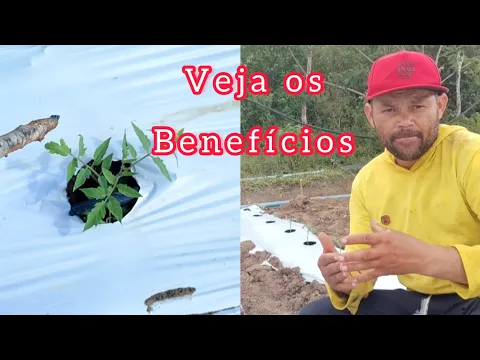
Mulching reduces evaporation, controls spontaneous plants, stabilizes soil temperature, increases biological activity, and improves physical structure over time.
In home gardens, these effects can be observed in a few months, especially in warm or dry climate regions, where soil protection makes a significant difference in productivity.










Que coisa **** só descobrir isso agora eu tenho uma chácara a 34 anos e nunca queimei uma folha , faço isso a vida toda ,e ainda mais ,não usamos o coleta de lixo na cidade levamos todo lixo de cozinha e fazemos compostagem na horta da chácara tmb ,