Portuguese
  Spanish




Agribusiness in Brazil Receives R$ 110 Billion from Nova Indústria Brasil, Strengthening the Economy and Innovation in the Sector.
Agribusiness in Brazil Boosts Economy with Investments of R$ 110 Billion
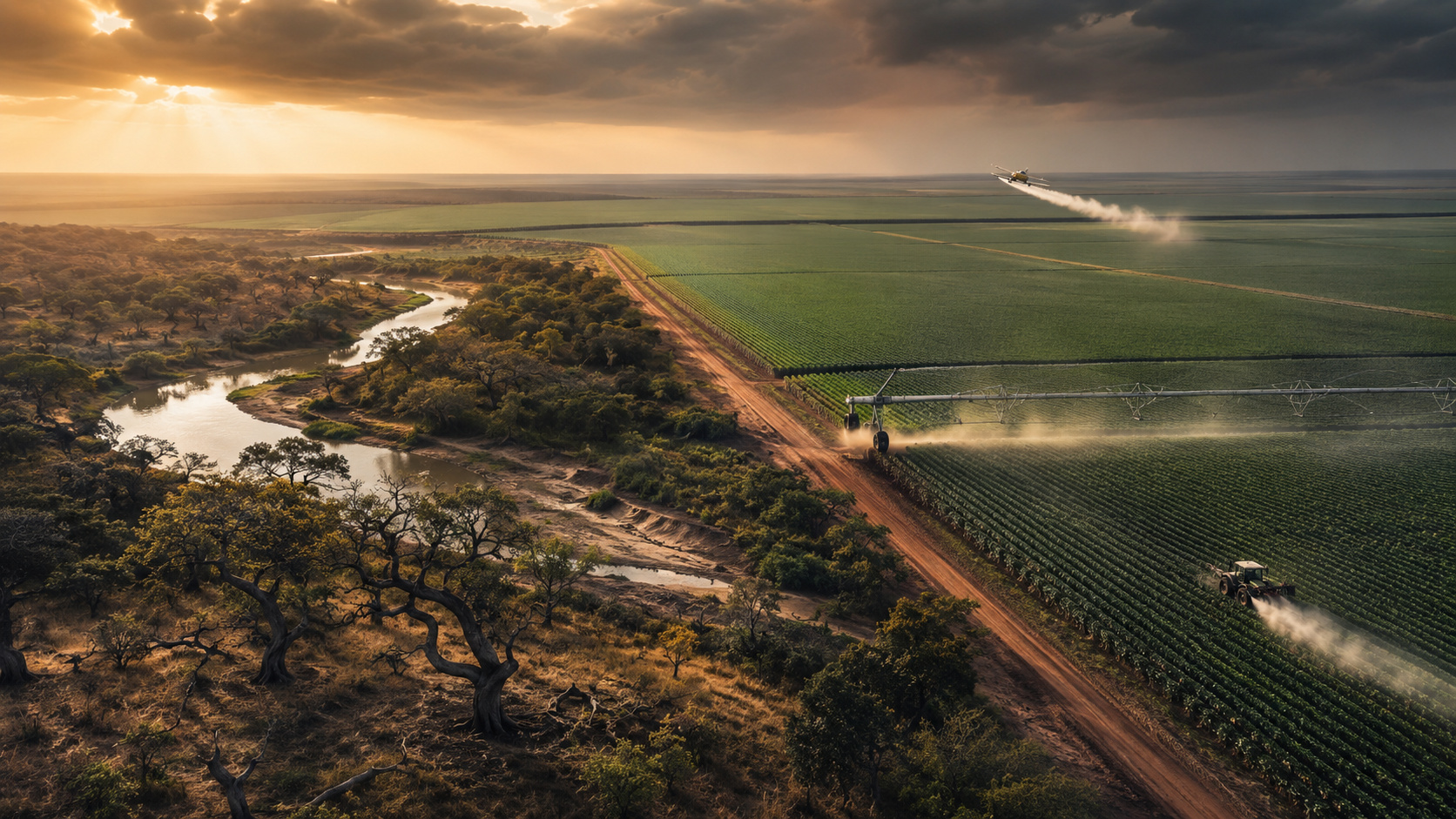
The federal government announced this Thursday (11) that the agribusiness sector in Brazil has received investments of R$ 110 billion through the Nova Indústria Brasil (NIB) industrial policy.
In addition, the amount has already been applied to more than 160,000 innovation and equipment acquisition projects, consequently strengthening the national economy. The announcement came alongside the release of the record grain harvest for 2024/25, which reached 350.2 million tons.
According to the Vice President and Minister of Development, Industry, Commerce, and Services (MDIC), Geraldo Alckmin, the agribusiness sector is strategic for adding value to agricultural products. Therefore, investing in the modernization and innovation of agribusiness is essential to ensure competitiveness and sustainable economic growth.
-
India’s Sugar Export Cuts and Ethanol Shift Amid El Niño Threat Could Impact Global Prices and Stocks

-
Quarantine Pest Threatening Palm Trees Puts Brazilian Authorities on Alert, Prompts Monitoring at University of Taubaté and Potential Control Measures Across São Paulo
-
Global Alert: Report Finds 159 Pesticides in Coffee Beans Sold in Europe, Posing Serious Risks to Millions of Farm Workers
-
Low-Demand Brazilian Beef Offal Gains Popularity Abroad: Indonesia Purchases $19.5 Million, Boosting Revenue and Reducing Waste



“Nova Indústria Brasil has six missions, and the first one is agribusiness. If we are champions of agribusiness, we will add value,” he highlighted.
Credit Lines Strengthen Agribusiness and the Economy
Nova Indústria Brasil, which aims to modernize the national industrial park, consequently allocated a significant portion of resources to agribusiness. In this context, credit lines of R$ 12 billion are included for the acquisition of capital goods. Thus, the financing aims to increase productivity, encourage the adoption of new technologies, and modernize equipment.
Additionally, the resources also support technological innovation projects ranging from the mechanization of agricultural processes to sustainable solutions such as bioenergy and bioproducts. Therefore, direct investment in innovation is considered fundamental to strengthen the economy and ensure the international competitiveness of the sector.
Industrial Impact of Agribusiness in Brazil
The development of agribusiness impacts the entire production chain, from grain processing to adjacent industrial sectors. The government emphasizes that the focus is not only on production but also on adding value to agricultural products.
With the adoption of advanced technologies and modern machinery, agribusiness directly contributes to job creation, increased productivity, and the expansion of the Brazilian economy.
Carlos Fávaro, Minister of Agriculture and Livestock, emphasized that government support is essential to consolidate the country as a global leader in agricultural production. Paulo Teixeira, Minister of Agrarian Development and Family Agriculture, highlighted the role of credit lines for small and medium-sized enterprises in the sector.
The president of the National Supply Company (Conab), Edegar Pretto, also participated in the announcement, reinforcing the importance of strategic harvest planning.
Nova Indústria Brasil: Six Strategic Missions to Transform the Economy
Agribusiness is considered the number one mission of NIB, although the industrial policy also encompasses five other strategic areas, all aimed at strengthening the economy and increasing Brazil’s competitiveness.
In this sense, the central focus is to modernize productive sectors, encourage innovation, and promote investments that generate real and sustainable economic returns.
With that, and with R$ 110 billion already allocated, agribusiness solidifies itself as a pillar of Nova Indústria Brasil. Furthermore, for experts, the investments represent an opportunity for technological and productive transformation that goes far beyond agriculture, impacting the entire industrial chain of the country.