Portuguese
  Spanish


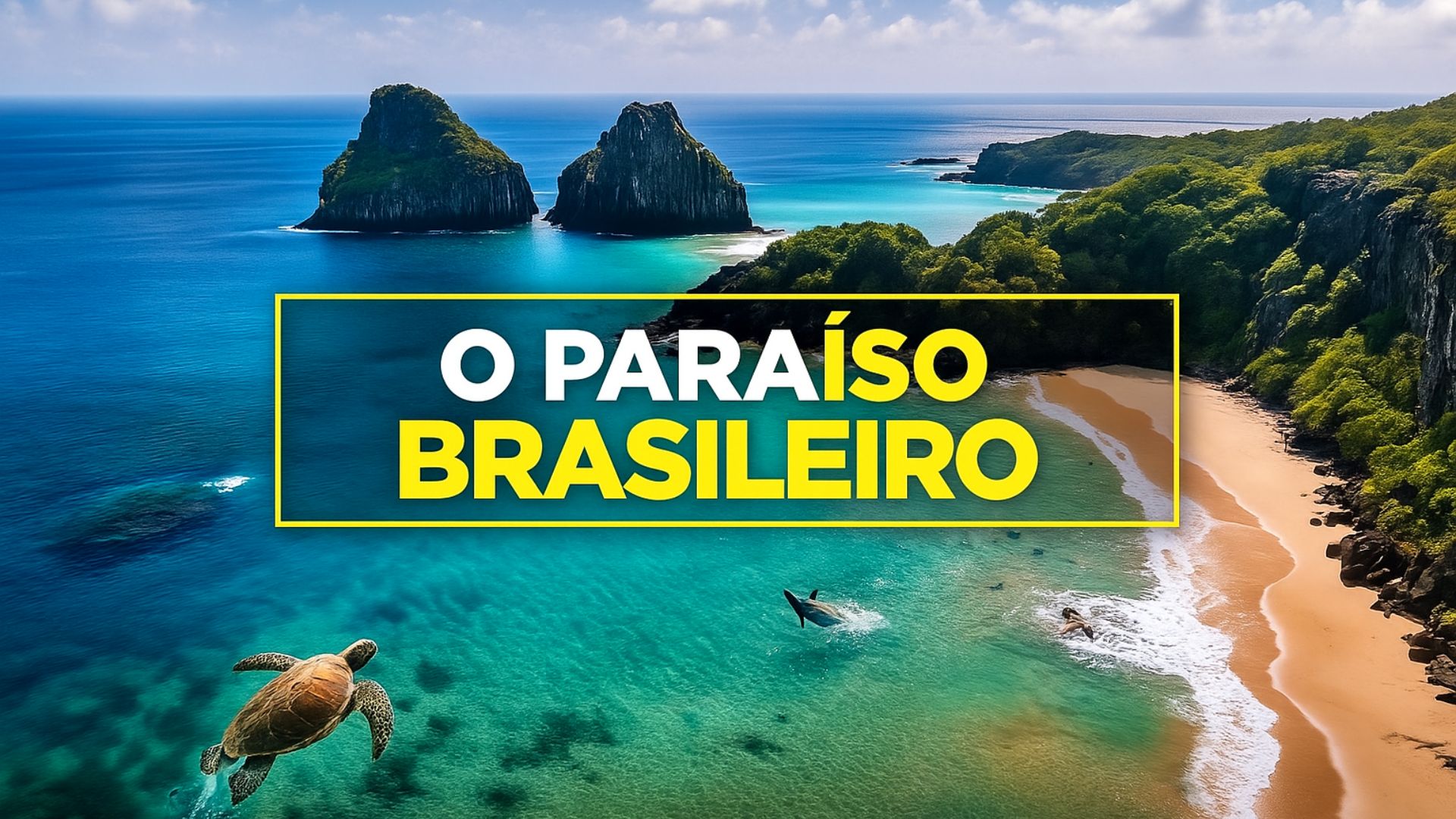

Brazilian Archipelago Combines Strict Environmental Protection, Small-Scale Insular Life, and High Biodiversity Marine Areas in One of the Most Controlled Destinations in the Atlantic.
About 545 kilometers off the coast of Pernambuco, the archipelago of Fernando de Noronha brings together waters with visibility that can reach 50 meters, strict environmental monitoring, and an insular routine marked by just over 3,000 permanent residents.
The combination of access control, specific fees, and legal protection keeps the archipelago as one of the most preserved areas of the South Atlantic, recognized by UNESCO as a Natural World Heritage Site since 2001, along with the Atol das Rocas.
Sancho Bay and Regulated Access Areas
Sancho Bay brings together elements that justify its recurring presence in international rankings.
-
China’s Water Project in Southern Chad Delivers Over 500 Wells and 57 Stations, Aiding Over 600,000 Residents

-
Frustrated by Floods Damaging His Power System, Brazilian Man Builds His Own Dam and Micro-Hydroelectric Plant to Live Off-Grid

-
7,500-Year-Old Salt Production Traces in Bosnia Uncover Rare Prehistoric Technology and Shed Light on Food History

-
Man Discovers 2,000-Year-Old Roman Cistern with Drone in Brazil





The beach, surrounded by high cliffs and native vegetation, ranked again among the top positions in TripAdvisor’s Travellers’ Choice in 2024 and 2025.
Access, via a narrow staircase or authorized maritime route, naturally limits the daily flow of visitors.
Other areas follow similar rules.

The Porcos Bay and Cacimba do Padre allow observation of Morro Dois Irmãos and, under favorable conditions, snorkeling activities.
The natural pools of Atalaia have limits on the number of people per time slot and require the accompaniment of accredited guides, as determined by ICMBio to reduce impact on sensitive organisms.
National Park and Visitor Limits
The archipelago has dual protection: the Environmental Protection Area, created in 1986, and the Marine National Park, established in 1988.
According to ICMBio, the park covers about 70% of the archipelago’s area and part of the surrounding marine area up to 50 meters deep.
Since the UNESCO recognition, environmental agencies have reinforced the region’s importance for the conservation of turtles, birds, and marine mammals.
The Environmental Preservation Fee (TPA) is mandatory.
In 2025, the minimum daily fee became R$ 101.33, with progressive charges based on the number of days of stay.
Entry to the Marine National Park costs R$ 192 for Brazilians and R$ 384 for foreigners, valid for ten days.
According to official data, the park received 131,503 visitors in 2024, a number close to the maximum limit of 132,000 tourists set by an agreement between state and federal governments.
Rotating Dolphins and Monitored Turtles
In Dolphin Bay, groups of rotating dolphins (Stenella longirostris) often concentrate at dawn.
Researchers from the Rotating Dolphin Project state that the animals use the cove to rest after feeding in open water.
Current regulations prohibit diving and excessive approach, with observation allowed only from official viewpoints or accredited vessels.
The presence of sea turtles is also monitored.

Green turtles (Chelonia mydas) and hawksbill turtles (Eretmochelys imbricata) use beaches like Leão for nesting, according to the Tamar Project.
In the reefs, diving and floating reveal hundreds of species of fish, corals, and invertebrates.
Authorized operators follow distancing rules and limits on visitors per group.
Volcanic Hills and Controlled Trails
The volcanic origin of Noronha explains formations such as the Morro Dois Irmãos and the Peak.
Guided signposted trails conducted by accredited guides allow you to observe both the inner sea and areas more exposed to the outer sea.
Access is controlled by time slots and visitor numbers.
Insular Life and Circulation Rules
The estimated population is around 3,100 residents, concentrated in villages such as Remédios, Floresta Nova, and Vila do Trinta.
BR-363 connects the Porto de Santo Antônio to Baía do Sueste.

Visitors mostly use accredited buggies, buses, taxis, and walk.
The presence of private tourist vehicles is prohibited.
The Noronha Carbon Zero program aims to reduce the circulation of combustion vehicles throughout the decade.
Recent discussions have addressed the postponement of the deadlines in the original legislation, still under review.
Solar energy projects and storage systems aim to reduce the use of diesel generators by the end of the decade.
Plastic Restrictions and Local Infrastructure
Since 2019, the Plastic Zero decree prohibits the entry and use of disposable plastic items.
Monitoring occurs at the airport and the port.
The island’s infrastructure includes a hospital, schools, basic services, and small-scale tourism-oriented commerce.
Reduced lighting in beach areas follows environmental guidelines to avoid interference with bird navigation and turtle hatchlings.
Climate, Warm Sea, and Drier Periods
The climate is tropical oceanic, with temperatures ranging from 24°C to 32°C.
The waters vary from 26°C to 28°C throughout the year.
The drier period favors diving with better visibility.
During the wetter months, vegetation intensifies, and some cliffs present temporary streams of water.


Local Cuisine and Activities
The culinary offer is based on fresh fish and regional preparations.
Restaurants are concentrated in Vila dos Remédios.
Nightlife is discreet, with small-scale musical performances.
Sports like surfing are more active at Cacimba do Padre during part of the summer.
Visitor reports indicate lower occupancy in several beach sections outside peak demand periods.
Given the strict rules, associated costs, and environmental requirements, would you consider organizing a trip to explore this protected area of the Brazilian Atlantic?