Portuguese
  Spanish


With more than 500 wells, 57 stations, and a system with solar energy and generator, the project in the provinces of Mandoul and Salamat aims to reduce long walks and benefit over 600,000 people in southern Chad
More than 500 wells in Chad, 57 centralized water supply stations, and over 100 public latrines were delivered in the provinces of Mandoul and Salamat, in the south of the country. The project, started at the end of October 2024 by Chinese engineers, aims to reduce long walks and expand access to safe water in vulnerable rural areas.
Wells in Chad reduce daily walks for water
For years, residents of Mandoul and Salamat faced a routine marked by distance and insecurity in supply.
In many communities, fetching water required long journeys, even when the liquid found was not safe for consumption.
-
Frustrated by Floods Damaging His Power System, Brazilian Man Builds His Own Dam and Micro-Hydroelectric Plant to Live Off-Grid

-
7,500-Year-Old Salt Production Traces in Bosnia Uncover Rare Prehistoric Technology and Shed Light on Food History

-
Man Discovers 2,000-Year-Old Roman Cistern with Drone in Brazil

-
Abandoned Mansion in Brazil Unveils 4 BMWs, Home Theater, Indoor Pool, and Numerous Apple Computers


In Madan, district of Koumra, capital of Mandoul province, Robgue Ozias walked four kilometers every day just to fill a gallon.
According to him, during the dry season, each family needed to send at least one physically able person to make this journey.
The change began at the end of October 2024, when engineers from China Jiangxi International Economic and Technical Cooperation Co., Ltd. started drilling in arid areas of Mandoul and Salamat.
So far, the project has delivered more than 500 wells with manual pumps, 57 centralized water supply stations, and over 100 public latrines. The reach reported by the Chadian government is over 600,000 people benefited.
Drillings exceed 45 meters and reach over 150 meters
The technical scale of the project is evident in the depth of the structures. According to Huo Wenlong, project site manager in Mandoul, the wells with manual pumps have an average depth of over 45 meters.
The centralized water supply stations require even deeper drilling, above 90 meters. The deepest well reached more than 150 meters.
Huo stated that the teams conduct explorations and preliminary analyses before drilling. According to him, the wells need to meet water quality and quantity standards.
One of the most challenging points was Aboudeia, in the Salamat province. According to the project manager, Fu Renyin, previous drilling attempts had failed for two decades due to the rocky terrain and low underground water production.
Fu said that after eight months of work, the team achieved an adequate flow rate for the Chadian community. He added that the construction was almost completed by the end of June.
Clean water changes the routine of women, children, and herders
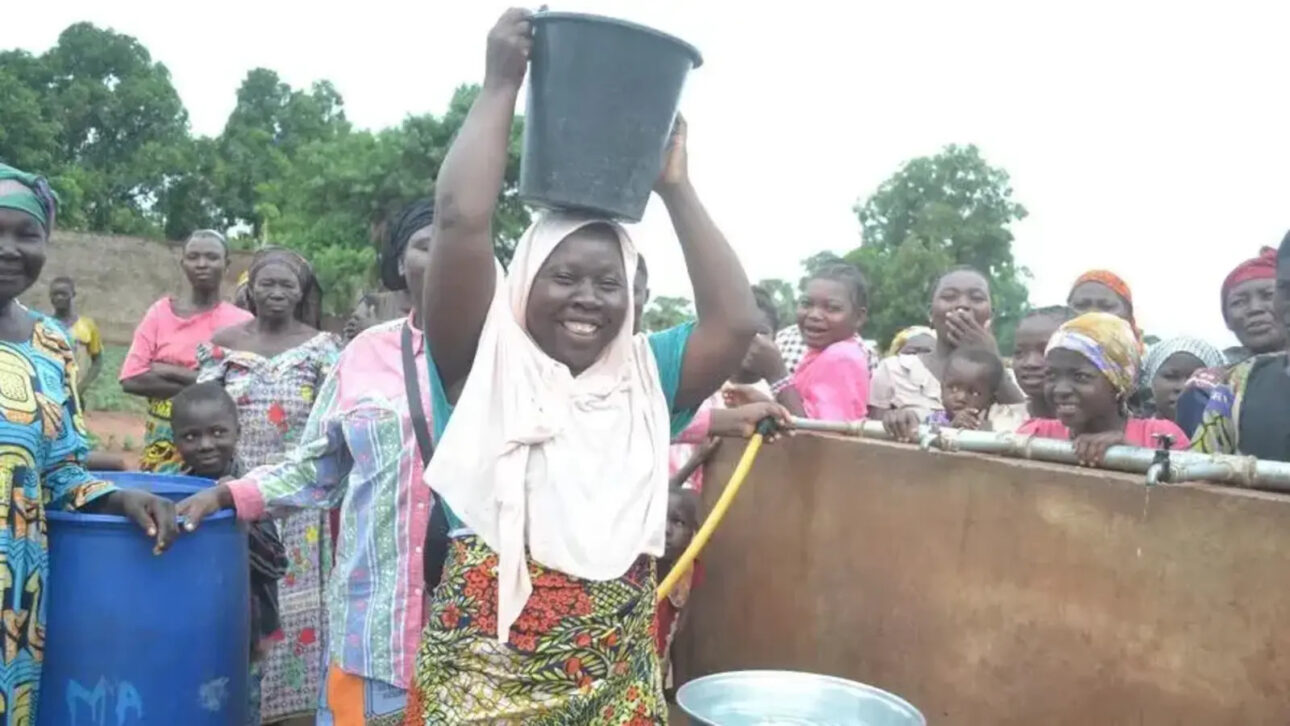
In early June, with the end of the dry season in Chad, temperatures exceeded 40 degrees Celsius. Even in this scenario, the new supply station in Madan already showed a practical change in the local routine.
Women and children lined up as clean water filled buckets and basins. Previously, some families traveled four kilometers. Now, according to local reports, the distance has reduced to a few dozen meters.
For Mrangue Madjingain, the traditional leader of Madan, the project brought hope and relief to more than 6,000 compatriots.
He stated that unsuitable drinking water is also a source of diseases and that stable supply helps reduce illnesses.
The impact also reached the herders. In Ngonbe, Koumtemadji Raikeman said he no longer needs to lead his animals for hours in search of water.
For him, the structure represents an advantage for both people and animals.
About 30 km from Koumra, the villages of Kouman and Ngonbe also received installations. In Kouman, Anmadji Kosadoum, 60, stated that the community now has potable water both in the dry and rainy seasons.
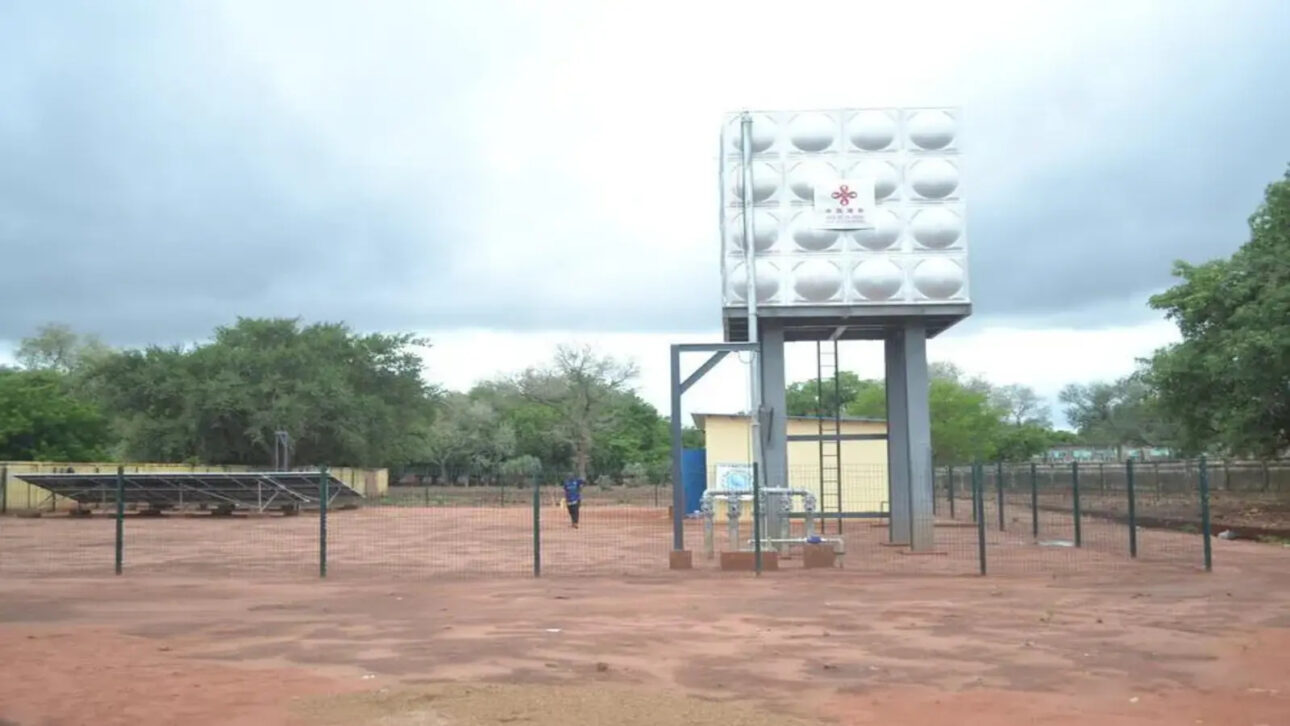
System combines solar energy and generator to maintain supply
To ensure continuous operation of the stations, engineers installed a dual energy source system. According to Huo, when there is sun, the station operates with solar energy.
At night or on cloudy days, the system automatically switches to the generator. The solution was adopted to maintain an uninterrupted water supply in the served communities.
The Water and Energy Delegate of Mandoul, Mangue Oudah Ali, praised the work of the Chinese team. He said that previously, women had to travel long distances to fetch water, and now the supply is right in front of them.
The Minister of Water and Energy of Chad, Passalet Kanabe Marcelin, visited the construction sites several times. According to him, the project will benefit more than 600,000 people and will help the country accelerate the National Drinking Water Supply and Sanitation Program, especially in vulnerable rural areas.
This article was prepared based on information from Xinhua, with data, numbers, and statements preserved as per the consulted material.