Portuguese
  Spanish




International Partnership Enables First Global Logistics Corridor for Liquid Hydrogen Transportation
Germany, the Netherlands, and Oman have signed an unprecedented agreement to develop the first international corridor for liquid hydrogen importation. The initiative aims to consolidate the infrastructure necessary for the safe and efficient transportation of clean fuels between the Middle East and Europe.
Strategic Partnership for the Energy Transition
The project will connect the port of Duqm in Oman to the port of Amsterdam in the Netherlands, integrating logistics centers in Germany, such as the port of Duisburg. The cooperation between the three countries aims to ensure the supply of green hydrogen to support the European energy transition. According to Eixos, this will be the first structured route for international transportation of the fuel in liquid form.
Incentive for Hydrogen Production in the Middle East
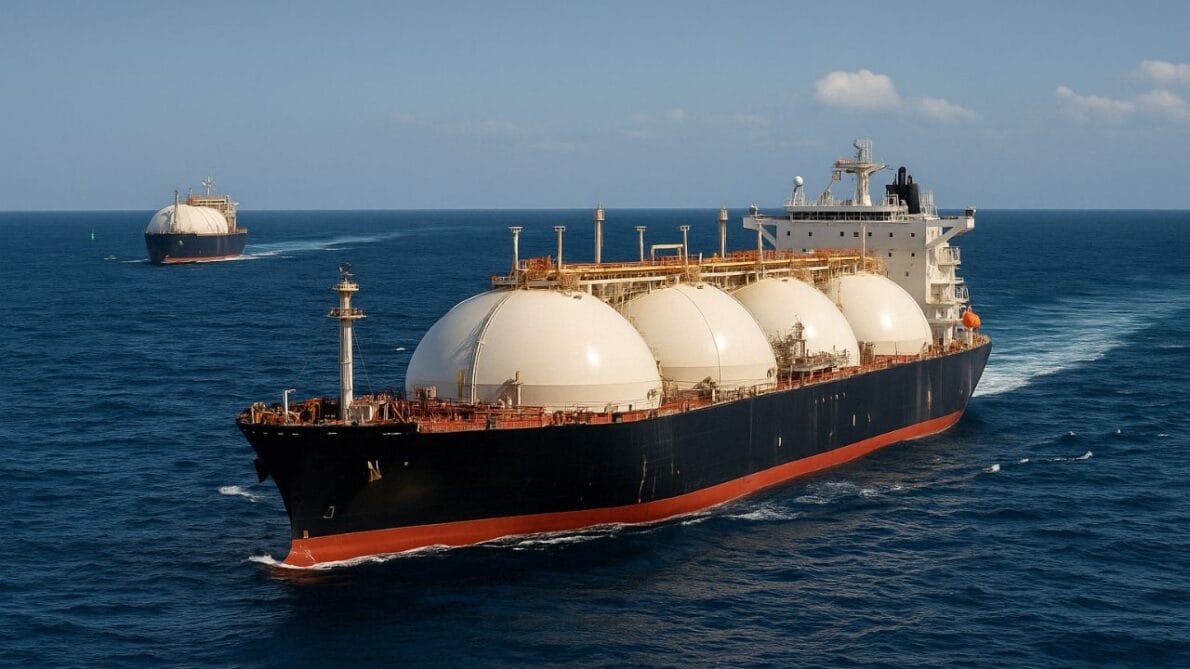
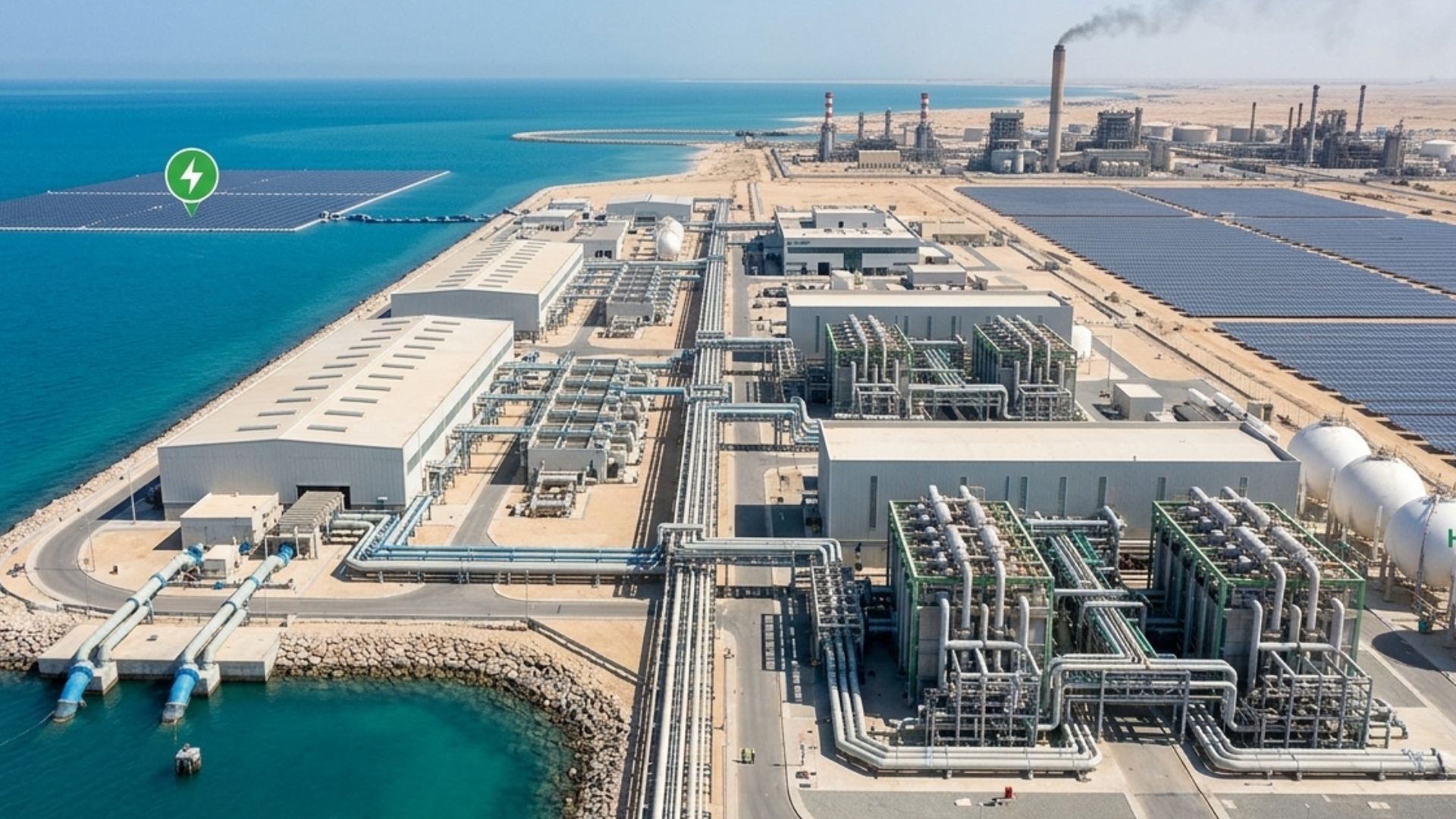
Oman will be responsible for producing hydrogen based on renewable energy and liquefying it for maritime transport. The port of Duqm already has investments in infrastructure aimed at exporting clean fuels, which enables the execution of the project. Production will focus on solar and wind sources, reinforcing the role of the Arab country as a strategic supplier of clean energy to Europe.
-
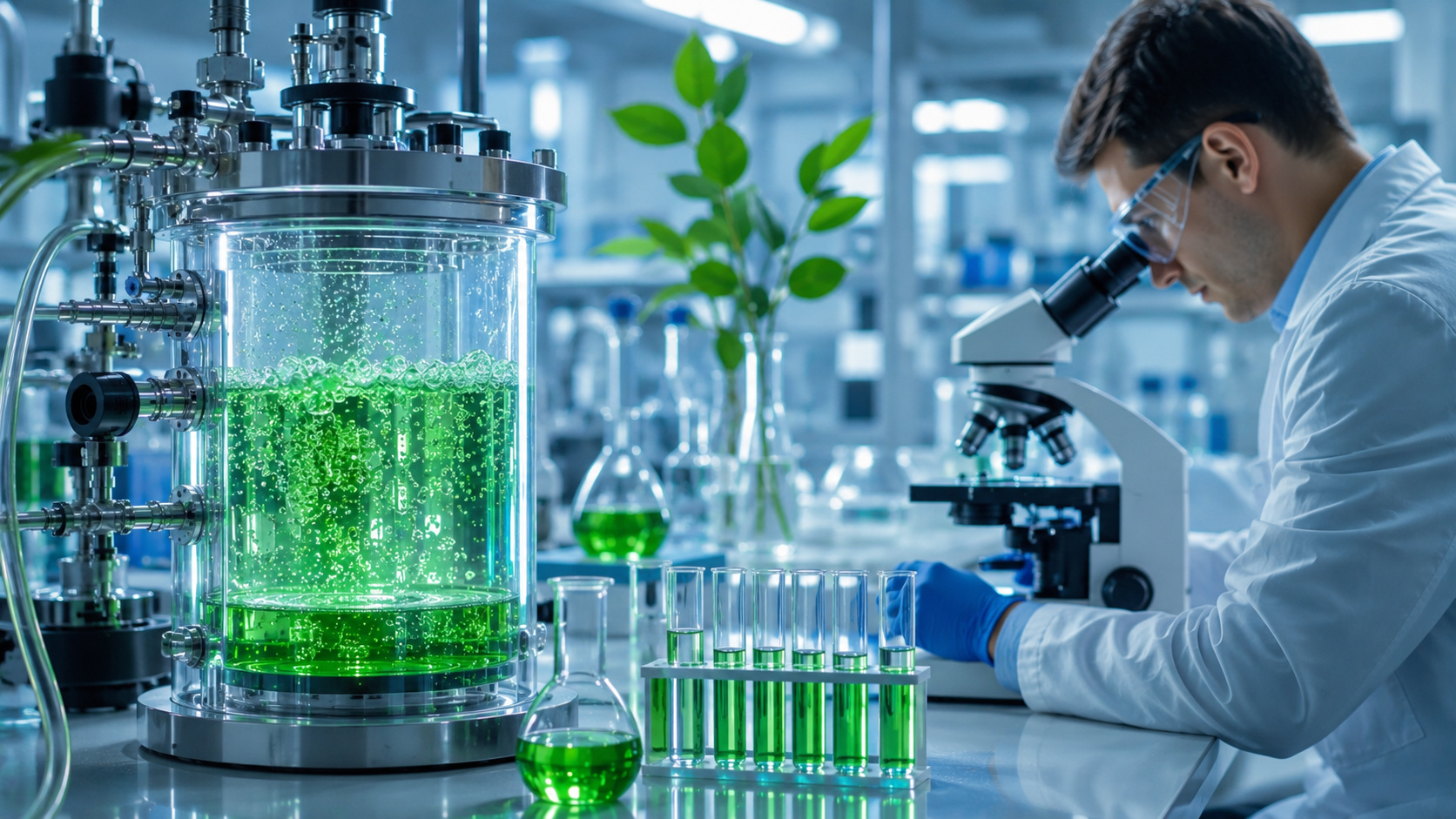
Brazilian scientists are simultaneously advancing two research projects on clean hydrogen and driving solutions that could transform the energy matrix, enhance industrial competitiveness, and accelerate large-scale emission reduction targets.

-
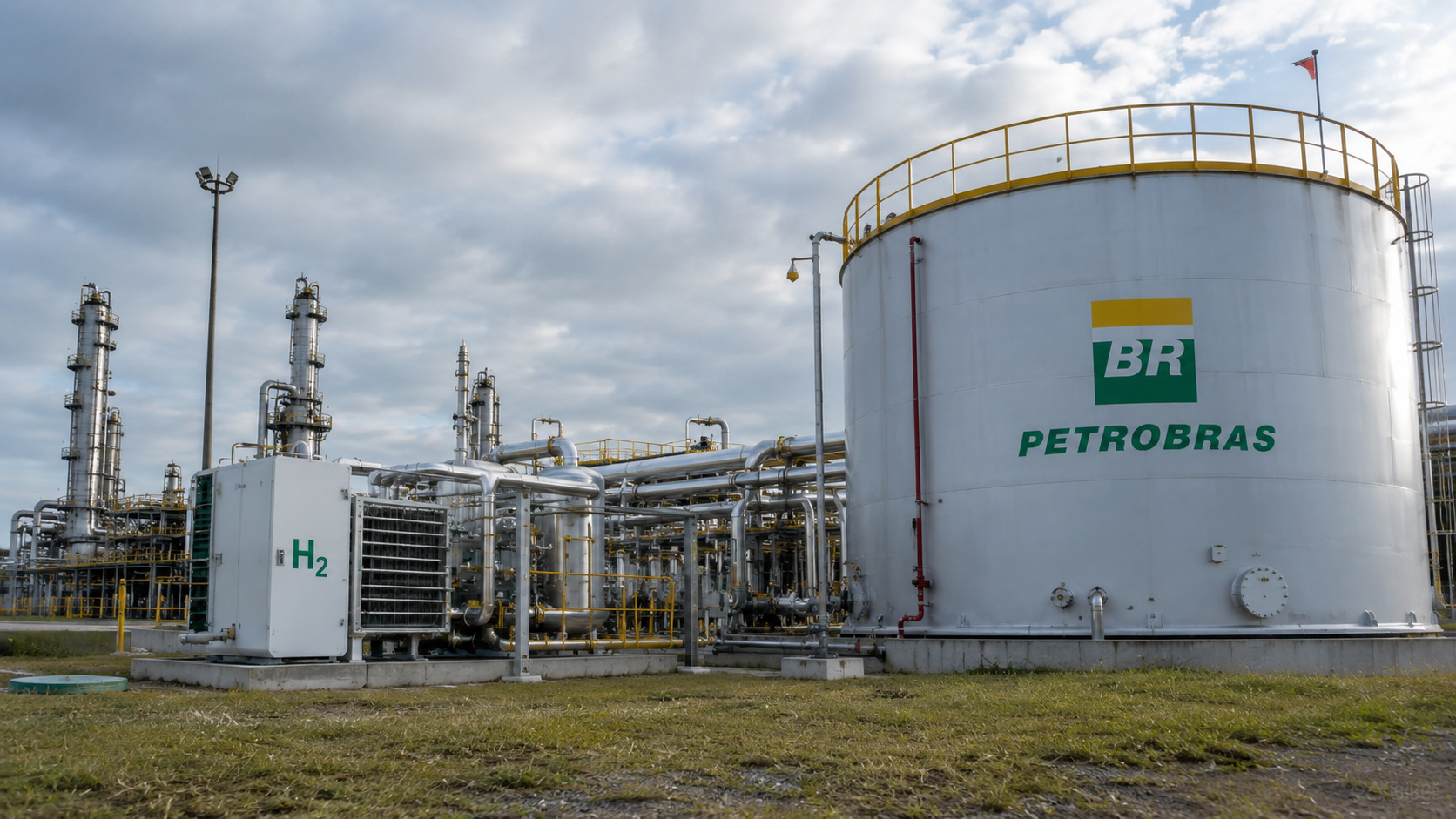
Advancement in renewable energy: A R$ 150 million project launched by Petrobras and Finep aims to create state-of-the-art electrolyzers for green hydrogen, strengthening national research and preparing Brazil to compete in a billion-dollar energy market.
-
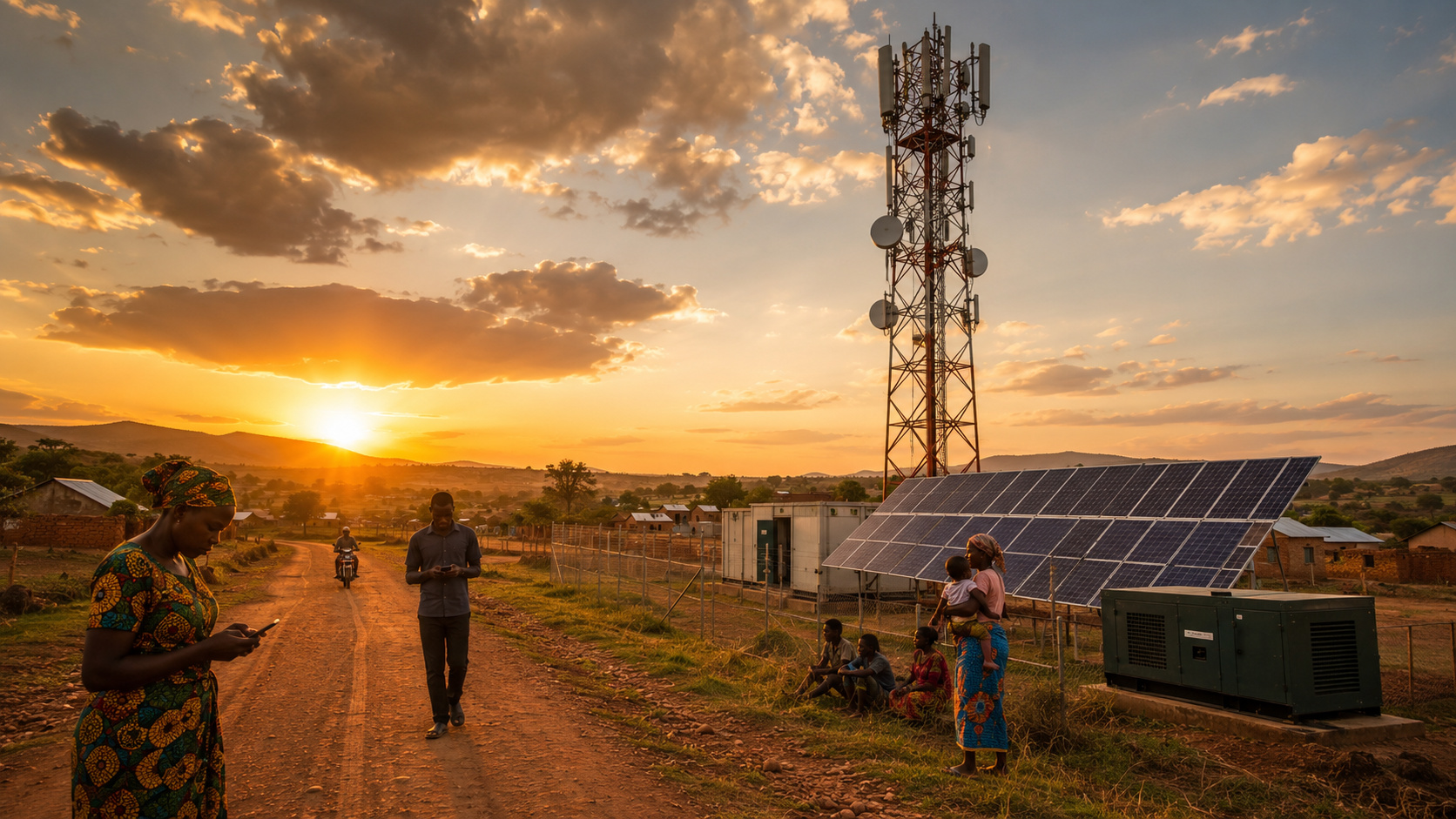
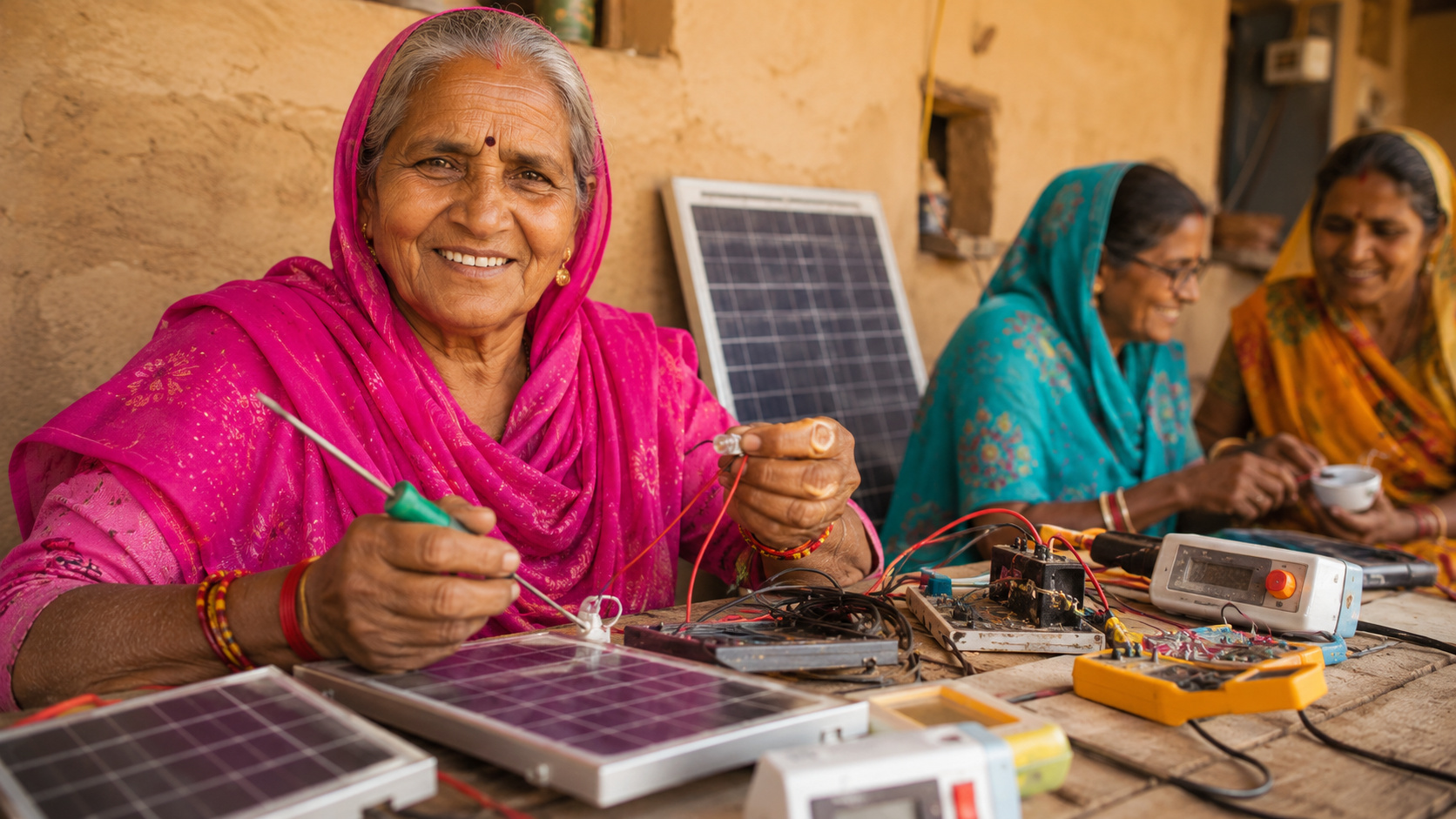
Illiterate or semi-literate grandmothers were trained to repair solar systems, open rural workshops, and light up homes that still depended on kerosene.
-
The world has bet on green hydrogen as the fuel of the future, but now faces the side effect: producing 1 kilogram requires about 9 liters of ultrapure water, and the largest projects on the planet are precisely in the driest regions of the Earth, where water is already scarce for people.

Europe Seeks Energy Security with Decarbonization
The hydrogen corridor is part of a broader plan by the European Union to diversify its energy sources and reduce dependence on fossil fuels. Germany and the Netherlands have ambitious decarbonization targets for the next decade, and the importation of green hydrogen is seen as a central piece of this strategy. Transportation via specialized ships will allow the supply of logistical hubs and industries within European territory.
Next Steps and Expectations for the Project
The agreement between the three countries includes technical studies, investments in infrastructure, and the definition of trade routes throughout 2025. Thus, the world’s first international liquid hydrogen corridor is expected to be operational by the end of the decade. The initiative is seen as a model for future partnerships between producing and consuming countries of clean energy.