Portuguese
  Spanish


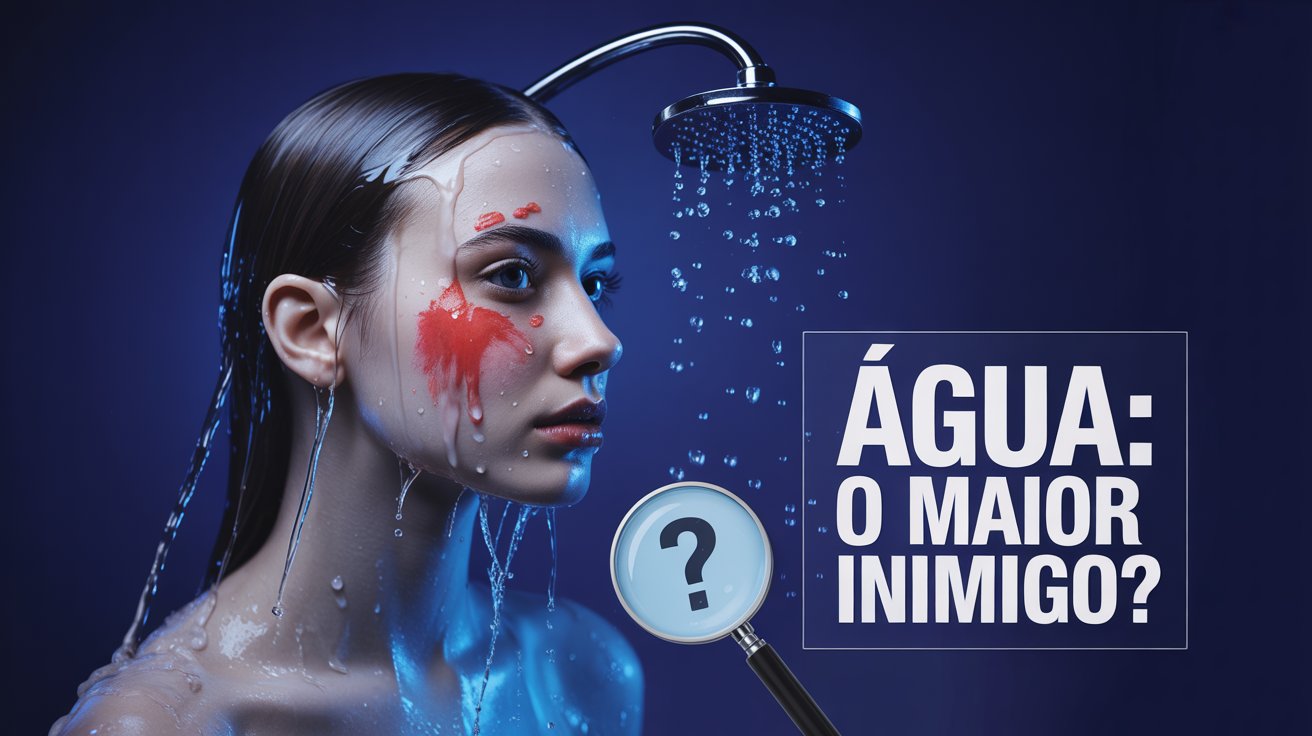


Rare Condition Causes Water Contact to Trigger Severe Allergic Reactions, Turning Simple Tasks into a Real Challenge for Those Living with the Disease That Intrigues Researchers Worldwide.
In a scenario where rare diseases often challenge medicine, water allergy, known as aquagenic urticaria, stands out for its degree of mystery and complexity.
With fewer than 100 confirmed cases globally as of June 2025, this condition transforms everyday situations — such as taking a shower, sweating, or being caught in the rain — into episodes of intense physical and psychological discomfort for those living with it.
Aquagenic urticaria is classified as one of the most unusual dermatological diseases today.
-
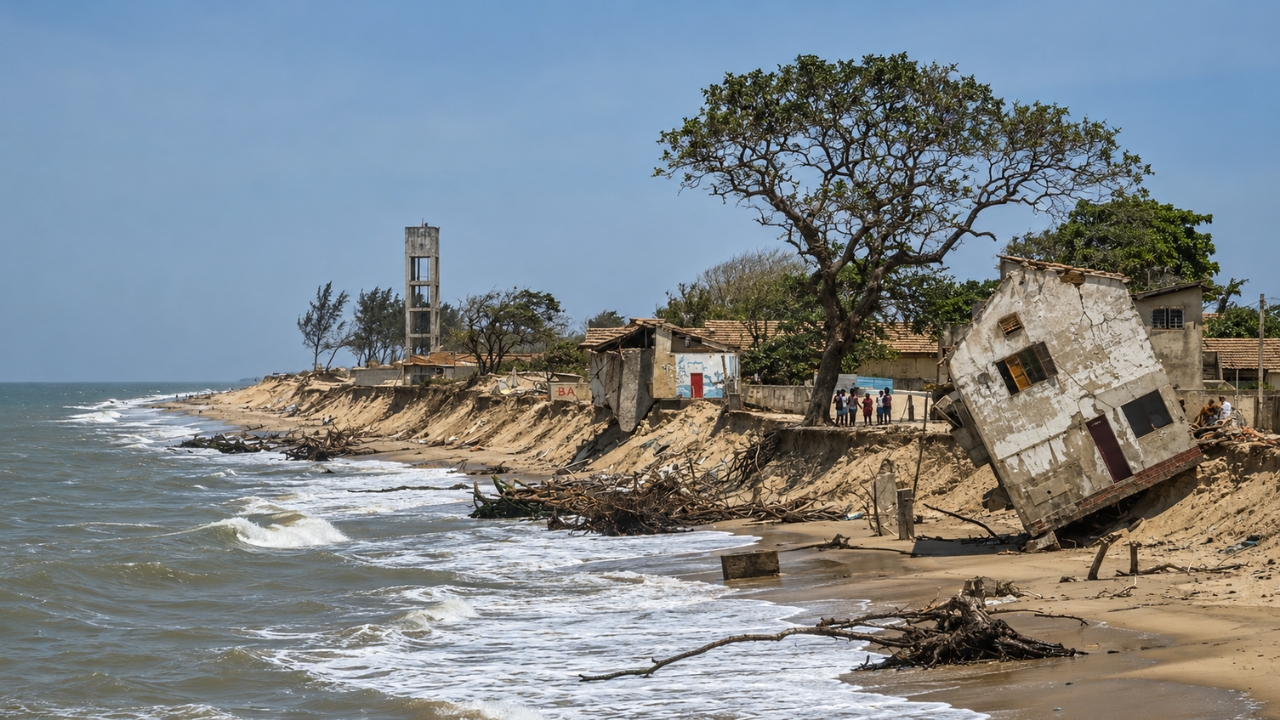
Coastal City in Rio de Janeiro Faces Slow Destruction as Sea Claims 500 Homes and Businesses

-
48-Year-Old Woman Wins Million-Dollar Prize, Gifts Neighbor First International Trip as Thanks for Years of Support

-
Women Once Mocked for Collecting Trash Form Group to Turn Organic Waste into Compost, Generate Daily Income, and Improve Market Cleanliness in One of the World’s Lowest GDP per Capita Countries
-
Archaeologists Uncover 40,000 Roman Bronze and Copper Coins from the 3rd Century in Fire-Destroyed French Neighborhood


Contact with water, even in minimal amounts and regardless of temperature, causes intense itching, redness, and welts on the skin that can persist for minutes or hours.
The symptoms appear almost immediately after exposure, creating a true challenge in the hygiene routine and social interactions of patients.


Symptoms of Water Allergy
The mechanism behind water allergy involves an abnormal immune response.
According to researchers at Nottingham Trent University, mutations in the FABP5 gene are associated with the skin’s natural barrier failure to repel water molecules, leading to inflammation and allergic manifestations.
In a recent scientific article, researchers Samuel J. Branco and Philippe B. Wilson described the immune system as a “vigilant guardian,” which, in aquagenic urticaria, interprets the presence of water as a threat, triggering alarm signals in the body.
In addition to genetic factors, environmental and hormonal aspects can exacerbate the condition.
Hormonal changes, contact with certain chemicals, and abrupt temperature changes can enhance allergic reactions, making daily life for sufferers even more unpredictable.
The rarity of the disease, as reported in specialized publications, contributes to a social stigma: many patients take years to obtain an accurate diagnosis, facing disbelief even among healthcare professionals.
Emotional and Social Impacts
The emotional impact of living with aquagenic urticaria is significant.
The constant fear of coming into contact with water generates anxiety and severe limitations in personal, professional, and academic life.
Basic activities, such as exercising, going to pools, or even going out on rainy days, become avoided.
In many reports, patients highlight the need to adapt routines and the constant use of clothing that protects the skin from moisture.
Clinical Manifestations
Typical symptoms include itching, burning, a sensation of heat, and the appearance of reddish welts, accompanied by small elevations.
The intensity varies according to the individual’s level of sensitivity and the duration of exposure.
In more severe cases, lesions can evolve into blisters or open wounds, increasing the risk of secondary infections.
Diagnosis of Aquagenic Urticaria
The diagnosis of aquagenic urticaria is made through detailed clinical evaluation and often controlled water exposure tests in hospital settings.
As it is a little-known disease, many cases remain underreported, making accurate global incidence estimates difficult.
Treatments for Water Allergy
Treatment options are limited.
Antihistamines and corticosteroids are used to temporarily relieve symptoms but do not eliminate sensitivity to water.
Emollient creams and physical barriers help protect the skin, reducing the intensity of episodes.
In recent years, phototherapy with ultraviolet light has shown promise for some patients, helping to control skin inflammation and modulate the immune response.
Nonetheless, aquagenic urticaria remains without a definitive cure and requires constant dermatological monitoring.
Science Challenges and Importance of Diagnosis
Researchers continue to investigate the exact mechanisms of the disease, as well as more effective treatment alternatives.
Case reporting is essential to expand knowledge about water allergy, assisting in the development of more effective personalized therapies.
Water allergy also illustrates the difficulties faced by those with rare diseases.
The low number of reported cases hinders the formation of large support groups and makes it challenging to include specific medications in public health policies.
Therefore, patient advocacy organizations emphasize the importance of information and early diagnosis.
In the face of such an uncommon and limiting condition, aquagenic urticaria sparks curiosity and highlights the challenges faced by modern medicine in identifying and managing little-known conditions.
By turning simple tasks, such as taking a shower or dealing with one’s own sweat, into daily obstacles, the disease sheds light on the need for advancements in research and care for those affected.